Why 2026 could be the year first-time buyers finally get helped onto the property ladder
Getting on the property ladder has proven incredibly difficult for many – there’s optimism that this year may be a turning point
For someone looking to buy a house for the first time, the past few years have presented a daunting task. High interest rates make those first repayments look worryingly high, and rising inflation meant money tucked away as savings might have been losing real value anyway.
Yorkshire Building Society estimated that first-time buyers were up last year to about 390,000, but that’s still below the post-Covid peak of 405,000, which included those buying with government support and on super-low interest rates.
House prices have continued their steady march upwards since then too, with the average price in the UK now exceeding £300,000 for the first time.
Of course, this can vary widely by property size, type and location, but it’s still a notable number – and even with the prospect of a mortgage to do the heavy lifting, prospective buyers know there’s a significant hurdle they have to overcome themselves.
And yet, conditions this year might be slightly more favourable once more.
Deposits – the £30,000 elephant in the room
Ask most people what the toughest part of homebuying is, and the chances are, saving a deposit will be the answer.
A quick refresher, now: if you take on a 90 per cent mortgage, that means your mortgage pays that part of the house price, and you pay the rest (10 per cent) with your deposit. That’s known as a 90 per cent loan-to-value (LTV) mortgage. A 75 per cent LTV deal, therefore, requires a 25 per cent deposit, and so on.
Now consider: Mortgage trend data, reported by the Intermediary, shows that 90 per cent LTV deals are at a record high, while those with even smaller deposits, securing a 95 per cent LTV mortgage, have hit the highest level since 2008.
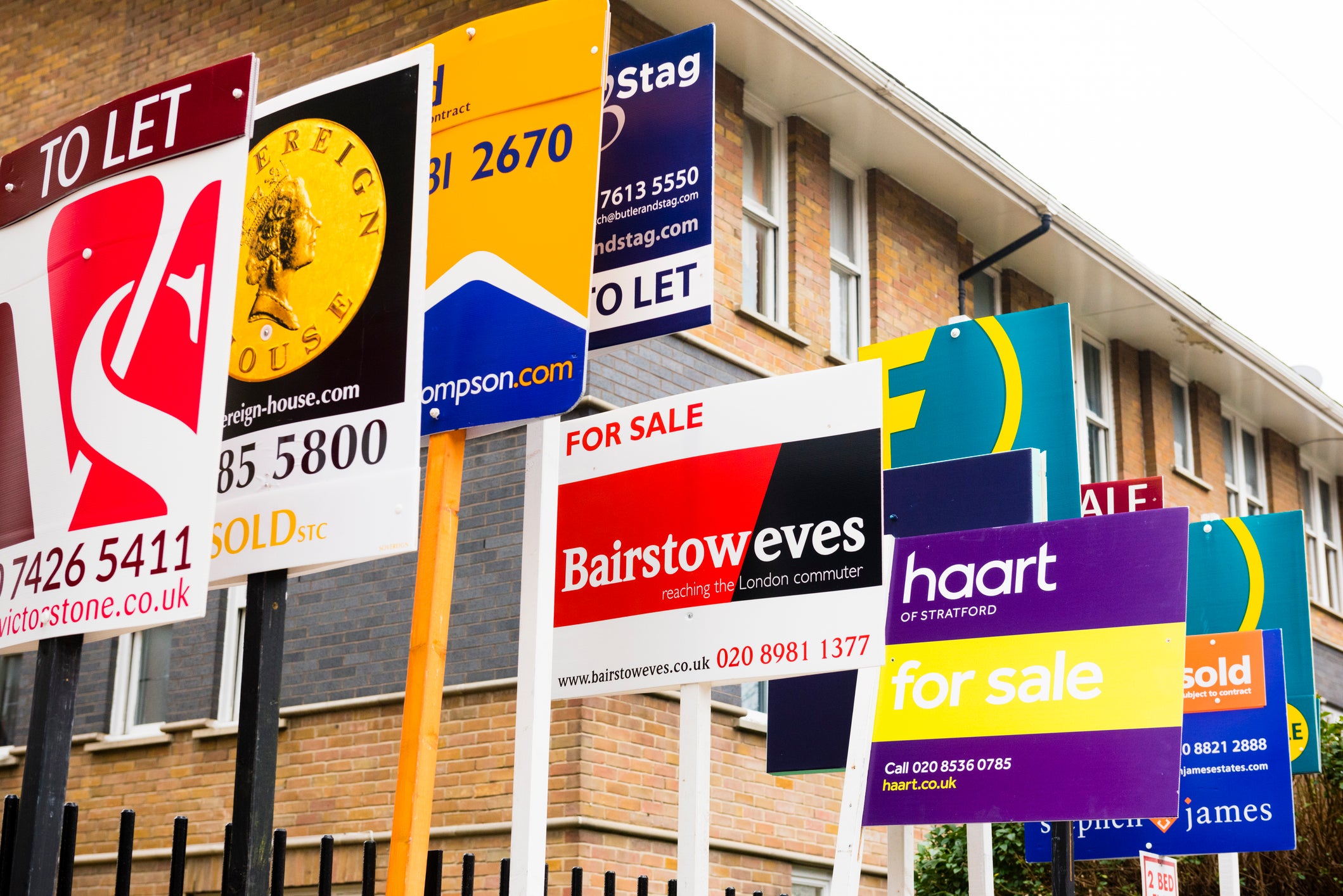
And if you’re buying an “average” priced house at £300,000, that means you might need a hefty £30,000 saved as your 10 per cent deposit – and it’s a basic sum which has put off scores from even trying.
But new research from the Building Society Association (BSA) shows that all might not be what it seems.
Ask your lender what deals are available
Data from new BSA research shows that over half (59 per cent) of first-time buyers now have less than £10,000 in savings.
It also says a third of savers (32 per cent) believe they will never achieve homeownership, given the challenges of affordability (cited by 64 per cent) and saving a deposit (53 per cent) cited as the main blockers.
But at the same time, nearly half of them (47 per cent) have never spoken to a lender or broker to see exactly how close they are, or what options are available for their specific situation. After seeing live deals from building societies which offer no or low-deposit options, however, two in every three (67 per cent) home seekers felt they were far closer to turning it into reality.
“Too many people are giving up on owning a home before they’ve even spoken to a lender - believing that getting the keys to their own place is out of reach,” said economic secretary to the Treasury, Lucy Rigby KC MP.
“But now that there are more attractive and flexible products on the market, it’s right that people are encouraged to have another look to see if there might be an option which works for them.”
The BSA says more than a third of first-time buyers (35 per cent) last year got mortgages through its members.
And, from a buyer perspective, it’s notable over the past few months that banks and building societies alike are making moves which could benefit more people.
Mortgage market innovation
While there remain mortgages available in some circumstances for the totality of a house purchase – 100 per cent mortgages – they are often for specific circumstances and, naturally, can come with wider considerations; higher interest rates on repayments, for example.
Even getting a small deposit together can start to lower what you pay back, while last week Santander hit the headlines for bringing a deal to market requiring only a 2 per cent deposit – though it still requires at least £10,000 in actual cash saved. Regardless, the point is that it’s further innovation in the sector and may bring a solution for some.

Mojo Mortgages, an online broker, called it “a direct challenge to the rent trap that has stifled a generation of aspiring homeowners”.
Data from the same broker suggests that higher LTV borrowing is on the rise over the past two years, but it’s important to remember that an initial deposit is only part of the equation.
New mortgage types are not always about those with no deposits or first-time buyers either, but - for example - people who have a great track record of renting, or who have a high salary but haven’t yet saved large amounts.
Affordability and wider environment
Deposit aside, ongoing affordability is also a big question for lenders to consider. Even there, though, strides have been taken.
Nationwide is among several firms to raise income multipliers, extending higher loan-to-income lending, meaning some people can borrow up to six times their earnings. HSBC offers up to 6.5 times for certain high-earners, while Halifax says their first-time buyer boost can see up to 22 per cent more money lent than usual circumstances.
Outside of lenders, there’s further potential good news in that interest rates are expected to fall further this year, which can see competition between banks and building societies for customers, lowering repayment rates on some deals.
And even if house prices are expected to rise further this year, that is generally the sign of a positive all-round market, which is important for the long term and avoiding situations of negative equity for buyers down the line.
“Building societies have been helping people into their first homes for more than 250 years, and that hasn’t changed, we’re still innovating, still flexible and still focused on real people and the challenges they face,” said Paul Broadhead, head of mortgages at the BSA.
“A simple conversation with a building society or mortgage broker could open doors that you may not realise were there.”
Join our commenting forum
Join thought-provoking conversations, follow other Independent readers and see their replies
Comments
Bookmark popover
Removed from bookmarks