The Independent's journalism is supported by our readers. When you purchase through links on our site, we may earn commission.
What Rob Reiner taught me about love
From crossed wires at a first meeting to the deep love that comes from the mutual acceptance of flaws and all, novelist Elizabeth Day explains how the director taught us the best lessons about romance, moral courage, and what really matters


I don’t remember the first time I watched When Harry Met Sally. It’s not that the film was in any way forgettable – far from it. It’s because I love When Harry Met Sally to such an extent that I have now watched it countless times at many different moments in my life. It has influenced the way I see the world so deeply that I can no longer pinpoint one single occasion as having any greater magnitude than another. Instead, the movie has become part of the philosophical fabric of my worldview. If TS Eliot measured out his life in coffee spoons, perhaps I measure mine out in When Harry Met Sally references.
Whenever I play Pictionary, I will always think of the scene where Harry (Billy Crystal), Sally (Meg Ryan) and their respective romantic partners do the same, and Sally gets outrageously frustrated that no one guesses her manic illustration for “baby talk”. It’s such a tiny, seemingly trivial moment, but for me, it goes to the heart of what it means for one person to be known (or not) by another. It’s about the yearning we all have for that understanding; the all-encompassing kind that accepts and welcomes our flaws and our idiosyncrasies and our inability to draw a convincing baby.
When I went through devastating romantic breakups in my thirties, I would recall the bit where Sally sobs and tells Harry that she’s realised the truth of why her ex dumped her: not because he didn’t see the same future as she did (family, kids) but because he didn’t see that future with her.
When I wrote my book, Friendaholic, a celebration and examination of platonic love, I was directly inspired by the movie to introduce sections featuring real-life people talking about their attitudes to friendship in the first person. This was intended to emulate what I think is one of the most poignant structural innovations of When Harry Met Sally: the clips where real-life couples interrupt the fictional storytelling to recount how they met and fell in love.
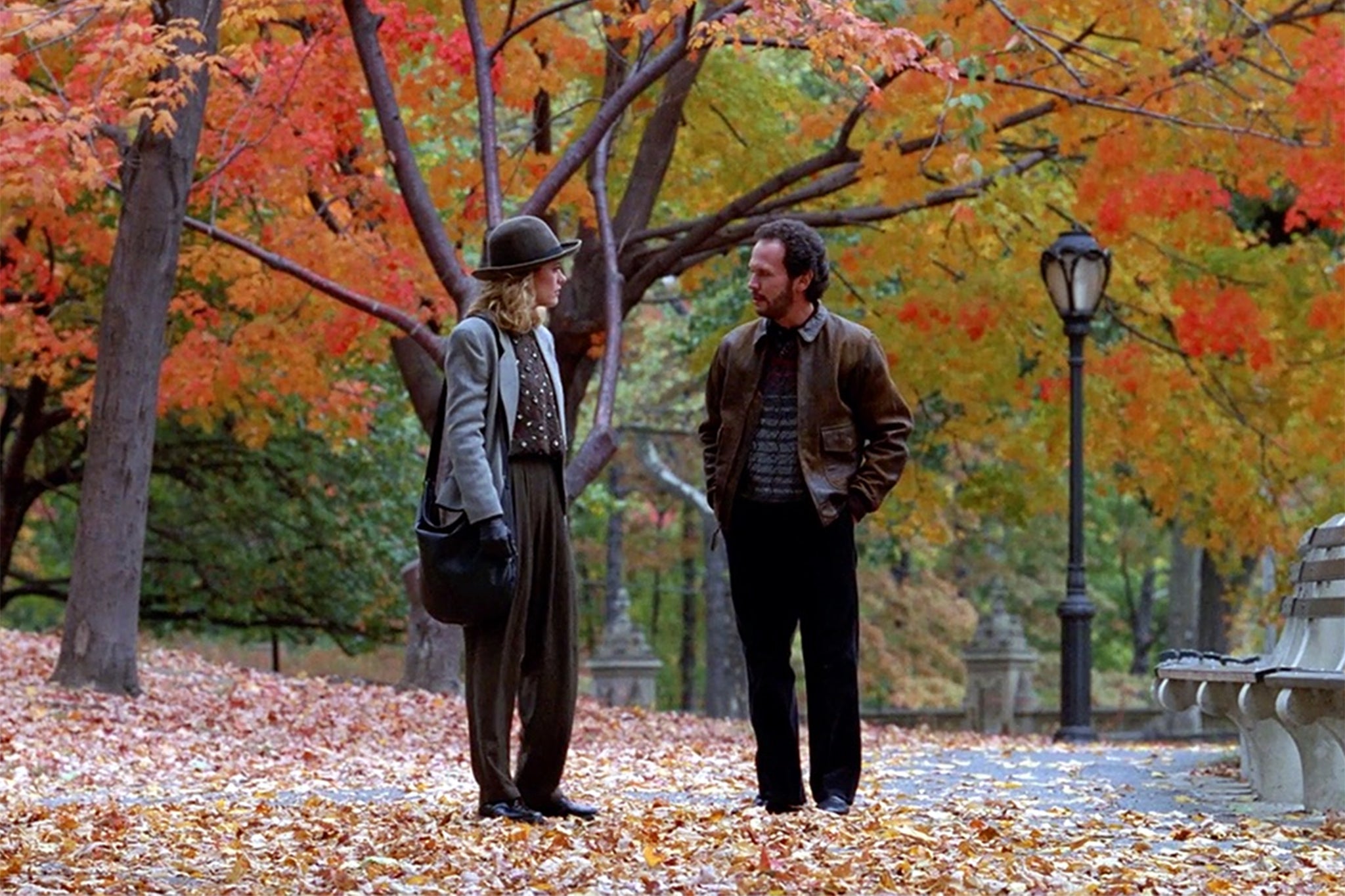
It’s a film that I think about more often than any other – the way Harry says “pecan pie” to make Sally laugh; the perfection of Sally’s fall wardrobe as they walk through an autumnal Central Park; the wagon wheel coffee table and the karaoke machine; the bit where Sally’s friend, Marie, played by Carrie Fisher, goes through a literal Rolodex of single men (”I don’t happen to find him attractive but you might”) and, naturally, the iconic scene in Katz’s Deli where Meg Ryan fakes an orgasm – a moment that was pretty revolutionary in 1989 when most men assumed they were great in bed and most women felt too scared to say otherwise.
It’s one of those movies where it feels as though everyone involved is at the peak of their powers – the writer, Nora Ephron, the actors and, of course, the director, Rob Reiner. In fact, it was Reiner’s own post-divorce dating experiences that formed the basis of much of Ephron’s inspiration for the character of Harry.
“I had been married for 10 years, I’d been single for 10 years and I couldn’t figure out how I was ever going to be with anybody, and that gave birth to When Harry Met Sally,” Reiner told CNN in a 2024 interview. He went on to say that the original ending of the movie saw Harry and Sally walking away from each other, unwilling to risk ruining their friendship by pursuing anything romantic. But, during filming, Reiner met a photographer called Michele and fell in love. He then changed the film’s ending to reflect his own newfound happiness.
What a tragedy, then, that Rob and Michele Reiner’s 36-year-marriage was cut so horrifically short this week when they were found dead in their LA home. I felt very sad when I heard the news. I’d never met either of them. But Rob Reiner influenced my life in ways he could never have known or imagined. And that’s why I wanted to write about When Harry Met Sally. I wanted to say thank you.


The more I read about Reiner, the more I realised just how many of his films had impacted me. It wasn’t just When Harry Met Sally. It was also This Is Spinal Tap, A Few Good Men, Stand By Me, The Princess Bride and Misery. (And those are just some of the movies he directed; as an actor, he also appeared in Sleepless in Seattle and The Wolf of Wall Street).
His was a diverse filmography, but I suppose if I had to find some connective tissue, it would be Reiner’s curiosity about human nature and the gentle humour he found in observing our fundamental absurdity. The latter is most obvious in This Is Spinal Tap, which, for my money, is one of the funniest films of all time. And yet the humour is never cruel – its irony derives from affection rather than contempt.
This reveals another fundamental Reiner truth, which is that he was unafraid of earnestness or sincerity. Most of his characters believe in love, loyalty, moral courage and happy endings that feel earned rather than bestowed. In 2025, cynicism and lassitude are fashionable. In a Reiner movie, by contrast, hope and redemption are available to those who are kind and honest, even when that honesty is uncomfortable and comes at some personal cost.
In Reiner’s hands, none of this is mawkish or sentimental; it evolves, instead, into something generous and expansive. The overall message seems to be: yes, people are ridiculous and sometimes they can be cruel and awful and damaged, but still they matter. What they do and how they show up in the world – all of it matters.
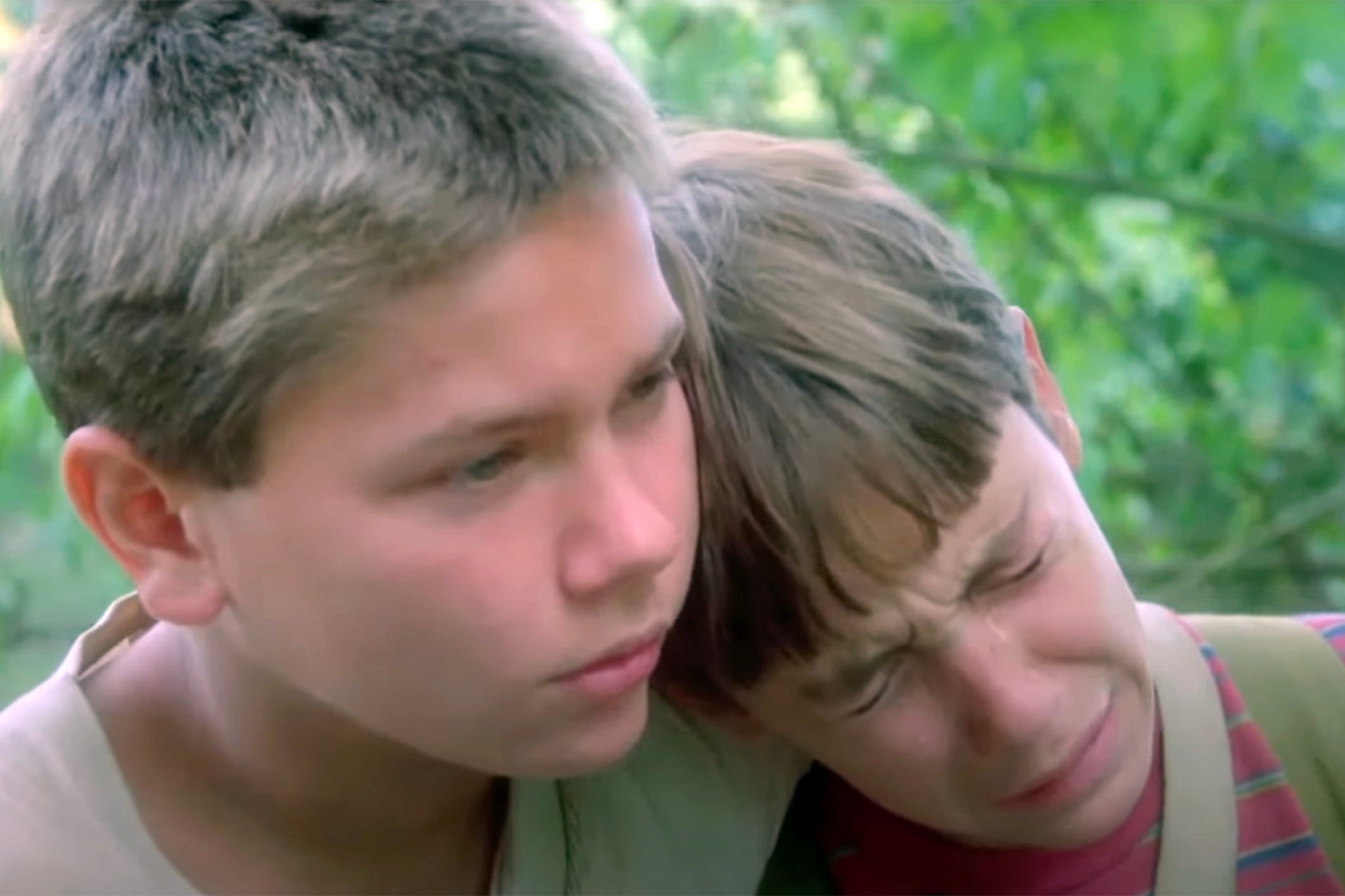
They were movies, too, that celebrated the power of friendship. Harry and Sally’s romantic relationship was a lasting one because of the years they had spent getting to know each other platonically first. Their love was built in full awareness of their imperfections. Love did not strike them from on high like the unexplained lightning bolts of romcom lore; it was instead a steadily growing bonfire, made from the layered kindling of mutual acceptance. The central premise was that love – true, lasting, real love – was forged through ongoing conversation and that any petty irritation or deeper hurt could be survived if only it were talked about.
I love this kind of love.
And then there was Reiner’s willingness to explore male vulnerability. Harry’s neuroses are not mocked but seen, rather, as invitations through which we can all explore our contradictory selves. Similarly, the young men in Stand By Me are allowed to be frightened and emotionally articulate rather than inhabiting the familiar (and two-dimensional) male tropes of stoicism, repression and aggression.
What makes all of this so wise and so considered is that these movies come from the same director who made A Few Good Men and Misery. On the surface, at least, it feels as though these two are compelling outliers to Reiner’s view of humanity. But, in fact, both are also concerned with truth and intimacy.
A Few Good Men, which follows the court martial of two marines charged with killing a fellow marine, shows how the avoidance of truth in institutions threatens the integrity of justice itself, while Misery (based on the novel by Stephen King) examines how the fictional author Paul Sheldon seeks to control the narratives of intimacy through his writing but ends up having closeness (of the psychotic kind) forced upon him by a crazed fan.
The pivotal moments in both films hinge on the unmasking of performance. Reiner is interested in the tipping point when a character can no longer hide from the truth they’re avoiding. In When Harry Met Sally, that truth is love. In A Few Good Men, it’s justice. In Misery, it’s survival. The theme is consistent: we cannot hope to be rewarded with love, justice or freedom unless we are first honest about ourselves. As Reiner put it: “Ultimately, all you can do is fix yourself. And that’s a lot. Because if you can fix yourself, it has a ripple effect.”
And so there is a particular sadness in the knowledge that a man so generous in his view of humanity, so kind in his exploration of it, has been killed along with his beloved wife in such an unfathomably brutal way. How grateful we all should be that the ethos of his work transcends the manner of his passing. Let’s remember him not by watching the news footage but by watching his films. They are the gift he gave us. They are what will endure.
To read more from Elizabeth Day you can find her on Substack
Join our commenting forum
Join thought-provoking conversations, follow other Independent readers and see their replies
Comments
Bookmark popover
Removed from bookmarks