How the Martin Parr I knew became misunderstood by so many
While the photographer, who died at the weekend, has been celebrated for capturing something uniquely British in his portraits, some have suggested that they made a mockery of his working-class subjects. Nothing could be further from the truth, says Richard Benson
So, Martin Parr has passed,” reads the post on the Instagram account of the techno act The Black Dog. “Got to say I hated his work. It always felt like he was punching down at the working class, mocking his subjects and portraying them as tacky, uncultured, and trapped in grim surroundings.”
It seemed a particularly unkind and disagreeable pronouncement in response to the death of the “national treasure” photographer, but it was not unique. Other coverage of Parr’s death featured references to his supposed voyeurism, snobbery, and privileged vantage point, recapping criticisms that had been made throughout his career.
The argument runs that Parr, as a middle-class white man from Epsom photographing working-class people who were often from the North, and in some cases satirising them, was snobbishly contributing to his subjects’ oppression. It’s a valid question to raise, but as a judgement of a highly significant body of work, it is both ignorant and patronising.
Parr himself was anything but snobbish; he was utterly obsessed with people – all people – as well as with photography and photographers. I contributed the text for an exhibition at his Martin Parr Foundation gallery last year, and on the opening night, despite being seriously ill with cancer, he was there encouraging younger artists, and discussing ideas and future projects like a young man of 25. The energy he put into British photography in general was massively appreciated by others in his field, which is one reason you don’t find many of them criticising his images.
What is sometimes taken as snarky satire in those images was often a loving fascination with humans and their everyday behaviour. When I met Parr for the first time, it was on a minibus that was taking us from the church to the reception at a mutual friend’s wedding. I was a bit starstruck and unsure of what to say, but it didn’t matter, because he was keen to chat in great detail about how we all acted on buses and coaches, and how the vehicles looked. He wasn’t aloof – he was part of the crowd, and loved it.
Nevertheless, Parr’s technique of catching his subjects off guard led to accusations that he was denying them dignity. He was typically contrasted with Henri Cartier-Bresson, the French photographer who opposed his acceptance by the famous Magnum cooperative, and whose photography – like his famous portrait of the boy carrying wine in Rue Mouffetard, Paris, for example – evokes a sense of togetherness and pride in adversity.
Both were responses to the social changes of the 1960s and 70s; faced with the decline of traditional communities and social consensus, Cartier-Bresson sought to show a sort of hope in the solidarity between ordinary people, whereas Parr saw them retreating into their own individual worlds.

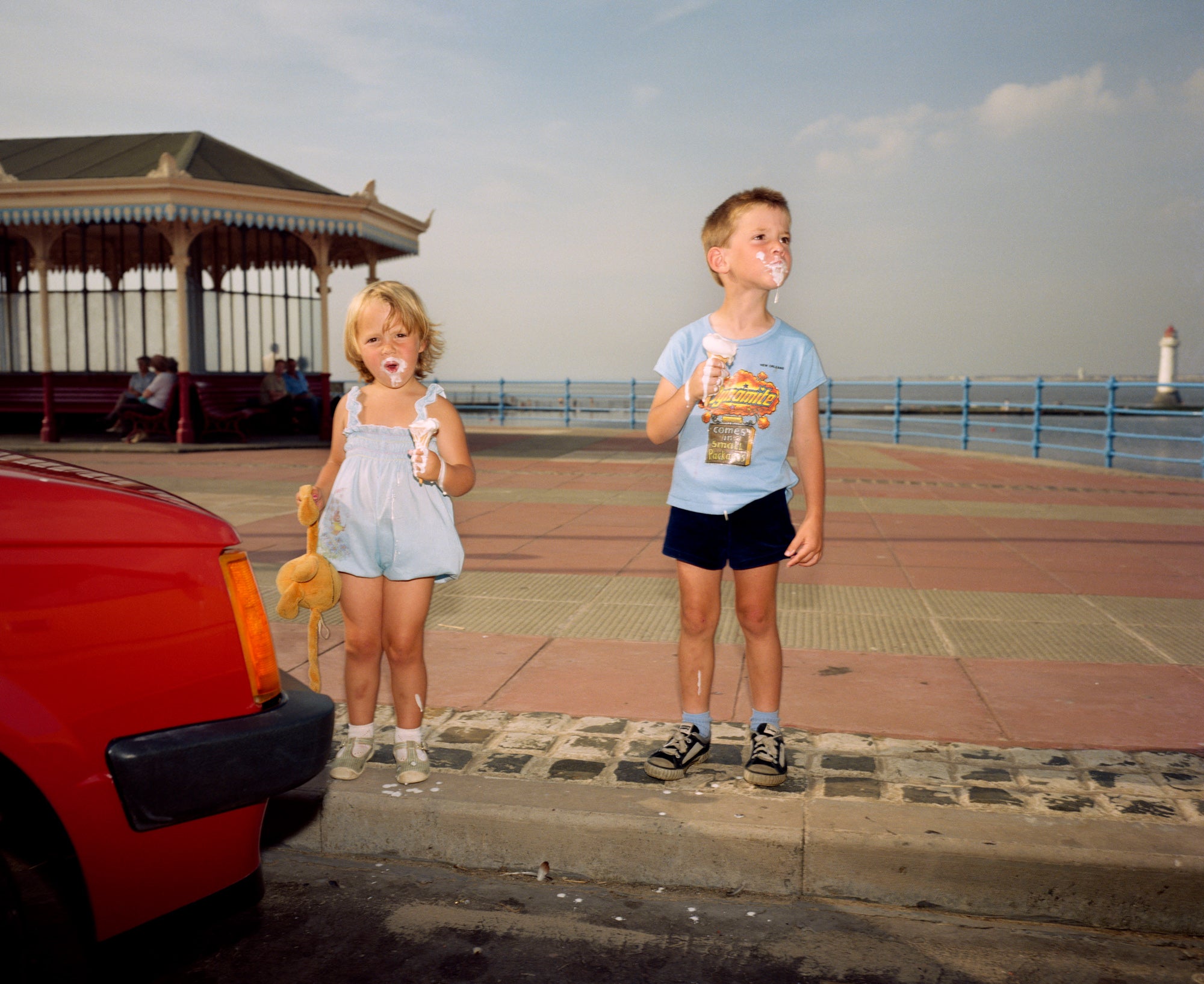
The idea that he was just mocking working-class people is nonsense, if only because he shot satirical pictures of the middle and upper classes as well. More seriously, it also ignores the poignancy and depth of his work. This went way beyond the pictures of visitors to the New Brighton resort on Merseyside, with which he made his name in the mid-1980s.
The photographer Elaine Constantine singles out Parr’s monochrome Jubilee Street Party, Elland, West Yorkshire, 1977, an image of a washed-out, deserted trestle-table tea that captures that period of transition from an old, industrial community to a new, bleak and undecided future.
“One of the things people miss about his work,” she says, “is that he was so interested in things culturally that he didn’t look for the perfect composition. It’s more haphazard because, as in this image, he wanted to capture a moment with as many cultural contradictions as possible – and humour. He was interested in people, and in showing realities that were not the straightforward ones; it’s about reporting, rather than creating a beautiful picture. That’s a modern approach, as opposed to the Cartier-Bresson one, which is more Romantic.”
As Constantine suggests, Parr’s photography was far more significant in an artistic sense than is understood by casual critics. In the late 1960s, when he took up his camera in earnest, such art photography as existed in Britain was moribund; practitioners were convinced that to be serious, you had to shoot in black and white, and to be socially aware, you had to shoot moving images of, say, miners trudging up valleys in south Wales. Yes, more challenging work was being done by people such as Tish Murtha, but photographers like Murtha were mostly rebuffed by galleries.
In the early Seventies, Parr, together with his friend Peter Fraser, discovered the colour documentary work of American photographer William Eggleston, and became members of a small group relentlessly using intense colour in their own work.
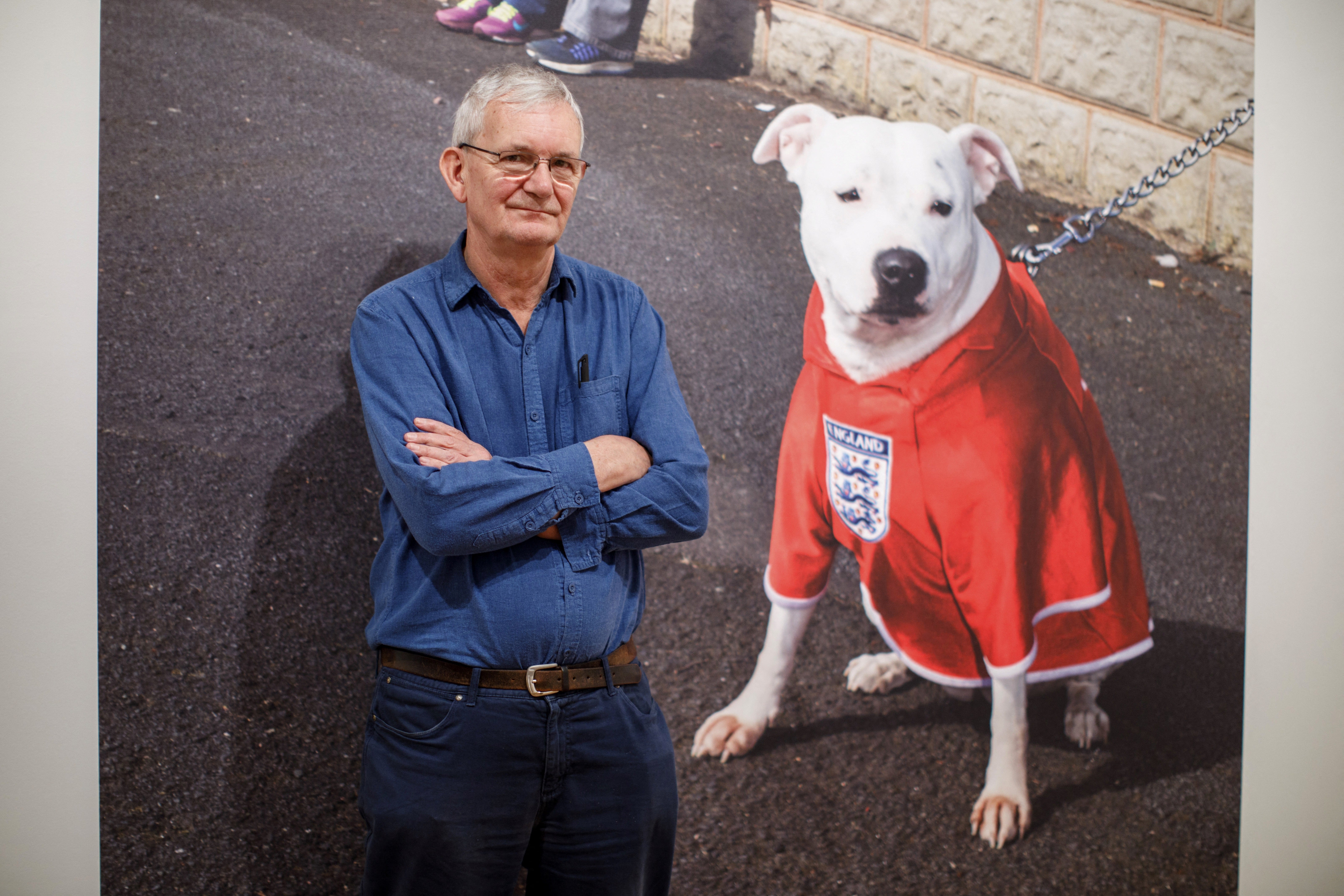
This would eventually help to change how photography was seen by both curators and audiences. Indeed, other photographers – like Tom Wood, Anna Fox, Peter Mitchell and Paul Reas – helped to pioneer “serious” colour, but Parr was arguably the foremost talent. His critics would do well to remember that they might not now be taking those arty images on their phones and thinking they could be a bit more than snapshots, if it wasn’t for his work.
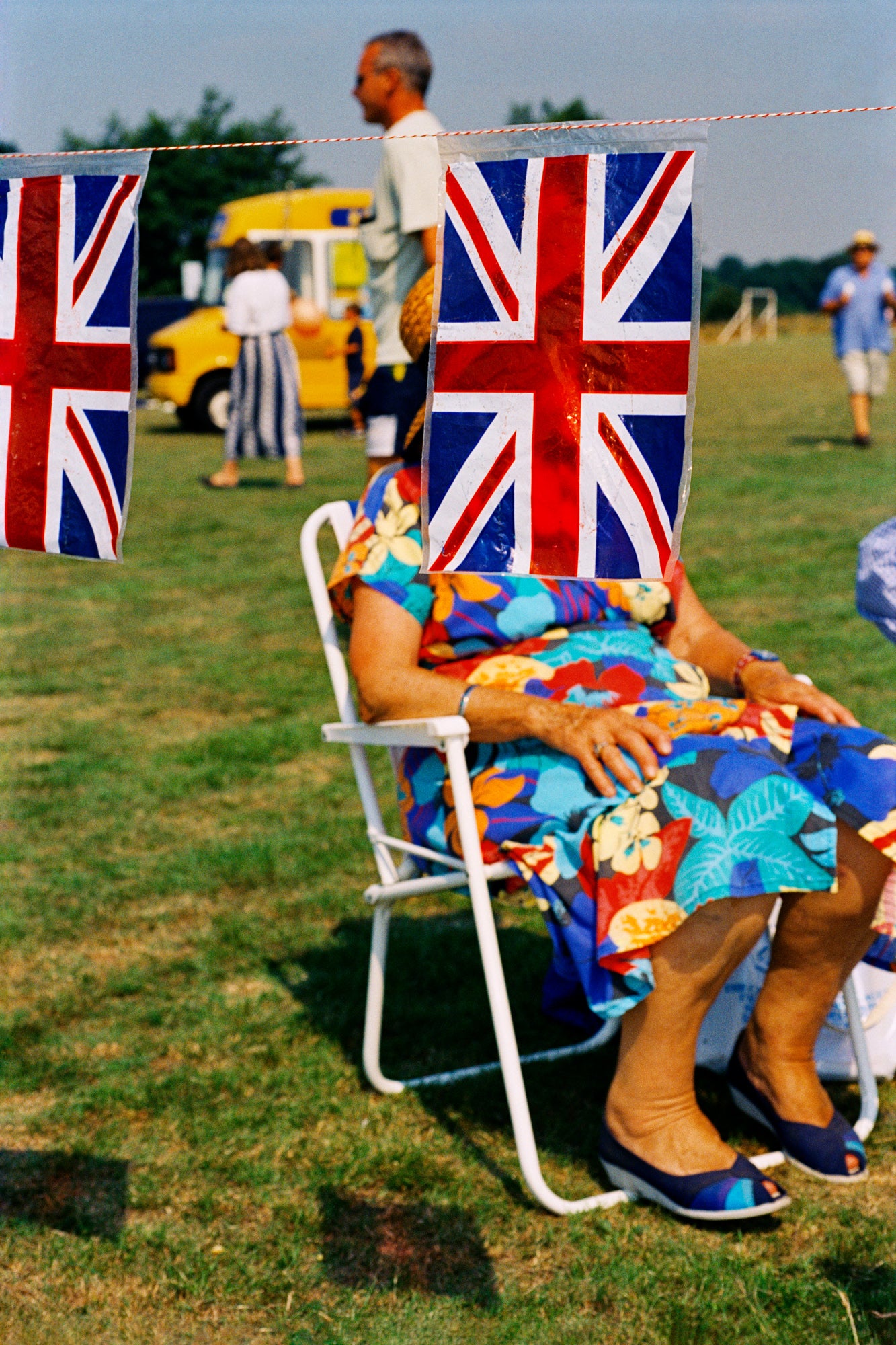
The same goes for the much-criticised detached feel. Parr didn’t invent it – much was borrowed from Eggleston, of course – but he did help to bring it to a mass audience by applying it to everyday British life. That approach has become one of the dominant aesthetics in contemporary photography, from travel to ecommerce to weddings.
“It’s not just about techniques, though,” adds Constantine. “It just isn’t true that he didn’t empathise with people. He clearly loved people, and you see his interest in them in his images. If you look deeply at the stories he is telling in the work, he was as much a humanist as anyone else. He just took Eggleston’s advice to be ‘at war with the obvious’.”
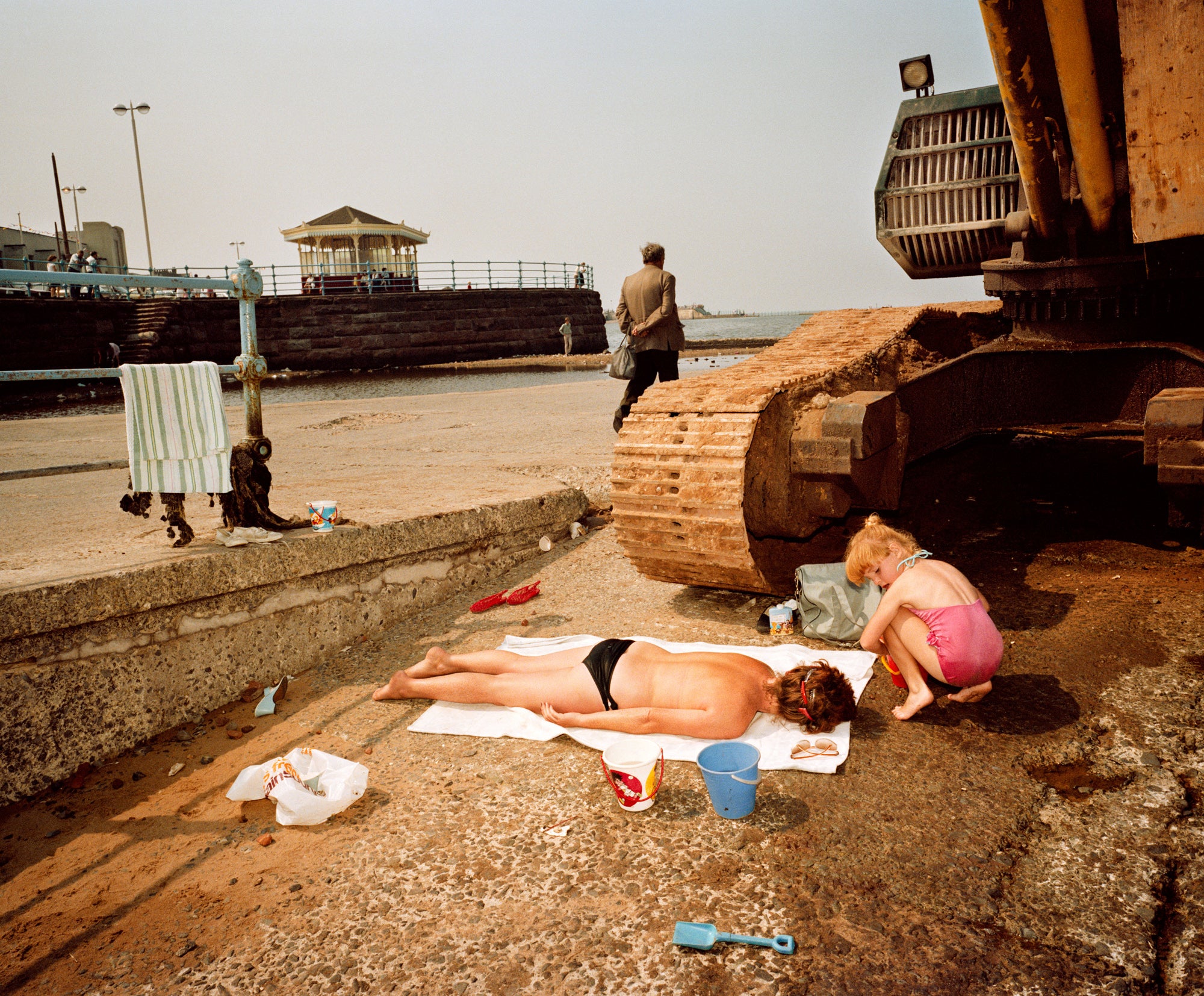
Notably, an awful lot of the “punching down” criticism comes from middle-class people speaking on behalf of working-class people. Generally, as Murtha found, the middle classes historically prefer images of the working classes that evoke pity, or “compassion” as it tends to be described in such circumstances, perhaps because other judgements would lay them open to accusations of not really knowing what they were talking about.
What is overlooked is that ordinary people are as able to laugh at themselves as much as anyone else. It is worth remembering that when Martin Parr first exhibited the New Brighton images, it was in Liverpool, and they went down well with the locals. It was when the critically minded bourgeoisie in the rest of the country came across them that objections were raised; maybe it was their own middle-class gaze, rather than his, that was at fault.
Join our commenting forum
Join thought-provoking conversations, follow other Independent readers and see their replies
Comments
Bookmark popover
Removed from bookmarks