The rise of ‘porch pirates’: How to stop them stealing your parcels (and get a refund if they do)
Britain is in the grip of a ‘porch piracy’ epidemic, as opportunistic thieves run away with our poorly secured deliveries. Katie Rosseinsky asks the experts what your rights are if your goods go missing from your doorstep.

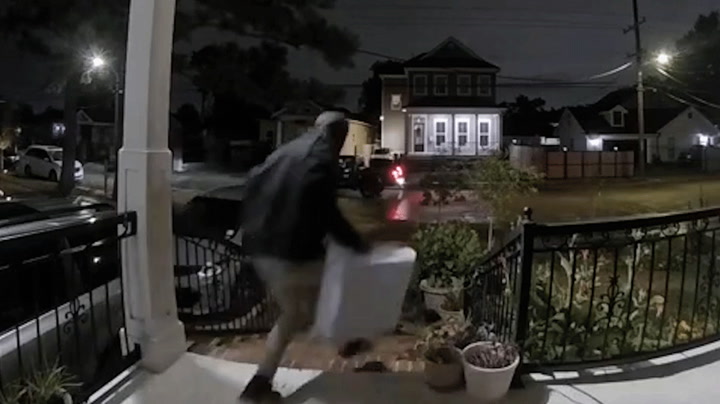
You’ve spent hours tracking down a bargain in the sales, or sourcing the perfect Christmas gift for that hard-to-please relative. A few days later, it’s nowhere to be seen, but the courier company claims it’s been “safely” delivered. Then a neighbour mentions they spotted someone roaming the street with a suspicious stack of brown parcels, and you realise you’ve fallen victim to a “porch pirate”.
Porch piracy – the act of pinching packages that are left outside on the doorstep, or in a so-called “safe place” – is becoming more common. According to data from tech company Quadient, sourced through Freedom of Information requests, £666.5m worth of parcels were stolen across the UK over the last year – an increase of £290m from 2024.
Quadient’s stats also suggest that 4.83 million homes have had at least one delivery taken, marking a 31 per cent rise from the previous year, while the average value of a stolen parcel has now reached £138. December is the peak month for doorstep thieving, doubtless due to the festive gift-buying rush, with November in a close second place, probably thanks to the bounty of Black Friday and Cyber Monday purchases.
Neighbourhood WhatsApp groups, local Facebook pages and NextDoor communities are all teeming with warnings and tip-offs, often complete with grainy security footage of the package snatcher in question, captured by a video doorbell. In many cases, porch piracy is quite literally daylight robbery, perpetrated by passing chancers who are happy to grab what they can. It’s an opportunistic crime, says thinkmoney’s consumer expert Vix Leyton. “It is low effort and low risk, and the rewards are constantly replenishing as we become more and more reliant on online shopping and delivery,” she explains, adding that thousands of packages are left on doorsteps, in communal hallways, or tucked behind whatever object happens to be nearest.
Just yesterday, I had a parcel dumped unceremoniously in the reception area of my building – on top of the secure lockers precisely intended to do away with this kind of stress. And surely we’ve all seen the disgruntled social media posts from shoppers who have been sent a photo of their precious cargo placed “safely” on the mat in front of their home; the couriers might as well have hung a big red sign shouting “take me” on the door-knocker too.
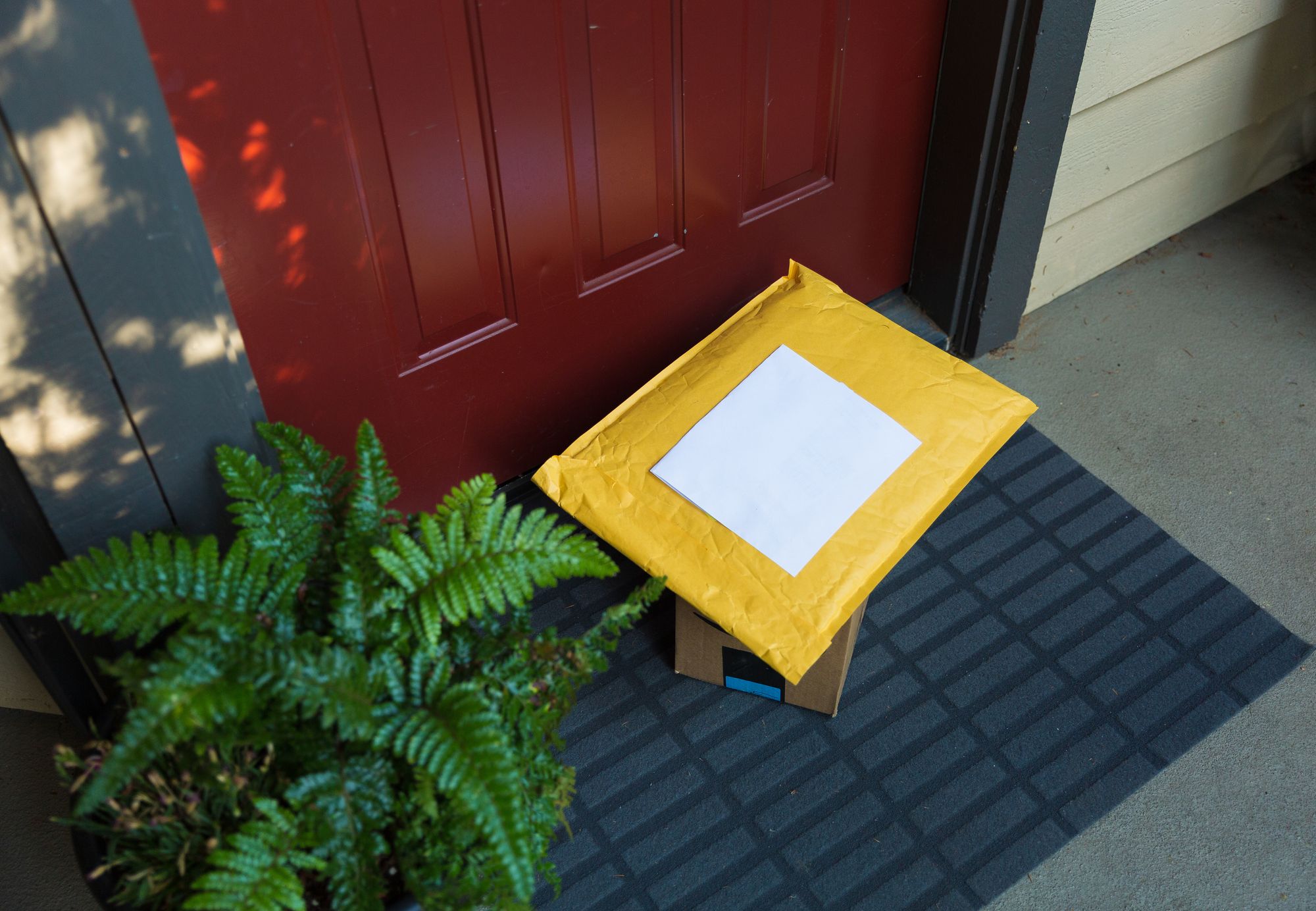
It’s worth bearing in mind, though, that while some delivery drivers receive an hourly rate, couriers also often work as independent contractors who get paid by the parcel. You can understand why they might need to rush from job to job, without waiting around for the recipient.
It is low effort and low risk, and the rewards are constantly replenishing
All these conditions, Leyton suggests, have basically created “a national treasure hunt for criminals”. Throw the cost of living crisis into the mix, she adds, “and you have even more people willing to take a punt on something that is not theirs”.
Olivia, a 33-year-old Londoner, believes that the issue is “endemic” in big blocks of flats, as would-be robbers “just ring the buzzers of all the flats until they are let in, and then take stuff”. She’s even had a birthday bouquet of flowers pinched by an opportunistic thief. “I just think it’s a really low move,” she says. “So you steal flowers and then either throw them [away] or give them to someone else, and that person opens them to find a card to the original recipient?” Not exactly the most romantic gesture.
These thefts are arguably even more frustrating when the goods in question are something that no one else would have much use for. You can understand why a hi-tech gadget might get nicked and repurposed as someone else’s Christmas present. But what about when an eagle-eyed robber runs off with a box of prescription contact lenses, designed to be worn by you and only you?
That’s exactly what happened to Becky, 27, earlier this year. “It shouldn’t have been a problem in the first place, though, because the boxes are designed to fit through letter boxes, but it was left on the front door step instead,” she explains. “There were only three minutes between the delivery notice email and me arriving home to find the package gone.”
It’s not just homes that are at risk of such brazen thefts, but businesses too. Phil Howard, chef patron at the Michelin-starred Elystan Street, recently shared footage showing a woman walking off with £200 worth of langoustines after picking them up from the porch of the restaurant’s Chelsea premises. “Caught stealing our precious langoustines this morning, you lowlife scumbag,” he wrote on Instagram. And earlier in November, a woman was caught on camera stealing £800 worth of meat from outside Galvin La Chapelle, another Michelin-starred establishment.
So what exactly are your rights when a porch pirate strikes? “Under consumer law, it is the seller who is responsible for making sure parcels are delivered,” explains Katrina Anderson, a regulatory lawyer at Mills & Reeve, who advises businesses on their relationships with consumers. “If you think your parcel has been stolen from your porch, the first step should be to contact the company that sent the package – usually the retailer.”
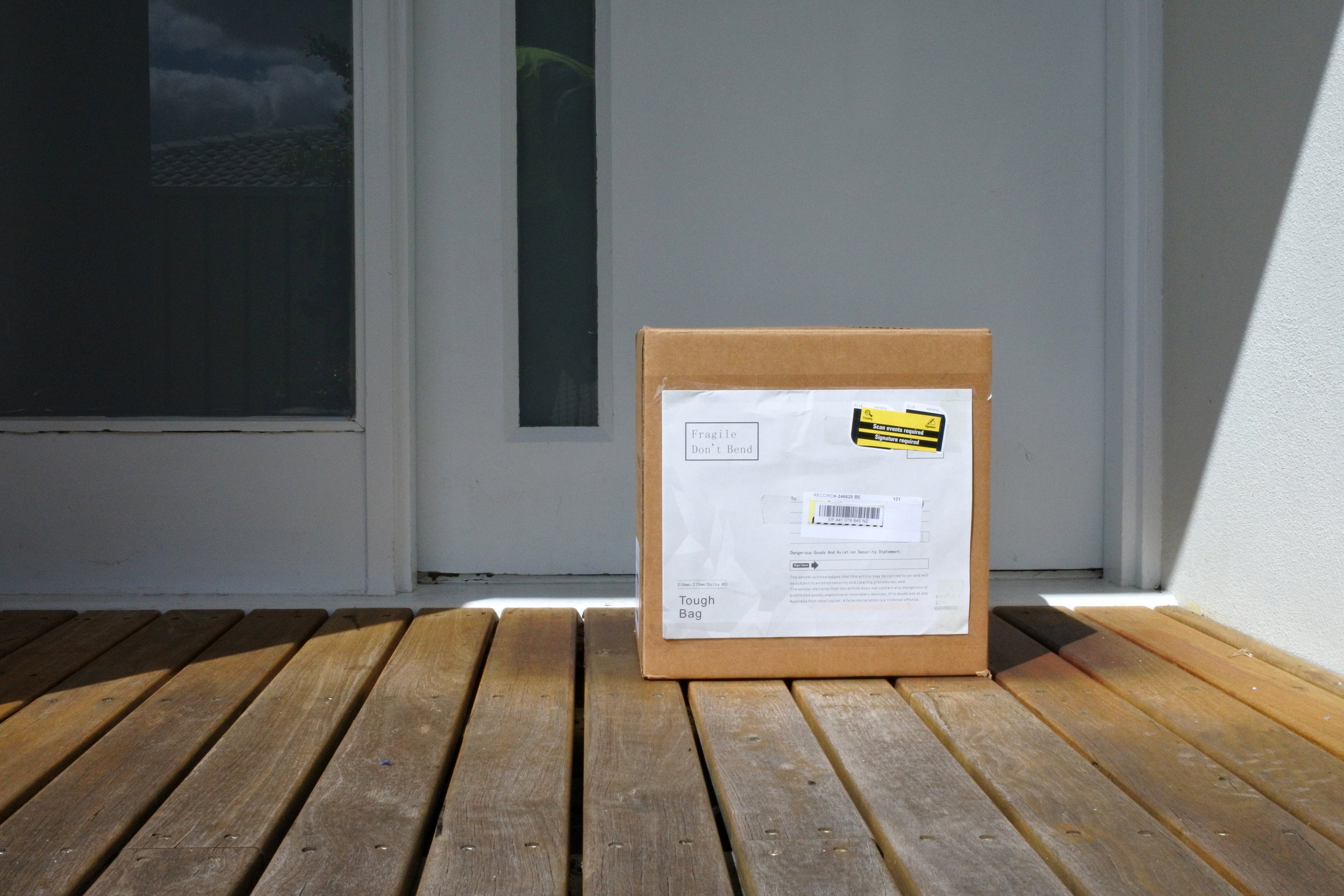
This might feel counterintuitive, she notes, because the courier is usually the last company to have your parcel and communicate with you about it. “But your legal contract is with the retailer, and as the seller, they should contact the courier to find out what’s happened to the parcel.” If your package is stolen, missing or damaged, and you did not take physical possession of it, Anderson adds, they should offer you a refund or a replacement.
Things get a little more complex, though, if you’ve selected a specific “safe place”. If you’ve explicitly told the couriers that they can leave your delivery in the porch, for example, or tucked behind the bins, then you are essentially accepting the risk of any potential loss. “People need to be careful about any safe places that they designate,” says consumer expert Jane Hawkes, because if it is delivered there and then goes missing, “it could be deemed as received, and therefore it’s very difficult for you to argue your case”.
Equally, though, the delivery company can’t just decide that a certain spot is safe on your behalf. And “if the parcel was left somewhere you didn’t designate” – if it was chucked in a bin or on the doorstep, for example, without your assent – “you can still expect the retailer to rectify the issue because it wasn’t delivered securely, it wasn’t delivered as per agreement”, Hawkes says.
So what can you do to reduce the chances of a theft happening in the first place? “The best tactic is to remove the opportunity altogether,” says Leyton. That might mean opting for your package to be sent to a pick-up locker or a local shop, to “stop the parcel sitting outside like an abandoned gift”. Even if there is an additional cost for this, she suggests you “weigh it up versus the cost and the administration of a lost item”, and factor in the amount of time you may have to spend fighting with a customer service bot at a time of year that’s already fraught.
A video doorbell could also work as a deterrent, but even a “dummy” camera or a “CCTV in operation” sign might do the job, Hawkes suggests, because would-be thieves won’t necessarily know that you’re bluffing. “They won’t have time to check all that,” she says. “They’re not going to take their chances.”
Alternatively, there’s always hope that the thief will be so disappointed by your order that they’ll kindly bring the offending item back. One friend recalls how a neighbour pinched her Amazon parcel, only to return the torn package when they realised it was a mere novel. “They opened it, saw it was a historical romance and thought, ‘nah, not good enough to steal’,” she says. At least she saw the funny side.
Join our commenting forum
Join thought-provoking conversations, follow other Independent readers and see their replies
Comments
Bookmark popover
Removed from bookmarks