From stolen wine to langoustine: How high-end thieves are fuelling a festive food crime wave
From 3,000 bottles of wine to 22 tonnes of stolen cheese and boxes of langoustine, large-scale food theft is becoming big business. Emma Henderson investigates how inflation, organised crime and a taste for the finer things are fuelling a new black market in festive food


It says something about the state of food in 2025 that even Michelin kitchens can’t keep hold of their ingredients. In London this week, Elystan Street released CCTV footage that appeared to show a woman picking up a box of langoustines from outside the restaurant’s Chelsea kitchen. Staff believe around £300 of seafood was taken. After the video went viral, police confirmed they are investigating.
A few miles away at Galvin La Chapelle, staff say they checked their own CCTV and realised they may have been targeted in a similar way earlier this month. Their footage appears to show a person in similar clothing moving through an outdoor delivery area before leaving with what the restaurant says was around £800 worth of meat. It is not known whether police are investigating this incident. At the time of reporting, The Independent understands no arrests have been made.
And it isn’t just London. In France, police are hunting thieves who stole €90,000 (£78,000) worth of snails – an entire year’s production – from one of the country’s most respected snail farms. The haul, 450kg of escargots destined for Michelin-starred restaurants in Champagne, was so vast and so targeted that officers believe a highly organised network was behind it. They stole enough for 10,000 meals, producer Jean-Mathieu Dauvergne said, describing the break-in as a “tough blow” that wiped out his whole season.
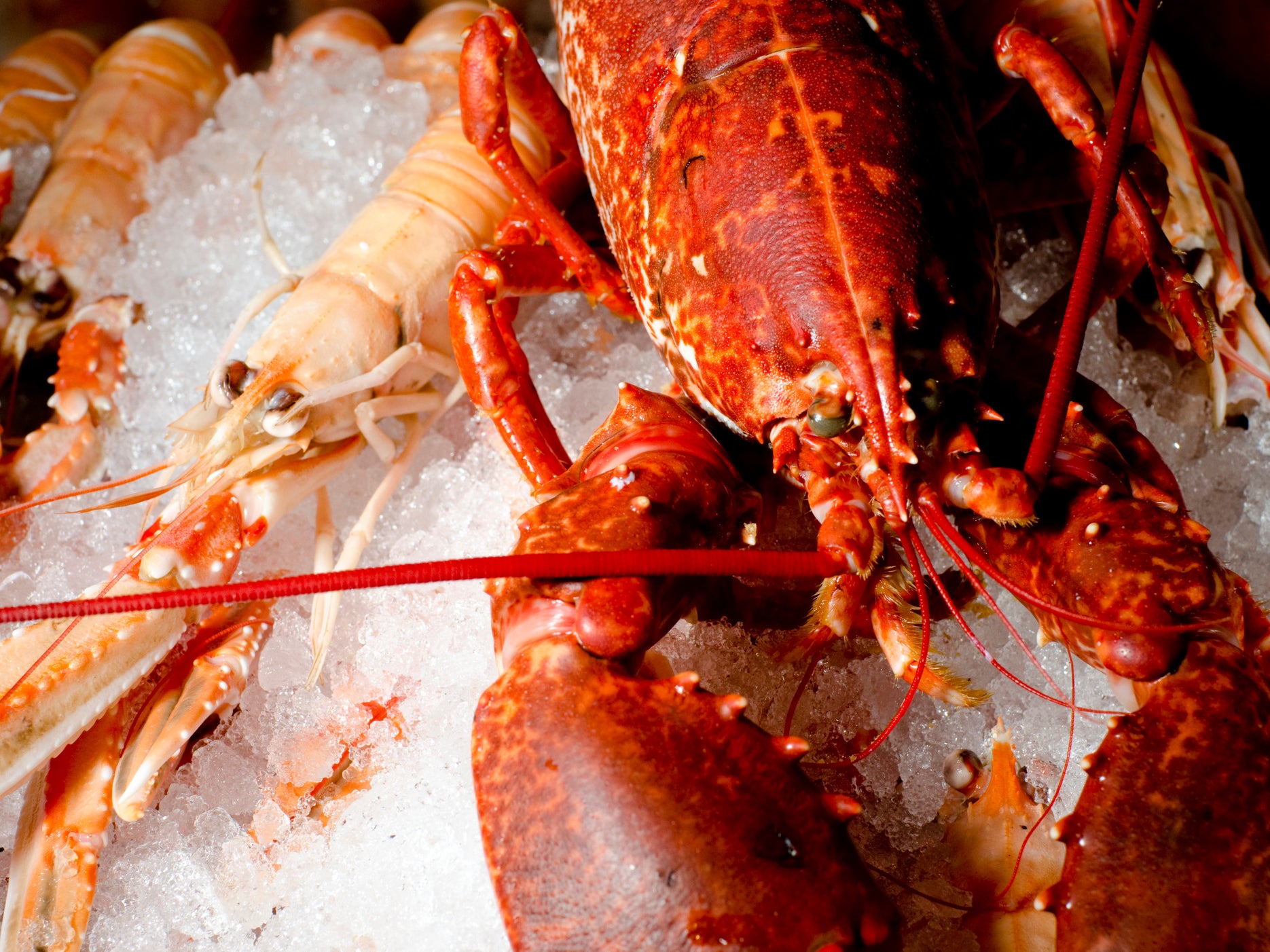
What links the Chelsea langoustines, the Spitalfields meat and the Champagne snails is not just the audacity, but the precision. These aren’t opportunistic nicks. They’re planned, deliberate strikes on high-value food – and chefs, producers and police across Europe say they’re becoming more frequent, more coordinated, and significantly more damaging.
When Svitlana Tsybak’s logistics manager rang at 8am on a Monday, she knew something was wrong. “We’ve got a problem,” he told her.
It’s the sort of call anyone would dread, let alone a small business owner waiting for a huge lorryload of wine to arrive from Ukraine. The news was grim: there had been a theft from the lorry during a stop at an overnight service station. But even then, the true scale of the loss wasn’t yet clear.
As an importer and producer of Ukrainian wine, Tsybak, owner and CEO of Ukrainian Wines Company UK, had been eagerly awaiting the 11-pallet shipment from Ukraine, equating to 8,000 bottles. Much of it was sparkling wine, ordered months earlier in preparation for the busy festive period. “I ordered a lot of sparkling wine in time for Christmas, as it had been out of stock for seven months,” she explains. Most of it had come from the southern region of Ukraine, an incredibly dangerous place to be producing wine because of the ongoing Russian invasion. “They can’t harvest properly because of the drones around the vineyards,” she explains.
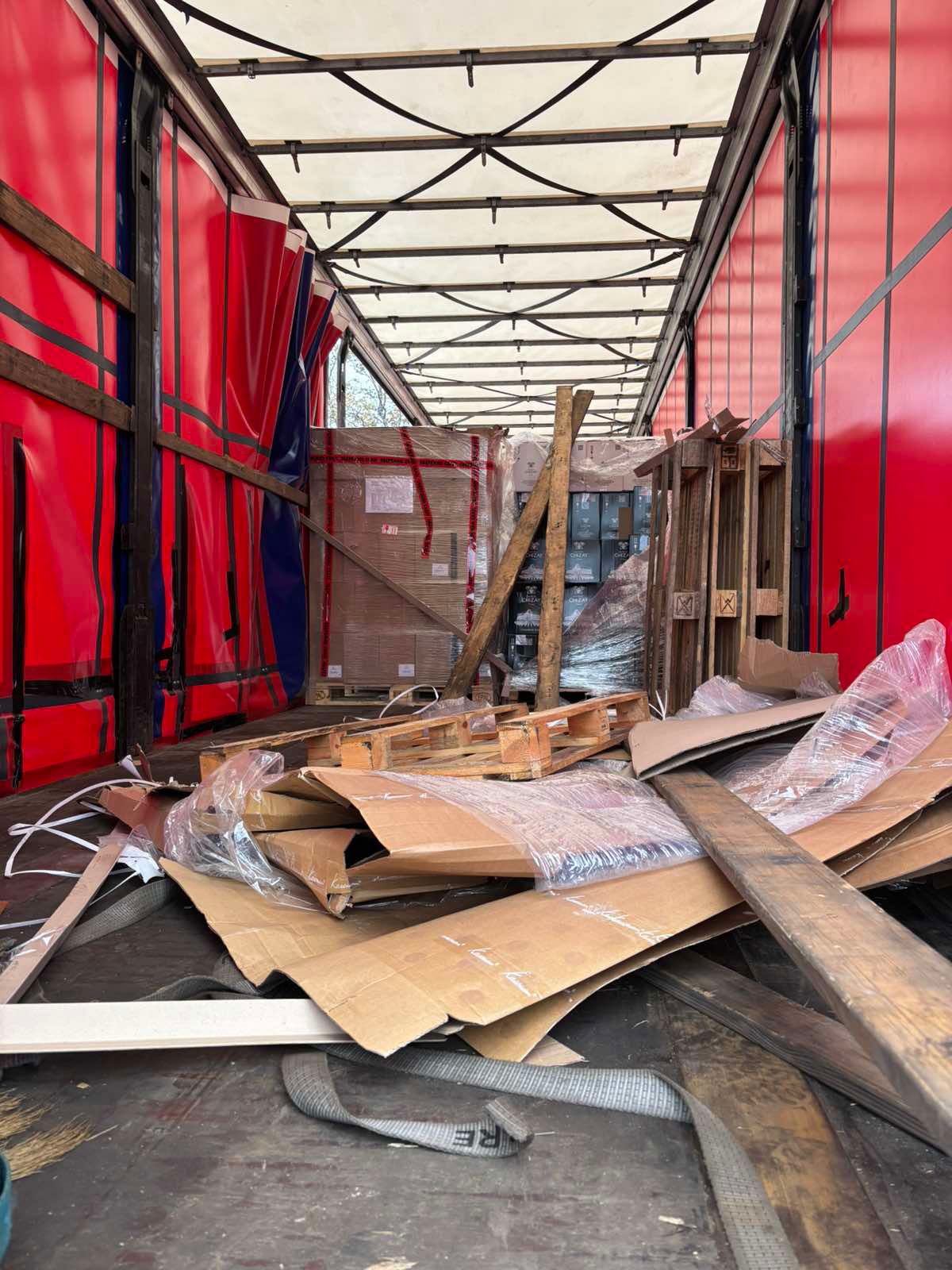
Tsybak, still in shock, hoped they’d only lost 10 or 20 cases. But when the driver finally arrived at the warehouse, the team realised five pallets had been stolen – a total of 3,000 bottles. “I couldn’t imagine how it was possible to take 3,000 bottles from the lorry in about 30 minutes,” she says.
 ‘One for me, one for you’: Inside the mindset of a brazen shoplifter – and how they are getting away with it
 Britain has turned from a nation of shopkeepers into a nation of shoplifters – and we’re all paying a shocking price
 I watched shoplifters empty shelf after shelf in Boots and make mugs out of paying customers like me
Instead of just taking the pallets whole, CCTV footage showed that the thieves unwrapped them and handpicked the most expensive wines. The driver had parked near a camera, and at 3am, five people were caught unloading the contents of the lorry into a white van until it was full. All of the sparkling wine had gone. “They knew what they needed to steal before Christmas,” Tsybak adds. “It’s the best traditional-method sparkling wine from Ukraine.”
The total loss of just the wine was €20,000 (£18,000), not including taxes, import and broker fees, transport or other costs. For Tsybak, the impact was catastrophic. “We’re now struggling to cover this loss, and I don’t have the products to sell to get the money to pay them back, nor the in-demand products that people want,” she says. “I don’t have a big margin on the wines because Ukrainian wines are not very competitive or well known.”
To make matters worse, the police never attended the scene. And despite there being clear CCTV footage, the case was later closed after officers, rather unhelpfully, told her that thefts like this happen all the time.
Food writer and chef Olia Hercules posted about the wine theft on her Instagram, asking anyone who might see suspiciously cheap Ukrainian wine to report it to the police or to Tsybak directly. A few days later, Tsybak was contacted by someone who had seen bottles of sparkling wine being sold at a car boot sale in London. They bought one for £7 – a third of Tsybak’s shelf price of £20 – to show her. She was almost certain it was from her stolen shipment, as the particular wine had been sold out for months and was unavailable anywhere else. Again, the police said they couldn’t do anything.
Unfortunately, it’s just the latest in a long line of big food thefts, scams and fraudulent schemes that have plagued producers and retailers alike in recent years.
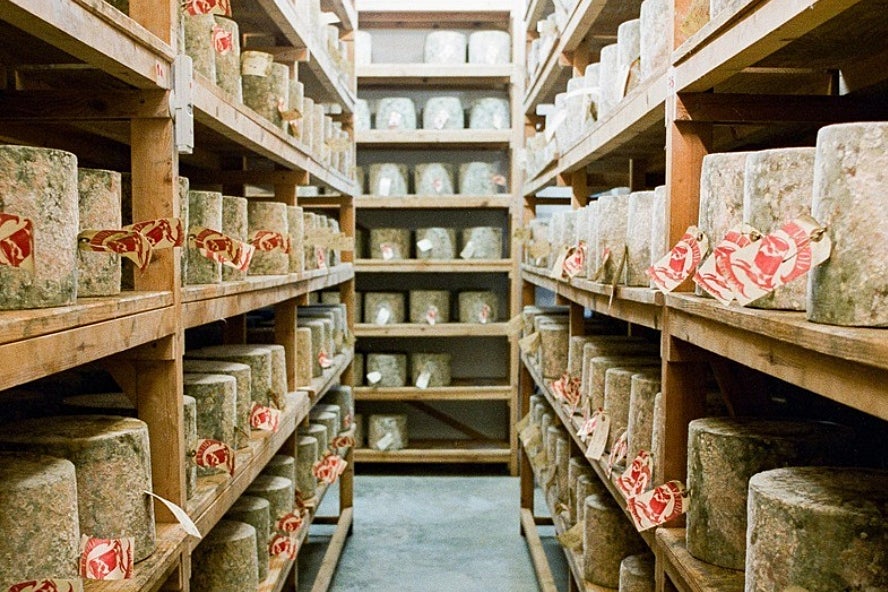
In one of the UK’s most audacious recent scams, a staggering £300,000 worth of cheese, weighing 22 tonnes, disappeared from Neal’s Yard Dairy. The con played out over several months, with fraudsters posing as wholesale distributors for a French retailer. When the huge order was placed, it seemed legitimate – until the 950 wheels of Somerset’s finest Westcombe Cheddar never arrived. A man was arrested, but not charged, and the cheese was never recovered.
Neal’s Yard suspected the cheese had been exported to Russia or the Middle East to be sold, given how difficult it would be to sell such a vast quantity in the UK or Europe before it expired. So prevalent is cheese theft around the world that one of Italy’s most prized exports, parmesan wheels, now contain edible microchips to help prevent the £3m-worth of thefts every year.
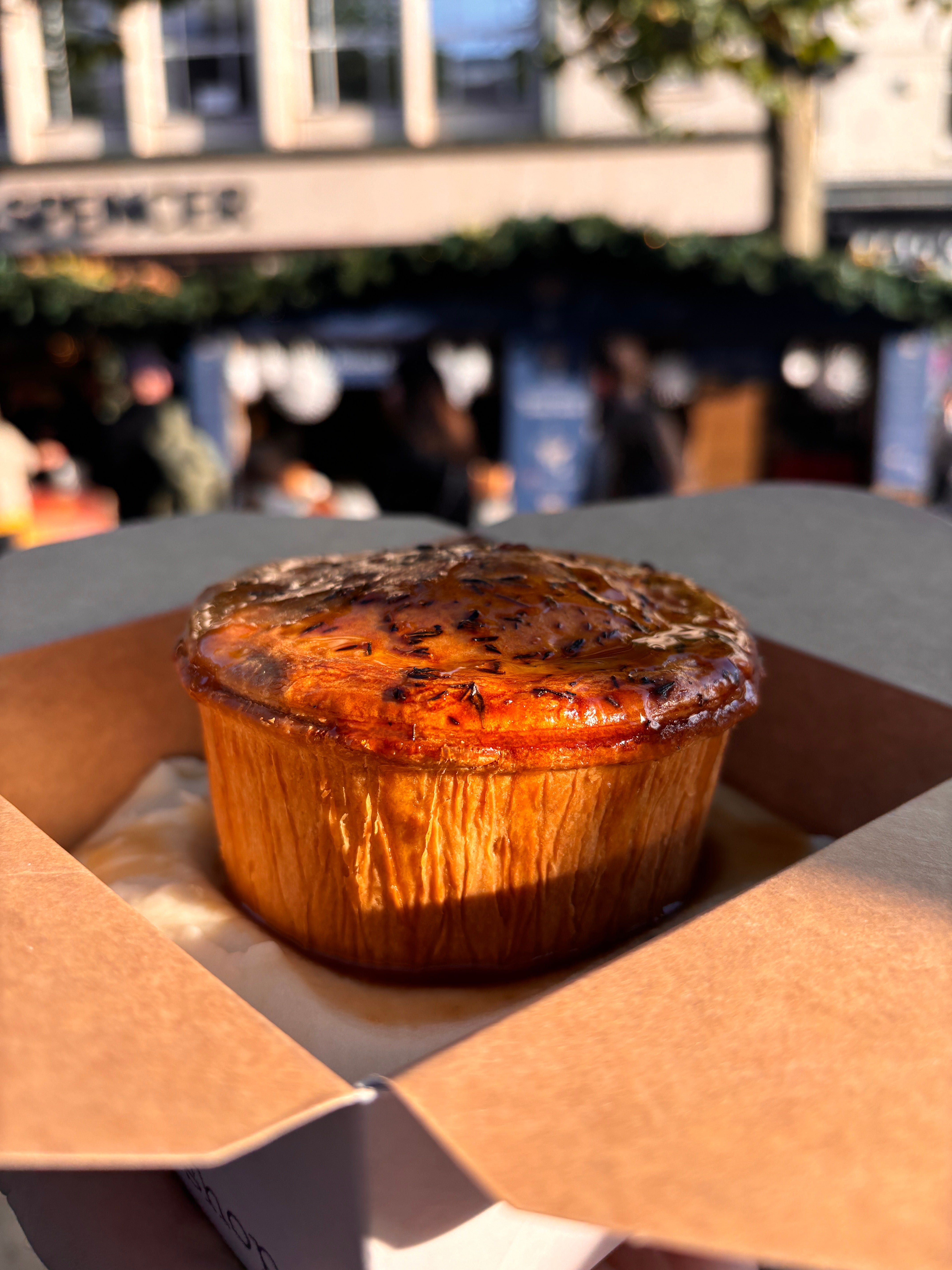
And this time last year, Michelin-starred chef Tommy Banks, based in Yorkshire, had a refrigerated van of 2,500 handmade pies destined for a festive pop-up food market stolen. “The team is very gutted because it’s days and days of work gone,” he told the BBC. “Vans get replaced on insurance, but all that work and all those ingredients... just nicked.”
The pies, including turkey and cranberry, steak and ale, and butternut squash varieties, were worth an estimated £25,000. Banks posted on Instagram appealing to the thieves to donate the pies to a food bank instead. Though the van and pies were later found, they were so badly damaged that everything had to be written off – a tragic waste of food and effort.
Most recently, Thomas Robinson, who made £550,000 from selling “Scottish-grown tea” to high-end hotel chains, was jailed for three and a half years. He claimed the tea had been cultivated on a Perthshire estate and credited “innovative growing techniques”. And with prices continuing to rise for extra-virgin olive oil due to poor harvests, one producer in Greece lost 37 tonnes of oil, estimated to be worth £225,000, siphoned off directly from the site. In Spain, vast quantities of jamon have been stolen, while in Canada, organised criminals are targeting maple syrup.
It’s not just the world of fine foods and big-scale imports that are affected. Organised, targeted food theft is increasingly happening on our high streets, too.
The British Retail Consortium (BRC) reports that supermarket food theft is now at a record high, with losses totalling £2.2bn in 2023/24. And with new figures showing food inflation rising again despite a fall in overall inflation, retailers say the squeeze on household budgets is only intensifying the problem. When everyday essentials cost more, high-value items like olive oil and steak become even more attractive targets – not just for cash-strapped shoppers, but for the organised gangs looking to flip them for a quick buck.
We’ve all seen more products with security tags, and others behind plastic screens or counters. Tom Holder, a spokesperson for the BRC, says: “We believe that organised gangs are playing a significant part in the rise of thefts. We generally see theft of higher-value items. And when someone is stealing 10 bottles of olive oil, they’re not doing it for themselves – it’s to sell on. It’s a hallmark of organised crime.”
In response, supermarkets are now spending £1.8bn a year on anti-crime measures, including more security staff, bodycams, security tags, protective screens, and large security hubs where footage is monitored and analysed 24/7. Combined, that’s £4.2bn that could be invested in jobs or offering customers better prices. “Retail crime punishes honest shoppers, because it contributes to pushing the prices up of goods for all of us,” Holder adds.
For Tsybak, the experience remains raw. She’s still struggling to cover the loss, and without the in-demand wines to sell, paying producers back will take months.
And just like that devastating early-morning phone call, the news that food prices are set to rise again is not something anyone wants to hear. But it’s part of a growing global reality: from stolen sparkling wine to hijacked cheese wheels and supermarket olive oil, food has become one of the most stolen commodities in the world – and the cost, in the end, is one we all pay.
Join our commenting forum
Join thought-provoking conversations, follow other Independent readers and see their replies
Comments
Bookmark popover
Removed from bookmarks