This Texas-based grocery chain is the best in the U.S., according to a new report
For the first time in Dunnhumby RPI’s history, the top three grocers are all regional chains, beating national brands
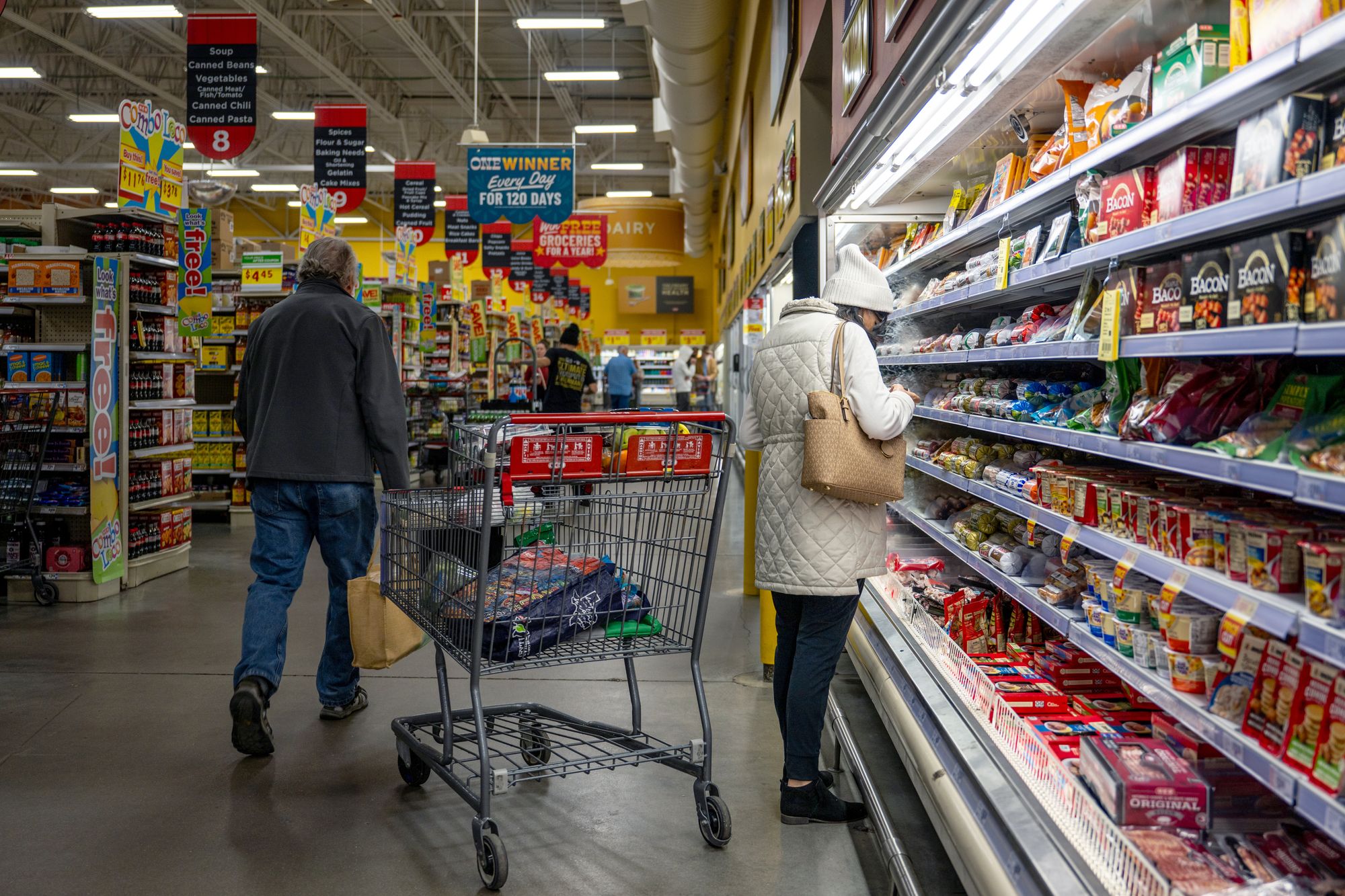
A Texas‑based supermarket chain is once again the top grocery retailer in the United States, according to a new industry ranking, as it continues to capitalize on changing shopper priorities and economic uncertainty.
For the fifth time in nine years, H‑E‑B, the San Antonio‑headquartered grocery operator, claimed the No. 1 spot in Dunnhumby’s ninth annual Retailer Preference Index, a data‑driven assessment of more than 80 national and regional supermarket brands.
H-E-B operates between 430 and 450 stores in Texas and Mexico, mainly expanding within the Lone Star State.
According to the study, quoted in Food & Wine, Market Basket, based in New England, finished second for the second time, while Wisconsin’s Woodman’s secured third place, marking its first appearance in the top tier. For the first time in the history of the RPI, the top three grocers are all regional chains, outpacing larger national brands.
Completing the top 10 were Costco, Aldi, WinCo Foods, Trader Joe’s, Amazon, Wegmans and ShopRite.
.png)
Amazon slipped two spots, and Sam’s Club dropped six, mainly because its digital edge, once a big advantage, lost some of its weight in 2025, according to Dunnhumby. Neither made the top tier for price, promotions, rewards or quality.
The shift in consumer priorities is highlighted by Dunnhumby’s Consumer Trends Tracker, which shows that 56 percent of Americans cannot cover a $400 emergency, a figure that has worsened since December 2024
Meanwhile, 58 million Americans, more than the population of Canada, experience food insecurity, sometimes skipping meals due to affordability challenges.
“2025 threw a lot of curveballs at the U.S. consumer,” Matt O’Grady, President of the Americas for Dunnhumby, said in a statement. “Shopper confidence dropped as concerns about higher prices, fewer job opportunities, and stagnant wages eroded purchasing power. Consumers across all income levels are feeling the squeeze and making more price-conscious choices. In this environment, building trust with American shoppers has never been more critical.”
The Dunnhumby RPI uniquely ranks grocers by combining financial performance with customer perception. It covers the 81 largest retailers selling everyday food and household items, using financial data from Flywheel and survey responses from over 11,000 U.S. grocery shoppers. The five key drivers of customer value are price, promotions and rewards, quality, digital, operations, and speed and convenience.
The recent analysis also found that U.S. consumers prioritize saving money on groceries more than their peers in other developed countries, driven by higher rates of insecurity in basic human needs.
The study also found that quality and value are increasingly converging in the retail sector. Savings-focused retailers like Walmart and Aldi are narrowing the quality perception gap with traditional competitors while maintaining a price advantage.
As a result, quality has become a key competitive differentiator alongside affordability, reshaping how grocers attract and retain shoppers.
Join our commenting forum
Join thought-provoking conversations, follow other Independent readers and see their replies
Comments
Bookmark popover
Removed from bookmarks