The Independent's journalism is supported by our readers. When you purchase through links on our site, we may earn commission.
Olympic skater Alyssa Liu’s ‘smiley’ piercing may look cool - but the trend poses serious health risks
The athlete did the piercings herself. But dentists say doing so could leave people vulnerable to serious infections


After winning a gold medal at the 2026 Winter Olympics, photographers zeroed in on U.S. figure skater Alyssa Liu’s teeth - and the silver spikes that appeared to hover over them.
The 20-year-old athlete, from California, has what’s called a frenulum or “smiley” piercing, one thatpierces the skin connecting the gums to the upper lip.
Liu did the piercing herself, she explained in an interview before the games.
But while the body jewelry may look cool, experts warn getting these piercings come with a risk of infection and can damage oral health.
Mouth piercings are particularly risky because of the millions of bacteria that live in our mouths, according to Colgate. “There's a greater risk of infection when you pierce the inside of your mouth versus getting your ears pierced because of the bacteria,” the mouth care brand says.

Infections can easily develop following oral piercings if the jewelry and surrounding areas are improperly cleaned or touched with dirty hands.
Infection can lead to gum disease that causes teeth to fall out, and inflammation that may result in irreversible receding gums, exposing the sensitive roots of the teeth.
In much rarer cases, people can also develop Hepatitis B, C, D, E and G, oral hygiene brands Crest and Oral B note. They may also be infected with tuberculosis, HIV/AIDS, fungal and bacterial infections like candidiasis and cellulitis or even the heart valve infection, endocarditis.
“Smiley piercings are done on a very sensitive area, and it requires adequate care; otherwise, it can lead to infection and cause adverse effects,” Rodeo Dental Care cautions.
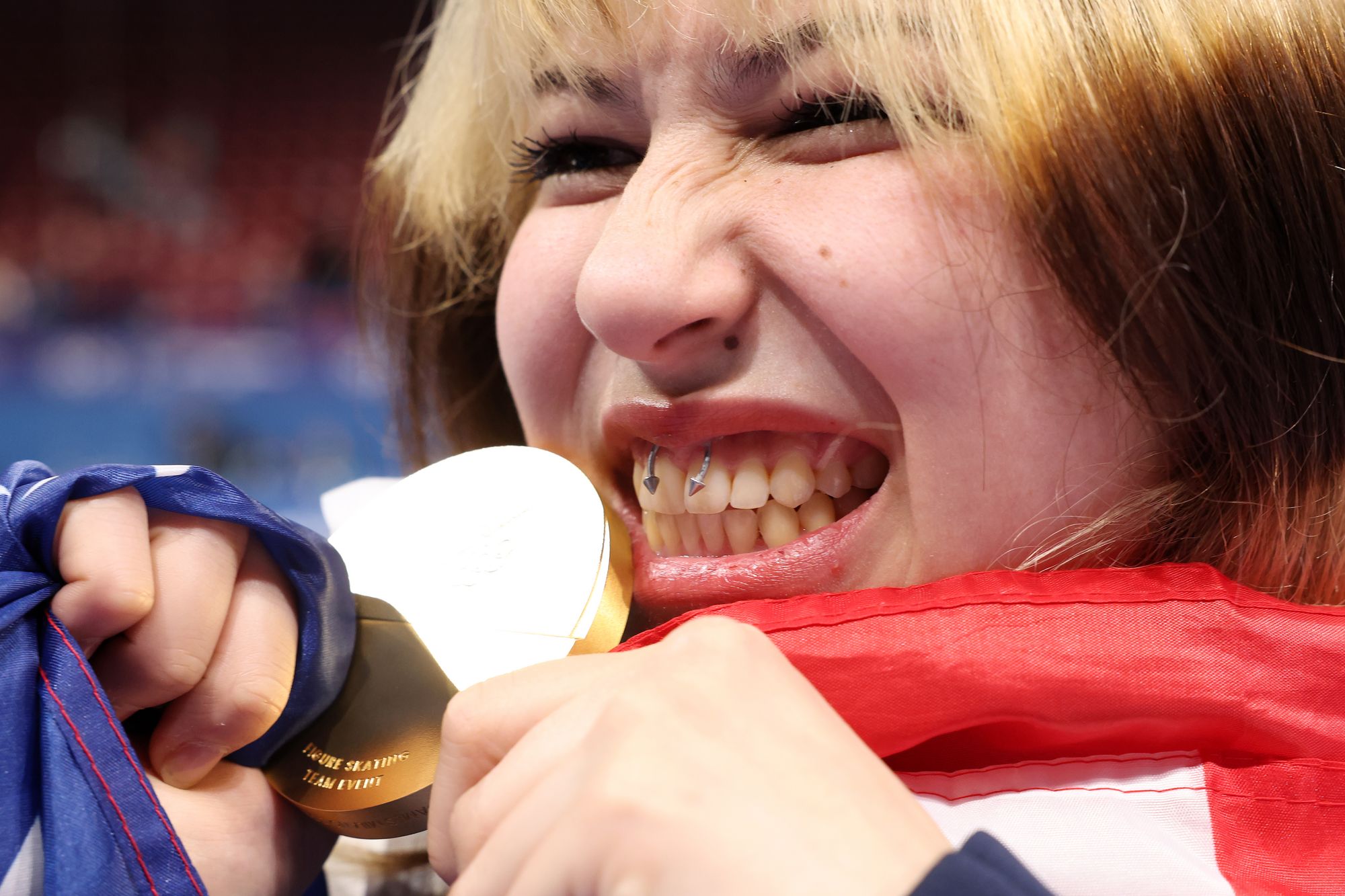
These piercings can bring about other issues for the teeth and mouth. Piercings can lead to swelling, bleeding, bruising, nerve damage, inflammation and traumatized tissue around the piercing site. They can even impact taste and saliva production.
The metal piercing can harm teeth over time, as well, because of its near-constant movement in the mouth.
It can bump and scratch the teeth, resulting in enamel erosion and cracked or chipped teeth. Enamel protects against tooth decay, and it wears away over time.
All of these risks are why it’s important not to “DIY” your piercings, dentists say.
“After understanding the risks, if you still decide to get an oral piercing make sure the procedure is performed by a trained professional who uses sterile instruments,” advises cosmetic dentist Dr. Edward Liu. “Consult with your dentist before getting an oral piercing to learn proper aftercare and maintenance that will help you reduce your risk of infection or complication.”
Join our commenting forum
Join thought-provoking conversations, follow other Independent readers and see their replies
Comments
Bookmark popover
Removed from bookmarks