One of your favorite hobbies could help slash dementia risk
More than seven million Americans live with dementia, including Alzheimer’s and Parkinson’s disease
It has long been established that music can benefit people living with dementia. Now scientists are investigating whether dancing can help as well.
Research has revealed that Alzheimer’s disease patients’ exposure to music can engage regions of the brain linked to emotion, memory and movement, with studies showing playing an instrument or singing in a group can help build connections between brain cells and improve attention.
But work is still emerging about the positive and preventative impacts of dance – movement that some experts say can help to delay the onset of dementia and improve debilitating symptoms.
“Studies show that activities requiring learning and memory – like dance – can stimulate neuroplasticity, the brain’s ability to form new neural connections,” Canada’s Baycrest Foundation, which monitors advancements in brain health and dementia, said in a statement.
“This enhanced brain activity helps keep the mind sharp and can even delay the onset of symptoms in those at risk for dementia.”
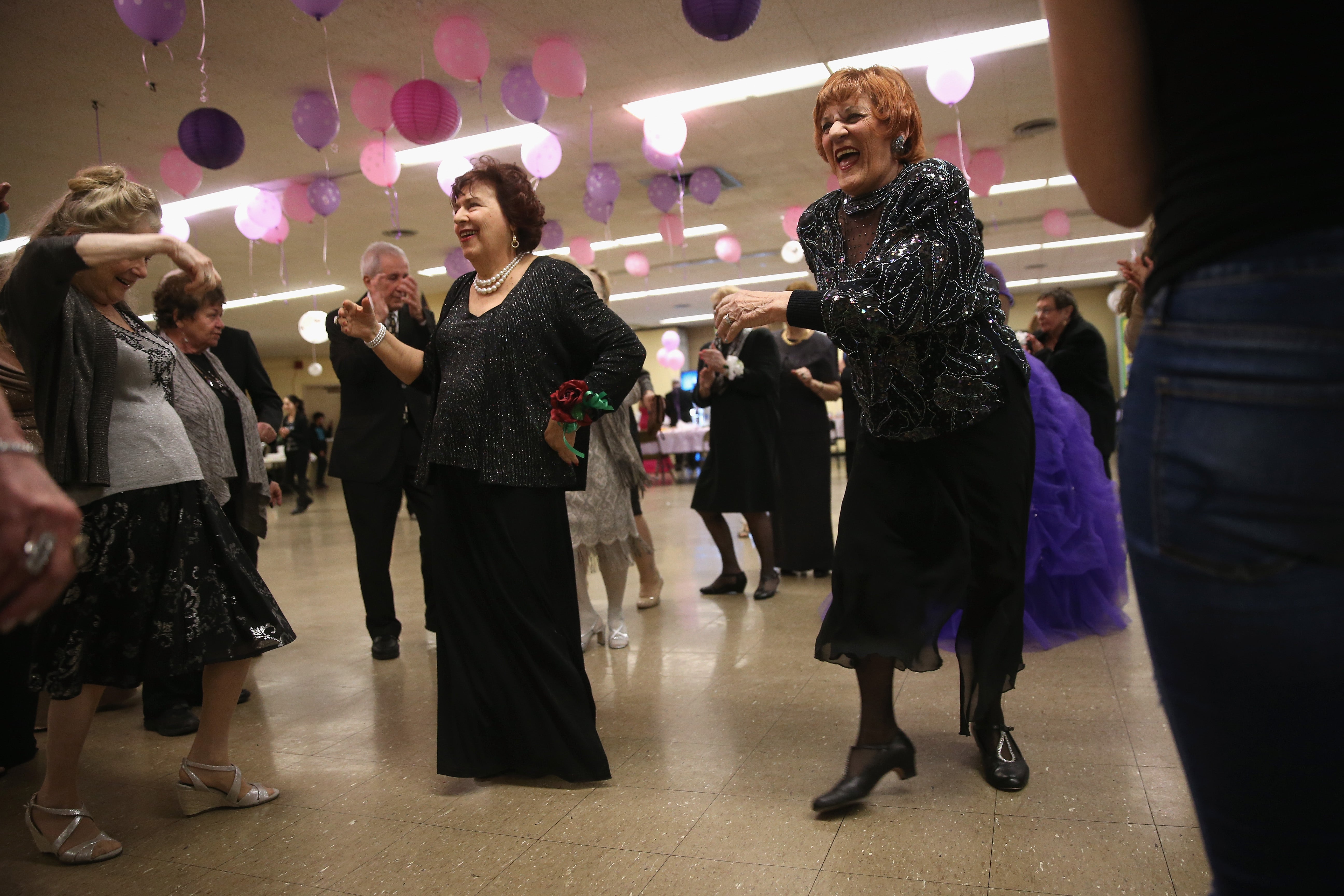
The combination of mental and physical work when we dance is what makes one of America’s favorite pastimes so beneficial.
Dancing, and dancing well, requires rhythm, timing, and coordination – especially with a partner. Certain types of dance may be more intricate, focus-intensive or strenuous than others, such as hip hop, step dancing or ballet.
"Dance engages many parts of the brain," York University researcher Simran Rooprai explained in a statement.
Rooprai was the lead author of a study published last year that found moving to Latin music for two years led to cognitive and stability improvements in people with Parkinson’s disease, the second-most common neurodegenerative disorder after Alzheimer’s.
"While dancing, you're listening to music, learning new steps, remembering the different sequences, and you're engaging with other dancers so you're aware of your surroundings. Dance is physical, mental, and social all at once."
The risk for all dementia rises as people age and become less mobile, and most people living with dementia are over 65 years old.
More than seven million Americans live with Alzheimer’s, and around one million are affected by Parkinson’s disease.
Where the research stands (and sways)
A 2025 review of past studies found that while research on dance as a potential therapy for dementia remains “scarce,” the activity improved mood and physical functioning in patients with dementia.
A 2017 study from German researchers showed dancing weekly over the course of 18 months could reverse signs of brain aging in the elderly.
Compared with endurance training, the authors of that study said dancing showed the most profound effect. However, both led to an increase in function in the hippocampus, which is a region of the brain that plays a crucial role in keeping balance as well as memory and learning.
“I think dancing is a powerful tool to set new challenges for body and mind, especially in older age,” Dr. Kathrin Rehfeld, lead author of the study who is based at the Magdeburg-based Center for Neurodegenerative Diseases, said in a release.
And a much larger 2003 study showed that other physical activities also weren’t as effective as dancing. Dancing more than once a week slashed the risk of dementia by a whopping 76 percent.
A groovier future for people with Parkinson’s
While a lot of the Parkinson’s-related research that has been published is observational, Dr. Daniel Tarsy, director of the Parkinson’s Disease and Movement Disorders Center at Beth Israel Deaconess Medical Center, told Harvard Medical School that “it’s consistent and there’s a lot of it.”
Tarsy noted that people with Parkinson’s “speak and walk better if they have a steady rhythmic cue.”
Still, experts say using dance therapy to treat Parkinson’s was initially met with some hesitation.
“There was one neurologist who told us, ‘I think the program is great. But I can never recommend it because dancing is a frivolous activity and that would tarnish my reputation as a serious doctor,’ ” David Leventhal, the director of the program Dance for PD, told Stanford Magazine in 2017.
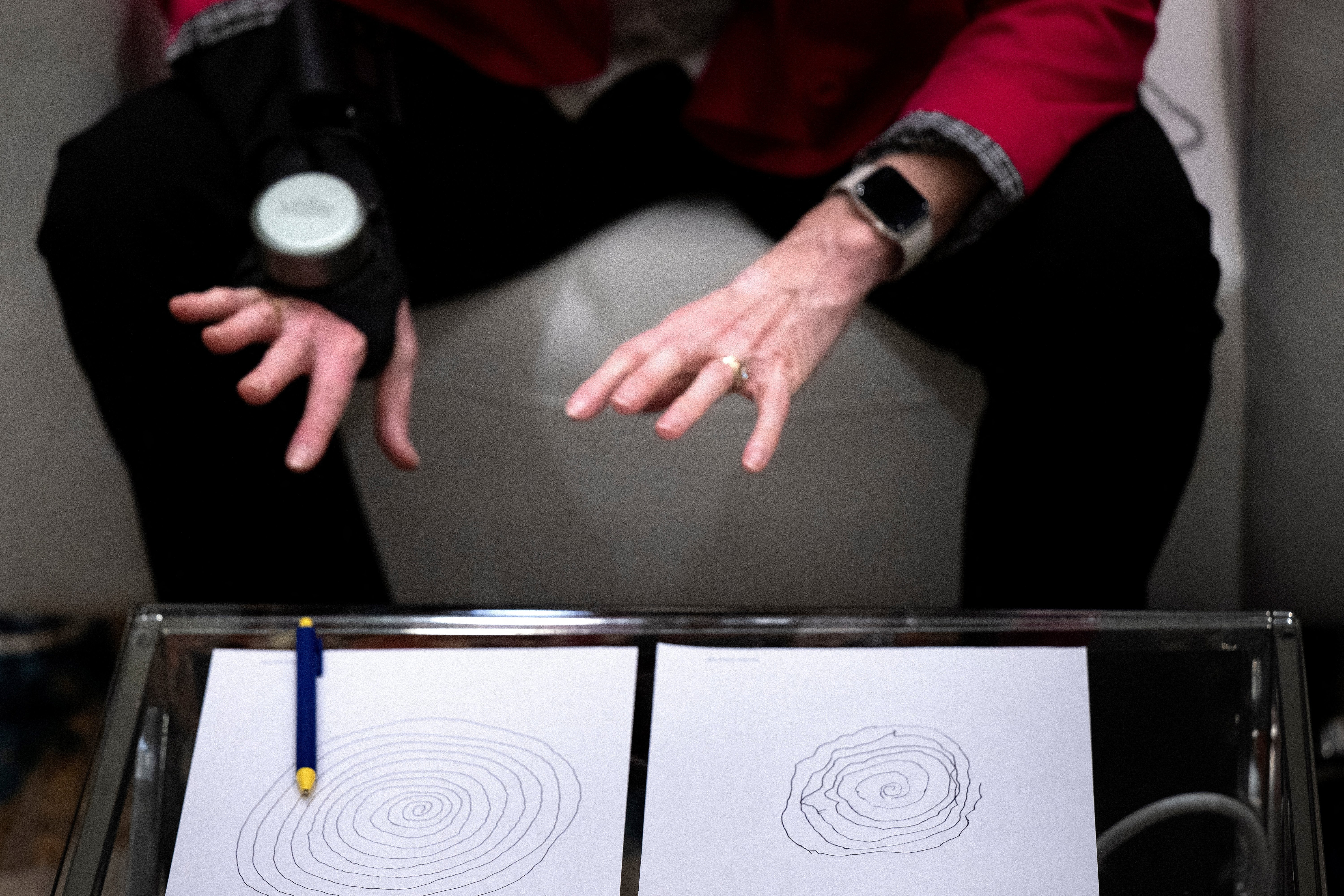
There are now multiple groups patients can join to stay mobile, build strength and keep engaged.
Dancing can help improve balance, alleviate stiffness and prevent tremors that can occur throughout the body, including the feet.
“With Parkinson’s disease, your movements can become stiff and slowed,” Vaishnavi Srivatsan, a neurological rehabilitation and certified brain injury specialist at Henry Ford Health, said. “Everything from posture, balance and ability to get around can become impaired, and over time, worsen.”
“Movements in dance allow for patients to work on their coordination, motor control, spatial memory and emotional expression – all which works to improve their confidence,” said Srivatsan.
Join our commenting forum
Join thought-provoking conversations, follow other Independent readers and see their replies
Comments
Bookmark popover
Removed from bookmarks