Not all ultra-processed foods are bad: The simple supermarket swaps to make to cut your risk
From yoghurt and bread to protein bars and sauces, not all ultra-processed foods are created equal. The smartest approach is small, repeatable supermarket swaps – and a better understanding of what matters and what really doesn’t, writes Hannah Twiggs

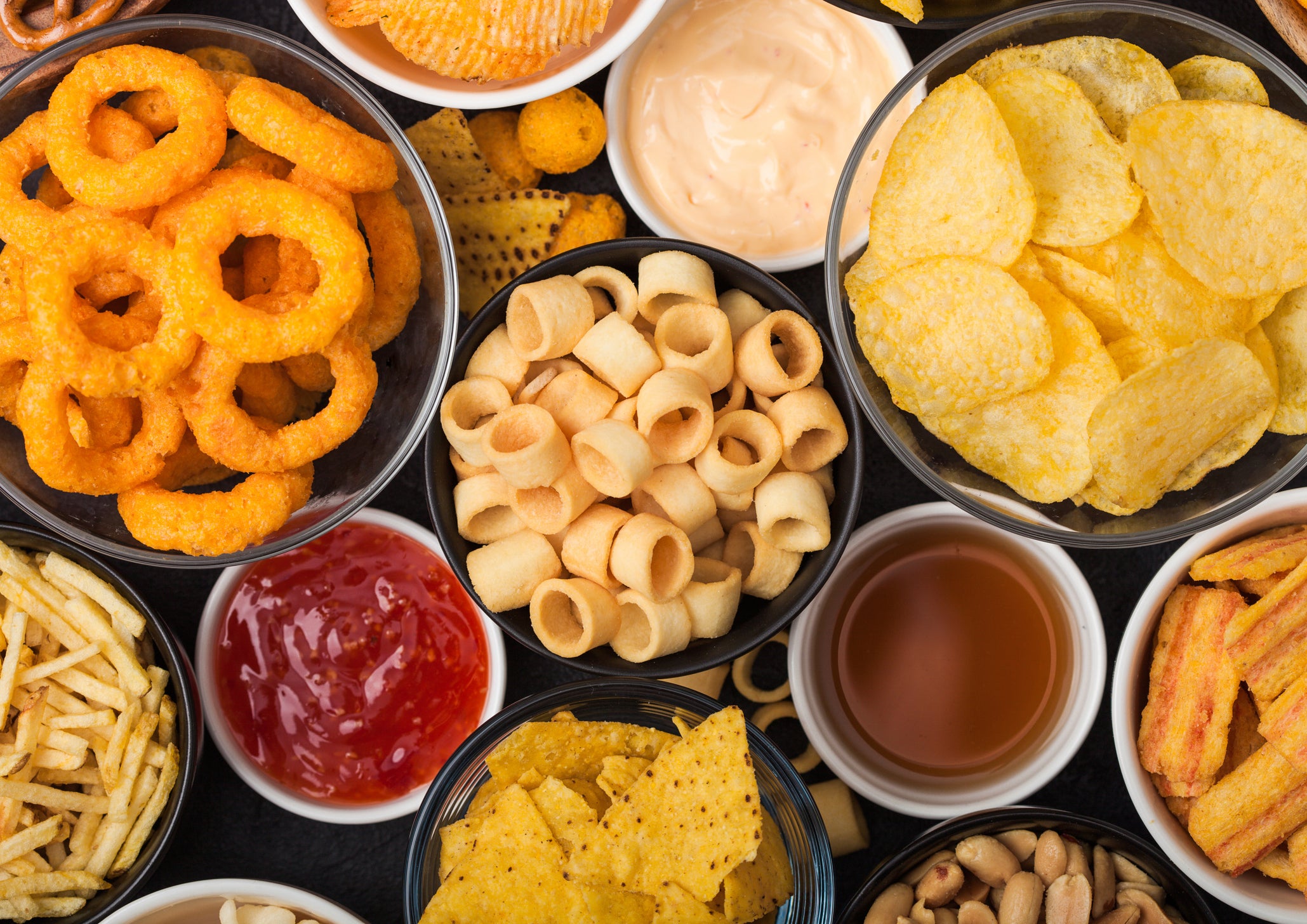
Supermarkets in January look healthier than ever: labels covered in green traffic lights and protein percentages, whole aisles devoted to meat-free nuggets and plant-based sausages, yoghurts promising gut health and granolas offering slow-release energy.
Yet somewhere between the low-fat fruit yoghurt and the pea-protein bar lurks a growing public anxiety: ultra-processed foods (UPFs). The term has become a catch-all villain, fuelled by the sense that the more we shop, the less we recognise what we’re eating.
Most households rely on packaged foods because they are cheap, convenient and familiar. Few people have the time, energy or budget to cook every meal from scratch. And while the metabolic downsides of eating mostly industrially formulated foods are well documented, the more useful question is not, “are UPFs evil?”, but: which swaps actually help, and what should we stop worrying about?
“The public conversation around UPFs is important for policy change, but it is complex and unhelpful for the public making everyday food choices in our current food environment,” says Dr Federica Amati, head of nutrition at Zoe. The common misconception, she says, is “the assumption that all of these foods are bad for you, when in actual fact, it’s the likely impact that certain food processing has on our health that is important to consider”.
New analysis presented at the Nutrition Society Conference this week showed that “only a fraction of UPFs should be considered harmful for the majority of people”, and while “many UPFs are obviously bad for you”, others “may be neutral, or even support your health if eaten in moderation and as part of a predominantly whole food diet”.
What counts as “processed” also varies wildly. Baked beans are a good example. Technically processed, they come out looking better than many foods marketed as healthy. “Baked beans are considered processed foods, but their high-fibre content can make them a healthy option if consumed in moderation.”
By contrast, “many products marketed as ‘health’ foods, like flavoured yoghurts, protein bars or low-calorie snacks, can be the worst UPF offenders”, filled with “cosmetic” ingredients like emulsifiers and stabilisers to improve shelf life and texture. Condiments, too, “that seem harmless”, are often “filled with artificial sweeteners and additives”.
The supermarket isn’t binary, and purity culture around food rarely helps anyone. With that in mind, the most useful thing we can do is swap the highest-risk convenience foods for lower-risk ones. You don’t need to purge your cupboards or spend Sunday batch-cooking to improve your diet. Small, repeatable swaps – especially for breakfast, snacks and staples – can meaningfully reduce the higher-risk UPFs in your trolley.
Amati encourages people to “start with simple and easy steps and focus on the lower risk options to add to your shop”. If you can “improve just one or two of your meals a day”, she says, “you can reduce your total high-risk processed food intake from, say, 40 per cent of your diet to 15 per cent”, which can lead to “better energy levels, less hunger and a lower risk of long-term metabolic diseases”.
Here’s where she recommends starting:
Breakfast

Breakfast cereals are one of the most common sources of UPFS, especially sweetened granolas and crunchy clusters with syrups and emulsifiers.
Amati suggests swapping sugary cereals for a yoghurt bowl that’s “rich in fibre, protein and healthy fats”. Her go-to is “full-fat Greek yoghurt topped with seasonal fruit (or frozen works perfectly too) and nuts and seeds”, which contributes to the recommended “weekly intake of 30+ plants”.
This isn’t about removing convenience – you can assemble it in under a minute – it’s about switching the food matrix from fast-digesting sugar to fat, fibre and protein.
Yoghurt
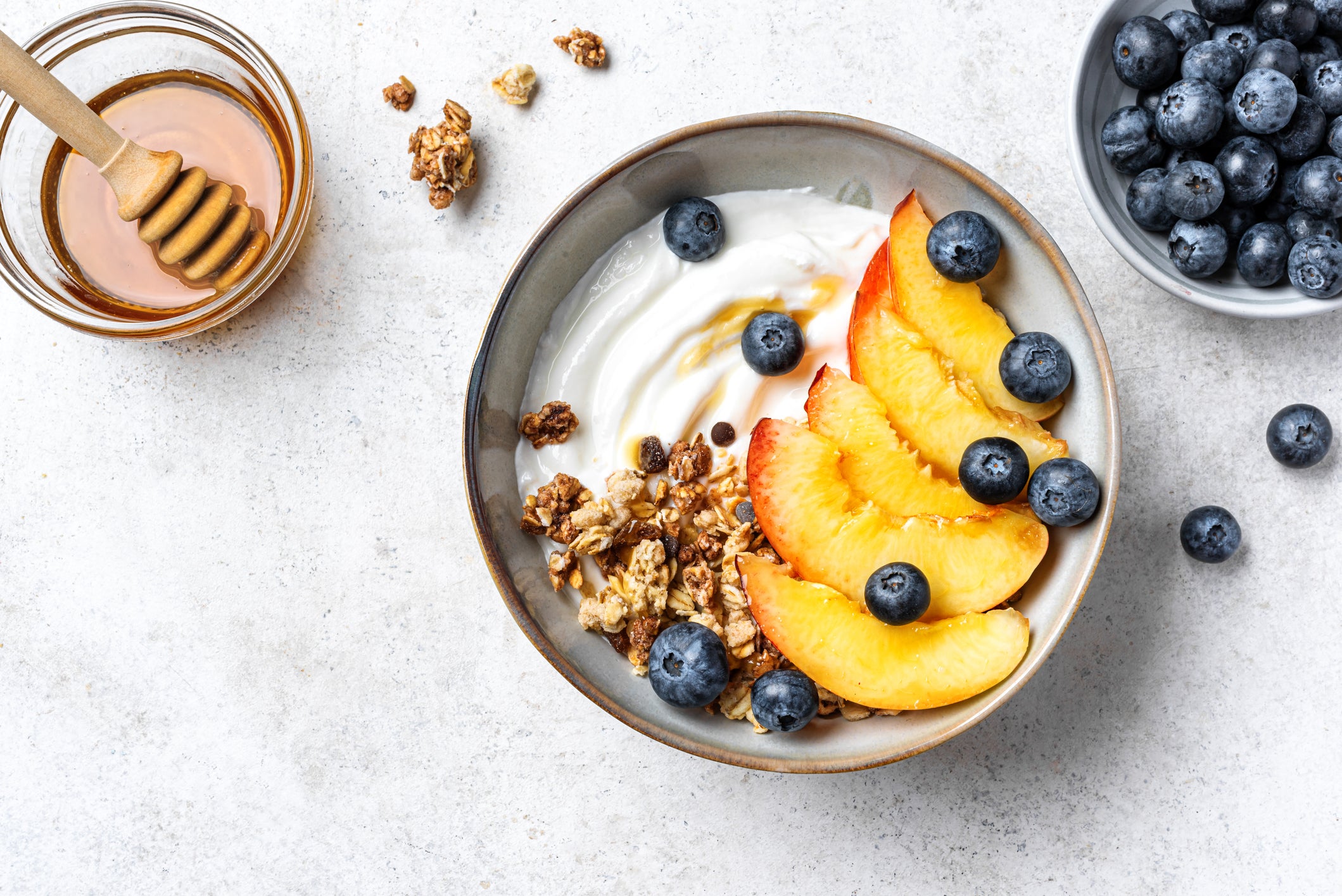
The yoghurt aisle looks virtuous, but most kids’ pouches, low-fat pots and high-protein flavoured tubs are thickened and sweetened to the hilt.
“Fruit flavoured and low-fat yoghurts are full of sugars and chemical ingredients,” whereas full-fat Greek yoghurt has “higher protein content, less sugar and probiotics for your gut health and calcium for your bones”.
Buy the plain stuff, flavour it yourself with fruit and honey if you want, and you’ve dodged additives and halved the sugar without sacrificing pleasure.
Bread and bakery
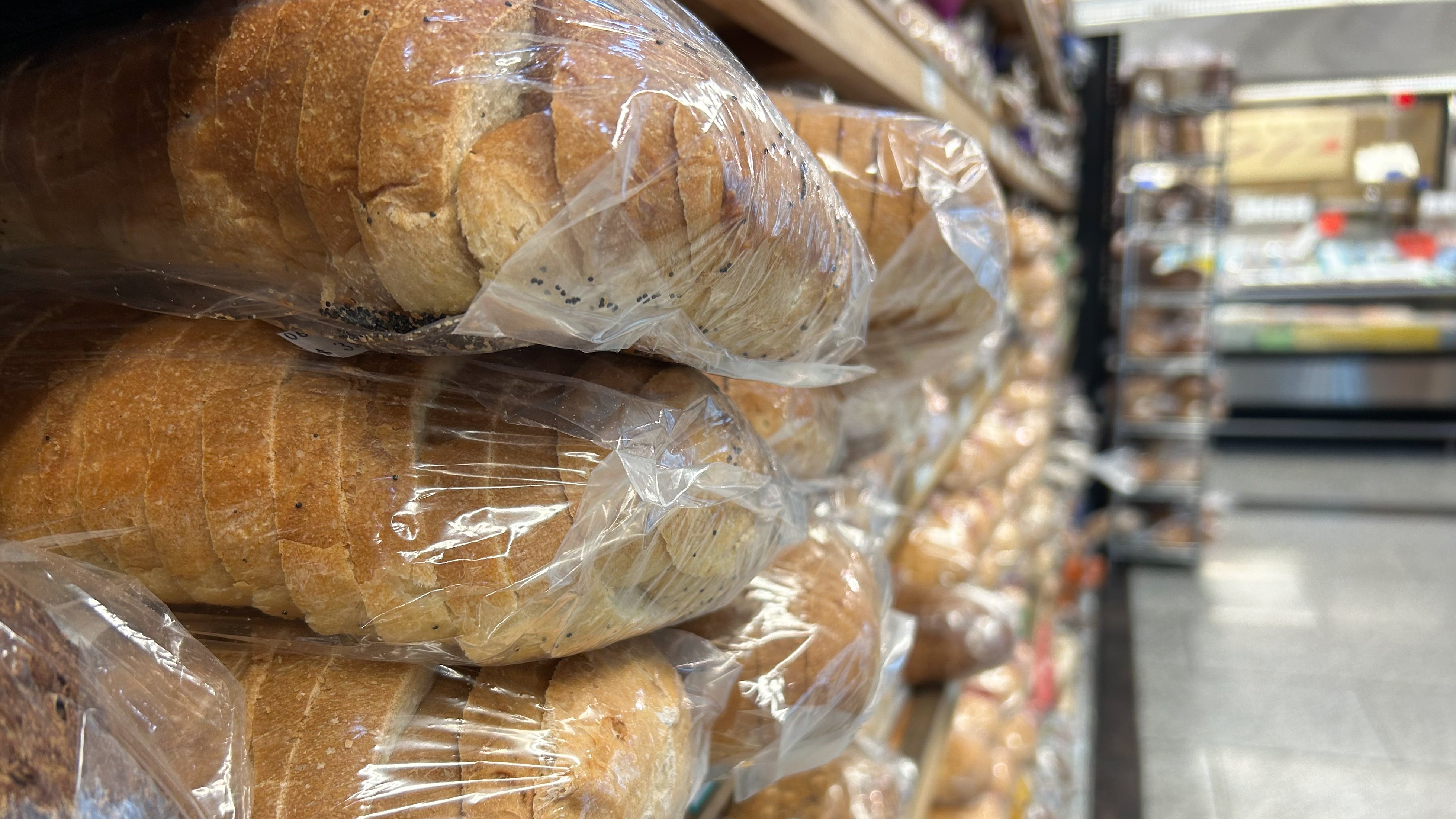
If you eat bread daily, this is a high-impact swap.
Supermarket sliced loaves often contain emulsifiers, preservatives, added sugar and industrial oils that extend shelf life and improve softness. Not all of these are “dangerous”, but there’s a spectrum.
Amati suggests swapping white sliced breads for sourdough, which “goes through a fermentation process that produces prebiotics – these are great for feeding the good bacteria in your gut”. This supports “long-term digestive and immune health”, and helps “to slow blood-sugar release”. Sourdough also contains “much less sugar than other breads”.
If sourdough is too pricey, look for wholegrain loaves with short ingredient lists – just flour, water, yeast and salt.
Protein bars and ‘healthy’ snacks

Protein bars occupy the same psychological niche as cereal bars used to: snack-as-health-object. The trouble is, they’re often emulsified, polyol-sweetened and ultra-soft, engineered to be eaten fast.
Amati is blunt: “Most healthy adults are not lacking protein,” so choosing a bar “might replace eating the fibre-rich whole foods that we are all mostly lacking from our diet, like fruit and veg, beans, fibre and whole grains.”
Instead, she suggests “a handful of nuts and seeds”, or a homemade bar with “black beans, oats or cacao” to “increase the fibre intake while managing sugar consumption”.
If you still want ready-made snacks, popcorn and roasted chickpeas are good options, or cut vegetables with hummus, all of which count towards that 30+ plant target.
Plant-based sausages and meat alternatives

Plant-based sausages, nuggets and burgers vary hugely in processing. Some are mostly beans and veg; many are extruded soy isolates, gums and oils designed to mimic meat’s texture.
Amati suggests experimenting with whole-food alternatives: “Tofu and mushrooms are quick and easy to prepare for a tasty alternative.”
This isn’t about moralising. Just a reminder that vegan doesn’t automatically mean minimally processed, and that umami, texture and protein are achievable without 15 ingredients.
Sauces and condiments
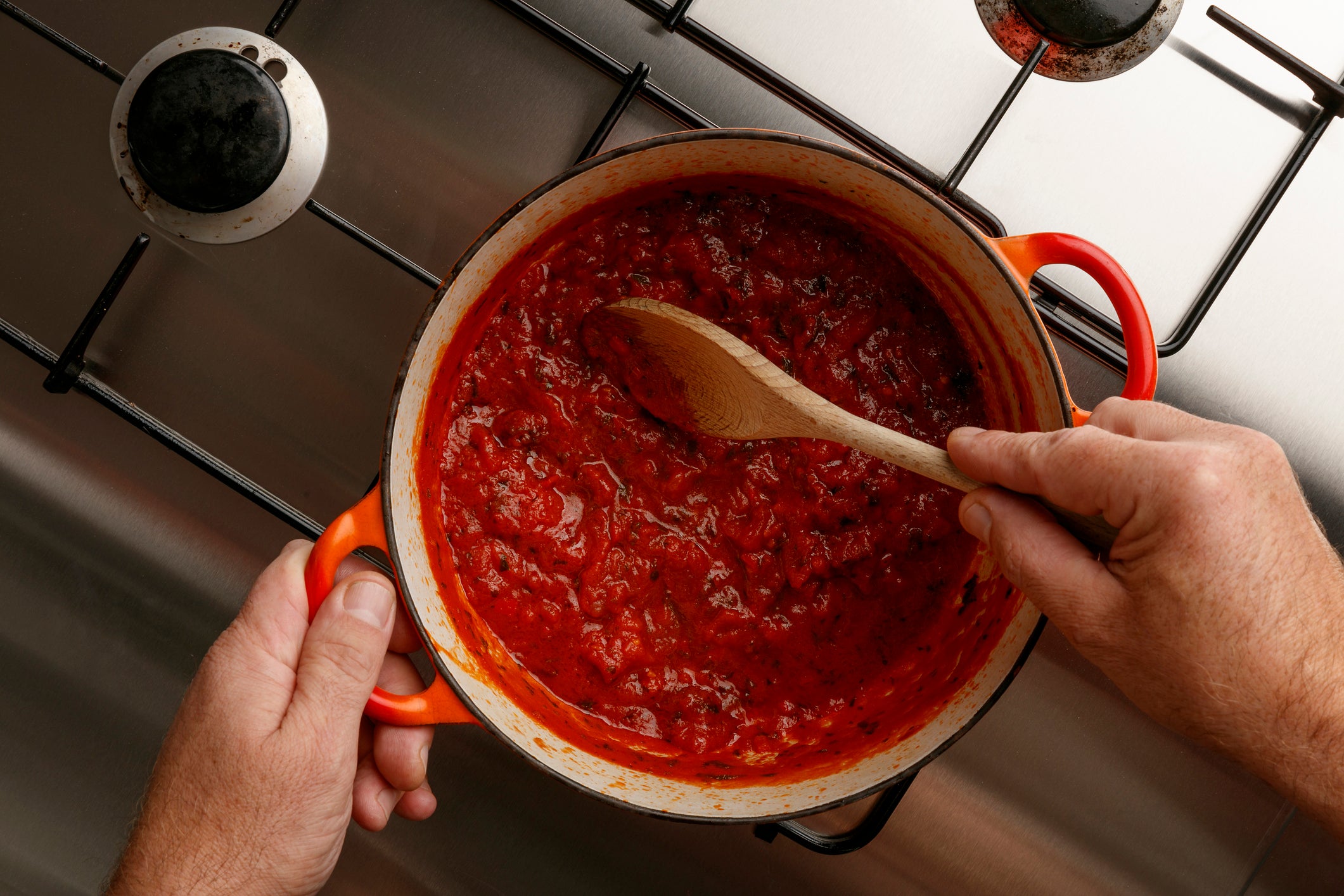
Ready-made pasta sauces are a common UPF trap thanks to added sugars, acidity regulators and emulsifiers designed for multi-year shelf life.
Amati’s swap doesn’t require being a chef. “Instead of ready-made pasta sauce, it’s easy to make from scratch: gently heat up a tin of tomatoes or passata, with a healthy glug of extra virgin olive oil, and stir in dried oregano and a pinch of red pepper flakes.”
It takes barely longer than twisting off a jar, and you control the ingredients.
What to buy on a budget
One of the biggest barriers to eating less processed is the belief that it is automatically more expensive. And while it’s true that a basket of fresh produce and nuts costs more than a multipack of biscuits, there are workarounds that don’t involve soaking chickpeas overnight.
Amati is realistic about the economics: “Fresh produce and whole foods, minimally processed, can be more expensive than calorie-dense, highly processed foods.” Solving that “needs systemic change to make whole foods affordable and accessible for everyone”.
In the meantime, the most budget-friendly staples are often the foods people overlook. Amati highlights tinned beans, chickpeas and lentils – “packed full of diverse fibre and plant protein, canned in just water or salt” – and frozen fruit and vegetables, which “are often frozen at the peak of their freshness, which locks in nutrients”.
Parboiled whole grains like brown rice or bulgur cook quickly and make easy bases for meals. Tinned fish such as sardines or mackerel are cheap, high in protein and rich in omega-3. Popcorn kernels are inexpensive and count as a whole-grain snack.
And if you don’t have time to cook? Think assembly, not restaurant cooking. For her family dinners, Amati aims for what she calls “the new 5-a-day”: wholegrains, nuts and seeds, whole fruits and vegetables, legumes and healthy fats. One of her go-to meals combines quinoa and sweetheart cabbage with black beans, sardines, lemon juice, tomatoes, spring onion, extra virgin olive oil and seeds, a dish that delivers “polyphenols, protein, healthy fats and fibre” in under 10 minutes.
What not to stress about
UPF discourse has created a strange food anxiety, particularly around tinned goods and processed pantry items.
Amati is keen to neutralise that. A “common myth”, she says, is “that tinned food can be dangerous and isn’t optimal”. In reality, “canned pulses and fish are some of the healthiest and most affordable whole foods available”, provided you avoid dented cans.
She also stresses that health is about patterns, not purity: “Health isn’t won or lost in a single meal.” A “one-off treat won’t harm your microbiome or metabolism”.
This matters because absolutism makes dietary change harder, not easier. If you love frozen pizza or jarred sauces, don’t abandon them, just modify them. Add roasted veg or beans to a convenience meal to restore the fibre content and “food matrix” that industrial processing often strips away.
Even snacks can be reframed in the same way. Swap chocolate biscuits for dark chocolate, crisps for crudites and hummus, cereal bars for fruit and nuts. The point is not perfection. It’s better defaults.
The good news is that meaningful improvements don’t require purism. Upgrade breakfast. Upgrade one snack. Buy better bread. Use frozen berries. Keep tinned beans in the cupboard. Add vegetables to convenience meals. Eat more plants. Consume more fibre.
As Amati puts it, if you can shift from 40 per cent high-risk foods to 15 per cent, the benefits will show up in energy, hunger and long-term metabolic risk. No moral panic, no spreadsheets, no overnight reinvention required.
Join our commenting forum
Join thought-provoking conversations, follow other Independent readers and see their replies
Comments
Bookmark popover
Removed from bookmarks