The era of the £5 coffee is here – and it’s not going away any time soon
Coffee was meant to be the last small daily indulgence that survived everything else. But as prices creep towards £5, it’s become a symbol of something bigger and tells a story about Britain itself, says Hannah Twiggs


There is an unspoken hierarchy to what Britain will tolerate becoming more expensive. They can raise our taxes – we’ll grumble, but we’ll pay. They can make train tickets absurd – we’ll complain, then book anyway. They can squeeze us out of the housing market – we’ll sofa surf and move on.
But coming for our coffee? For a nation already exhausted by higher rents, pricier food and permanently postponed pleasures, stripping away the morning commute pick-me-up feels like one indignity too far.
Which is why the £5 coffee (the latest “new normal”) feels less like another price rise and more like a line crossed. Not because it’s the most expensive thing we buy – it plainly isn’t – but because coffee has long been one of the last affordable luxuries left standing. The small, daily indulgence that survived everything else.
You might not own a home. You might not be flying anywhere next year. You might be cutting back on meals out, theatre tickets, even the supermarket shop. But you could still buy a coffee. Until now.
Speaking to The Telegraph this weekend, Gerry Ford, founder and managing director of Caffé Nero, said coffee prices were unlikely to fall even if some of the pressures behind them begin to ease.
“You typically don’t have price cuts,” Ford said. What changes, he suggested, is not direction but tempo. Instead of prices rising every six to 12 months, cafes might simply wait longer between increases – a £5 coffee now, perhaps £5.50 in 18 months. “By and large, if costs come down, then [coffee shops] just won’t increase the prices for a longer length of time.”
In fact, coffee prices have already been climbing for years. Arabica beans are now hovering at around $4 (£3) a pound, more than double their price in September 2023. Data from Lumina Intelligence shows the average price of a coffee has risen by around 80p since 2022, to £4.02, while the price of a latte has increased by 21 per cent over the same period.
At Caffé Nero’s most expensive sites (London train stations), the price of a regular cappuccino has risen from £3.70 to £4 in just a year. Prices might be lower outside the capital and away from transport hubs, but the direction of travel is the same.
The era of the £5 coffee, which analysts warn may be the threshold above which people won’t be willing to pay, is almost upon us.
We’re talking about coffee. But in reality, we could be talking about almost anything else in Britain today.
Prices go up. Then they pause. And they rarely come back down. Coffee just happens to be where we feel it most. Usually, this moment is smoothed over with a platitude about “challenging conditions” or “doing our best for customers”. It’s almost refreshing to hear it said plainly instead: this is what it costs now – and it isn’t getting cheaper.
The uncomfortable truth is that coffee isn’t just getting more expensive because cafes feel like charging more. It’s getting more expensive because it’s becoming harder to grow at all.
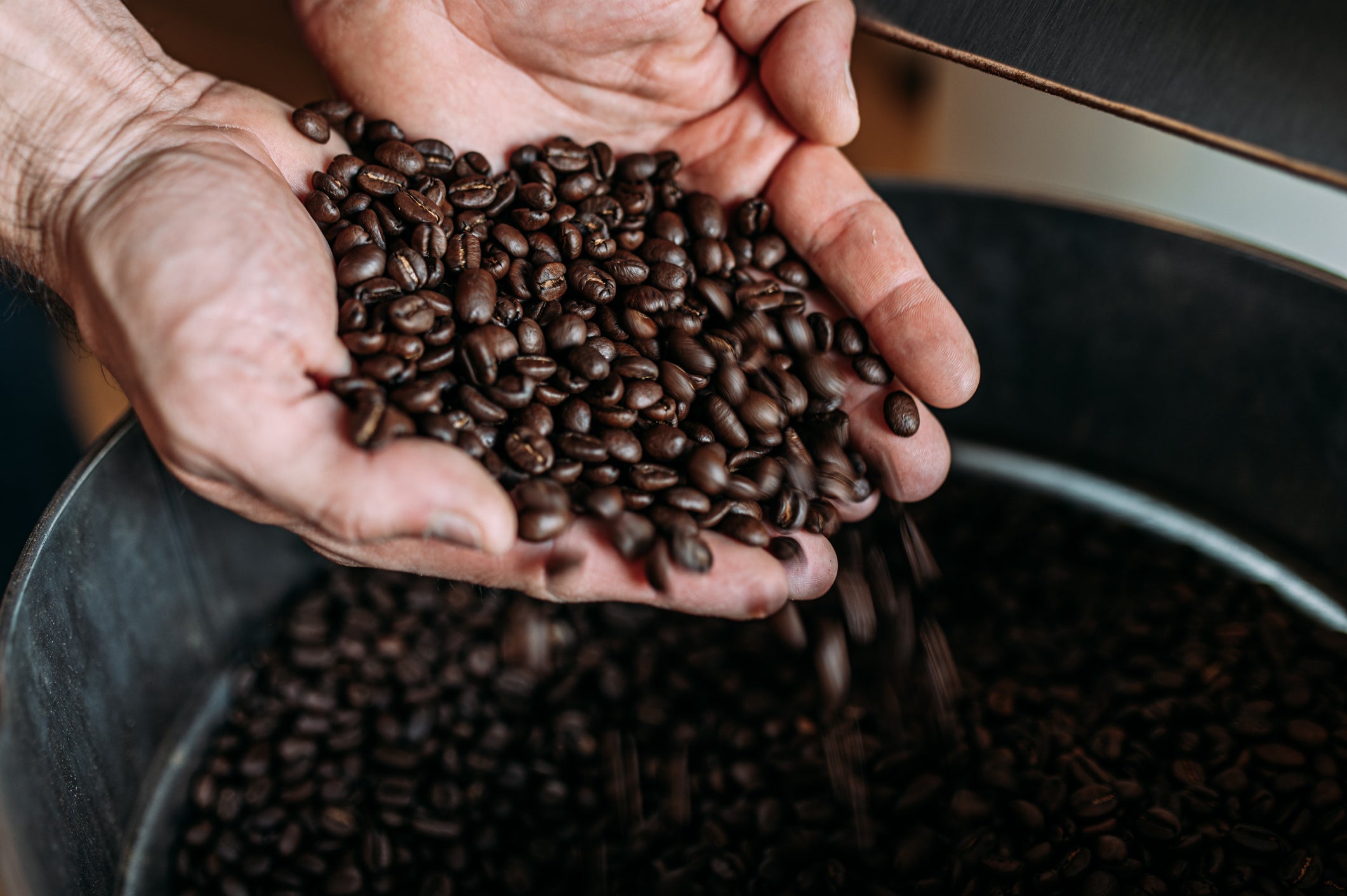
Arabica coffee – which makes up more than 60 per cent of global production and accounts for most of what we consider “good” coffee – is acutely sensitive to climate change. Rising temperatures, erratic rainfall, drought and disease are already reshaping where and how it can be grown.
A major study by Dr Roman Grüter, a senior researcher at Zurich University of Applied Sciences, warned that climate change could strip away more than half of the land currently suitable for growing Arabica by mid-century if current trends continue. Arabica thrives in a narrow ecological comfort zone, and that zone is shrinking.
That alone would push up prices, but the point isn’t extinction headlines, dramatic as they may be. It’s instability. Volatility. Risk.
If and when global coffee prices dip, cafes are no longer pricing for a stable future. They’re pricing for uncertainty: the next drought, the next disease outbreak, the next failed harvest. That risk is built into the cost of every single cup.
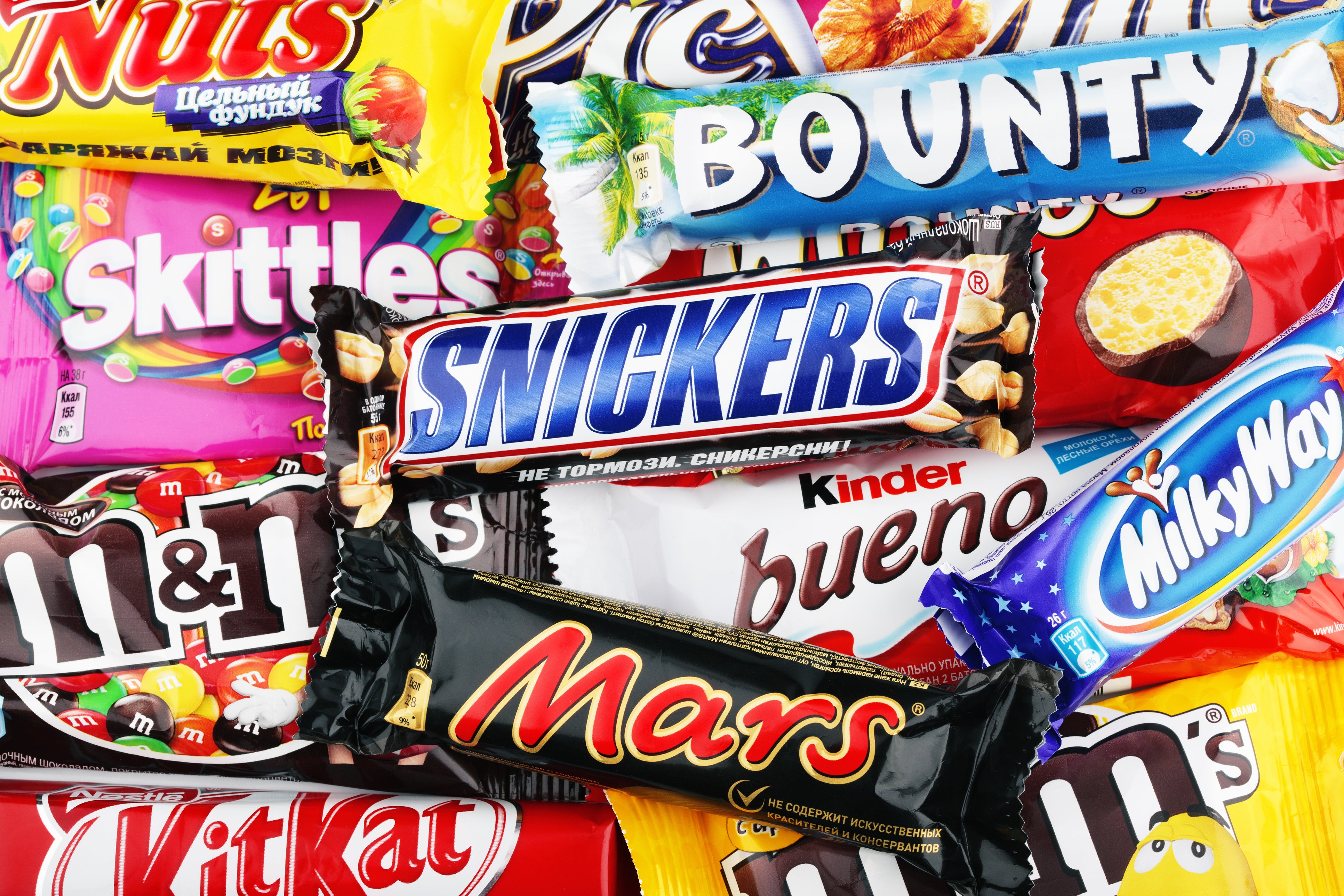
And as tempting as outrage may be, coffee isn’t the only thing caught in the slipstream. Climate change is already reshaping the price of chocolate, another once-affordable luxury, as cocoa crops suffer repeated shocks in West Africa; wine, as extreme weather squeezes harvests across southern Europe; olive oil, after successive droughts in Spain; and everyday fruit and vegetables, increasingly vulnerable to heat, flooding and disrupted supply chains.
Even milk, once the dependable constant in the supermarket, has been dragged into the turbulence. UK dairy prices surged during the food inflation spike, driven by higher energy costs, animal feed and weather pressures, and while some wholesale prices have eased, retail and food service prices have been slow to follow.
All of this adds up. Ford said that while commodity prices were currently “exorbitant”, the price of a cup of coffee was unlikely to go down as it’s about more than just the cost of beans. “Let’s say commodity prices in coffee go down, but milk prices go up,” he said. “It might just mean that you’re not going to put up prices as rapidly.”
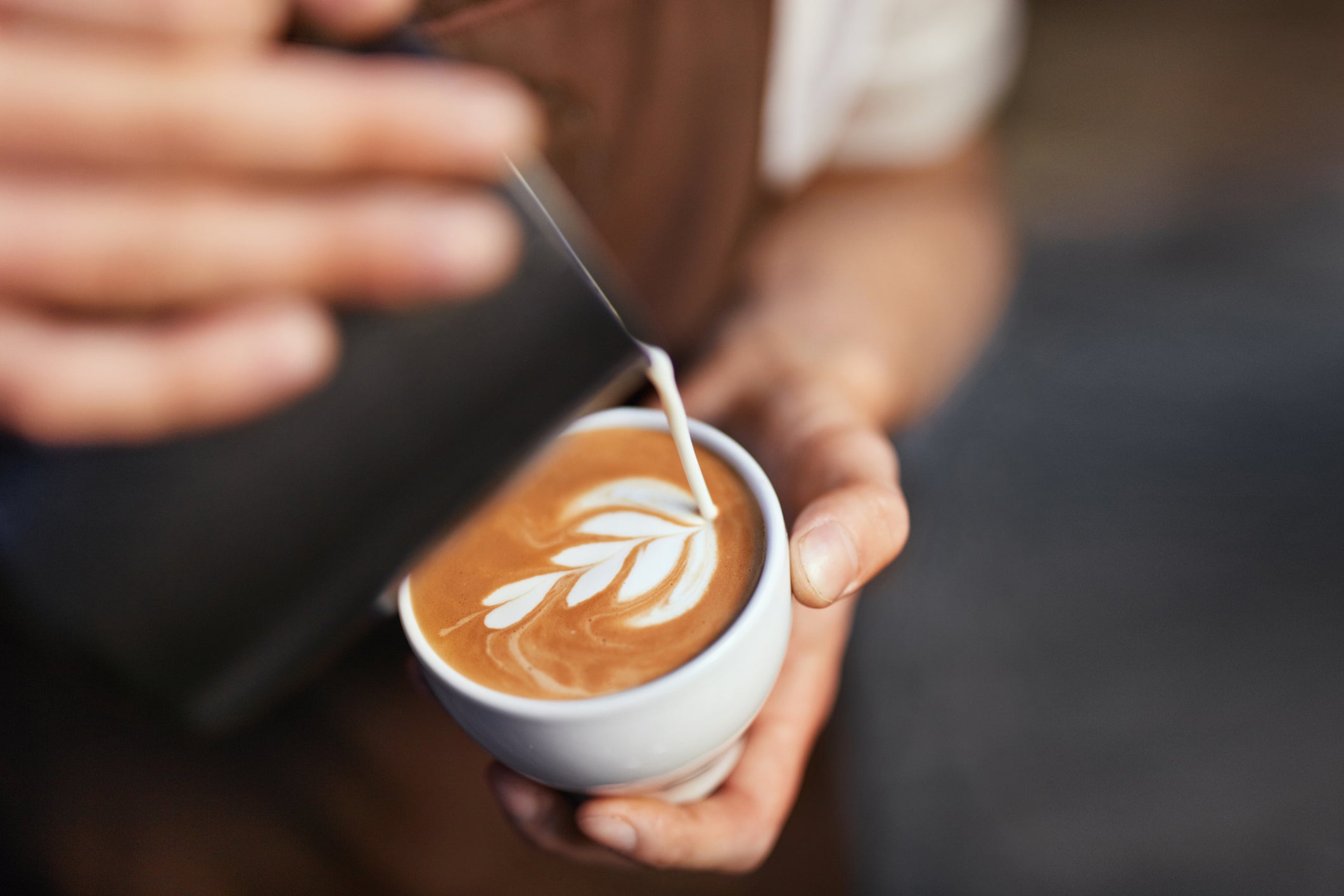
What that really means is that the price of a coffee has never just been about the beans. Order a pistachio-oat-flat-white-with-an-extra-shot and you’re paying for milk, energy, labour, logistics and a supply chain under strain. But even if you drink it black, you’re not in the clear. The beans themselves are exposed to climate shocks, disease and volatility long before they reach your cup.
Layer on top of that the pressures facing UK businesses: higher wages, rising employer National Insurance contributions, business rates that punish high street presence, energy prices that remain volatile and import costs exposed to geopolitics and policy. The result is not a temporary spike, but a recalibration.
There’s a reason it’s coffee that has become the lightning rod for Britain’s price anxiety, not council tax bands or national insurance thresholds. Coffee is immediate. You buy it in public. You buy it often. And you buy it at exactly the moment you’re least inclined to do mental arithmetic – on the way to work, half-awake, already running late.
Which is why its price carries such emotional weight.
Coffee has long belonged to a small but powerful category of goods: the last affordable luxuries. The things that made life feel a bit less relentlessly transactional. Chocolate. A croissant. A glass of wine that didn’t require an internal debate.
We’ve watched most of those quietly slip away. Chocolate has become smaller and more expensive. Wine has edged into “treat” territory. Butter, olive oil, cheese, once background groceries, now come with a flicker of guilt at the checkout.
So when a flat white creeps towards £5, the jolt in your chest isn’t about the caffeine. It’s about what happens when even the smallest indulgences start asking for justification.
The funny thing is that none of this seems to be slowing us down. Sales at Caffé Nero are rising, not falling. Ford says there’s still “massive opportunity” in the UK, with dozens more stores planned and little sign of demand slowing. Which tells its own story. We wince at the price and then we order anyway.
Perhaps that’s the real reason the era of the £5 coffee matters so much: not because we can’t afford it, but because we still want to believe some pleasures are worth paying for.
Join our commenting forum
Join thought-provoking conversations, follow other Independent readers and see their replies
Comments
Bookmark popover
Removed from bookmarks