£98 for a turkey? How food shortages and price hikes are affecting our Christmas dinner this year
Bird flu is ripping through flocks, harvests have collapsed, supply chains are wheezing, and even the Quality Street tin is taking a hit. Hannah Twiggs looks at the soaring costs of the big Christmas shop this year and asks what this means for the sacred festive feast


Christmas dinner has always survived on blind faith: that the turkey will appear, the veg will behave and the nation will briefly agree that sprouts are edible. But this year, that faith is being tested.
Last week, one customer went pale when her high street butcher told her that her usual 5kg turkey order would be £98 – up from £78 last Christmas. She blinked, assumed it was a mistake, and was met with an apologetic shrug and something mumbled about avian flu. Paying her deposit, she left with a turkey-shaped hole in her festive budget – a Christmas story that is now being played out at supermarket meat counters and butchers up and down the country.
The traditional Christmas dinner isn’t just under pressure – it’s starting to look like historical fiction.
Turkeys on the brink
The UK is in the middle of a grim bird flu season, with around 50 confirmed cases since October and 300,000 birds – about 5 per cent of the UK’s Christmas poultry flock – already culled. Organic and free-range producers are being hit hardest, and regulations now mean many flocks are indoors whether they like it or not.
For farmers, every new case is a potential catastrophe. One warned that a single outbreak on his farm could wipe out as many as 10,000 Christmas lunches in one go. Even without infection, producers are processing birds early, which is why you’re more likely to be offered a modest crown than a four-kilo centrepiece.
Supermarkets will probably muddle through – they tend to lock in supply months ahead, even if that means swallowing thinner margins – but independents and butchers are more exposed.
If you like your bird organic, free-range and local, you’re shopping in the priciest part of the market. Premium free-range turkeys have risen from about £18 to £23 per kilogram – a near 30 per cent increase. Frozen turkeys have also been caught in the squeeze: several lines have undergone double-digit price hikes this season. Fresh crowns aren’t spared either – at one retailer, stuffed turkey crowns have jumped from £20 to £25 per kilogram.
If you leave it until 23 December, you’re playing poultry roulette, and even if you decide to abandon turkey altogether, the alternatives aren’t exactly a safe bet. Beef price inflation is running at about 27 per cent, with the average supermarket beef mince up 37 per cent year on year and volumes down nearly 11 per cent as shoppers trade down. Agriculture and Horticulture Development Board figures show pork mince sales up 37 per cent and chicken mince up 66 per cent as people quietly rework their spag bol and chilli with cheaper meat. Pork may still undercut beef, but the direction of travel is clear: everything on the meat counter is getting more expensive, just at different speeds.
Veg on a knife-edge
England is staring down what analysts say is its second-worst harvest on record, after a spring that was both the warmest and one of the driest in more than a century, followed by yet more chaotic rain. Yields for cereals and oil seeds have dropped, and while that doesn’t instantly translate into empty shelves of Maris Pipers, it does ripple through the system.
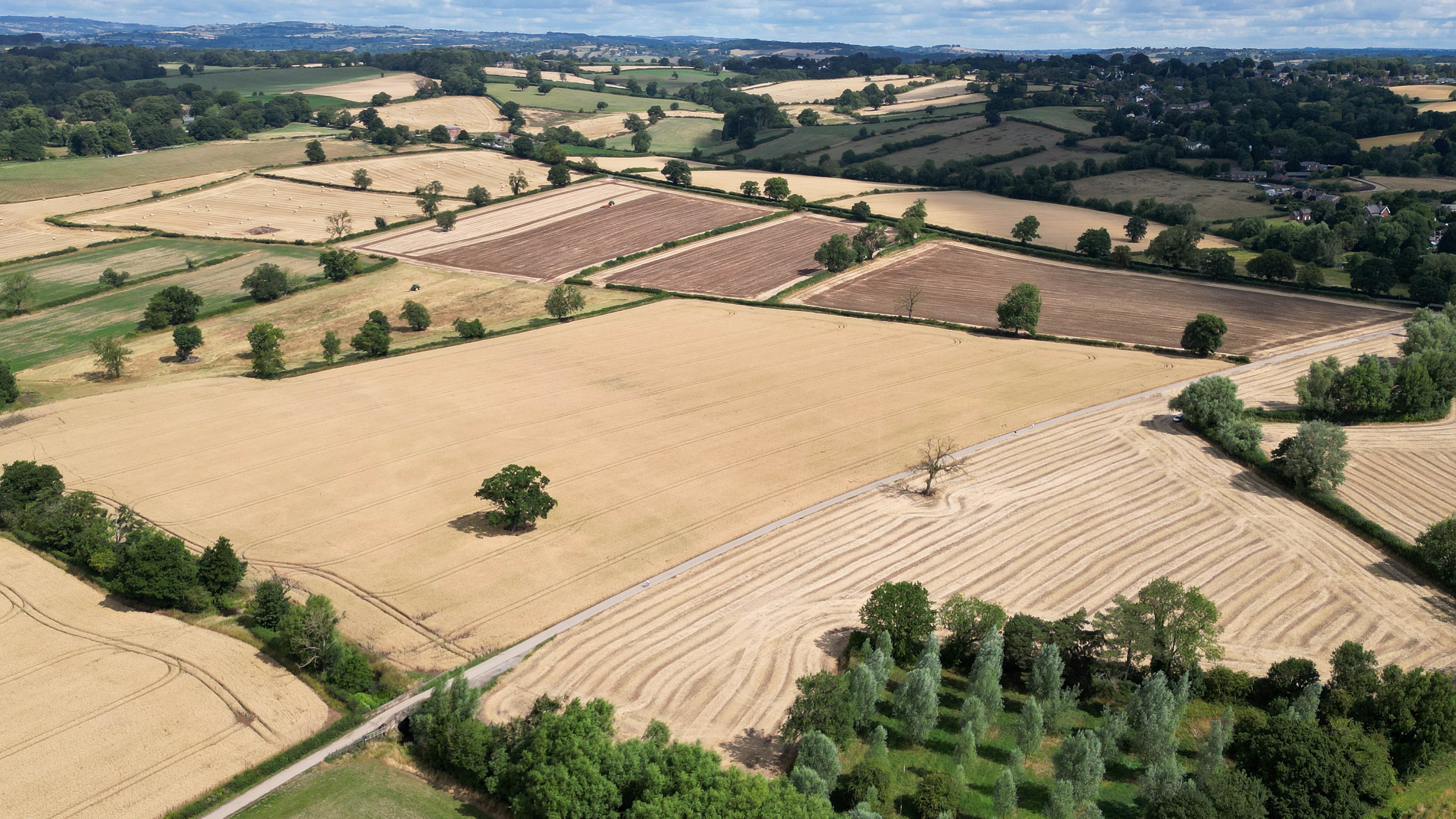
Poor harvests mean pricier animal feed and less domestic grain, and those same conditions hit carrots, parsnips, sprouts and cabbages. It’s not a wipeout, but it does mean a cold snap or logistics wobble could clear shelves.
When inflation comes for the gravy
This is landing on top of another round of food inflation. The Food and Drink Federation now expects grocery prices to be 5.7 per cent higher this month than they were a year ago, even as headline inflation drifts down.
And the items most affected are exactly those you reach for at Christmas: butter, beef, milk, coffee and chocolate. Prices for these festive necessities, which economists class as highly “climate-exposed”, have jumped by 15.6 per cent in the last year, compared with just 2.8 per cent for everything else in the food and drink aisles.
Chocolate is up 18.1 per cent, coffee 13.4 per cent, butter 17.5 per cent and milk 12 per cent year on year. In other words, the core building blocks of a Christmas dinner are inflating far faster than the rest of the supermarket.
That’s butter for roast potatoes, pastry and stuffing; cream for trifle and brandy sauce; chocolate for stocking fillers and “for the table”; beef and milk baked into every canapé and side. This is where you notice the quiet shrinkflation of the season: slightly stingier tubs of chocolates, more “vegetable oil blend” replacing butter, desserts leaning harder on sugar and air than cream.
Your roasties vs the Red Sea
Then there are shipping routes and geopolitical crises. The Red Sea, which we mostly ignore until someone mentions Suez, has quietly become one of the villains of the festive season. Houthi attacks have pushed shipping away from the Suez Canal, adding weeks and cost to journeys and squeezing global container capacity.
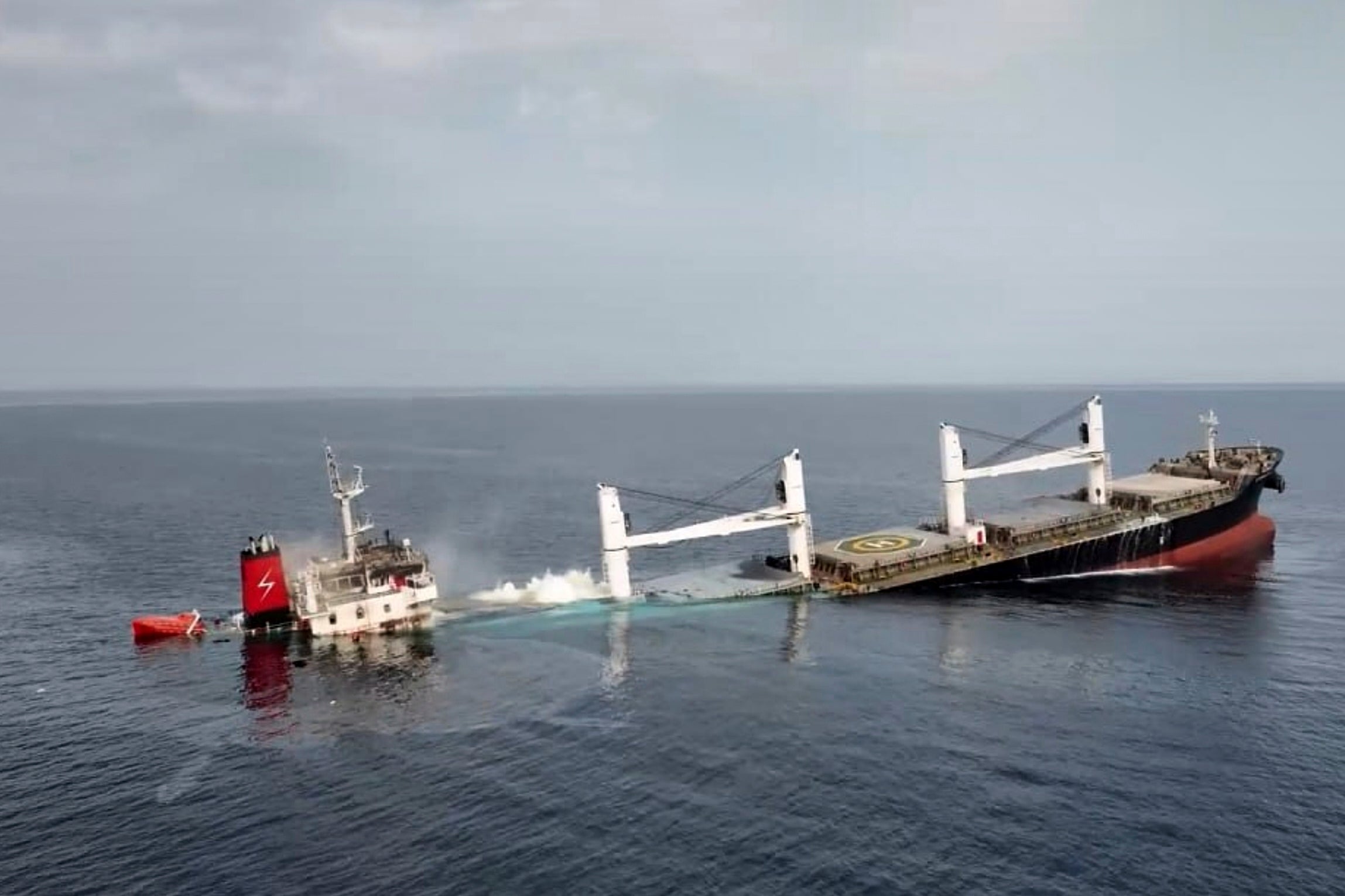
Even if the turkey is British and the sprouts are from Lincolnshire, your Christmas dinner is now a group project between the global shipping industry and a handful of vulnerable sea lanes.
Labour: the ghost at the feast
Despite tweaks to the Seasonal Worker Scheme, the number of horticulture visas will fall slightly next year, and though the government insists this is manageable, farmers are less sanguine.
A survey by Arla, the international dairy cooperative, found that 84 per cent of farmers struggled to recruit staff this summer, with nearly half saying they found it harder to retain workers than before Brexit and the pandemic. About 6 per cent have cut milk production, and almost one in seven say they may leave the industry within a year if nothing changes.
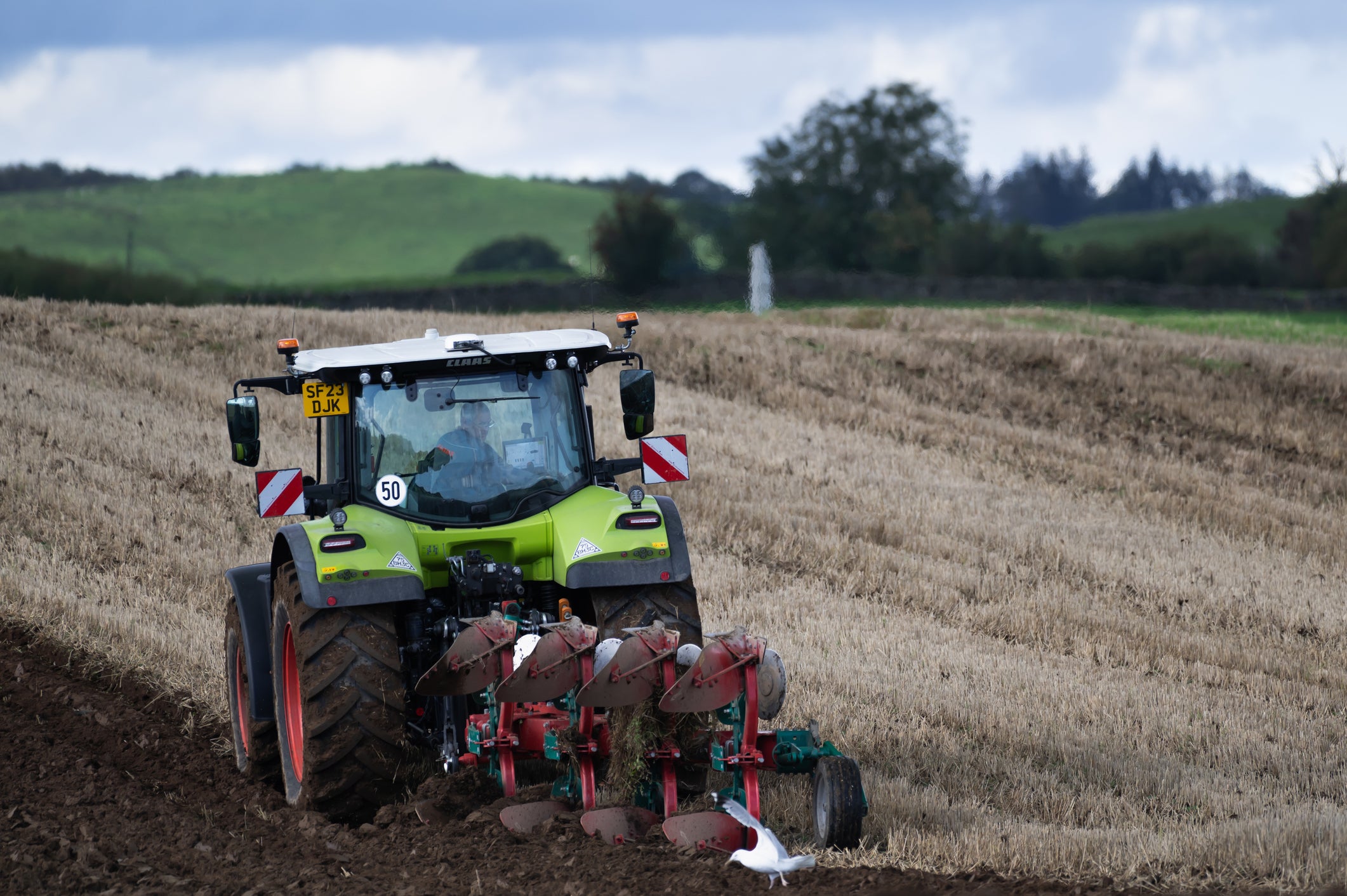
Again, this doesn’t mean the cream aisle will be stripped bare overnight, but it does mean that when you’re paying through the nose for a product made from four “ingredients” – milk, cultures, time and labour – more of that price is going towards simply persuading someone to get up at 4am to milk cows in the rain. It’s the same story in abattoirs, packing plants and veg fields.
When we talk about the cost of Christmas, we rarely talk about the fact that fewer people want to do the back-breaking, unsociable work that makes it happen, and those who do quite reasonably want more than minimum wage.
Even the pudding isn’t safe
Cocoa prices hit record highs at the start of the year, peaking at around $10.75 a kilo in January, after poor harvests in west Africa, before easing back in the spring as production recovered. Manufacturers have responded by nudging prices up and quietly reformulating products; one major chocolatier raised prices by 15.8 per cent in the first half of 2025 alone to cover raw material costs.
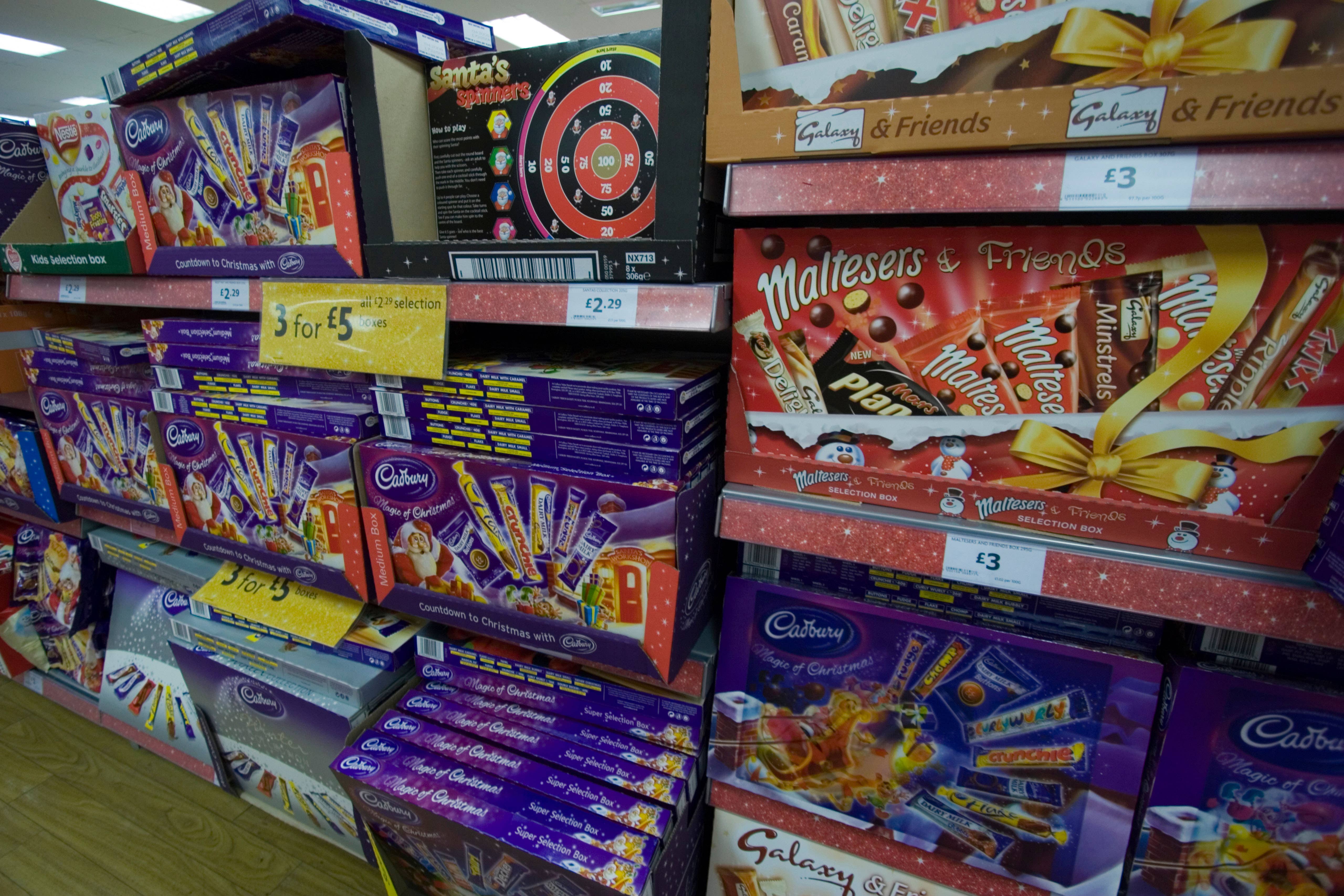
That’s before you get to sugar, dried fruit and fortified wine, all of which have been affected by extreme weather and supply chain chaos. The traditional British Christmas pudding is essentially a museum exhibit in commodity risk: sugar, flour, citrus, vine fruit, nuts, spices, suet, brandy. If you set it alight this year, you’re effectively doing a small, controlled burn of almost every problem in the global food system.
So what does Christmas look like now?
Put all of this together and the picture that emerges isn’t so much “no Christmas dinner” as a noticeably different one. More of us are buying smaller birds or switching to chicken, because that’s all that’s available. Fewer sides on the table. More frozen veg and ready-made gravy. A trifle made with aerosol cream because the double is suddenly £2 more than it used to be. A tub of chocolates that looks suspiciously shallower than last year’s.
For households already counting every penny, the idea of a “proper” Christmas dinner – the full, glossy-magazine spread – moves further out of reach. The turkey shortage becomes a neat symbol of something bigger: a food system where the old guarantees don’t hold and where excess is increasingly a luxury, not a given.
The turkey has only been “traditional” for a couple of centuries; before that, it was goose, beef, whatever the household could stretch to. We might be quietly heading back to that older model, where the centrepiece is whatever the year, weather and world can actually deliver.
In a year when bird flu, bad harvests, climate shocks and distant shipping lanes are all jostling for space on your plate, the most radical thing you can do this Christmas might not be insisting on the full turkey treatment, but deciding that the point of the meal was never really about the bird in the first place.
Join our commenting forum
Join thought-provoking conversations, follow other Independent readers and see their replies
Comments
Bookmark popover
Removed from bookmarks