The Independent's journalism is supported by our readers. When you purchase through links on our site, we may earn commission.
Born without a passion for fashion, how Giorgio Armani ended up king of impeccable style
Armani was a staunch disciplinarian, a fitness advocate, and a workaholic before the word was invented. Fashion historian Linda Watson reports on how a scared boy from Piacenza became a billionaire designer who dressed generations of women from the boardroom to the red carpet
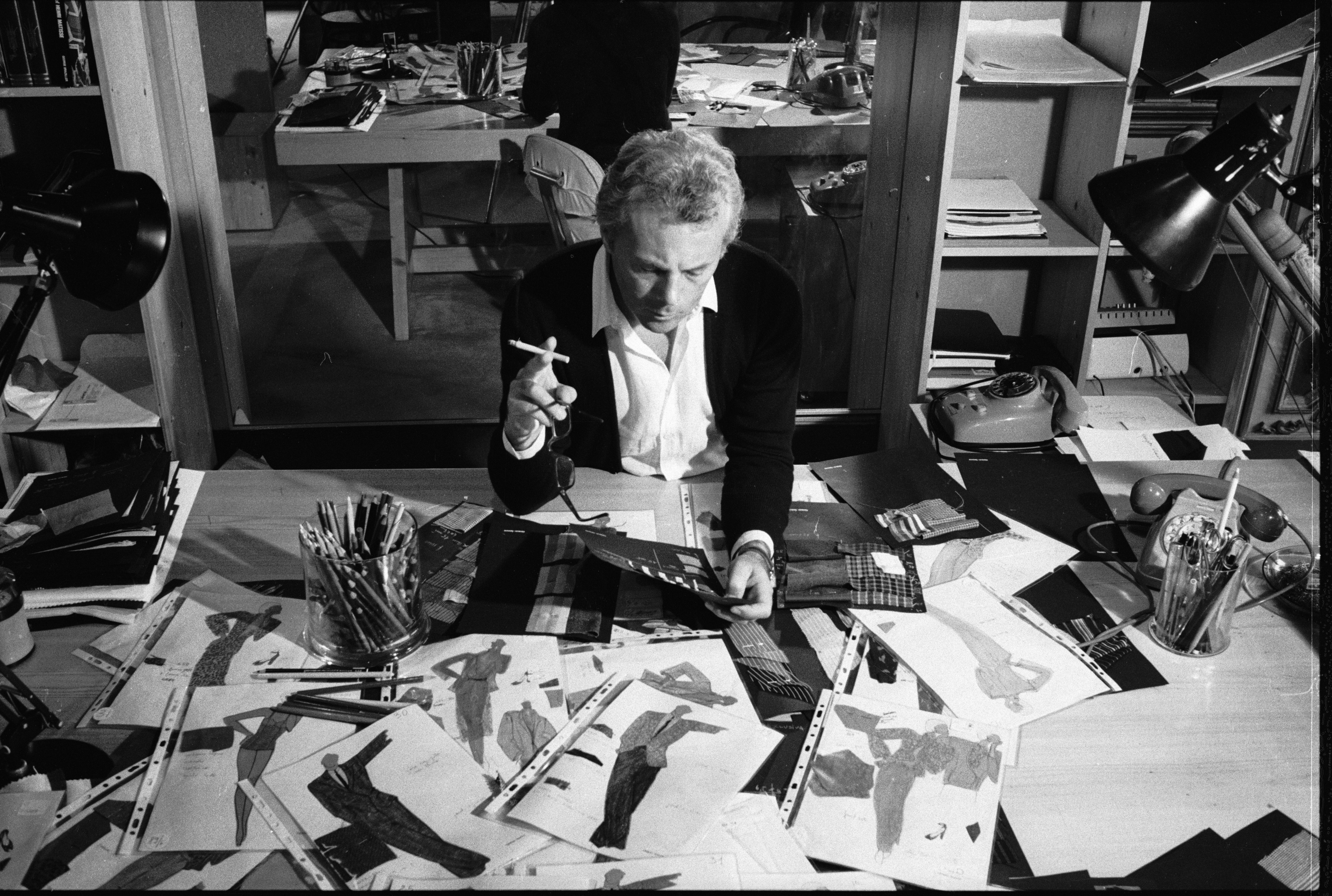
The meticulous, exacting perfectionist par excellence of the fashion industry, known to everyone in his Milan headquarters as Mr Armani – never Giorgio – reigned supreme in the world of impeccable dressing for half a century.
A formidable presence, he steered his international business until shortly before his passing at the age of 91. The official company statement describing its founder as a “tireless driving force” was no public relations exaggeration.
Retirement was never an option or even acknowledged by Italy’s most consistent couturier. A staunch disciplinarian, a fitness advocate, and a workaholic before the word was invented, he admitted recently in the Financial Times: “Everything you see has been done under my direction and carries my approval. My greatest weakness is that I am in control of everything.”
Armani, the sole shareholder in his company, the Armani Group, and the owner of factories exclusively manufacturing his collections, was described by industry resource The Business of Fashion as “the richest [fashion designer] in the world”.
Beyond being a financial phenomenon, Armani achieved what every fashion designer aspires to but few can achieve: creating a style that not only had a timeless quality but resonated across generations. The casual observer need only look around – at the media, on the streets, in the stores – to see that the Armani brand, often Emporio, still strikes a chord. His signature style – a subtle colour palette coupled with exquisitely engineered clothing – translated equally into sportswear and couture. A constant theme was an androgynous edge.
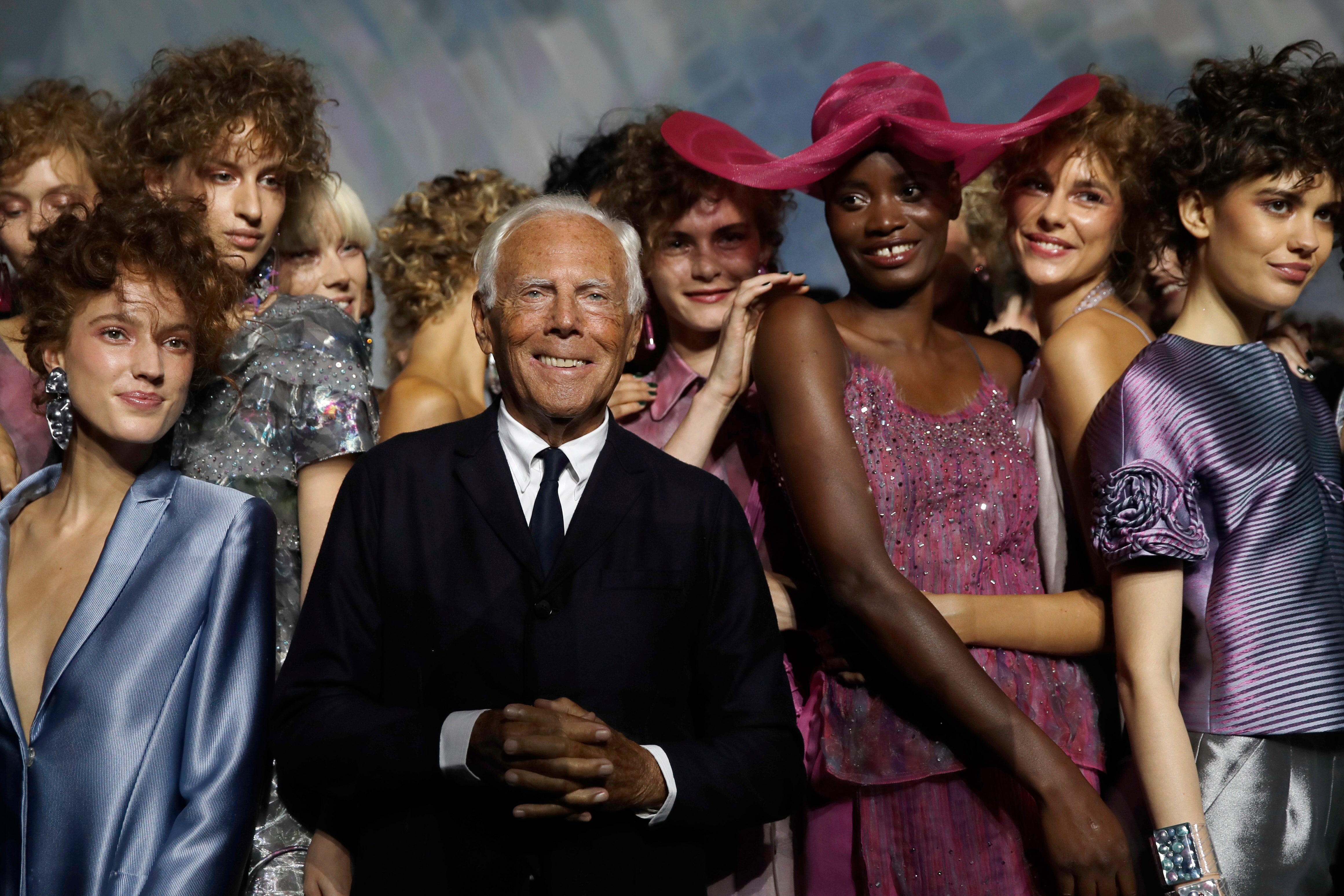
Born in Piacenza, northern Italy, on 11 July 1934, Armani was one of three children. His father worked as an accountant. Postwar, he endured a difficult childhood, admitting: “It was dangerous. There wasn’t very much. There was no food. My mother had a difficult time feeding us.” With initial ambitions to study medicine, Armani dipped his toe in academia, but he found the subject too dry and clinical for his liking, and he dropped out.
In common with some of the most financially successful designers, such as Ralph Lauren and Paul Smith, Armani undertook no formal training in fashion design but embodied the philosophy professed by the late John Fairchild of Women’s Wear Daily: “Fashion isn’t about clothes, it’s about people.”
Instead of fantasising about what an imaginary customer might want to wear, Armani learnt the fundamentals of fashion from the shop floor – or, more specifically, from the shop window – at the Milan department store La Rinascente. There, he told sartorial stories that changed with the seasons, dressing mannequins and accessorising outfits, and realised that he had not only a sense of style, but more importantly, an intuitive feel for fabric.
“I was never born with an extreme passion for fashion. It was almost by coincidence that I joined a big department store,” he told CNN. The lesson he drew from it was clear: “Always keep in mind what people can actually wear, and what makes them look and feel better about themselves.”
By the age of 41, Armani had substantial experience under his belt, together with enough self-belief and moral support to branch out and launch his own label. His partner Sergio Galeotti was the catalyst who, Armani later acknowledged, “gave me the courage to start a new life”.
Every fashion designer has their defining decade, and Armani’s was unquestionably the Eighties. Publicity for the Giorgio Armani label reached its pinnacle when Richard Gere appeared in the 1980 film American Gigolo, directed and written by Paul Schrader. The poster accompanying the movie release was a full-length shot of Gere – an international advertisement for Armani. Variety praised Gere’s appearance as “notably convincing in look and manner. Very low-keyed.”
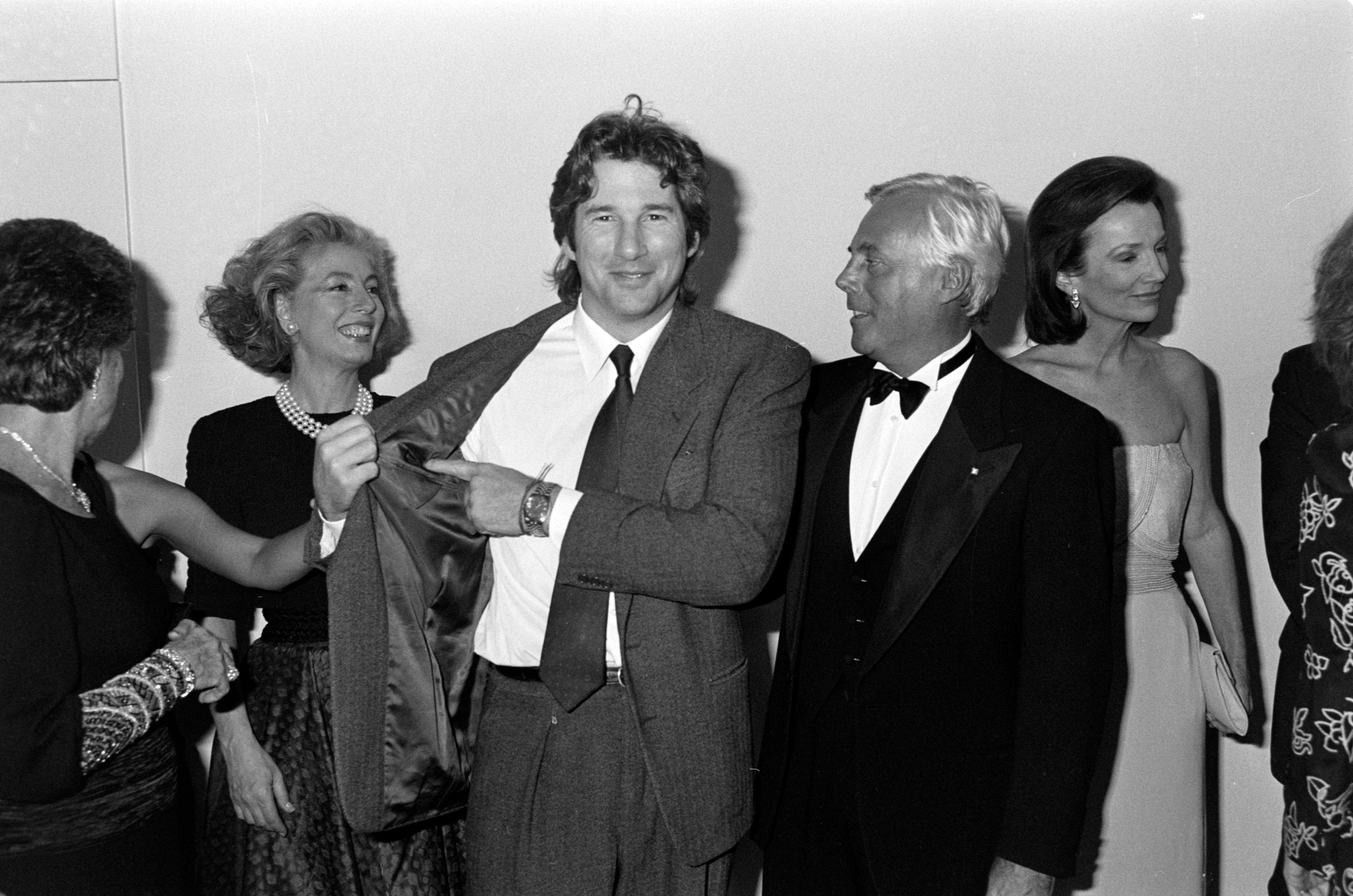
According to The New York Times: “For a time in Wall Street corner offices, Madison Avenue boardrooms and the executive suites of many Hollywood talent agencies, an Armani suit was the default uniform of authority.”
In 1990, Armani sealed his credibility in the US when Martin Scorsese made a documentary about him titled Made in Milan, in which Armani acknowledged: “I created all my work around the jacket. It was my point of departure for everything.” The consequent approval and awareness of the Armani style led to him dressing stars in more than 200 films, including The Wolf of Wall Street.
Chris Moore, the legendary catwalk photographer, who at 91 is the same age Armani was when he died, documented the designer’s collections from the beginning, and also took his portrait. “He was ultra-special to Milan and Italian fashion. He just had a special touch. When I took his portrait, he was very pleasant and incredibly well-mannered. It was only through being in the fashion industry that I knew how much he was revered.”
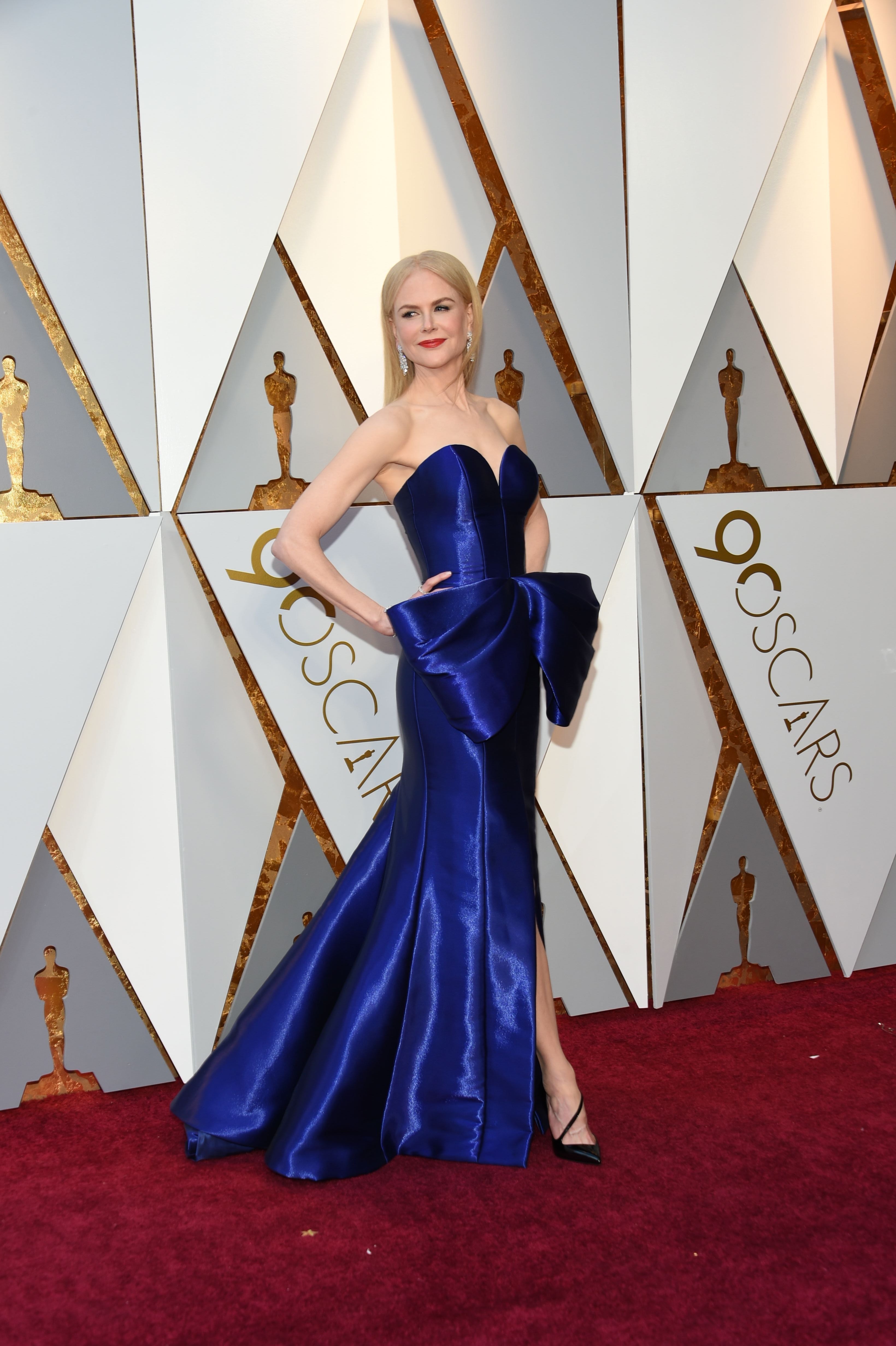
In the hugely competitive field of dressing celebrities for the Oscars, Armani continually captured the attention of stylists. Diane Keaton wore his design in 1978; Julia Roberts, George Clooney and Leonardo DiCaprio followed. Lauren Hutton, Beyoncé and Cate Blanchett all gained lustre from his gowns, a reflection of Armani’s enduring command of the red carpet.
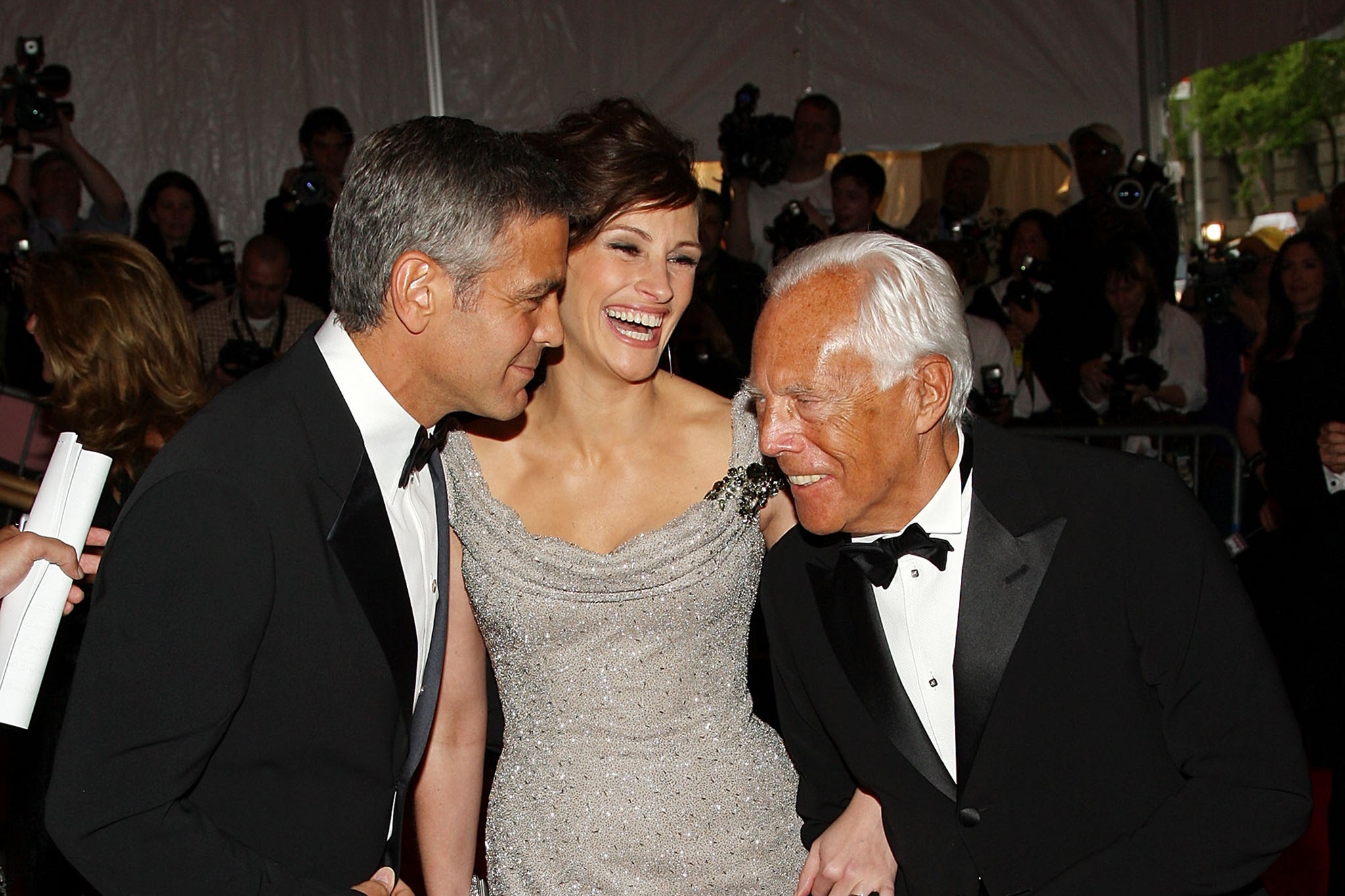
Although his collections and red-carpet appearances shaped the public perception, it was – as with other luxury houses, from Chanel to Dior – the cosmetics, fragrances and related goods that enabled Armani to become a billionaire. In the history of fashion, he will be remembered not for catwalk theatrics but for understated statements. He quietly but consistently put quality to the fore, and stayed true to his vision.
The sole shareholder of his empire until the end, Armani was still choreographing a tribute to his couture line, normally seen only twice yearly in Paris – Giorgio Armani Privé. According to the Istituto Marangoni, the exhibition “captures two decades of design as a series of emotions”, complete with a bespoke soundtrack by L’Antidote.
Former Tatler editor Jane Procter posted a picture of Armani with his arm around her at the opening of the Emporio shop on Bond Street around 2005, captioned: “Thank you Giorgio for giving us all the best clothes. Once you relaxed the rules, everything else followed. RIP.”
Armani himself put it simply: “At the end of the day, our goal is to make people more attractive, more beautiful.”
Linda Watson is the author of ‘Fashion Visionaries’, ‘Vivienne Westwood: Vogue on Designers’ and ‘Vogue: Twentieth Century Fashion’
Join our commenting forum
Join thought-provoking conversations, follow other Independent readers and see their replies
Comments
Bookmark popover
Removed from bookmarks