‘I lost my hair and stopped leaving the house’: Should female hair loss be seen as a disability?
A judge has made a landmark ruling that female baldness is a disability as it ‘adversely affects the ability to carry out everyday activities’ – and it has sparked a much-needed conversation about how women experience hair loss, writes Radhika Sanghani
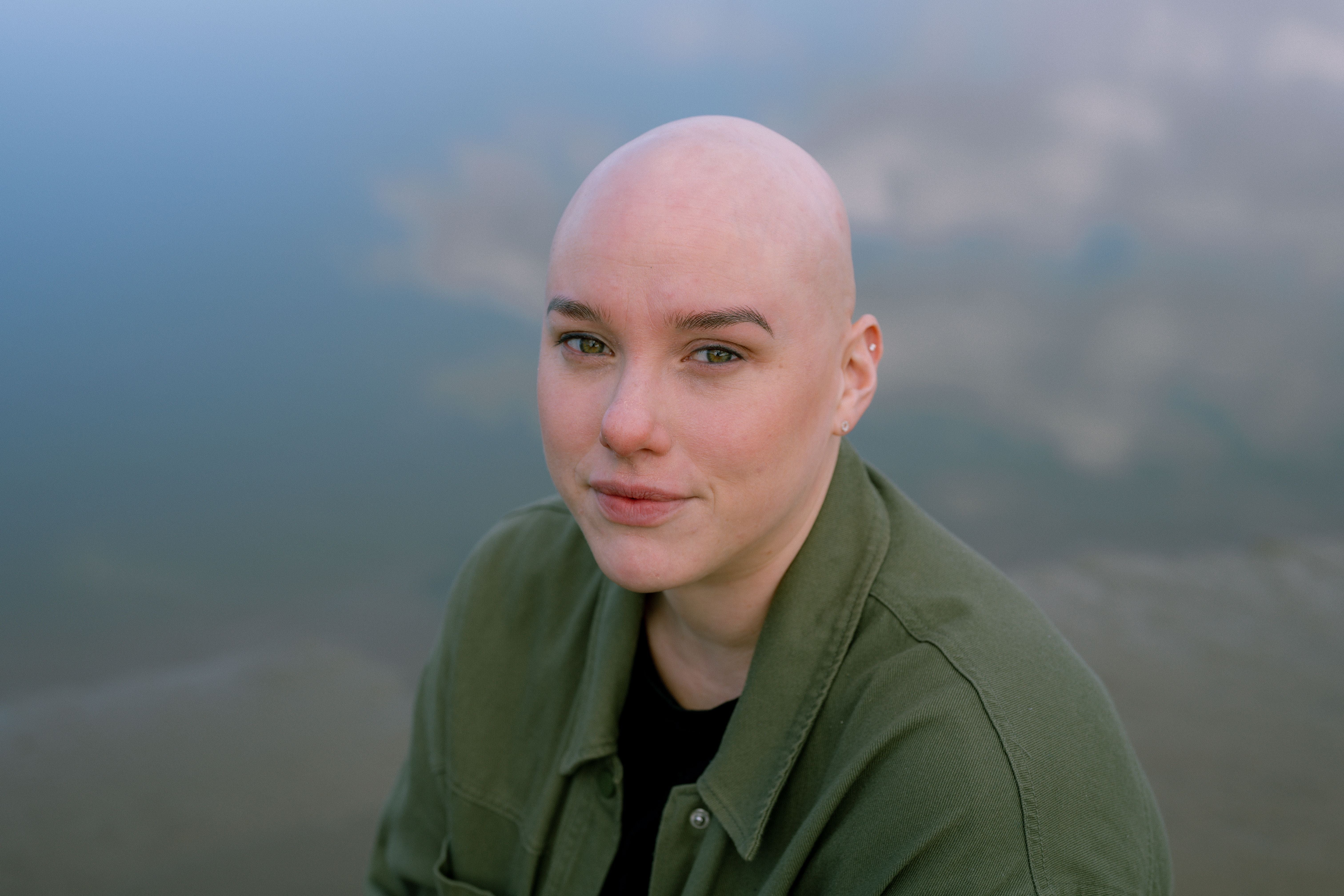
I was 13 years old when my hairdresser found the first bald patch at the back of my head,” says Laura Mathias, now 34. “It was the size of a 50p piece. Within weeks, there were more patches and they all started joining up.
“I thought about it all the time. I was freaking out about this massive change to my body that I could never have predicted happening to me as a teenage girl. I stopped going to school. I didn’t leave the house for six months. I felt like the only person in the world going through this. I’d never seen a happy, healthy bald woman or even a woman with hair loss or thinning hair. It made no sense to me.”
Mathias had alopecia areata, an autoimmune condition with no cure and no clear cause, that results in patches of hair loss. Over time, it progressed to alopecia totalis, generally defined as loss of all hair on the scalp and then alopecia universalis, a loss of all hair on the body, though Mathias occasionally finds patches of hair growing or regrowing in different areas on her body.
For 17 years, she covered up her hair loss by wearing wigs, until the pandemic forced her to examine her relationship with her alopecia. “I realised it’s crazy. I was so scared to be seen without hair that I kept my curtains shut and avoided answering the door to the postman. I thought I was choosing to get on with my life and not let alopecia define it. But I’d never felt I had a choice not to conceal my hair loss.”

Mathias is now an ambassador for charity Changing Faces and has a completely different relationship with her alopecia. She hasn’t worn a wig for two years, and as a visible difference campaigner, she’s keen for people to recognise the wide-ranging impact that hair loss can have on women – something that happened earlier this year in a UK court where a judge ruled that female baldness is a disability.
Hair loss can happen to anyone. It happened to me back in 2020 during the pandemic. At the age of 30, I found myself with bald patches on my scalp – for no reason at all. Doctors told me it could be linked to stress, but up until I found the patches, I’d felt more relaxed than I had in years. I had no idea what to do – the biggest stress in my life was the fact that my hair was falling out, and doctors telling me to be less stressed made me feel like it was all my fault.
I was lucky that my patches grew back within a year. If they’d worsened, I would have shaved my hair off and been forced to live life as a bald 30-year-old woman – something I’d never imagined happening. Back then, I didn’t have a choice about whether to leave the house or not, like Mathias did, because the national lockdown meant all our lives were restricted anyway. Part of me was grateful because it meant I didn’t need to cover up my patches with hairbands and scarves when out in public.
It’s why I understand the judges’ decision to make this landmark ruling. It came in a case where Mark Glenn Ltd, a company that provides specialist wigs for women struggling with hair loss, challenged a £277,083.10 VAT bill from HMRC. The wig company eventually won their case, with judges agreeing that female baldness should be recognised as a disability, thereby exempting the wigs from VAT.
“Severe hair loss in women constitutes an impairment that adversely affects the ability to carry out everyday activities,” ruled the judges. “This is not because hair loss physically prevents participation in such activities, but because of the distress that would ordinarily be experienced by a woman with severe hair loss if no steps were taken to conceal it.
“That distress arises from the cultural significance of hair to female identity, societal expectations regarding appearance and the different standards applied to women.”
Hannah Saunders, head of policy and education at Face Equality International, believes the ruling “could be groundbreaking for the many women affected”. But she also acknowledges the news may be bittersweet.
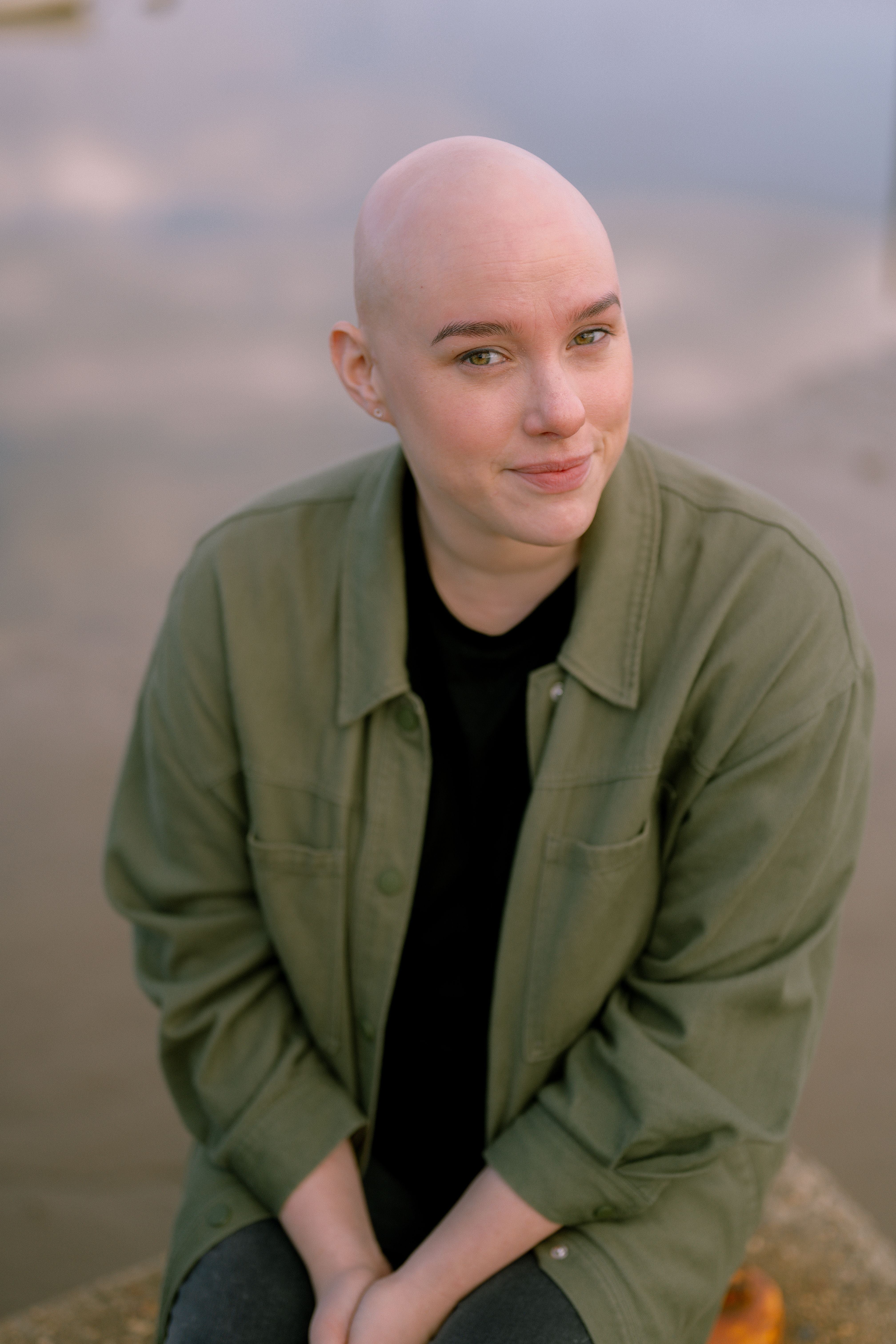
“Some people with hair loss and other forms of visible difference do not choose to describe themselves as disabled. That’s a very personal choice. But legal recognition remains important and I hope this decision marks the beginning of a long-overdue conversation about how law addresses the social barriers facing people with a range of visible differences.”
As someone with lived experience of hair loss, Mathias welcomes the ruling. “I understand why alopecia has been classed as a disability in this legal case, not because hair loss limits physical ability, but because of the real social, psychological and structural barriers people like me face as a result.
“Workplace discrimination, being treated as unwell or less credible, harassment and exclusion, and so on. The mental health impact comes from that stigma, not from the hair loss itself. Legal recognition offers important protection and leverage to challenge unfair treatment and hold employers to account.”
But she points out that the wording used in the ruling is concerning as it suggests that concealing hair loss is expected for women – something she herself believed for 17 years, and is now grateful to be free of.
“I’m not anti-wigs,” explains Mathias, who hasn’t worn one herself for two years. “But I want people to know it’s a choice and not an obligation. The wording used in the ruling makes me uncomfortable because it reinforces the idea that visible hair loss should be a source of shame.”
Amber Jean, a 32-year-old former model and founder of her own hairpiece business, feels similarly. She started her company to provide high-quality wigs for women with hair loss after losing her own hair at 15 to alopecia.
“Growing up in Ireland, I couldn’t find wigs or support to help me the way I wanted. You’re going through this hard thing and every step of the way, you don’t feel seen, heard or cared for. I created my business to help women within this space because they need to be supported during this hard time in their lives.”
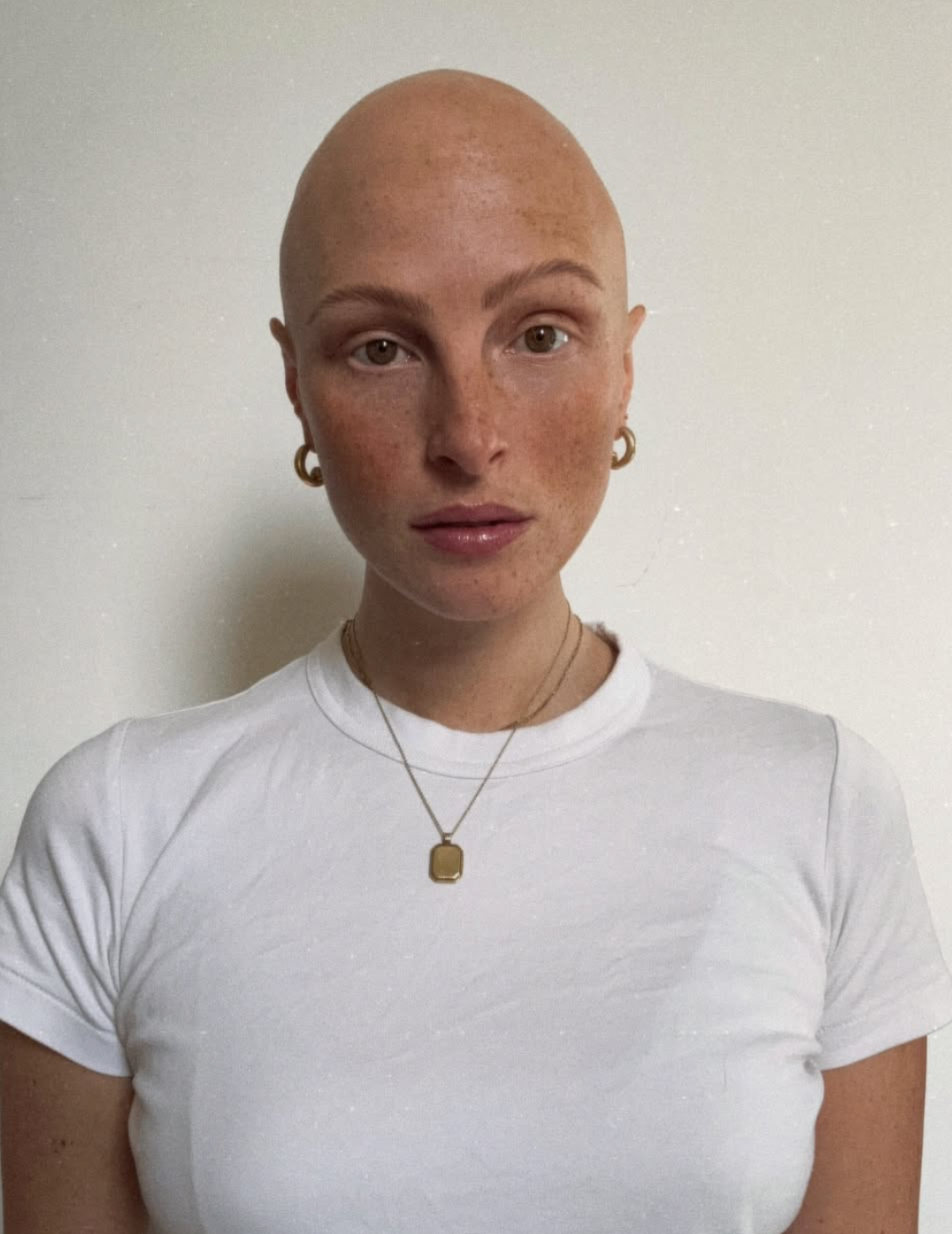
She spent years working as a model while wearing wigs to hide her alopecia. Even though she had a successful career, she still faced extra challenges due to her hair loss. “Trying to navigate that whole fashion world whilst wearing pieces, not wanting everyone to know – who do I tell, who do I not tell on set – it was a challenge,” she says.
“Growing up, I had dreams of becoming the next Julia Roberts. But with my hair loss, the first thing I thought was that’s no longer going to be an option.”
She now loves the way she looks with or without her wigs – “I’m proud I don’t need them, but I’m glad I have them in my life” – but knows not everyone does.
“Hair loss is always devastating on some scale. It can seriously affect women’s emotional wellbeing and mental health. Some women feel a total loss of self and identity, leading them to not want to leave the house or go to work.”
She doesn’t see herself as having a disability because of her hair loss, but recognises the importance of the ruling for those who do – and also those who might not use that language, but still struggle with the impacts of their hair loss.
“It’s hard as someone with hair loss to be deemed as someone with a disability, because I’m able to live my life and thrive. But if putting it under that umbrella means that people who need the extra support and care will receive it, then why not?”
While Mathias worries that using the term “disability” will undermine the experience of those in the disabled community, she too also welcomes the chance to use the social model of disability to protect people.
“I’ve lived longer without hair than with it, and I believe alopecia, and other visible differences, should be protected under the Equality Act because of how society and systems respond to them, not because the condition itself is inherently limiting,” she says.
“I have ADHD and that’s a disability. I have to tick that when applying to jobs. Does alopecia impact my day-to-day abilities too? Yes. I have to navigate the world as a bald woman.”
Alopecia UK, a charity supporting people affected by the condition, agreed with the “judges’ recognition that alopecia can, for some people, have a significant impact on daily life”.
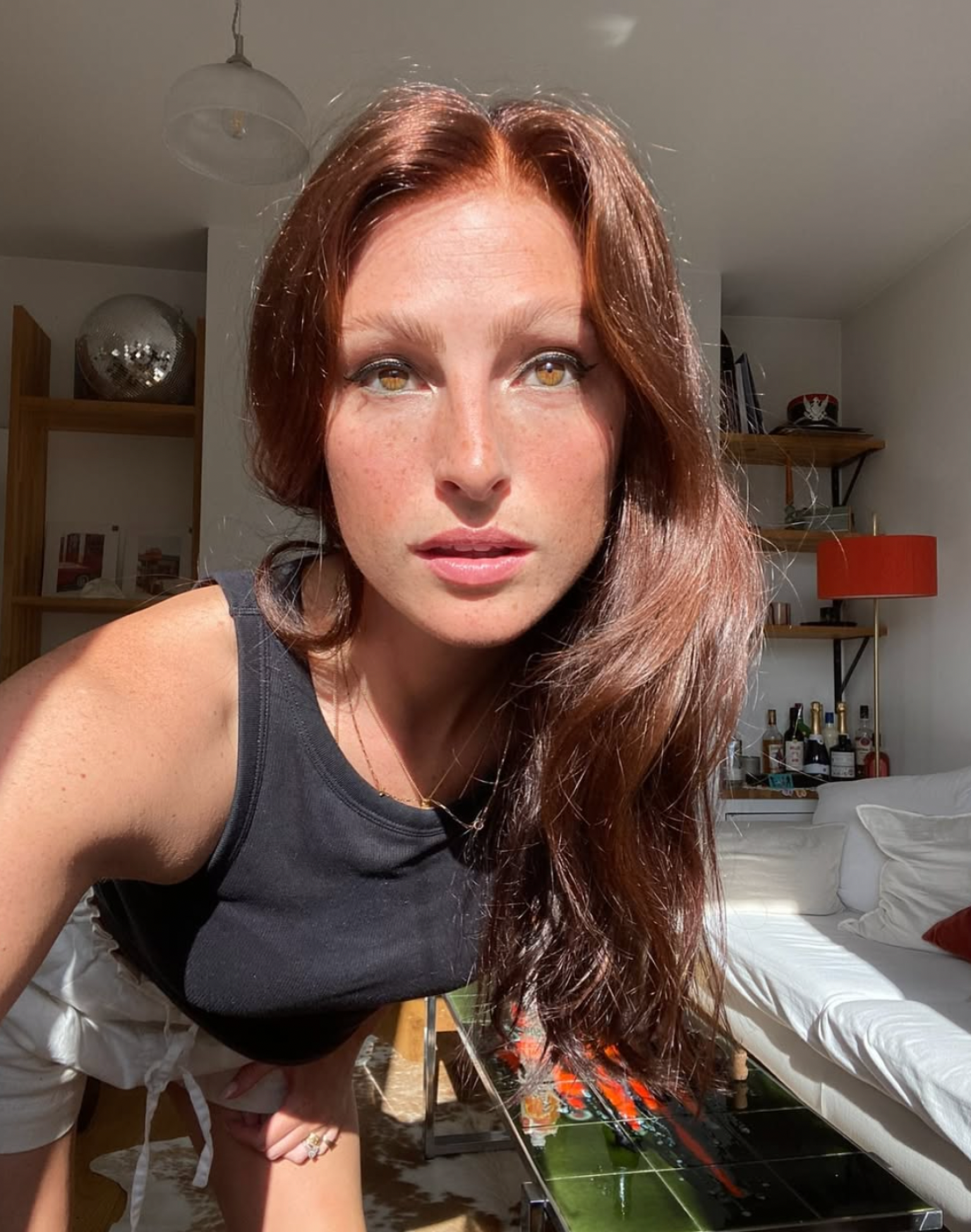
“We were disheartened and disappointed to read that lawyers acting on behalf of HMRC argued in this case that alopecia is a ‘cosmetic problem’,” said the charity. “Many in our community will recognise the frustration behind that phrase. Hair loss is not simply about appearance; for many people, alopecia has a profound impact on confidence, identity, mental health, and everyday life.”
But the charity also expressed confusion on the VAT exemption for people with alopecia as the HMRC’s guidance currently defines eligibility as relating to people who are “disabled or those with chronic illnesses”, and alopecia is widely recognised as a chronic condition.
“In practice, most UK wig suppliers that we are aware of already offer VAT exemption options for people with alopecia when wigs are worn for medical, not fashion, reasons, and we are unaware of any other businesses being challenged by HMRC,” said Alopecia UK. “We hope this decision will encourage HMRC to reaffirm that VAT exemption on wigs for people affected by alopecia is both appropriate and fair – especially given the already significant financial burden many face.”
Jean, whose company sells wigs to women with hair loss, many of whom do have alopecia, is unsure how the VAT side of the ruling will affect her business, as most of their clients are already medically exempt from VAT. But she hopes it will help any women whose hair loss is not currently classified as a chronic illness.
“Each woman going through hair loss will take it so differently because of finances, family, and so much more. Some feel supported and others don’t. When people are going through hair loss, their main issue is that they get support. My hope is this ruling helps women get the support they need.”
Join our commenting forum
Join thought-provoking conversations, follow other Independent readers and see their replies
Comments
Bookmark popover
Removed from bookmarks