Will border checks in EU be tougher in November?
Simon Calder answers your questions on European travel rules, safety in Lebanon, and Italian adventures

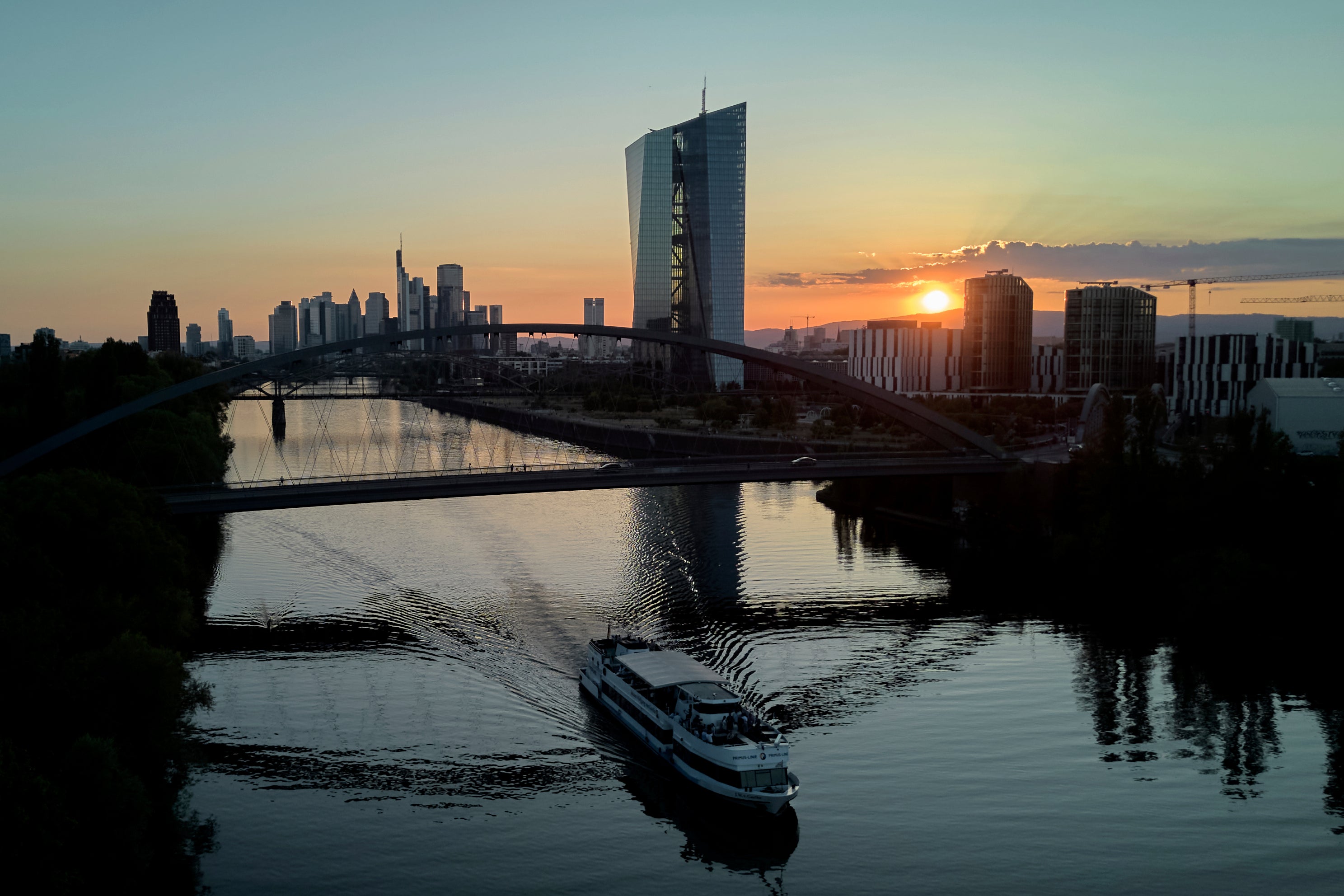
Q I am travelling to Germany in November. What extra scrutiny will I face as a result of the new European rules?
Paul Y
A The EU’s much-delayed “entry-exit system” (EES) will start to be rolled out on Sunday 12 October. It will digitally connect every frontier in the Schengen area (comprising all EU nations except Ireland, plus Iceland, Norway and Switzerland) with a central database.
Each “third country national” – as the British opted to become after Brexit – will go through a biometric check when crossing in and out of the Schengen area. On first registration, they must provide fingerprints and a facial biometric. After that, it will be only the face that is scanned. The new system has two main aims: to identify suspected criminals, and to police the limit on stays of 90 days in any 180 days that applies to third country nationals.
It is a precursor to the European Travel Information and Authorisation System (Etias), the so-called “euro-visa” that will be launched no earlier than October 2026. Initially only a small proportion of people crossing borders in or out of the Schengen area will go through entry-exit system procedures. Many will swerve the formalities because either the frontier crossing is not yet equipped for the task, or because only a proportion of travellers will be selected to have their biometric details checked.
You also may have read that holidaymakers will need to prove they have travel insurance in place. I have seen no evidence that is the case in any of the relevant EU rules and directives, and none of my key travel industry contacts is aware of any such demand.
The Reform leader, Nigel Farage, apparently knows something the travel industry does not. He told The Mail on Sunday, “all the travellers who go to France will have to prove they have medical insurance in place”, which, he said, ”will be a very lengthy process”. I have asked for more details from Reform. While I await that evidence, let me point out that in theory an individual EU nation could introduce its own requirement. But the complexities are boggling: who would specify what the insurance should cover? How would the policy details be checked, given the scope for misrepresentation by travellers? For now I believe you have no need to worry about travel insurance.
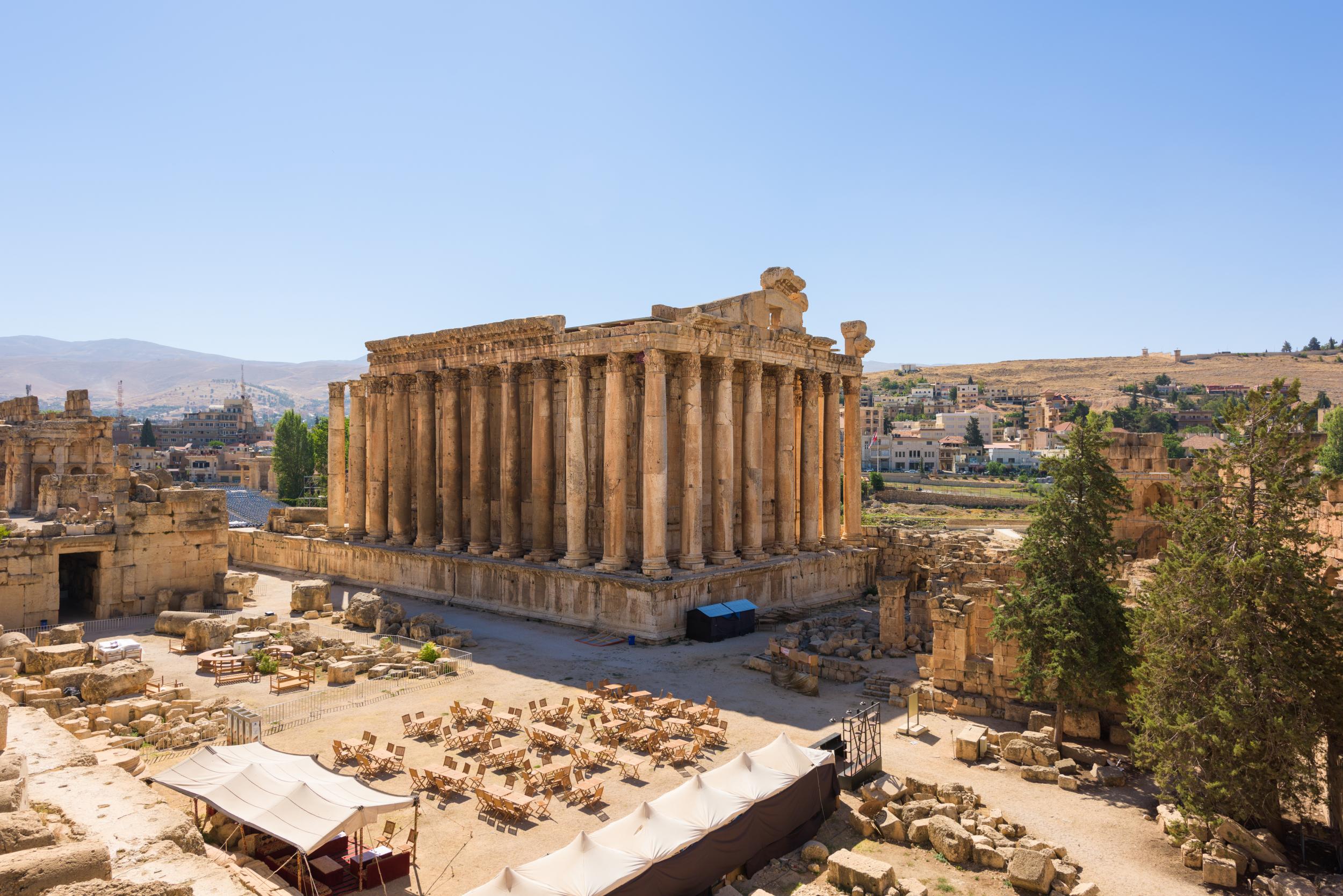
Q I am booked on a one-week private tour of Lebanon, taking in the main tourist sites, in October. I see that since July, the Foreign Office has advised against travel to what appears to be most of the country. I am with a reputable local operator who will know where is safe and where is not. But what can I do about insurance?
Lydia F
A The Foreign Office (FCDO) has a complex risk-assessment map for Lebanon. All the border areas within five to 15 miles of Syria, as well as the south of the country close to Israel, get the highest warning: “Advise against all travel.” The main issue for tourists is that this includes the ancient city of Baalbek in northeast Lebanon, near the Syrian border. (The no-go zone also includes an area of south Beirut and a refugee camp north of the capital, which you are unlikely to visit.)
The second level of FCDO warning, advising against “all but essential travel”, applies to a buffer zone extending 10 or 15 miles from the highest-risk areas. Both these ratings mean mainstream insurers will not cover travellers who venture to such areas. A typical policy excludes “any claim arising as a result of your travel to a country to which the Travel Advice Unit of the Foreign Office has advised the public not to travel”.
One consequence of the Covid pandemic is that the travel insurance industry is now much more adept at covering trips to areas on the no-go list. That stems from a spell when, for example, Portugal was considered by the FCDO to be as risky as parts of the Afghan capital, Kabul.
Contact specialist insurers such as Battleface, Campbell Irvine and High Risk Voyager to obtain a suitable policy. You will need to call them rather than getting a quote online. But if you already have an annual policy covering “normal” destinations, as many travellers do, I suggest you wait a while longer. The degree of detail in the Foreign Office advice indicates that the British embassy in Beirut is closely focused on risks. Accordingly, the advice may be eased over the next couple of months, which may mean the problem goes away. Alternatively, the danger may intensify, in which case you might want to reconsider your trip.
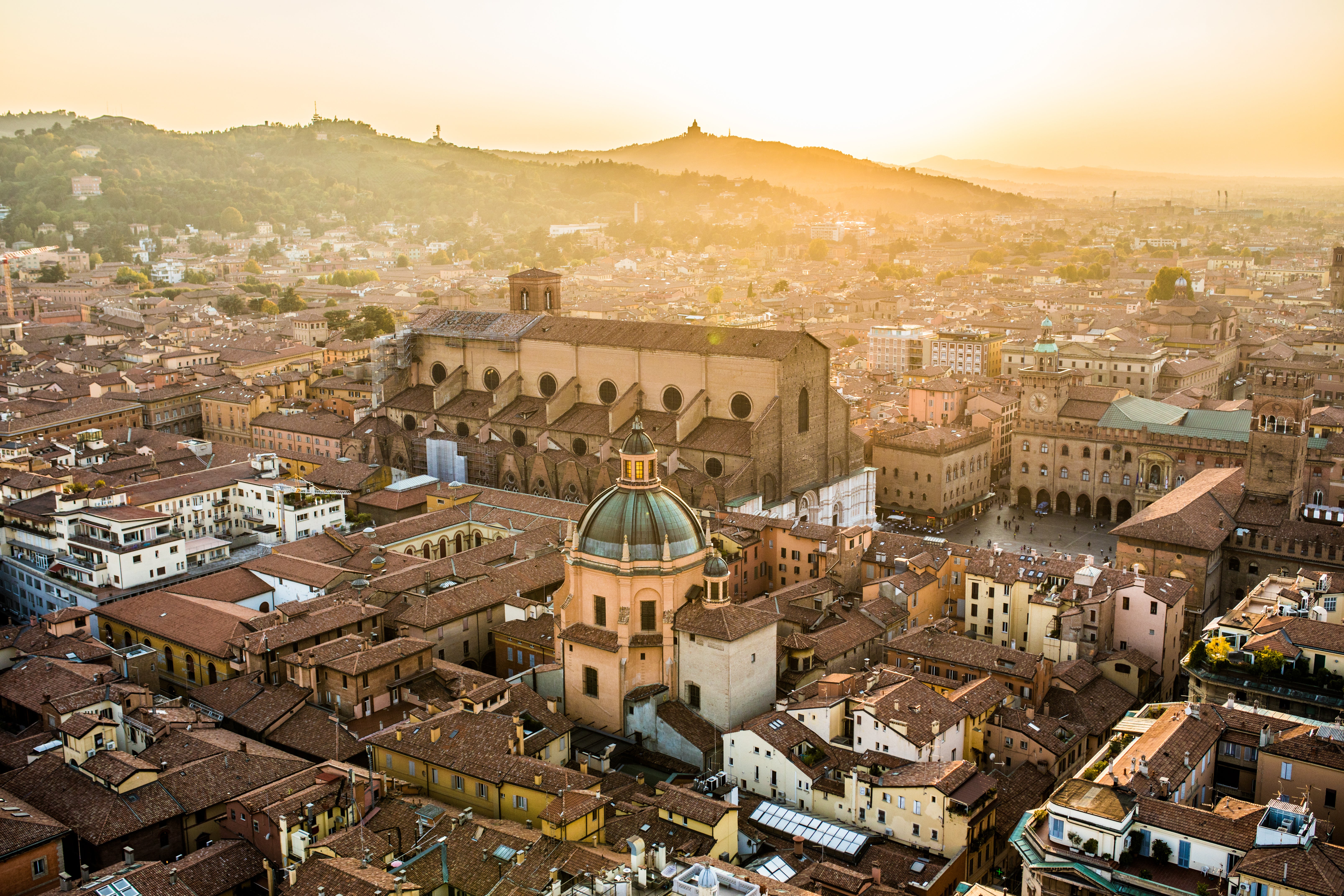
Q My dad (61) and I (29) have booked flights to Bologna for a four-night trip in late August. We are both keen runners, sightseers and café-goers, but can take or leave most museums and art galleries. We’d like to stay in one hotel for the duration of our trip, but with the possibility of day trips elsewhere. We’re not sure whether to stay in Bologna, Florence, Ravenna or Modena to base ourselves. What would you recommend at this time of year?
Kate McIntosh
A Bologna is an excellent place to base yourselves. The city is beautiful and atmospheric, and excellent restaurants abound. Transport is good: the airport is close to the city, and Bologna is the key rail hub for north central Italy – where the lines linking Milan with the Adriatic and Venice with Florence converge. It is therefore an ideal location for excursions. Assuming you spend a couple of days sightseeing, coffee drinking and running in Bologna, let me recommend two day trips. In August, I strongly recommend avoiding the extreme crowds in Florence. Instead, travel to Ravenna, formerly the capital of the Western Roman Empire. Exquisite mosaics have been preserved at five key locations in the city centre. The train takes just over an hour. Walk 10 minutes from the railway station to the first of them, the Basilica of Sant'Appolinare Nuovo, and buy a day ticket for all the locations.
For a second day out, try Padua – arguably the birthplace of the Renaissance. A seven-minute walk from the railway station takes you to the Scrovegni Chapel, where Giotto di Bondone’s frescoes transformed notions of art. Book in advance to guarantee your place; it opens daily except Monday. The visit comprises 15 minutes in a sealed antechamber, where your body's excess moisture is extracted to avoid it damaging the fragile frescoes, and a further quarter-hour with the masterpieces. Padua’s sleepy charms may not detain you for much longer, so stop off in Ferrara on your way back to Bologna.
Buy train tickets with the Trenitalia app, which has a good English-language version. It avoids station queues and the need to validate your tickets. No need to commit in advance to particular trains, just book as you're walking to the station.
Email your question to s@hols.tv or tweet @SimonCalder
Join our commenting forum
Join thought-provoking conversations, follow other Independent readers and see their replies
Comments
Bookmark popover
Removed from bookmarks