The midlife health tests every man should have (and the symptoms to never ignore)
As David Cameron reveals he only discovered he had prostate cancer after his wife made him go for a test, Josh Burt explains why his generation are stuck in a health rut and why he has decided to take back control and sort out his own health reset.


Here’s something I took it upon myself to do a few months ago: I booked in with the doctor and went to have my prostate checked. Recent reports suggest that the NHS is repeatedly failing to call in men over 40 for their annual MOT, but this wasn’t anything to do with that – this was more for my own peace of mind (blood in stool; we don’t need to get into that right now).
I’m not sure what the protocol is here. I know there’s such a thing as doctor/patient confidentiality, though I don’t know whether that rule works in reverse. But I don’t think it’s speaking out of turn to say that I went the old-school method too: the lubricated glove. I lay on a bed in something close to the foetal position, naked from the waist down, staring at a putty-coloured wall. It didn’t take long – just a quick poke around – and it was over in a jiffy.
My doctor assured me we could have just done a blood test, but I’d mentally prepared myself for a physical examination, so that’s what I got. If you’ll excuse the pun, it felt like a rite of passage.
The upshot was that I’m fine, prostate-wise.
They say prostate cancer affects one in eight men during their lifetime. David Cameron has just disclosed that he was diagnosed with cancer and has called upon the government to introduce targeted screening. The former prime minister said he only went for the PSA test after being encouraged to get checked by his wife, Samantha.



When a biopsy confirmed the diagnosis, he told The Times: “I had this decision to make, which lots of people with prostate cancer have. Do you watch and wait? Or do you look at what the treatment options are? Do I want to take the risk of not acting, or do I want to take the risks of acting?” Cameron elected to have focal therapy, where needles deliver electric pulses to destroy cancerous cells. Now, after successful treatment, he was given another MRI scan in June and was given the all-clear.
With most cancers, early detection is essential for positive outcomes, but Cameron, 59, is typical among many midlife men in that it took a prompt from his wife to go for a test in the first place.
The NHS data about men’s health suggests this is an issue affecting men of a certain vintage. As midlife men, we seemingly have a collective inability to face uncomfortable truths. As Gen-Xers, we’re caught in a kind of generational limbo: too young to fully embrace the stoicism of the Boomers, too old to be completely at ease with the openness about our health and vulnerabilities that defines younger generations. As a result, we tend to politely ignore problems in the hope they’ll go away.

It took numerous nudges from my wife for me to get a weird mole on my back checked out, for example. And though it was ultimately fine, nothing to worry about (some kind of wart situation, apparently), I was all too aware that leaving suspicious-looking changes unchecked can lead to serious complications. Yet still, I buried my head in the sand.
“The cardinal pillars of masculinity say we’re supposed to be ‘sturdy oaks’, all self-reliant and independent, and playing the ‘patient’ role is anything but,” says Gary Wood, author of The Psychology of Gender.
“Plus, a trip to the doctor might feel like you’re poking a hornet’s nest – and even if it’s not terrible news, it might be inconvenient news that gets in the way of things you’d rather be doing than sitting in a waiting room.”
The truth is, it’s not easy being a man in midlife. Our risk for various cancers increases (colorectal as well as prostate). We start to lose muscle mass (sarcopenia) at a relatively rapid rate. Osteoarthritis can start to affect our knees. Back pain becomes more common.
It’s why, as I turn 50, I’ve taken it upon myself to treat the coming year as a personal reboot – a time to get things right in the lead-up to my second act (or third act, depending on how half-empty/full glasses of water strike you). After all, if even Prince William, our future King no less, has reportedly been cutting down on sugar and getting into shape as he approaches midlife, shouldn’t we all start following suit?
In my case, I can tick the prostate test box and move on to the next part of my gigantic shopping list of midlife health issues I’m keen to address over the next 12 months.
I certainly found my late forties a struggle, as have lots of my male friends. For all the highs that come with fatherhood or the odd professional moment in the sunshine, almost without exception, we’ve had mental health wranglings. Depression and anxiety are often underdiagnosed in men, and the heady midlife cocktail of career stress and financial pressure has seen many of us come a cropper at various times. Tragically, I even lost a close friend to suicide (the statistics will tell you that men between 45 and 54 are the most vulnerable) shortly after he lost his job.
THE BIGGEST MISTAKES MEN MAKE ABOUT THEIR HEALTH IN MIDLIFE
- Ignoring symptoms
- Avoiding GP appointments
- Assuming “it’s nothing”
- Leaving moles, lumps or changes unchecked
- Drinking more than 14 units a week
- Skipping strength training
The medical implications of being a man in your fifties are pretty stark and unsettling, even at a relatively mundane, non-critical level. My slowing metabolism is going to make it harder to maintain my dadbod; my testosterone levels are going to drop, which will affect my mood (and could make it more difficult to sustain an erection); my eyesight is not what it was (I oscillate between reading glasses and distance glasses); and that simmering anxiety playing in the background? I can’t tell if it’s a cardiovascular issue or the state of the world.
It might be a bit of both, I suppose. So how do I best approach the next 12 months?
“As men get older, they tend to lose muscle, strength, bone density and endurance,” says personal trainer Charlene Hutsebaut. “So the best way to stay healthy is to combine strength training with aerobic exercise and balance work.”
“Therapy,” insists my friend James. “You need therapy. I can’t recommend it enough. It sorted my head out when I needed to make some difficult life-changing decisions.”
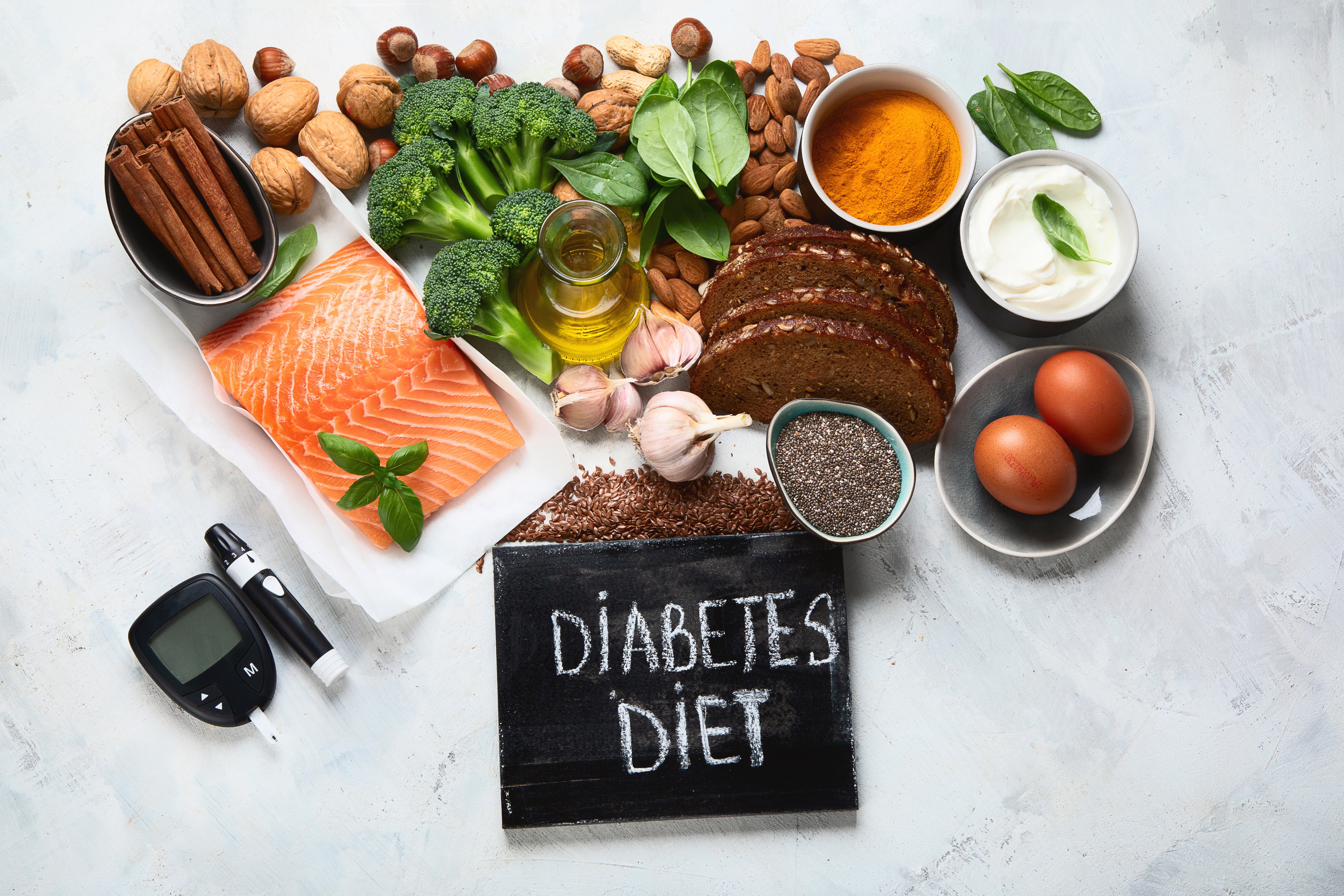
One thing is for certain: like Peter Kay, who recently revealed he spent “the first 48 years” of his life unsuccessfully trying to lose weight – joining every diet group going, from Slimming World to Weight Watchers – I’m going to have to accept that some battles require more than just willpower and good intentions. “Diets high in refined carbohydrates and added sugars can lead to insulin resistance, obesity and type 2 diabetes – all of which speed up ageing,” says nutritional therapist Rebecca Pilkington.“So optimising protein and fibre is essential. That means lots of fruit and vegetables.”
This is just the beginning. Next comes the conversation with my GP about whether my sleep issues are stress-related or something more serious, and a discussion with my barber about what’s next for my hair. Because while I can’t control everything about getting older – the waning eyesight, the way hangovers now come with an existential crisis – I can control how I approach them.
So here’s to the next 12 months of taking charge, one uncomfortable encounter at a time. After all, if I can survive a finger up the bum in the name of preventative healthcare, I’m pretty sure I can do anything.
Recommended Health Tests for Men 40-65
1. Blood pressure check (every 1-2 years) One in 2 men over 50 have high blood pressure (often untreated), and heart disease is the leading cause of death in UK men. High blood pressure has no symptoms but increases the risk of stroke, heart attack and kidney disease. Target: below 140/90; ideally 120/80.
2. Cholesterol test/lipid profile (every 5 years, more often if high) Check LDL (“bad”), HDL (“good”) and triglycerides – essential for assessing heart disease risk.
3. Blood Sugar Test/HbA1c (every 3 years) Screens for type 2 diabetes or prediabetes which are common in midlife.
4. Bowel cancer screening NHS sends a FIT home test every 2 years from age 56. You can request earlier if you have symptoms or a family history. Early detection is extremely effective.
5. Prostate health The NHS is not broadly inviting all men for regular prostate screening, but they are trialling a system that could pave the way for a future national screening programme. Discuss with your GP if you have a family history or urinary symptoms. Options include a PSA blood test or a digital rectal exam.
6. Weight, BMI & maist measurement (annually) Only one in 3 men in their fifties meets recommended exercise levels, and muscle mass declines by 1-2 per cent per year unless strength training is added. Around 70 per cent of men aged 55-64 are overweight or obese. Waist size is especially important: Over 94 cm increases risk and over 102 cm equals high risk (diabetes, heart disease)

Reduce processed meat, sugar and salt. Aim for a whole-food, Mediterranean-style diet. Combine protein with fibre. Fibre feeds gut microbes while protein repairs tissue and supports immunity. Together they improve digestion, metabolic health and inflammation.
7. Liver function test (every 3-5 years) Men aged 45-64 are the heaviest-drinking group and this test is recommended for men who drink regularly, are overweight and who have diabetes or high cholesterol. Advice: stay under 14 units per week, with at least 2 drink-free days.
8. Kidney function test (every 3-5 years) Usually done via blood and urine. High blood pressure and diabetes are major risks.
9. Testosterone check (if symptoms appear) Not routine – but worth checking if you have:
- Low libido
- Fatigue
- Mood changes
- Loss of muscle
- Erectile difficulties
10. Eye test (every 2 years) Checks for glaucoma, macular degeneration and diabetes-related changes.
11. Hearing test (every 3 years from 50) Hearing loss often creeps up unnoticed.
12. Skin cancer check (annually if high-risk) Especially important if you have many moles; burn easily and work outdoors
13. Heart disease risk assessment (every 5 years from 40) A QRISK score combines blood pressure; cholesterol; weight; smoking status and family history
14. Mental health check-up Midlife is a peak time for: Stress, depression, burnout, relationship and financial pressure. A conversation with your doctor can help. Also midlife is a time for sleep issues; Aim for 7-8 hours. If you suffer from loud snoring or daytime fatigue, ask your GP about sleep apnoea.
Join our commenting forum
Join thought-provoking conversations, follow other Independent readers and see their replies
Comments
Bookmark popover
Removed from bookmarks