Could postbiotics become the most powerful ‘biotic’ yet? Here’s what the experts say about the gut health supplements
You can now purchase postbiotics in supplement form and some studies look promising, but do they actually benefit gut health?
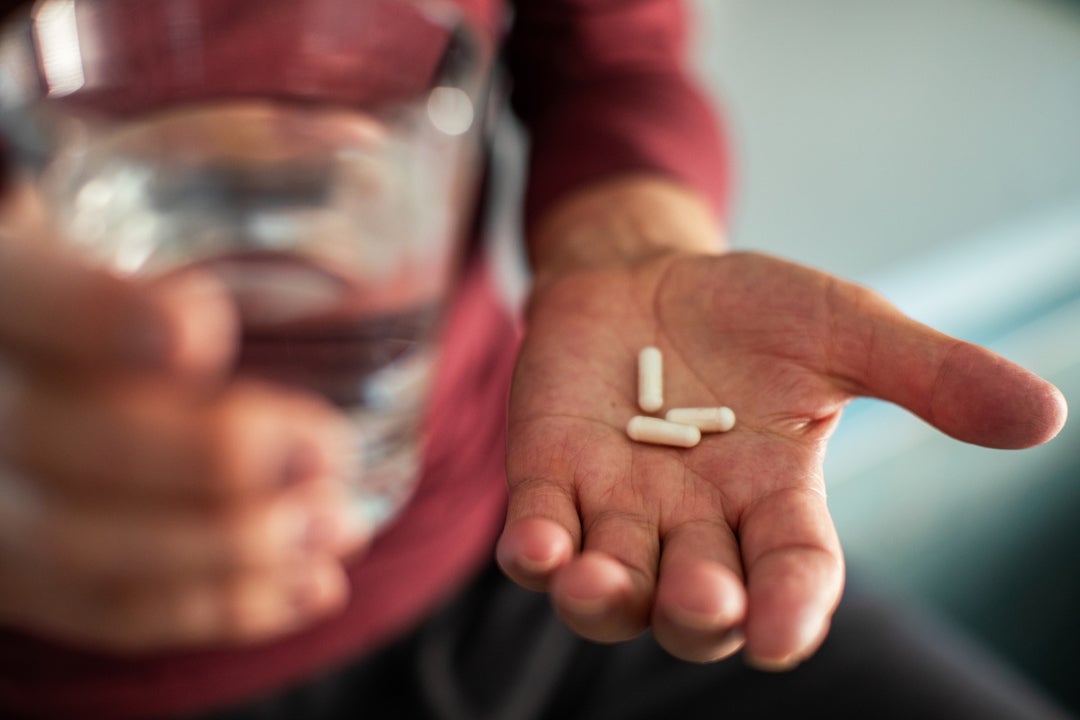
We’ve grown somewhat familiar with probiotics as gut health has enjoyed its moment in the spotlight. Then of course, there are prebiotics. But it’s the third biotic: postbiotics that’s now gaining the attention of health and wellness-conscious consumers.
Unlike prebiotics which are found in high-fibre foods and feed good bacteria in our guts, and probiotics – the beneficial live bacteria found in foods and supplements – postbiotics are bioactive compounds produced by those live bacteria after prebiotic fibre is fermented in the gut. They are essentially the end products of probiotic activity.
However, despite being the end product, studies show that postbiotics are valuable and support good gut health which can in turn support immune function, hormone health and mental health.
Nutritionist and epigenetic expert Natasha Draycott explains that our bodies usually make enough postbiotics on their own but that postbiotic supplements are particularly beneficial to those who might not make enough postbiotics naturally.
“If you don’t eat much fibre, have taken antibiotics, or struggle with gut issues, you may not have enough postbiotics, but ideally, your body should be able to make plenty on its own,” she says.
Draycott’s advice is to ensure you have the foundations of a healthy lifestyle in place first before considering postbiotic supplements.
She advises: “Eat a diet rich in plants and healthy fats (like olive oil, avocado, nuts and oily fish), along with good sleep, regular movement, and keeping alcohol low, because these habits support a healthy gut microbiome, which in turn helps your body produce its own beneficial postbiotics.”
 Can taking a probiotic help with mood and immunity as well as gut health? And which type should you take?
 How I wellnessed my way out of the winter blues with sleep, sunlight and good gut health
 I drank kefir for a month and it made me feel like a superhuman – what’s the secret behind this gut-friendly drink?
 10 best probiotics to help improve gut health
What are postbiotics, and who can take them?
“Postbiotics are the beneficial compounds produced when our gut bacteria ferment fibre and other nutrients,” says nutritionist Jessica O'Dwyer. “In other words, they’re the bioactive substances left behind after probiotics (live bacteria) do their work. These include short-chain fatty acids like butyrate, as well as peptides and enzymes, which directly influence our gut health.”
O'Dwyer adds that anyone can benefit from postbiotics in theory, but especially those with existing gut conditions. “Postbiotics are particularly supportive for individuals with gut barrier dysfunction, inflammation, poor immune regulation, or if you have IBS or SIBO, and can’t tolerate live probiotics,” she says.
Postbiotics are gentler on the stomach than probiotics, making them suitable for a wider range of people. However, nutritional therapist Ruchi Bhuwania Lohia says that they’re not totally safe for everyone and that if you’re considering taking this kind of supplement, you should always seek advice first.
“Postbiotics safety data is limited for severely immunocompromised individuals, critically ill patients, or those with unstable autoimmune conditions. In these situations I would recommend seeking guidance from a qualified healthcare professional,” she advises.
What are the different types of postbiotics?
Postbiotics can come in multiple forms depending on the compounds produced after probiotic fermentation has taken place and each has its own benefits for gut health.
“Short-chain fatty acids are the main ones, such as butyrate, acetate and propionate,” says O’Dwyer. “They nourish the gut lining, regulate inflammation and support our metabolic health.” Draycott adds that you can boost your own butyrate production by eating plenty of fibre-rich foods such as oats, beans, lentils, onions, garlic and bananas.
“Some postbiotic supplements are made by taking beneficial bacterial or yeast strains and then heat-treating them, so the organisms are no longer alive. Even though they’re inactive, they can still benefit the gut lining and immune system,” continues Draycott.
Bhuwania Lohia explains that these benefits are delivered through components of cells, like cell wall molecules, which then work to support our immune system and gut barrier. “For example, heat-inactivated Lactobacillus strains have been used to regulate immunity and strengthen intestinal health,” she says.
What are the benefits of postbiotics?
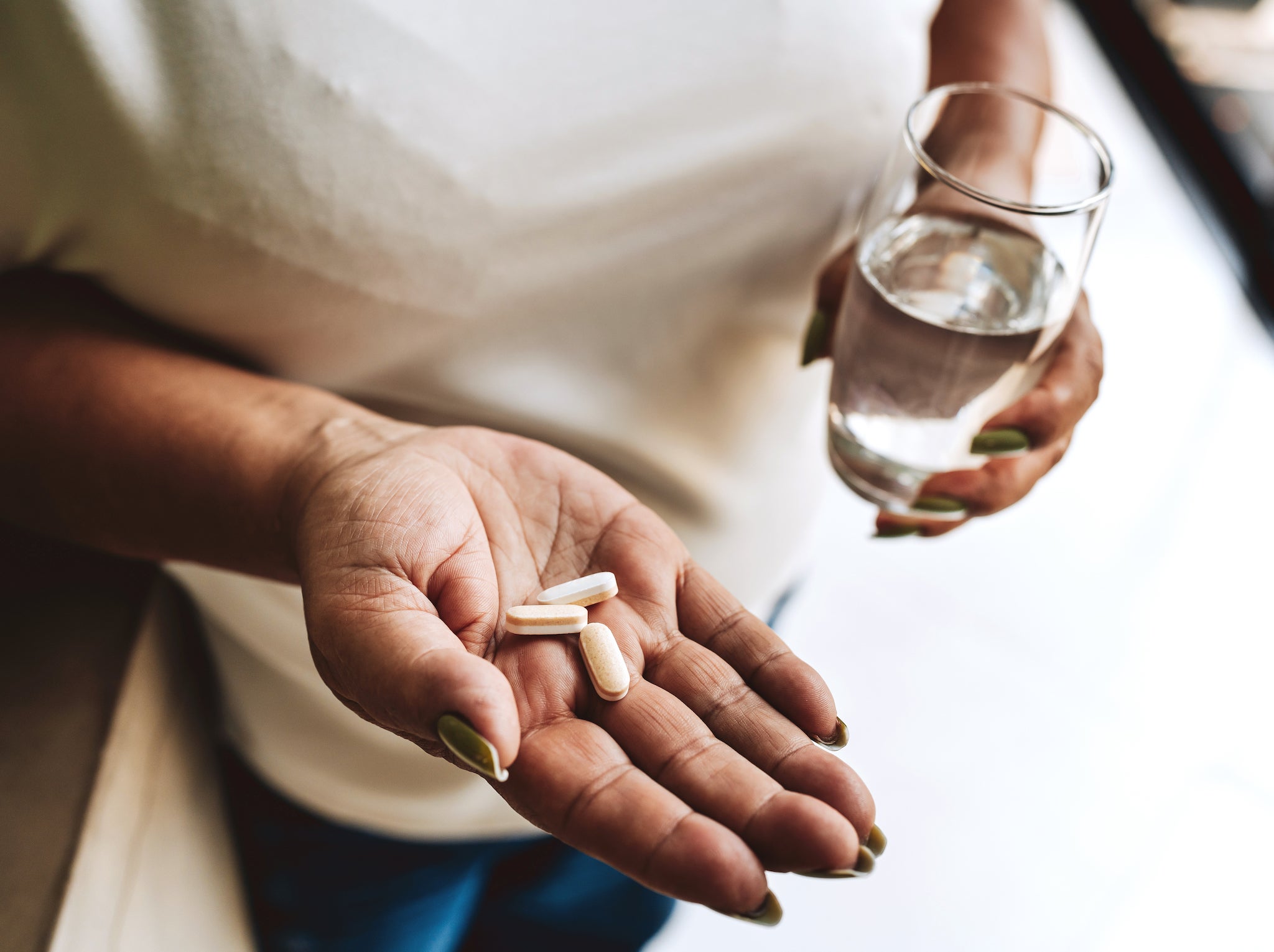
As with all biotics, postbiotics can directly help to support a stronger and healthier gut microbiome, which has a knock-on effect on our skin, brain and immune system. Ultimately how far they can benefit you comes down to your diet, your personal health profile and the specific supplements you choose to take, but studies are promising so far.
“Postbiotics have been shown to help strengthen the gut lining, support your immune system, and reduce digestive issues such as diarrhoea,” says Bhuwania Lohia. “Research also suggests they can encourage the growth of beneficial gut bacteria while limiting harmful microbes, and there is emerging evidence of additional benefits for metabolism and energy production.”
Bhuwania Lohia adds that because postbiotics are made from non-living bacteria they are often easier to tolerate than live probiotics. “They remain stable during storage, and are less affected by heat or manufacturing conditions, making them less commercially challenging and more practical compared to probiotics,” she explains.
Draycott adds that there’s some evidence postbiotics may support the treatment inflammatory conditions such as eczema or Crohn's disease too. “Although,” she explains, “we’re very much in the early stages. We don’t yet know how well postbiotic supplements are absorbed, or how they compare with the compounds your gut makes naturally from a high-fibre diet,” she says.
Are there any risks associated with postbiotics?
Not dissimilarly to probiotics, postbiotics can cause temporary digestive discomfort when you first begin taking them. “Postbiotic supplements or other similar concentrated formulations can cause bloating or nausea, especially if introduced too quickly,” says O’Dwyer.
“Postbiotics vary widely in composition and evidence, so professional guidance is advised, especially if you have a health condition or take medication.”
Draycott explains that everyone’s gut is different, and the research is still emerging on which forms, doses and strains work best. “Some people may notice little difference, and others might find certain supplements aggravate symptoms if their gut is already inflamed,” she says.
“There’s been a lot of exciting research on postbiotics over the past few years, but we still need more human studies to fully understand how effective they are and when they’re most useful.”
Many postbiotic supplements are so new that only a small number of human trials exist, explains O’Dwyer. “Most findings come from animal and cell studies, so we can’t yet make firm conclusions about the clinical efficacy,” she explains.
As in most cases, experts agree that whole foods take precedence over supplements for overall health in this scenario. However, postbiotics can be a useful supplement when your body needs additional support, particularly if you struggle to consume enough fibre or find it difficult to tolerate probiotic supplements that contain live bacteria.
“Ultimately, the safest and most sustainable way to benefit from postbiotics is to nurture the gut microbes that make them – through a balanced diet, sufficient sleep, regular movement, and stress management,” says O’Dwyer. “As with any supplement, quality matters and the form, dose, and individual context should always be considered carefully.”
Read more: How to choose supplements – dosing, quality, red flags and more rules from experts
Join our commenting forum
Join thought-provoking conversations, follow other Independent readers and see their replies
Comments
Bookmark popover
Removed from bookmarks