New rules, new cars and a new team: Why F1 will be more unpredictable than ever in 2026
Plenty is unknown less than three months from the start of the new season in Melbourne, Australia on 8 March
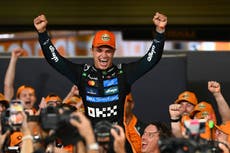
No sooner has the 2025 season concluded with Lando Norris’s maiden title triumph in Abu Dhabi that attention already turns to 2026 – and a brand new dawn in Formula One.
It is an exciting period, particularly for a number of teams who’ve been eyeing up ’26 for some time. New engine and chassis regulations, moving away from the ground-effect era of cars introduced in 2022, threaten to shake up the pecking order.
There is also a new team in Cadillac joining the grid as F1’s 11th team, while automotive giants such as Audi and Ford are back in competitive contention in different ways.
As for the drivers, there’s more continuation next year but Max Verstappen will once again have a new teammate and there will be another Briton on the grid in the form of Arvid Lindblad – with Brits now making up five of the 22 spots.
With just 87 days until the season-opening Australian Grand Prix, The Independent breaks down why 2026 is set to be the most unpredictable season yet:


New regulations, new cars and goodbye DRS
F1, or F1’s governing body the FIA, refreshing their regulations is nothing new, with the last major rule-change taking place in 2022. Yet the scale of these latest modifications are significant – and perhaps the biggest shift in the sport’s history.
The most significant aspect is the engine/power unit: the MGU-H, which recovered energy from the exhaust and turbo, has been removed and now there will be a near 50/50 split between internal combustion power and electric power.
The actual engine is still a 1.6-litre V6 turbo hybrid, yet the proportion of power produced by the hybrid aspect of the engine has been doubled to approximately 50%. The increase in electrical power overall is nearly 300%.
In addition, every team will run 100% sustainable fuel on their cars, which will be 30kg lighter to 768kg, 20cm smaller in length and 10cm narrower. Naturally, this should help the racing on tight circuits.

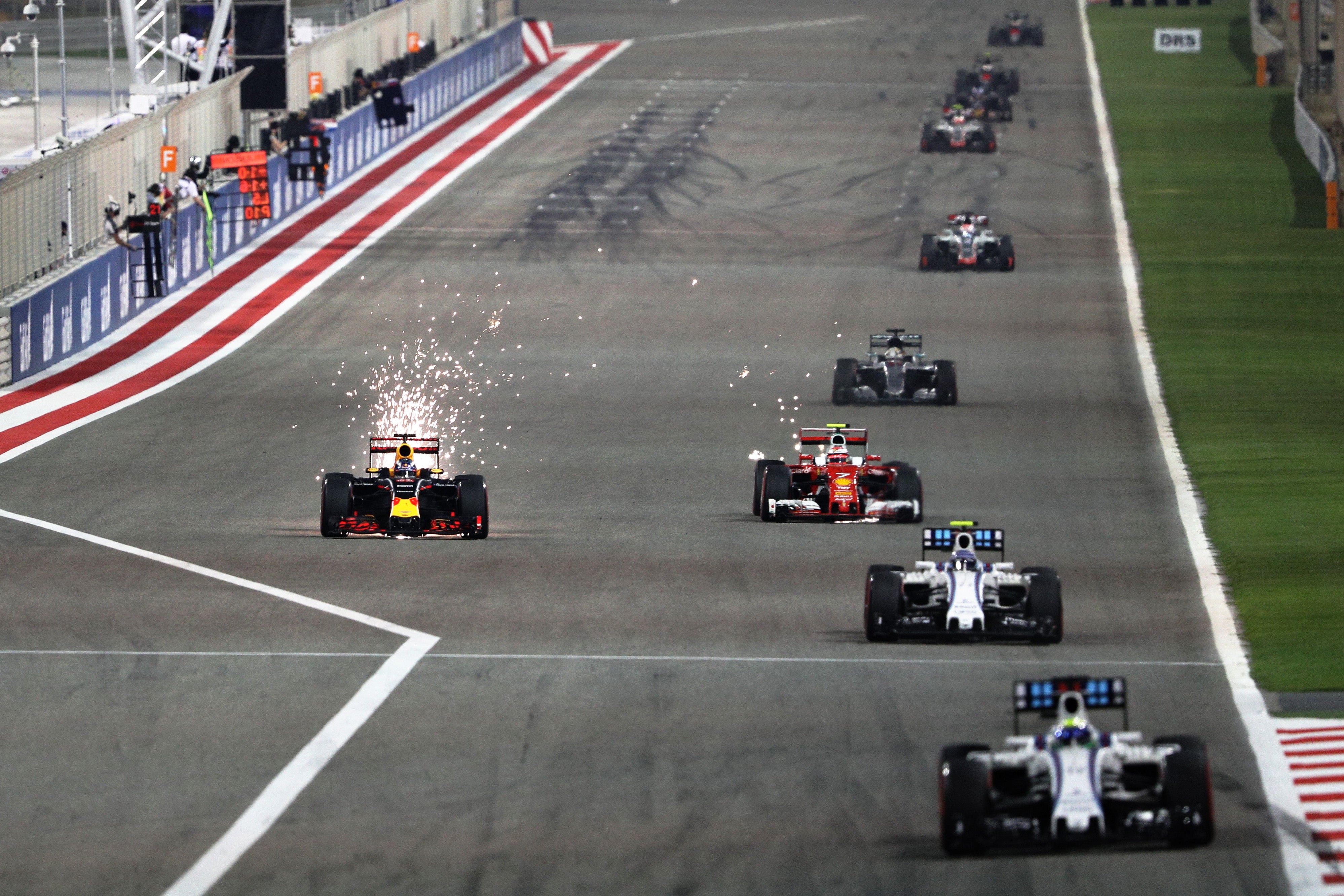
Yet these changes also have an impact on the aerodynamics, which is where we say farewell to the DRS (drag reduction system) rear-wing we’ve had in the sport since 2011.
Instead, it will be replaced by a ‘manual override engine mode’ or a ‘push-to-pass’ mode which gives a temporary boost in hybrid power. Though not yet confirmed, this will likely still be when within one-second of the car in front.
The ground-effect cars of the last four years, much criticised by the drivers for how difficult it was to follow, have been binned but the front and rear wings will now be movable.
TEAM | MANUFACTURER |
|---|---|
McLaren | Mercedes |
Mercedes | Mercedes |
Red Bull | Red Bull-Ford |
Ferrari | Ferrari |
Williams | Mercedes |
Racing Bulls | Red Bull-Ford |
Aston Martin | Honda |
Haas | Ferrari |
Audi | Audi |
Alpine | Mercedes |
Cadillac | Ferrari |
Cars will have two modes at all times: X mode and Z mode.
X mode means the drivers can open the front and rear wing flaps at certain points on the racetrack, mostly straights, to increase speed by reducing drag. Z mode means those flaps will be closed, generating more downforce through the corners.
There are concerns, though, that drivers will be forced to ‘lift and coast’ – not having the foot hard down on the accelerator on the straights – in order to recover energy. Hardly ideal in a sport which is meant to showcase the quickest single-seater cars in the world.
So does this mean the pecking order could be different?
Absolutely! That’s definitely what plenty of teams hope. While you’d expect the likes of reigning champions McLaren, Mercedes and Ferrari to be right up there, the two outfits with the most intrigue attached to them next season are Aston Martin and Williams.
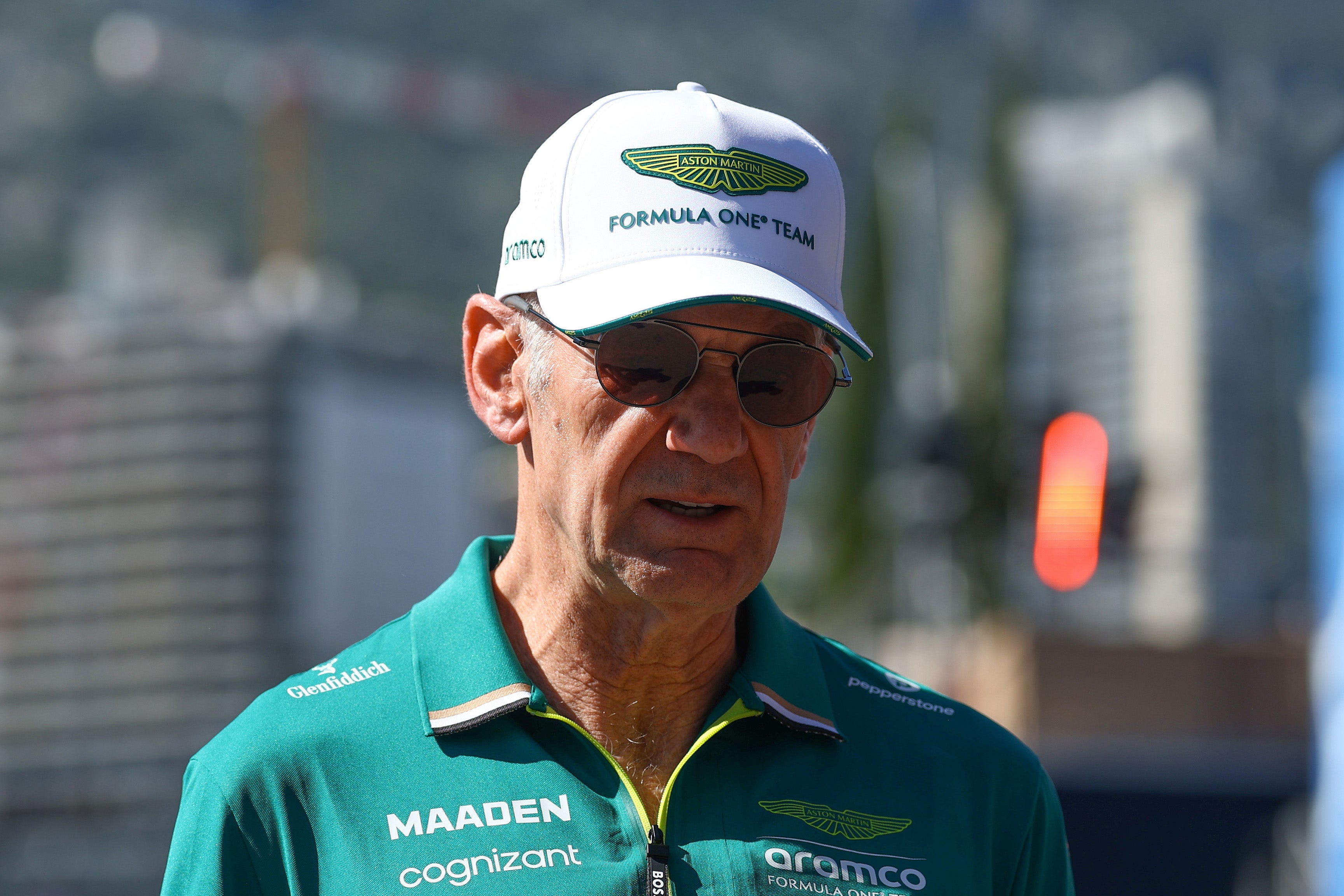
Aston signed F1 design guru Adrian Newey with an eye on next year’s cars and it was recently announced that the 66-year-old will become team principal in 2026. Can Newey – and the Aston team now powered by ex-Red Bull partner Honda – give Fernando Alonso a final crack at a third world championship?
Then there’s F1’s sleeping giant Williams, who have looked so impressive in the last year under James Vowles. The ex-Mercedes strategist has made no secret of shifting all focus to 2026 and with a top-tier driver pairing in Carlos Sainz and Alex Albon, hopes are high in Grove that they could be challenging for regular podiums and wins in 2026.
Murmurs around the paddock at this stage infer that Mercedes are the frontrunners right now. Not only is that music to the ears of George Russell, but also to the teams they provide engines for, such as reigning champions McLaren, Williams and new for 2026, Alpine.
What about Max Verstappen’s chances of regaining his title?
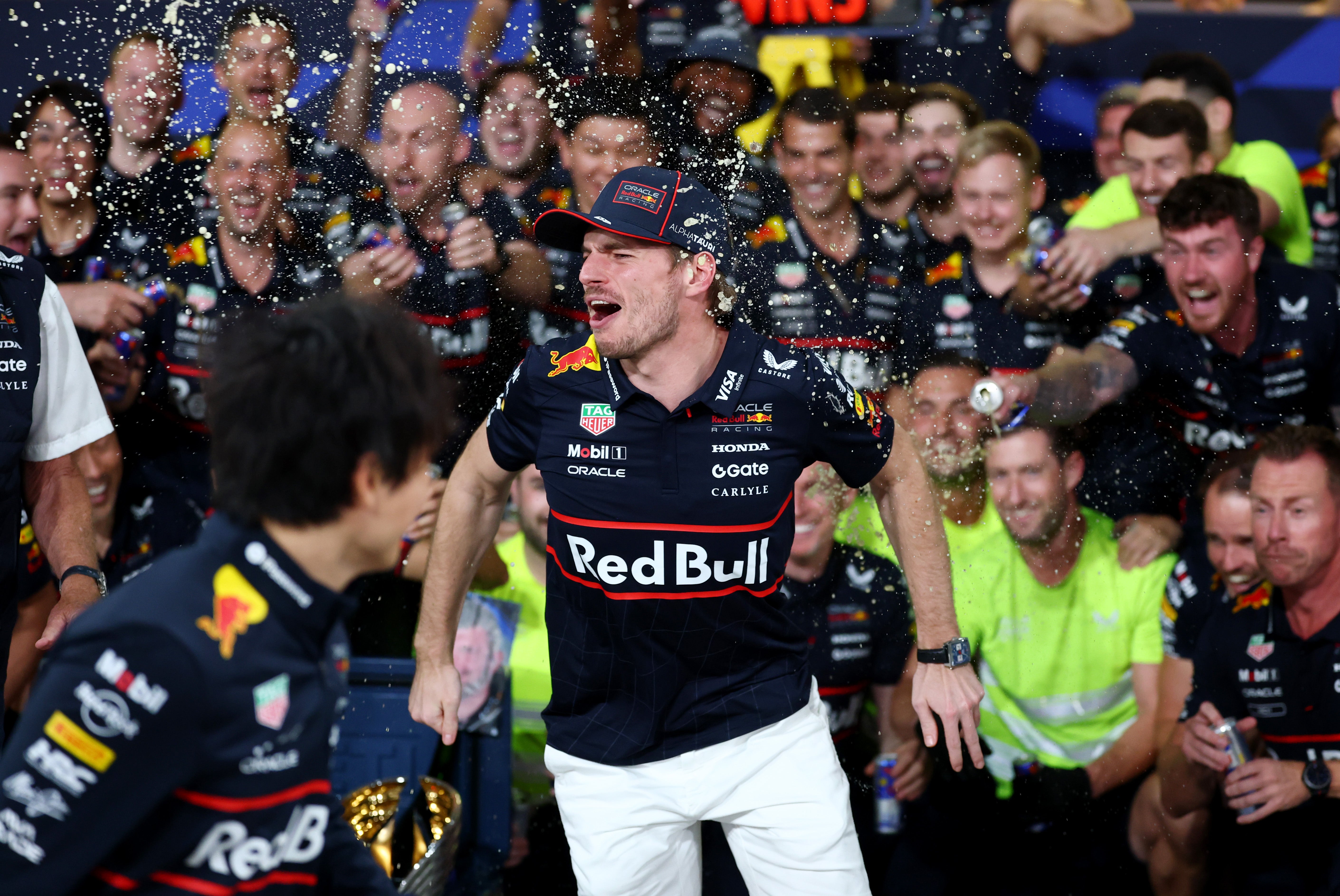
Red Bull are a big unknown for 2026 as, for the first time ever, they are producing their own power unit in partnership with American giant Ford, who were last in the sport in 2004 when they owned Jaguar. It is also their first season in the sport without either Christian Horner or Helmut Marko.
It is no easy feat producing an engine in-house and it will be a busy off-season in Milton Keynes. We’re likely to know in the first few rounds of 2026 where Red Bull stand in the pecking order and, in turn, Max Verstappen’s title chances. If they are in no man’s land, however, it’s extremely likely that the Dutchman will turn his eyes elsewhere for 2027 and look to leave Red Bull after 11 years.
As indisputably the best driver on the grid, Verstappen has earned that right to – most likely – have the pick of the bunch.
Where will Ferrari be?
Another complete mystery. There has not been a lot of noise from Maranello about their developments for next year which, as widely acknowledged, started earlier in 2025 when they stopped working on this year’s uncompetitive challenger.
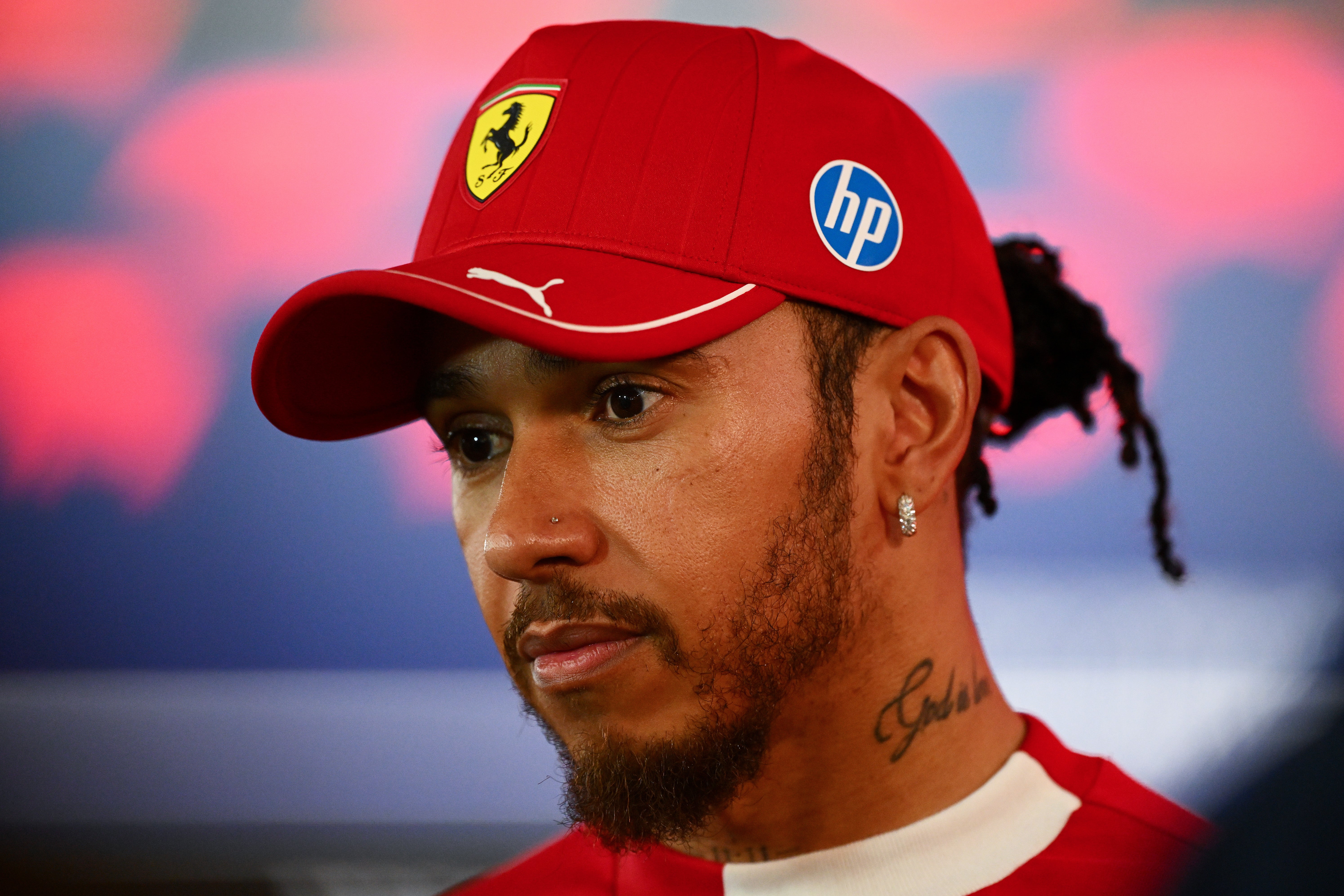
Again, the early months will give us a good clue as to what lies in store for Lewis Hamilton. If Ferrari are on the pace, he may well be somewhat reborn if he can challenge for that record-breaking eighth championship.
If not, and his fortunes are anywhere near as wretched as this year’s, retirement could well be in the offing, despite a contract with an option until the end of 2027. Ferrari will also be keeping a close eye on Ollie Bearman’s progress at Haas, as the next cab on the rank.
Two new teams
Such is the popularity and good health F1 finds itself in, manufactures are more eager than ever to enter the sport and, in 2026, we have two iconic brands joining the paddock.
German giant Audi take over the Sauber team and, straight off the bat, will be producing their own engine. They have ex-Red Bull guru Jonathan Wheatley and ex-Ferrari executive Mattia Binotto leading their operation, alongside an intriguing driver pairing in Nico Hulkenberg and Gabriel Bortoleto.
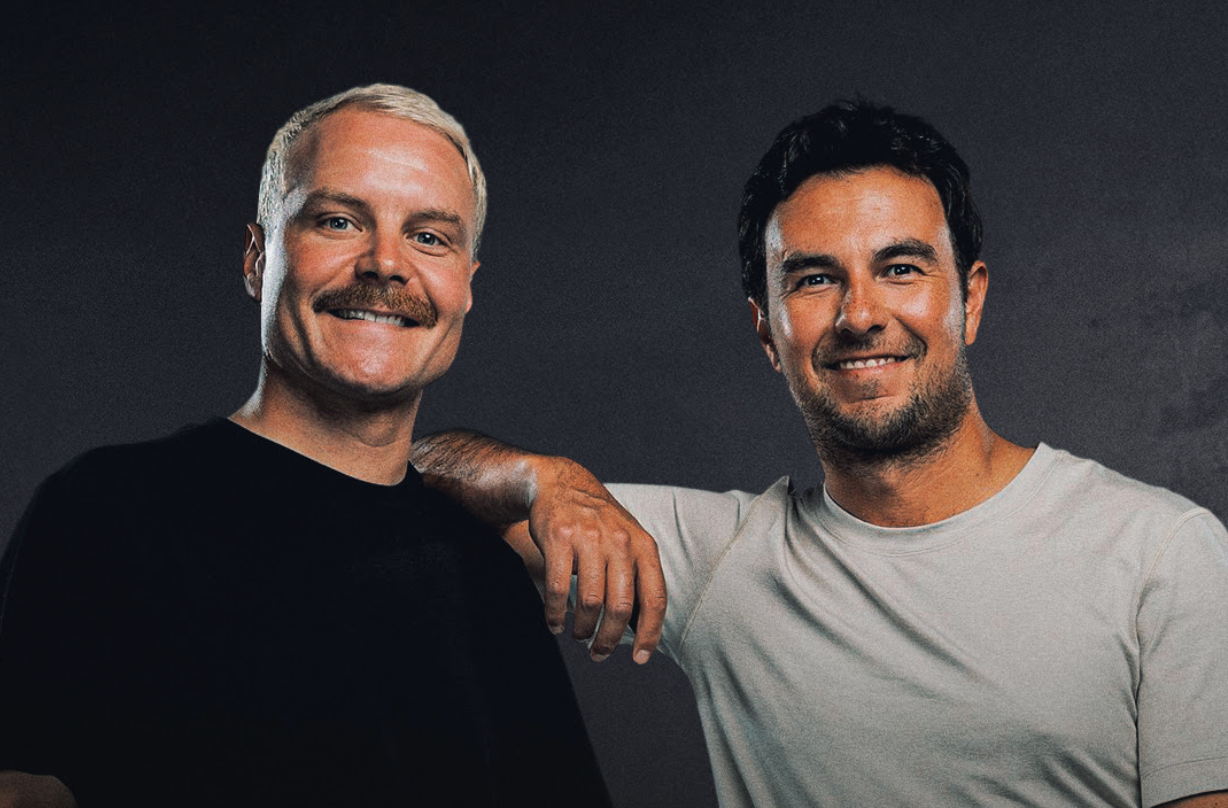
And for the first time in 10 years, we will have 11 teams on the grid with American brand Cadillac – owned by General Motors – joining the grid. They’ve opted for an experienced driver pairing in Sergio Perez and Valtteri Bottas, who’ll be well-placed to eek out the maximum from their debut car.
With both likely to start at the back of the pack, their journeys over the coming years will be fascinating.
Another British driver
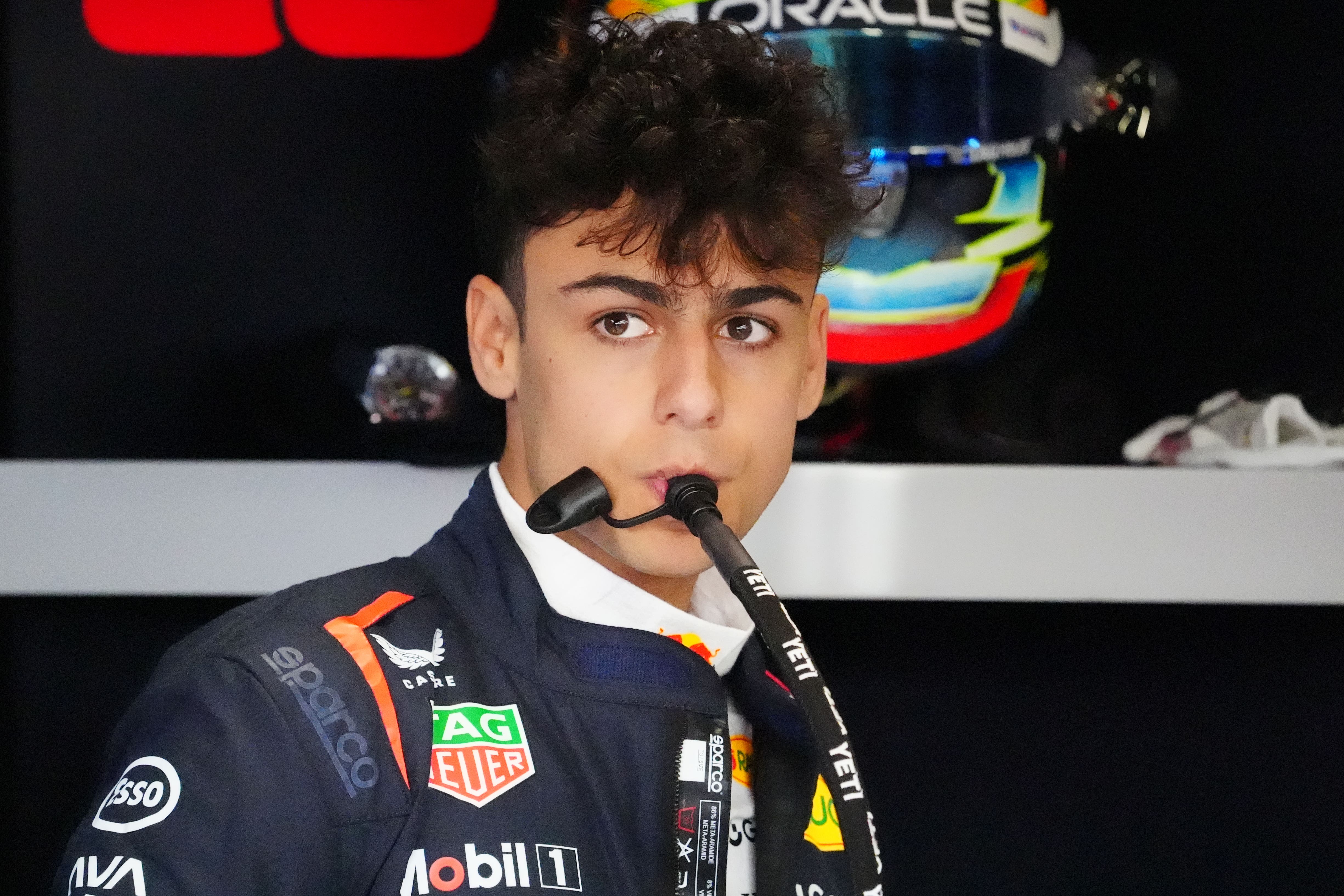
Red Bull junior Arvid Lindblad becomes the fifth British driver on the grid, with the 18-year-old taking the seat alongside Liam Lawson at Racing Bulls next year.
It is an opportunity of a lifetime for the highly-rated Lindblad, who has set records as the youngest race-winner in F3 and F2, but he’ll have to get up to speed quickly in Red Bull’s chop-and-change dynamic within their two teams.
Lindblad joins Hamilton, Norris, Russell and Bearman as the Brits on the grid.
Madrid joins the street-circuit party
Madrid joins the F1 calendar with a street circuit in the city-centre in September. However, speculation is growing that the track may not be ready in time, paving the way for a last-minute reprieve for Imola, which fell off last year’s calendar. Watch this space.
The schedule is otherwise unchanged in terms of venues, but Monaco (now June) swaps months with Canada (now May) to regionalise the calendar further. There are two races in Spain, with Barcelona likely hosting its final race with its contract expiring after next year.
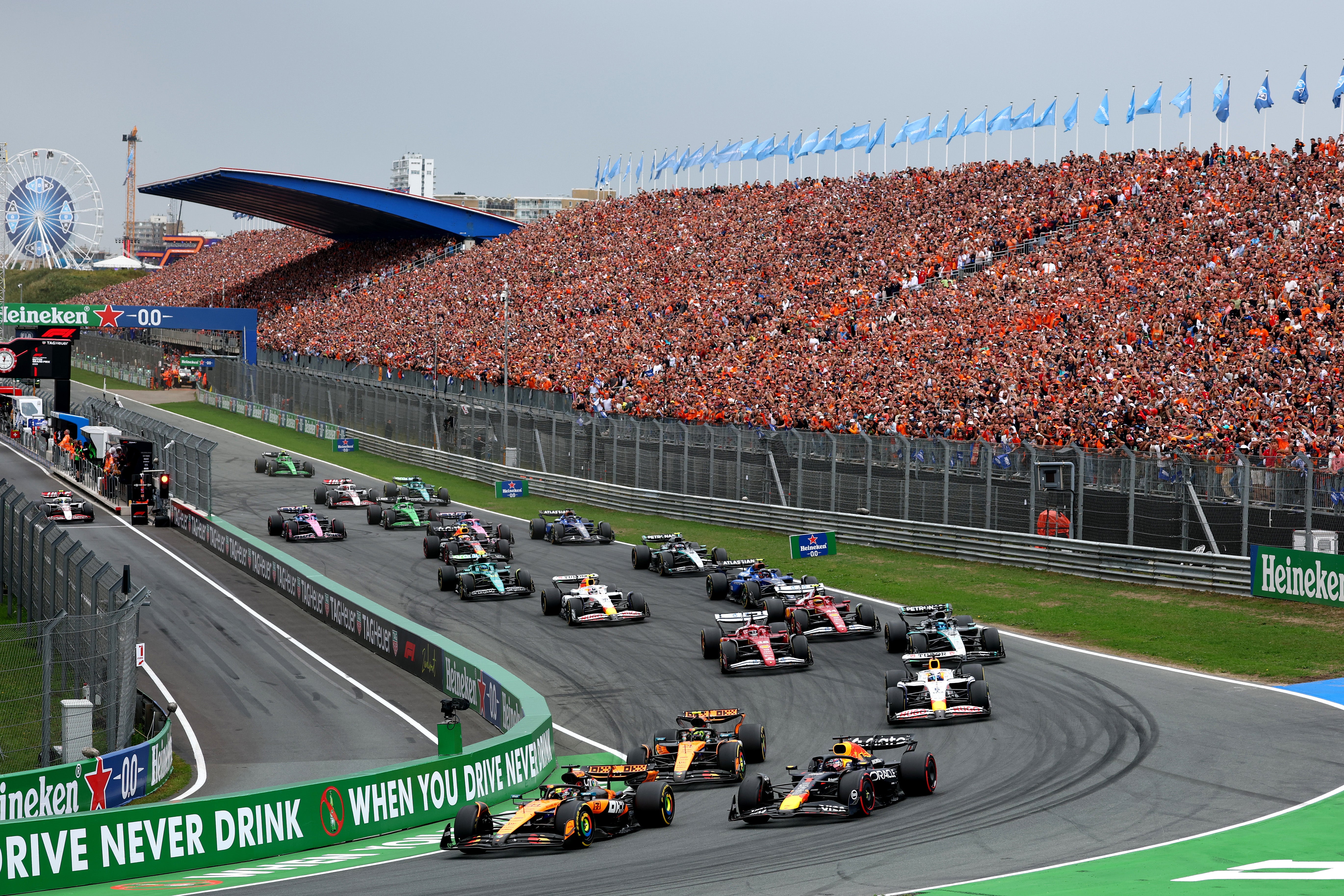
And rather excitingly for British fans, Silverstone hosts one of the six sprint races this year, with Canada, Singapore and Zandvoort the other new sprint locations. The Dutch GP – with the thousands of Verstappen fans it attracts – will also host its final edition in August.
Join our commenting forum
Join thought-provoking conversations, follow other Independent readers and see their replies
Comments
Bookmark popover
Removed from bookmarks