UK facing more rain and flood risks due to climate crisis, new study warns
Extra rainfall now falling on UK each winter due to global warming ‘would fill three million Olympic-sized swimming pools’
UK winters are becoming “significantly wetter” and dramatically increasing flood risks as rising greenhouse‑gas concentrations warm the atmosphere, a new study has warned.
Researchers found the UK’s winter rainfall is increasing by around 7 per cent for every degree of global or regional warming – a rate the authors say is happening far faster than most climate models predict.
They explained the trend is not driven by changes in weather patterns, but by a warmer atmosphere’s ability to hold more moisture and produce larger, more intense rainstorms.
The team at Newcastle University analysed UK winter rainfall records from 1901 to 2023 to determine whether the increase was caused by shifts in atmospheric circulation or by the thermodynamic effect of warming. They said the rainfall increase of 7 per cent per degree of warming “is consistent with the expected rate of moisture increase in a warmer atmosphere”.
Anthropogenic climate change – primarily from the burning of fossil fuels – is the dominant factor, they said.
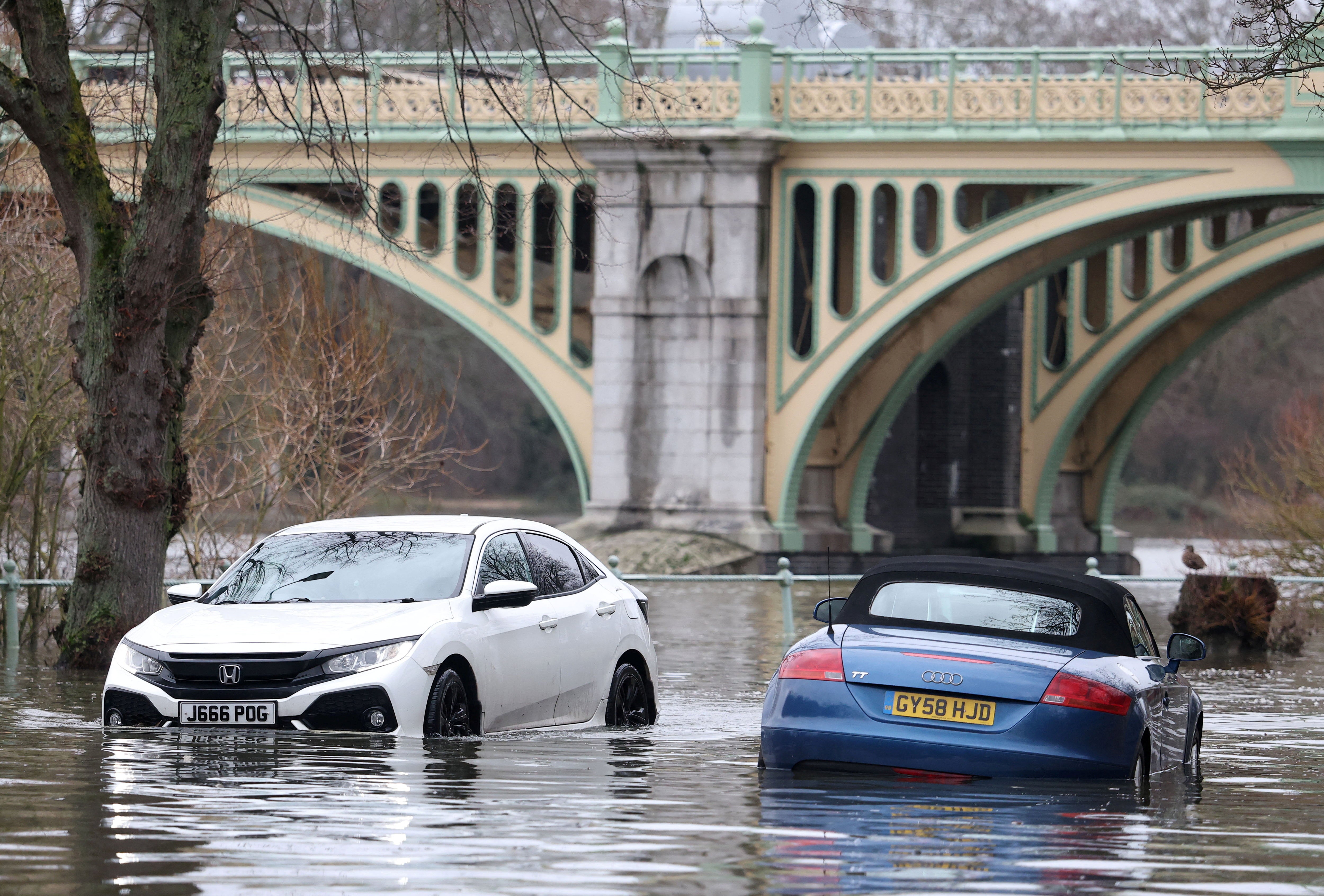
The team also discovered that many leading global climate models significantly underestimate the scale of the change. On average, models project a 4 per cent rise in rainfall per degree of warming – well below the 7 per cent increase seen in real‑world observations.
Dr James Carruthers, lead author and researcher at Newcastle University’s School of Engineering, said the findings show the UK is already experiencing rainfall levels that models had not expected for another two decades.
“Climate change has already made our winters significantly wetter,” he said. “Since the 1980s, the UK has warmed by around 0.25C per decade, meaning we are now seeing almost 9 per cent more winter rainfall than we did then.
“This is really concerning, as seasonal rainfall is increasing at a much faster rate than global climate models have predicted. We’re already experiencing changes in UK winter rainfall that global climate models predict for the 2040s – we’re 20 years ahead.”
He noted that October 2023 to March 2024 was the wettest winter half‑year on record, with the current season close behind.
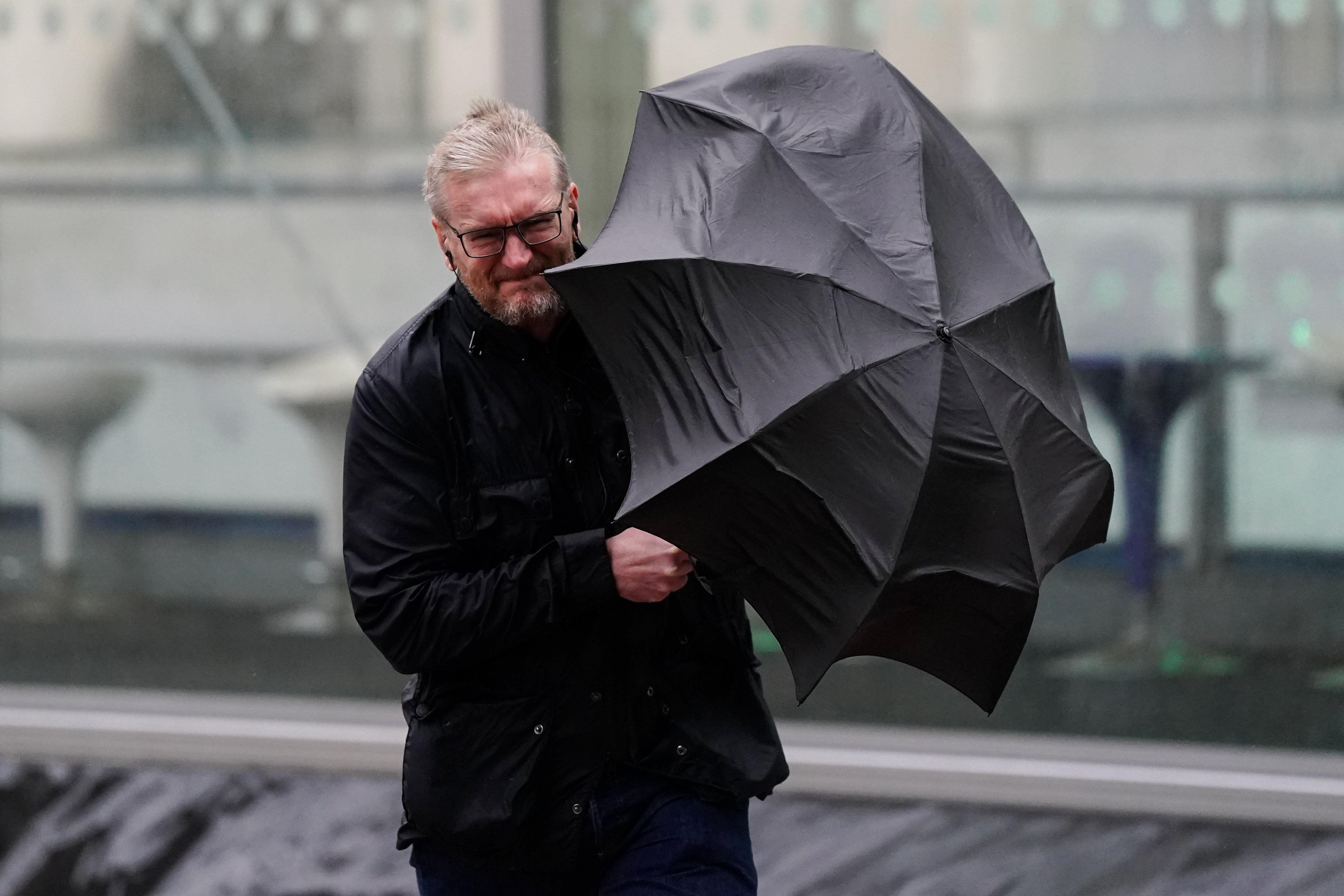
Professor Hayley Fowler, a co‑author of the study published in the journal Geophysical Research Letters, warned that the additional rainfall leaves the UK increasingly vulnerable to flooding.
“The extra water that falls every winter across the UK from fossil-fuel induced warming would fill three million Olympic-sized swimming pools,” she said.
“This predisposes the country to flooding as the ground is more generally saturated.
“This extra rainfall will continue to increase every year with additional global warming. We can only stop these increases in flooding by stopping the burning of fossil fuels.”
Prof Fowler added that with the UK facing more than 100 flood warnings this week, without major investment in adaptation, economic losses and casualties will continue to grow.
“There is a widening gap between growing climate risks and action on adaptation,” she said.
The findings build on earlier research showing that northern and central Europe are becoming significantly wetter in winter, while the Mediterranean is becoming drier – patterns that global climate models also underestimate in both speed and magnitude.
A Defra spokesperson told The Independent: "We recognise how important it is to prepare the country to adapt to climate change.
"That is why we are investing £10.5bn in our flood programme until 2036, protecting nearly 900,000 properties. This is alongside reprioritising over £100m to maintain existing flood assets."
Join our commenting forum
Join thought-provoking conversations, follow other Independent readers and see their replies
Comments
Bookmark popover
Removed from bookmarks