Toyota C-HR Plug-in Hybrid review: Stylish and ultra-reliable, but practicality could be better
The distinctive Toyota C-HR Plug-in Hybrid combines vibrant design with Toyota reliability and efficient plug-in hybrid tech, but practicality is lacking and prices are surprisingly premium-grade
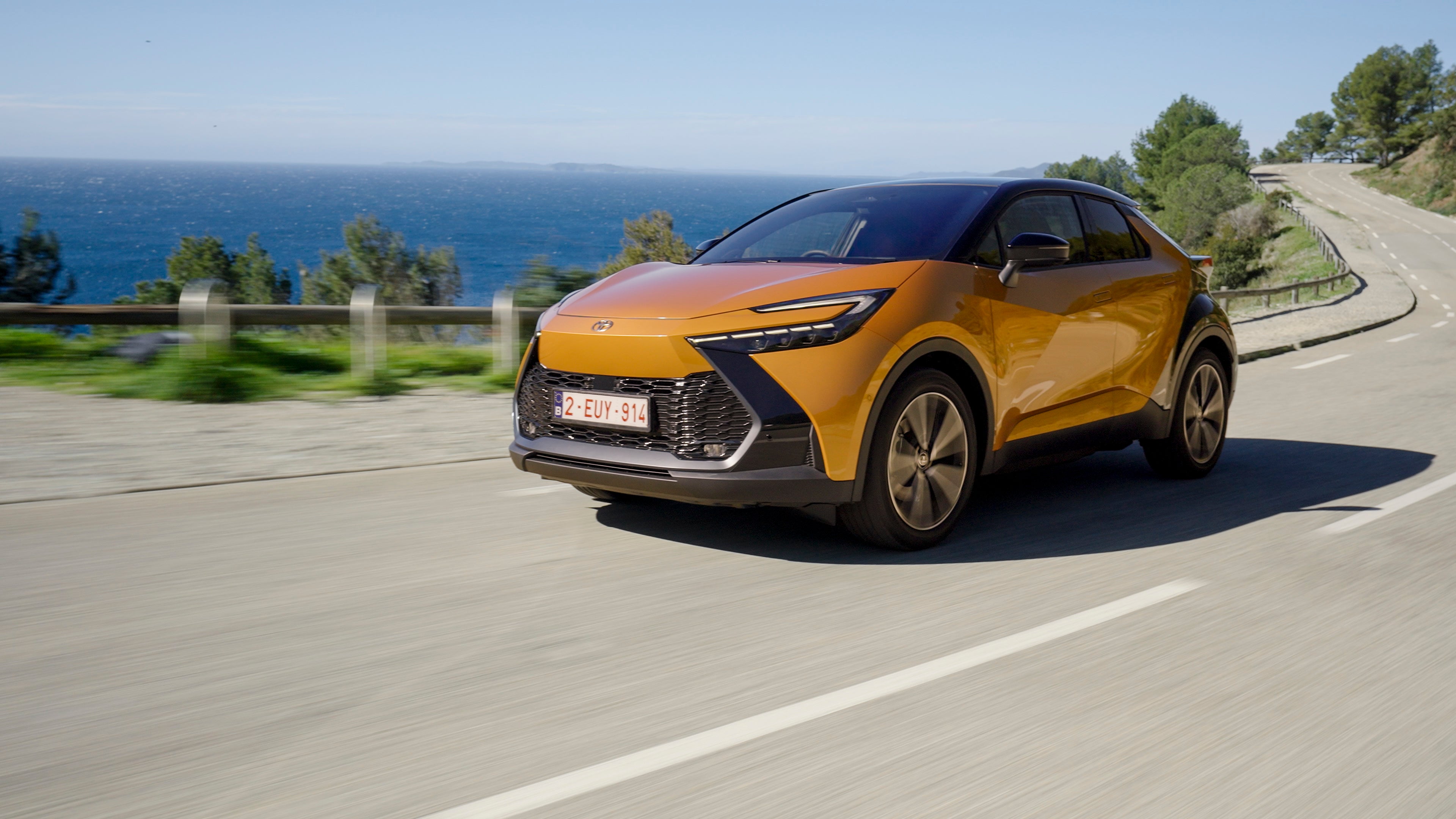
The Toyota C-HR was the car that showed the world Japan’s biggest car company could do bold and radical. Rather than a humdrum crossover SUV alternative to the vanilla Corolla, it sports the sort of sharp-edged lines that wouldn’t look out of place on a concept car. In a sector packed with alternatives, it cannot fail to stand out.
British buyers took to the original model and Toyota turned up the dial on the design even further with this latest generation, introduced in 2023. Crucially, it also became available in plug-in hybrid guise, alongside the regular mild-hybrid version. With a 41-mile range, it gives a decent amount of pure EV driving, and practicality isn’t compromised too much over the regular model.
Admittedly though, that’s because practicality isn’t the best in any Toyota C-HR. Those in the rear pay the price for its outlandish lines, and boot space is lacking alongside roomier rivals.
But if you can cope with this, the Toyota C-HR Plug-in Hybrid is a lovely car to live with. The latest platform brings fine driving dynamics, while the high-tech drivetrain builds on Toyota’s expertise in regular hybrid systems.
It’s not the cheapest model in its class, but Toyota’s peerless reputation for reliability does help justify the premium. Build quality is also exceptional, making the C-HR feel like a car that’s built to last. Indeed, the firm is even confident enough to offer up to a 10-year warranty – and a 15-year plug-in hybrid battery warranty – for those who have it serviced each year at a Toyota dealer. How’s that for confidence in your product.


How we tested
I spent a week with a Toyota C-HR, in which time I put it through its paces on the school run, trips to the supermarket and longer motorway jaunts.
Toyota C-HR: From £39,340, toyota.co.uk

Independent rating: 7/10
- Pros: Design, comfort, superb reliability record
- Cons: Practicality, prices, no rear wiper
Toyota C-HR Specs
- Price range: £39,340-£44,045
- Battery size: 13.6kWh
- Maximum EV range: 41 miles
- Engine: 2.0-litre petrol
- Claimed battery & engine range: TBC
Battery, range, charging, performance and drive
Toyota offers two sizes of hybrid petrol engine in the regular C-HR, and the C-HR Plug-in Hybrid uses the larger 2.0-litre motor. When combined with the electric motor, it produces a strong 223hp, which helps serve up sprightly acceleration – 0-62mph takes just 7.2 seconds.
It’s fairly sprightly in pure electric mode too, and refinement is naturally better as an EV. The engine is efficient, but it can become a little noisy when worked hard (perhaps exaggerated by the ‘single speed’ CVT gearbox).
The 13.6kWh battery isn’t the largest, but it’s still enough for a 41-mile claimed EV range. Combined fuel consumption is somewhat meaningless at over 350mpg, due to the quirks of how plug-in hybrids are tested.
The Toyota C-HR Plug-in Hybrid has a 6.6kW onboard charger, so will go from zero to 100 per cent battery charge in around two-and-a-half hours using a 7kW home wall box. However, it lacks DC rapid charging, so you won’t be able to quickly replenish the battery from a public charger.
To drive, the Toyota C-HR Plug-in Hybrid is perhaps as you’d expect – safe, comfortable, secure, but not exactly invigorating. The ride is particularly supple on the smaller wheels of lower-grade trims; I haven’t yet driven the sporty-trim GR Sport range-topper, but I’d expect a bit more dynamism from its tuned suspension… and a bit less comfort from its 20-inch wheels.

Interior, practicality and boot space
The Toyota C-HR Plug-in Hybrid has the high-rise crossover-style seating position up front that so many drivers find appealing these days. It feels a bit more confident than, say, a regular Toyota Corolla hatchback, with better forward visibility. The view out the rear is less impressive, due to the shallow rear window and small windows, but a reversing camera does come as standard. This is also meant to compensate for the lack of a rear wiper, but it doesn’t really, and I’d much rather see one fitted.
At least the Toyota C-HR Plug-in Hybrid sticks with proper physical buttons for the climate control. There’s a plethora of buttons on the steering wheel too, which can take a bit of working out, but are convenient enough once you’re familiar with them.
Rear space is less impressive. The Toyota C-HR Plug-in Hybrid feels more like a car from the class below in this regard, with tight legroom and headroom. It feels gloomy and claustrophobic back there too, due to the tiny rear windows.
Boot space is also sub-par. It offers just 310 litres – even a Volkswagen Polo supermini has a bigger boot! The regular Toyota C-HR has 388 litres of space; it’s the plug-in hybrid batteries that eat into luggage room. The high boot floor does make it easy to slide bulky loads in and out, though.

Technology, stereo and infotainment
All variants of Toyota C-HR Plug-in Hybrid have the full-width, 12.3-inch Toyota infotainment touchscreen. It’s a lovely-looking setup, that’s pretty logical to use, and comes with wireless Android Auto and Apple CarPlay. It combines both built-in and cloud-based navigation, which Toyota reckons is more efficient than using smartphone mapping.
The onboard sat nav even has ‘Predictive Efficient Drive’ geofencing technology. This can detect any zero emissions zones en route and save up enough battery charge so you can drive in pure electric mode within them. There aren’t yet any zero emission zones in the UK, but the tech is ready for when there are.
Using the built-in sat nav also allows the plug-in hybrid tech to work out the best places to use petrol and electric drive during your journey, for maximum efficiency and lowest fuel consumption.
Another neat piece of tech is the Safe Exit Assist system. This uses the blind spot monitor to keep an eye out for oncoming cars or cyclists when parked. If it detects a door might be opened into their path, a warning buzzer bleeps and the interior ambient lighting turns red to warn those inside of the danger.
Music fans might like to upgrade to Excel spec. Here, a nine-speaker JBL premium sound system is standard. It’s a punchy setup that’s been tailored to the Toyota C-HR.

Prices and running costs
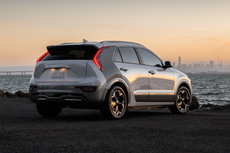
The Toyota C-HR Plug-in Hybrid has prices that push into the premium arena. Only one version costs less than £40,000 and the desirable GR Sport version costs over £44,000. You can get a plug-in hybrid Kia Niro for just over £35,000. Toyota will argue the very generous standard spec of the C-HR helps justify this, as does its premium build quality and exceptional reliability. The plug-in hybrid version, incidentally, costs around £4,300 more than a regular hybrid C-HR.
Toyota’s legendary reliability should help keep running costs in check, and that service-activated warranty offers further reassurance. The Toyota C-HR Plug-in Hybrid also has the added potential to drive regularly in money-saving EV mode, which should significantly cut the amount owners spend on petrol.
Toyota C-HR Plug-in Hybrid rivals
FAQs
How long does it take to charge?
Toyota says the C-HR Plug-in Hybrid takes less than two-and-a-half hours to charge from zero to 100 per cent, using a 7.4kW wall box.
How much does it cost – is it worth it?
The Toyota C-HR Plug-in Hybrid is a little on the pricey side. Only one model, the entry-level Design, dips in below the government’s £40,000 ‘expensive car supplement’.
Does Toyota replace batteries for free?
Amazingly, Toyota offers a 15-year warranty on the plug-in hybrid battery. All that’s required to keep the warranty running is an annual service at a Toyota dealer.
Why trust us
Our team of motoring experts have decades of experience driving, reviewing and reporting on the latest EV cars, and our verdicts are reached with every kind of driver in mind. We thoroughly test drive every car we recommend, so you can be sure our verdicts are honest, unbiased and authentic.


The verdict
The Toyota C-HR Plug-in Hybrid is a radical-looking Toyota that’s available in a fun range of colours. It has a smart interior too, while the plug-in hybrid tech is effective, and it drives in a mature, grown-up way. It’s just a shame the bold design has such an impact on overall practicality.
Join our commenting forum
Join thought-provoking conversations, follow other Independent readers and see their replies
Comments
Bookmark popover
Removed from bookmarks