Range Rover Velar review: Pretty SUV kept fresh by plug-in hybrid tech
The Range Rover Velar’s design caused a stir when it was unveiled back in 2017, and it still cuts a dash today. While it’s getting on a bit now by modern standards, the plug-in hybrid tech helps it stay competitive
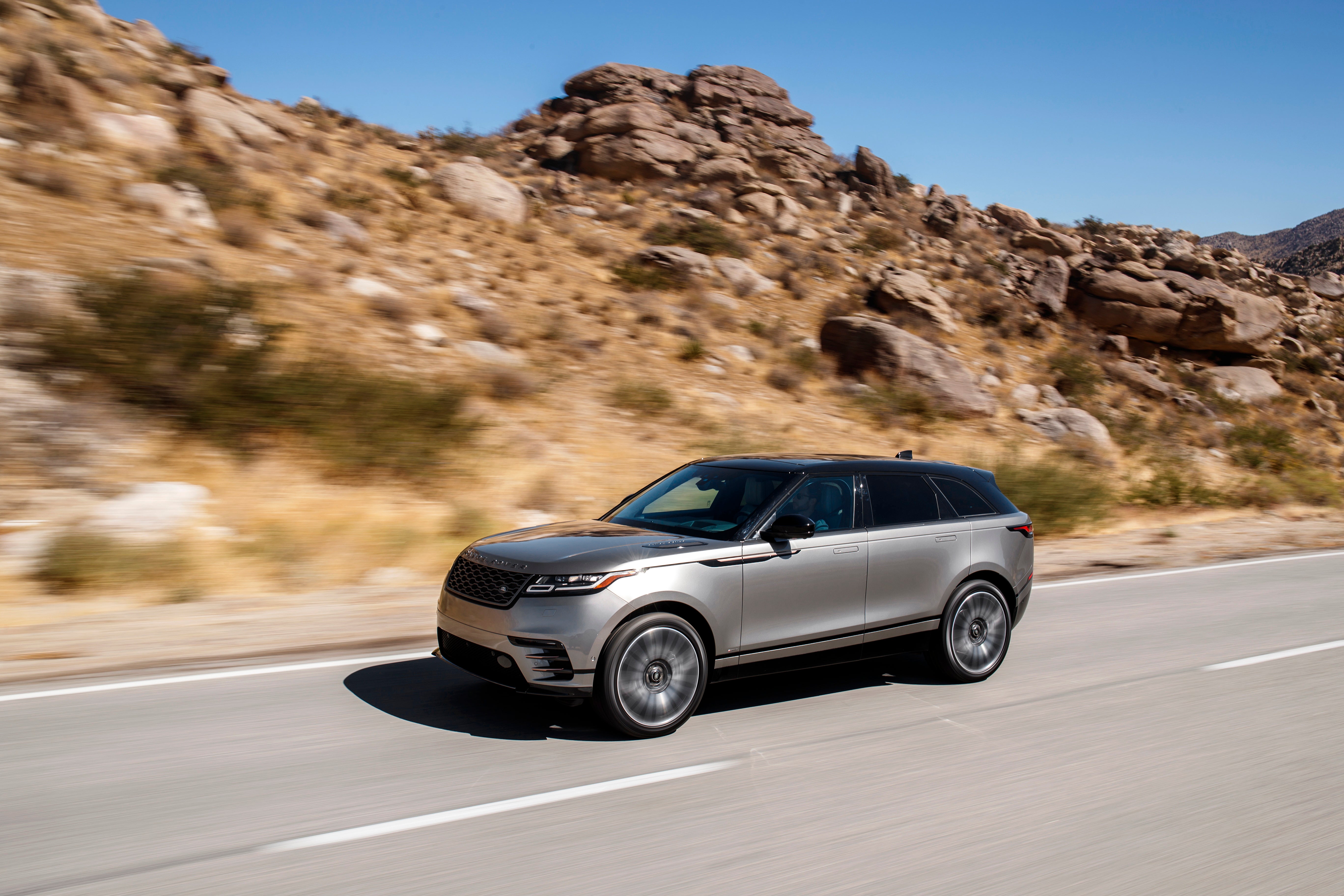
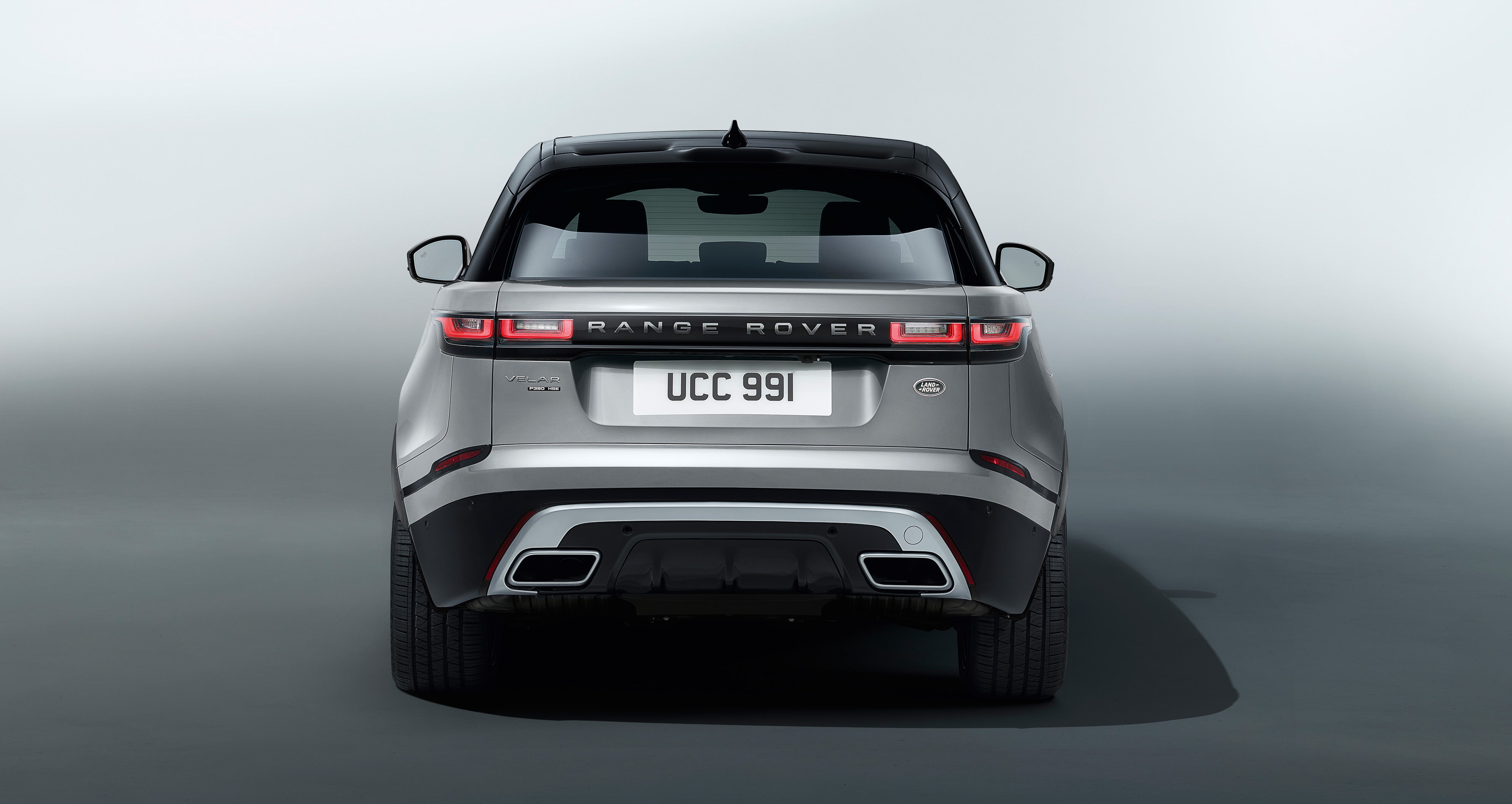
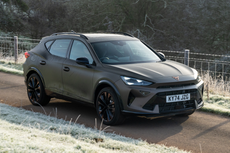
The Range Rover Velar inspired quite the reaction when it was revealed in 2017. Its elegant design introduced a new theme called ‘reductionism’, where fussy details were minimised and the emphasis placed on clean, pure and well-judged lines. It’s set the template for every Range Rover since, and the inherent rightness of the styling means it still looks classy today, particularly with the latest models that have attractive ‘super red’ LED tail lamps. The flush-fit, pop-out door handles remain novel, too.
The interior has aged less well. Compared to the elite cabins of larger Range Rovers, parts of it seem blocky these days, although Land Rover has kept its infotainment on the ball, now running the very latest in-house Pivi Pro operating system. Higher-grade models have some lovely trim options, including sustainable Kvadrat upholstery.
Practicality isn’t bad, with a commanding feel up front. Rear seat space is a little less impressive, but the boot is a decent size.
The Range Rover Velar P400e tested here is the plug-in hybrid version. It pairs a highly-tuned petrol engine with a beefy electric motor and large battery, to give a system power output of more than 400hp. The pure electric range is good, at a claimed 40 miles, helping deliver appealing CO2 emissions for fleet-friendly benefit-in-kind rates.
As with all Range Rovers, it drives really nicely. The fine handling has a driver-focused feel and the ride is generally compliant, particularly if you take the optional air suspension. Refinement still measures up, too.


How we tested
I’ve driven the Range Rover Velar umpteen times over the years, from its original 2017 launch in Norway, to many miles spent in more familiar territory here in the UK. I still think it looks beautiful.
Range Rover Velar: From £65,445, rangerover.co.uk
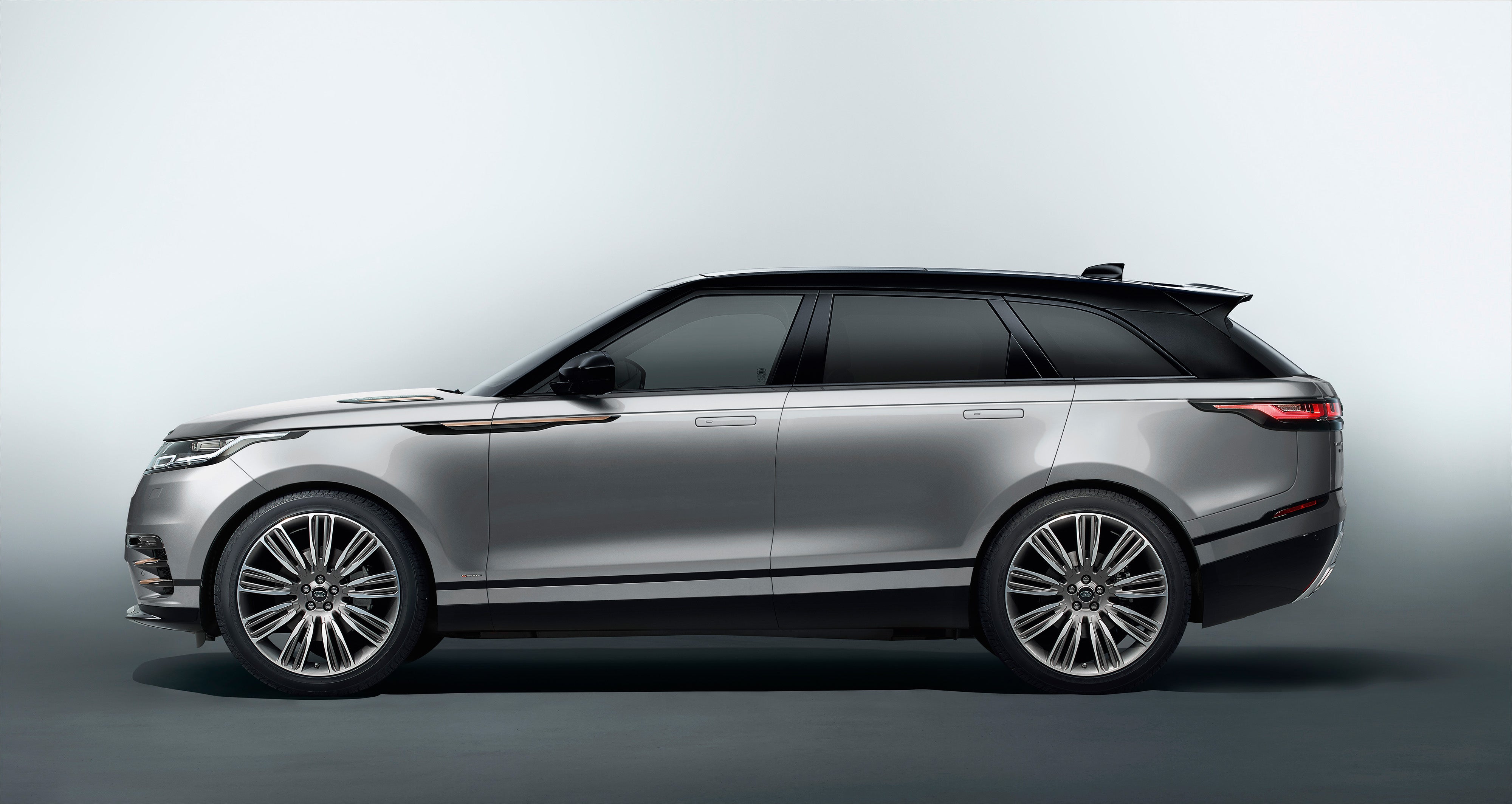
Independent rating: 7/10
- Pros: Elegant styling, effective plug-in hybrid tech, still good to drive
- Cons: Getting on a bit now, interior lacks the delicate touch of more modern Range Rover
Range Rover Velar Specs
- Price range: £65,445-£75,005
- Battery size: 19.2kWh
- Maximum EV range: 40 miles
- Engine: 2.0-litre petrol
- Claimed battery & engine range: 425 miles
Battery, range, charging, performance and drive
Despite its age, the Range Rover Velar has a high-spec plug-in hybrid setup. The 19.2kWh battery gives an official electric range of 40 miles; Land Rover says that in the real world, a reliable 32 miles is likely. It has DC rapid charging capability, so can go from zero to 80 per cent charged in just 30 minutes at a suitable public charger.
The P400e is very powerful. The engine alone, a 2.0-litre four-cylinder turbo (built in Wolverhampton), produces 300hp, with the electric motor serving up another 142hp. It gives a system total of 404hp – a juicy amount that serves up a 0-62mph sprint in 5.4 seconds (aided by standard all-wheel drive) and a top speed of 130mph. Even in electric mode, the Velar P400e has 87mph top speed potential.
Combine the battery and petrol engine, and the firm reckons you’ll have a 425-mile range. Provided, that is, you don’t make extensive use of all that performance. The engine itself is fairly smooth, if a bit vocal at times, while the eight-speed automatic gearbox is a dream, with exceptionally smooth and refined gearshifts.
As standard, the Range Rover Velar comes with Adaptive Dynamics suspension. This ‘active’ setup adjusts to road conditions and enhances both ride and handling. It stays level when chucked through corners, and does a good job of soaking up rough roads. Even better is the optional air suspension setup, which can raise up to bolster off-road prowess, lower by 40mm in ‘elegant arrival’ mode, and even drop down at the press of a button when you encounter a low-roof car park.
All Land Rovers are superb off road, and the Range Rover Velar is no exception. It has multiple 4x4 modes – and an ‘auto’ setting if you want the car to think for itself – and its tenacity in the rough stuff is exceptional. There’s an amazing off-road cruise control function, which makes traversing awkward terrain even more straightforward.
Interior, practicality and boot space
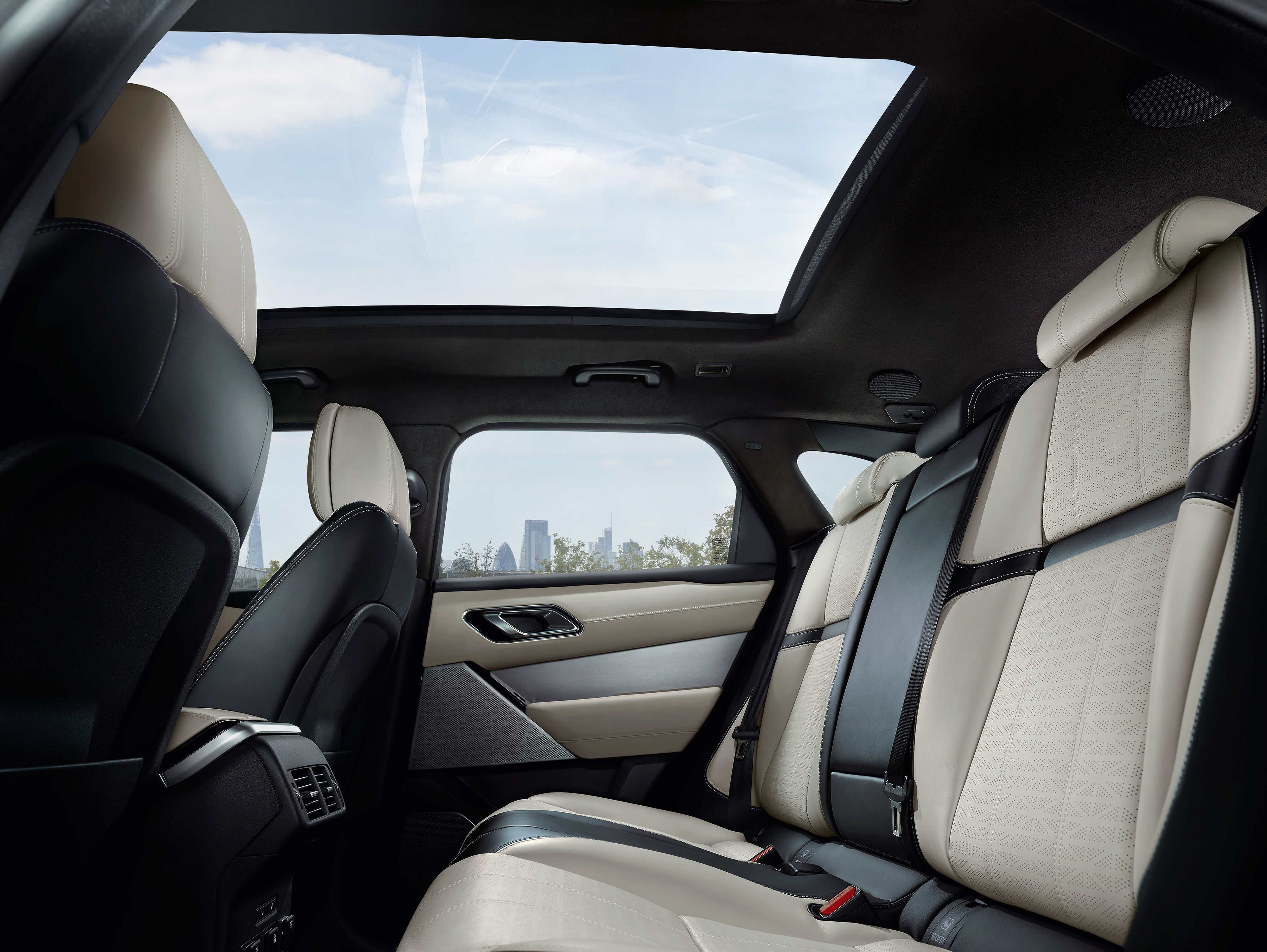
You step up into a Velar, but not in the same way as clambering into a full-size Range Rover. The low dashboard, low sides and generous arm rests make it a relaxing, confident place to be, and the seats are comfortable; all models get standard heated front seats and steering wheel.
It’s welcoming in the rear, although the sills are a bit thick, which can make getting in and out a bit awkward. Once there, space is decent, if not quite luxury level, and I like how the chairs have an electric backrest recline, for added comfort.
Trim options become more lavish as you move up through the range, with Autobiography models having gorgeous copper-coloured detailing outside and in, adding a jewel-like touch. Both leather and textile upholsteries are available, including the sustainable Kvadrat wool blend that so many love. It’s the sort of soft, homely fabric that makes you wonder why carmakers have stuck with leather for so long.
The Range Rover Velar P400e has a 503-litre boot, which expands to 1,335 litres with the rear seats folded. This is compromised a little because of the plug-in hybrid battery, and this Range Rover also doesn’t have a spare wheel. Something to bear in mind if you intend to go off-roading in it.
Technology, stereo and infotainment
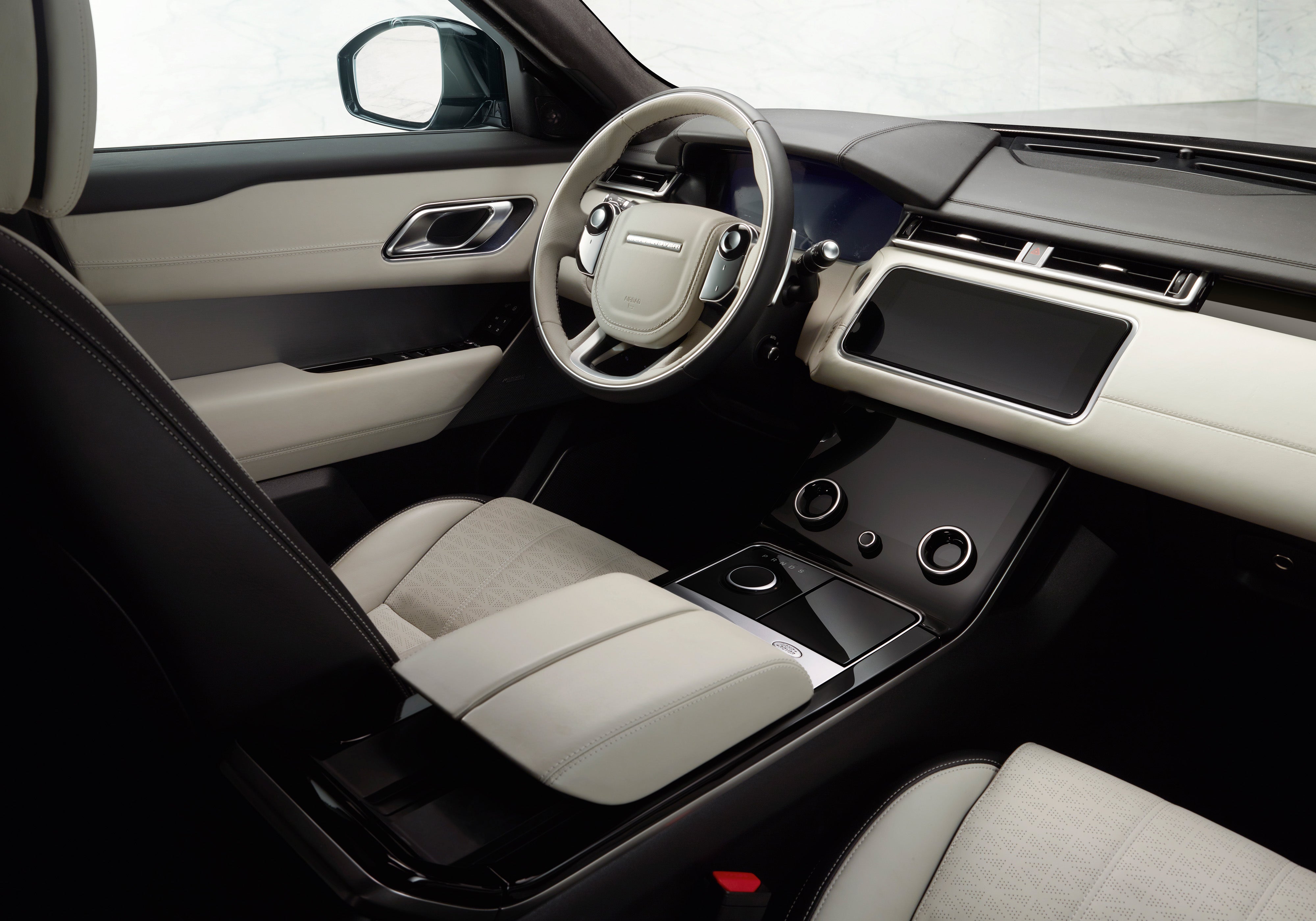
The latest Range Rover Velar features an 11.4-inch ‘floating’ curved glass touchscreen running the infotainment system. This is an enhancement from the original, which had two slimmer screens, and makes it feel more contemporary and luxurious. I miss the simplicity of having physical climate controls – and those of older Range Rovers were particularly good – but also admire how the latest system has cleaned up the interior aesthetics even further.
The punchy-looking touchscreen runs JLR’s Pivo Pro infotainment tech. It is superb, with stylish graphics and perfect ease-of-use. The engineers reckon that 80 per cent of settings can be reached in just two taps of the screen. It features built-in Amazon Alexa and Spotify, along with wireless Apple CarPlay and Android Auto (a wireless phone charger is hidden behind a cubby below the touchscreen).
Cabin air purification tech is clever too. It monitors how ‘dirty’ the air outside is, and can purify the incoming air at the touch of a button. You’ll be instinctively doing this when following a dirty diesel belching smoke…
A six-speaker stereo is standard. Move up through the range and you’ll get an 11-speaeker, 400W Meridian sound system, while the top-spec 16-speaker 750W setup has 3D surround sound and even includes active noise cancellation to bolster refinement yet further.
Prices and running costs
Range Rover Velar prices start from around £65,000. That’s premium-level, but also competitive with rivals such as the Audi Q5 and BMW X3. The full model line-up spans a compact £10k price range, meaning the indulgent Autobiography range-topper is ‘only’ £10k more than the entry-level S.
Company car drivers will save a small fortune by running a Range Rover Velar P400e rather than a conventional petrol or diesel. Monthly benefit-in-kind tax is a quarter of the regular rate.
Insurance groups are a little high, starting from group 43 and spanning up to group 47. You’ll be paying Range Rover rates for servicing too, although obviously saving on fuel costs – especially if you’re able to keep the battery topped up on a cheap overnight electricity tariff. If you don’t, you might find the 2.0-litre four-cylinder turbo petrol engine averages less than 30mpg in real-world driving – and particularly so if you make full use of those four hundred horses under the bonnet...
Range Rover Velar rivals
- Audi Q5
- BMW X3
- Mercedes-Benz GLC
FAQs
How long does it take to charge?
With DC rapid-charge capability, the Range Rover Velar can charge from 0-80 per cent in 30 minutes.
How much does it cost – is it worth it?
Range Rover Velar P400e prices start from around £65,000. This is, of course, expensive, but it is also a healthy £25,000 less than a plug-in hybrid Range Rover Sport.
Does Land Rover replace batteries for free?
The hybrid battery has a six-year, 60,000-mile warranty.
Why trust us
Our team of motoring experts have decades of experience driving, reviewing and reporting on the latest EV cars, and our verdicts are reached with every kind of driver in mind. We thoroughly test drive every car we recommend, so you can be sure our verdicts are honest, unbiased and authentic.


The verdict
The Range Rover Velar is now the oldest model in the firm’s line-up, but its clean, ‘reductionist’ design keeps it looking fresh. The well-specced plug-in hybrid setup delivers low CO2 emissions and a decent EV range – while also making it the fastest Velar you can buy.
Join our commenting forum
Join thought-provoking conversations, follow other Independent readers and see their replies
Comments
Bookmark popover
Removed from bookmarks