EV charging boom reshapes Britain’s cities as Coventry leads the way
New data shows dramatic growth in EV chargers across the UK, with some cities racing ahead while others face a widening infrastructure gap
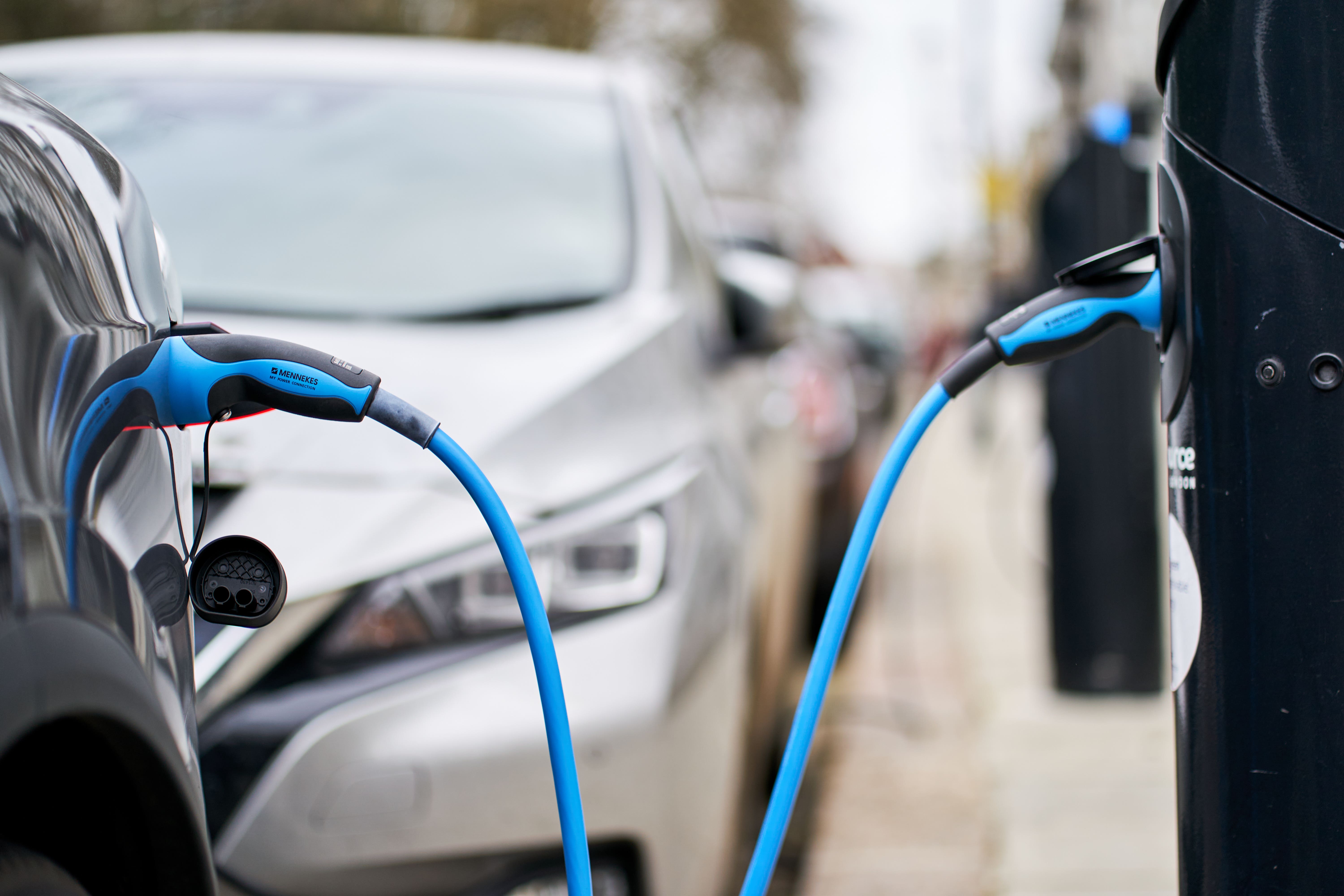
Britain’s transition to electric vehicles continues to gather pace, with battery electric car sales up 24 per cent last year and plug-in hybrid sales also boosted by 35 per cent. Now data has been revealed showing the stark differences in how quickly cities are expanding their charging infrastructure.
Fresh analysis from Stellantis & You highlights the UK cities that have made the fastest progress over the past five years, those currently struggling to keep up, and where the next wave of growth is expected to happen as the country moves closer to its net zero ambitions.
The UK’s electric vehicle market is projected to exceed £121 billion by 2029, and charging infrastructure is increasingly seen as one of the backbones of that growth – with government providing cash and cutting red tape to make it easier to install public chargers.
London remains streets ahead by sheer volume of public chargers, with more than 24,000 already installed. But the latest figures show that rapid expansion is happening well beyond the capital, with several regional cities recording dramatic increases in charger numbers since 2020.
London’s dominance is largely explained by population density and long-standing investment in public charging, while Dundee currently leads on accessibility, with 222 chargers per 100,000 people. Elsewhere, however, cities such as Coventry, Birmingham and Edinburgh are scaling their networks at speed, reshaping the UK’s EV map and signalling strong local commitment to electric transport.
Looking at growth between 2020 and 2025, Coventry stands out as the fastest-growing city for EV chargers. In just five years, the number of chargers in the city has risen from 203 to 2,578, representing an 11-fold increase. For a city with deep automotive roots, the scale of this expansion underlines how rapidly local authorities and charging companies have moved to support the shift away from petrol and diesel vehicles.
Birmingham has followed a similar trajectory. Charger numbers there increased from 103 in 2020 to 1,264 in 2025, another 11-fold rise. As the UK’s second-largest city, with major commuter flows and extensive transport links, the expansion of EV infrastructure is seen as essential to supporting rising EV ownership across the region.
Swansea has recorded one of the most striking relative increases, even if overall numbers remain smaller than in other major metropolitan areas. Charger numbers grew from just 37 in 2020 to 316 by 2025, an eight-fold increase that places the city among the strongest performers for growth. Newport has also expanded steadily, rising from 28 chargers in 2020 to 210 in 2025, while Edinburgh has grown its network over the same period to 714 chargers from just 113.
Other cities in the top 10 for growth include Kingston upon Hull, Stoke-on-Trent, Wrexham, Plymouth and Glasgow, all of which have seen sustained increases in charger availability over the past five years. In Glasgow, the number of chargers has climbed from 174 in 2020 to 835 in 2025, reflecting continued investment across Scotland’s largest city.
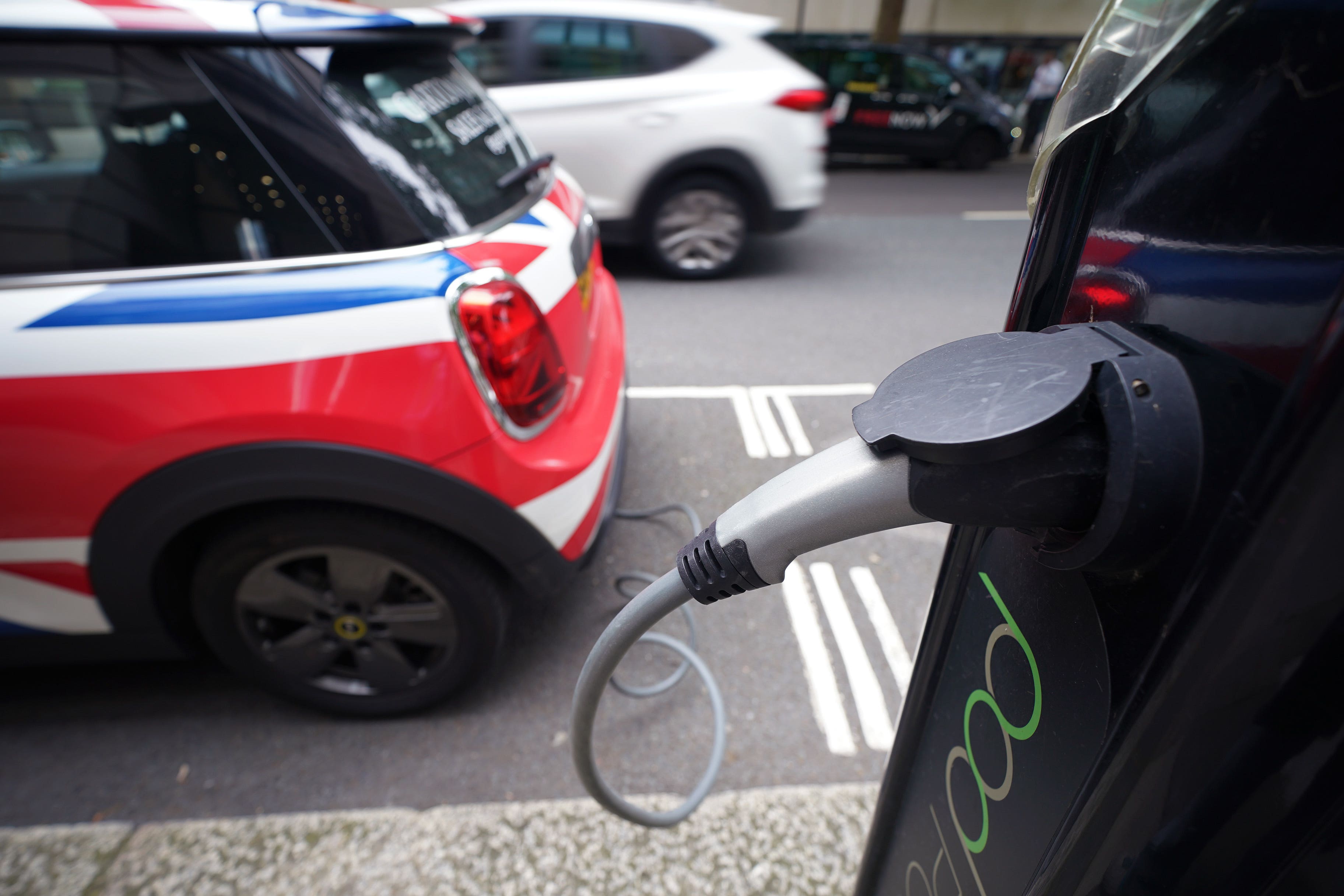
However, the analysis also highlights a group of cities that currently face greater challenges when it comes to EV readiness. These are not necessarily places with no infrastructure, but cities where charger availability, speed or accessibility are well behind population needs.
Southampton ranks lowest among the cities assessed, with 119 chargers in total, equating to 48 chargers per 100,000 people. Only 21 of these are 50kW rapid chargers, and there is just one free-to-use charging point, limiting options for drivers without off-street parking.
Derry faces similar constraints, with 34 chargers overall and relatively low accessibility, while Bristol, despite having 189 chargers, has no free-to-use charging points. Around 42 per cent of Bristol’s network consists of 50kW rapid chargers, indicating that speed is not the issue, but the total number and accessibility of chargers remains a limiting factor.
Belfast has 180 chargers, equating to around 66 per 100,000 people, while just over a fifth of these are rapid chargers, the city will need significantly more infrastructure to meet expected growth in EV ownership. Wolverhampton, Portsmouth, Kingston upon Hull, Liverpool and Leicester also feature among the cities most in need of further expansion.
Wrexham presents a contrasting picture. With 118 chargers, it has one of the highest ratios in the country at 180 chargers per 100,000 people. However, the absence of free charging points and a limited number of rapid chargers means that, despite high density, the network may still struggle to meet real-world demand.
Looking ahead, the analysis also forecasts how EV charging infrastructure could develop between 2025 and 2030 if recent growth trends continue. Edinburgh is predicted to see the strongest percentage increase, with charger numbers potentially rising from 906 in 2026 to 1,676 by 2030, a 134.7 per cent increase in four years.
 As an EV editor, these are the electric cars I’m most excited about in 2026
 Petrol versus electric ‘fuel’ costs – an EV does the equivalent of 352 miles per gallon
 Electric vehicle drivers must now pay London congestion charge as exemption ends
 Plug-in hybrid challenge: four countries, three Christmas markets, over 650 miles, one tank of fuel
Coventry is also expected to consolidate its leading position, with projections showing its network more than doubling again from 3,107 chargers in 2026 to 5,222 by 2030. Belfast is forecast to see charger numbers rise from 225 to 364 over the same period, while Liverpool is predicted to grow from 757 chargers to 1,224, an increase of just over 98 per cent.
Newport and Swansea are also expected to continue their upward trajectories, with projected growth of around 94 per cent and 91 per cent respectively by 2030. Manchester, Leicester, Kingston upon Hull and Stoke-on-Trent all feature in the top 10 future EV cities, suggesting that many areas currently lagging behind could see rapid improvement over the second half of the decade.
Stellantis & You analysed data on population from the Office for National Statistics, Scotland’s census and Northern Ireland Statistics and Research Agency, as well as data from the Department of Transport and information on free-to-use charging points from ChargeFinder. The data was compiled in September 2025.
The data underlines how uneven the rollout of EV infrastructure remains across the UK. While some cities have surged ahead, others face a growing gap that will need to be addressed if electric vehicles are to become a realistic option for drivers everywhere. As charging networks expand and forecasts point to continued EV sales growth, the pace and balance of investment across UK cities is likely to remain under close scrutiny in the years ahead.
Join our commenting forum
Join thought-provoking conversations, follow other Independent readers and see their replies
Comments
Bookmark popover
Removed from bookmarks