Nepal scraps social media ban ‘to address demands of Gen-Z’ after 19 killed in deadly protests
Social media websites working in Nepal after Gen Z protests over frustration with government
Nepal has withdrawn a ban on many popular social media sites after the restrictions sparked deadly protests that left at least 19 people dead and more than 300 injured.
The government withdrew its earlier decision to block more than two dozen social media platforms following an emergency cabinet meeting late on Monday, said Prithvi Subba Gurung, Nepal’s information minister.
Home minister Ramesh Lekhak resigned at the meeting called by prime minister KP Sharma Oli. Mr Gurung told the New York Times: “To address the demands raised by Gen Z, a social media ban will be lifted.”
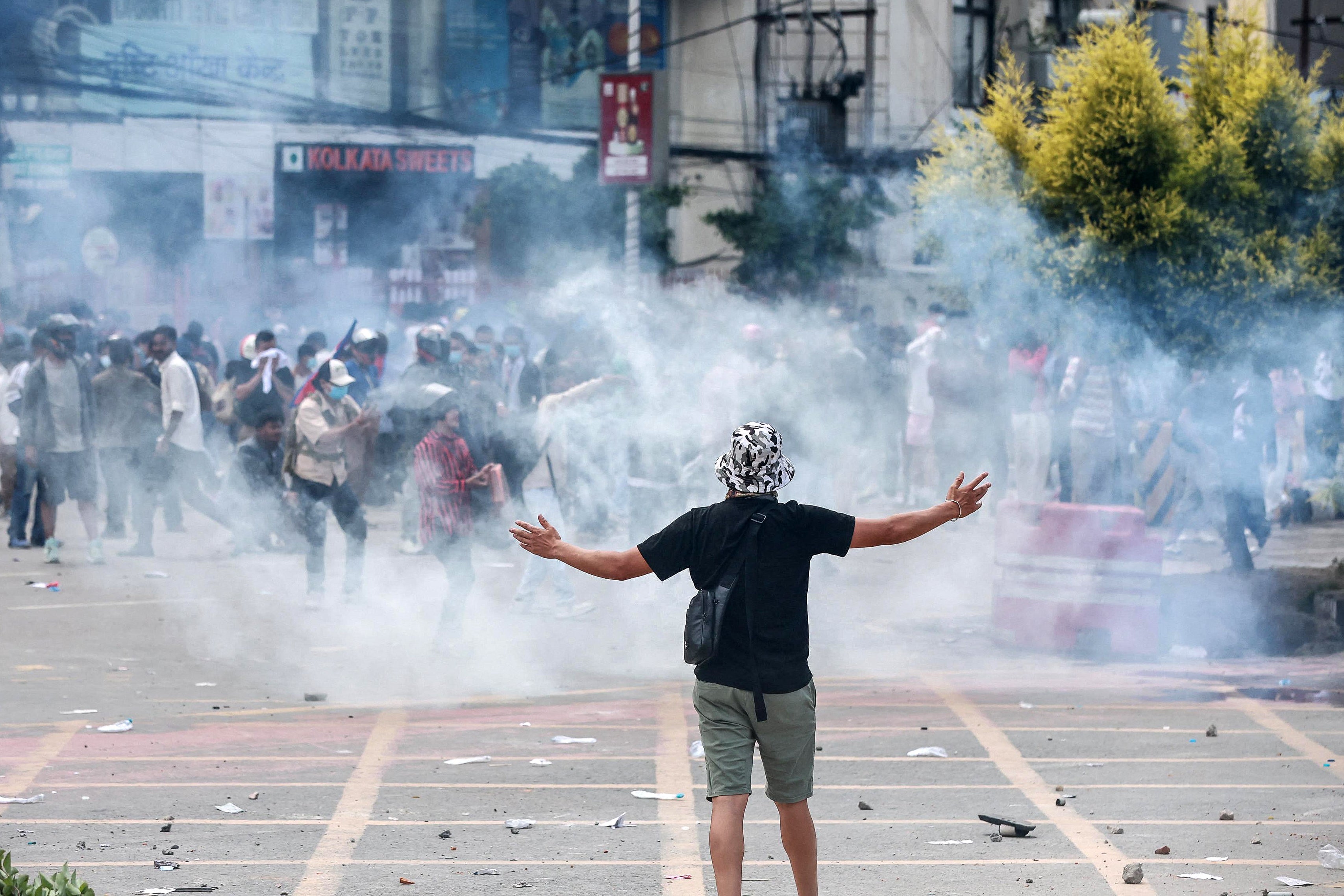
Thousands of young people clashed with the police who fired tear gas, used water cannons, and shot live rounds after protesters tried to storm the parliament building in Kathmandu. The protests, sparked by the social media ban, have snowballed into a larger fight against “corruption, nepotism, and misgovernance”.
Protesters from Generation Z – those currently in their teens and 20s – carried placards with slogans “Shut down corruption and not social media”, “Unban social media” and “Youths against corruption”.
It began following the government’s decision last week to block access to 26 major social media platforms including WhatsApp, Facebook, Instagram, YouTube, and LinkedIn, after they failed to meet new registration rules requiring a local representative and a license.
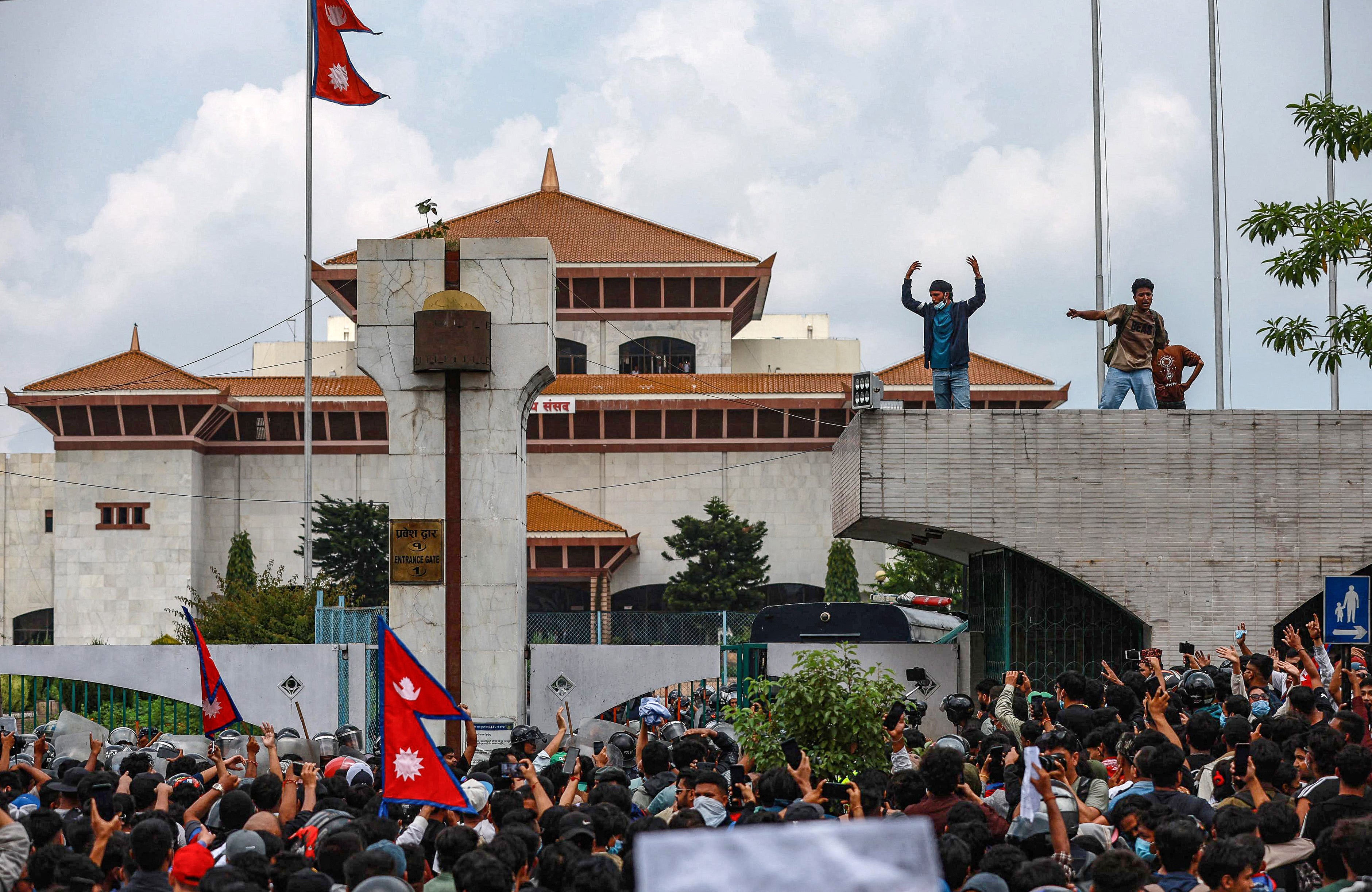
The ban, effective since last Thursday, disrupted communication across the country, especially affecting families with relatives working abroad and raising fears over press freedom and the tourism sector. The protests also stemmed from frustration over the government’s perceived failure to address corruption and improve economic opportunities.
The government had justified its ban by saying it was to curb fake news, hate speech, and online fraud.
Amnesty International and other rights groups alleged live ammunition was used on protesters that resulted in serious injuries and even deaths.
“The law enforcement agencies must only use force where absolutely necessary and it must be strictly proportionate to the legitimate aim sought to be achieved,” Amnesty said in a statement.
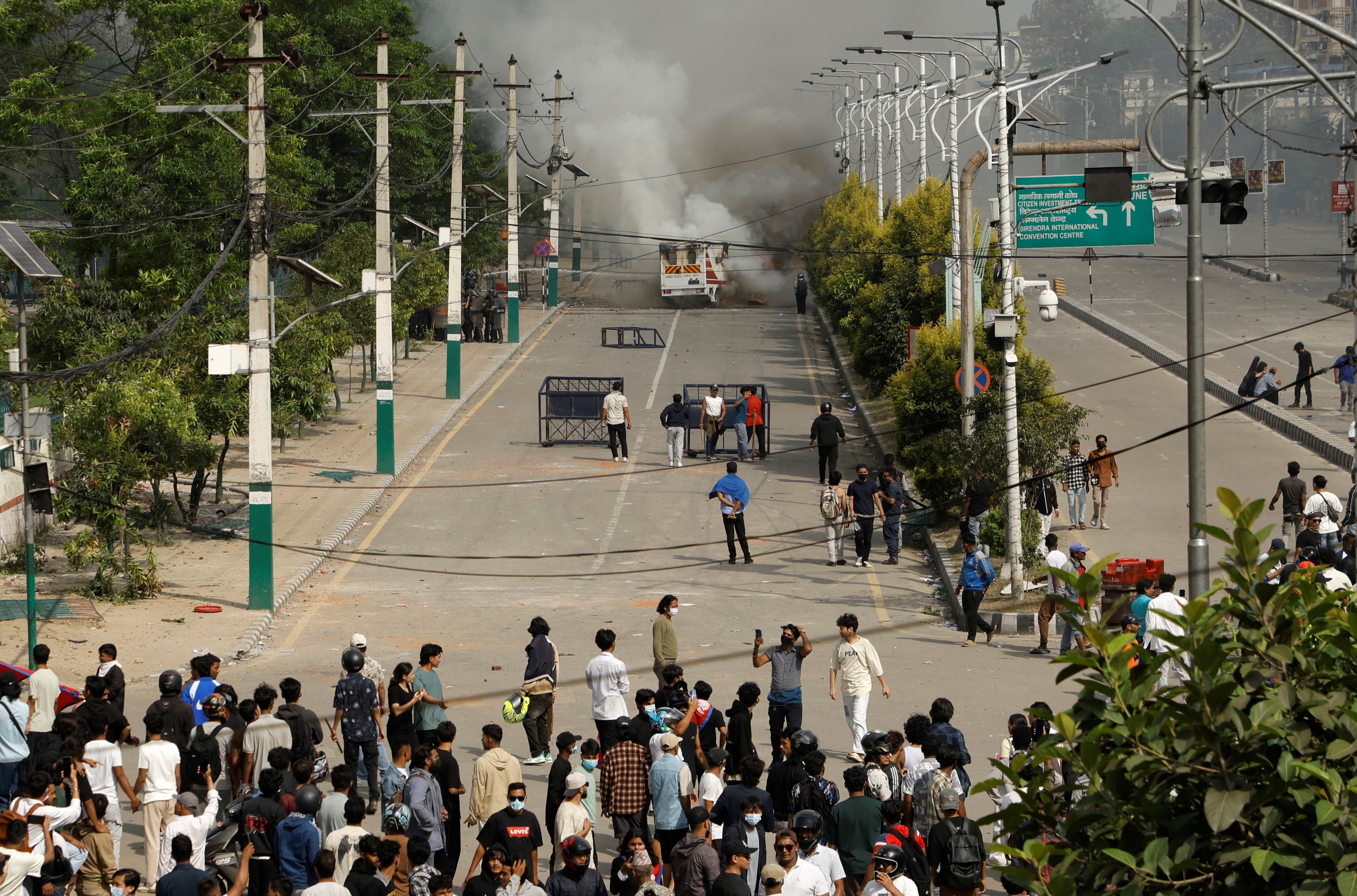
In a statement on Monday, Mr Oli said he was “deeply saddened” by the loss of lives during the protests and blamed the violent protests on infiltration from different selfish centres.
“While we were confident that our children will peacefully voice their demands, the situation that arose due to the infiltration of the protest by various vested interests has resulted in the tragic loss of lives of citizens,” he wrote.
He said a panel to investigate the protests will be set up by the government and it would offer financial "relief" to victims as well as free treatment to those injured.
On Tuesday, many families of those injured waited anxiously outside the hospital for news of their relatives while people lined up to donate blood.
Seven of those killed and scores of the wounded were admitted at the National Trauma Center, the country’s main hospital in the heart of Kathmandu.
“Many of them are in serious condition and appear to have been shot in the head and chest,” said Dr Badri Risa.
Join our commenting forum
Join thought-provoking conversations, follow other Independent readers and see their replies
Comments
Bookmark popover
Removed from bookmarks