Alex Honnold thanked for ‘bringing Taiwan to the international stage’ with Netflix skyscraper live stunt
Ropeless ascent of Taipei 101 draws global attention and praise for Honnold’s bravery – but also questions over the ethics of such a stunt
Taiwan’s president has praised American climber Alex Honnold after he scaled Taipei 101 without ropes or a safety net in a live Netflix broadcast.
Honnold’s achievement has received millions of viewers from around the world and thrust the island’s skyline into the global spotlight, but it has also revived debate over the ethics of broadcasting extreme risk.
President Lai Ching-te said the climb was “truly nerve-wracking” to watch but thanked Honnold and organisers for showcasing Taiwan to an international audience. “Congratulations to the fearless Alex on completing this challenge, and thanks as well to everyone behind the scenes who made it possible and helped put Taiwan on the international stage,” Mr Lai wrote on Facebook.
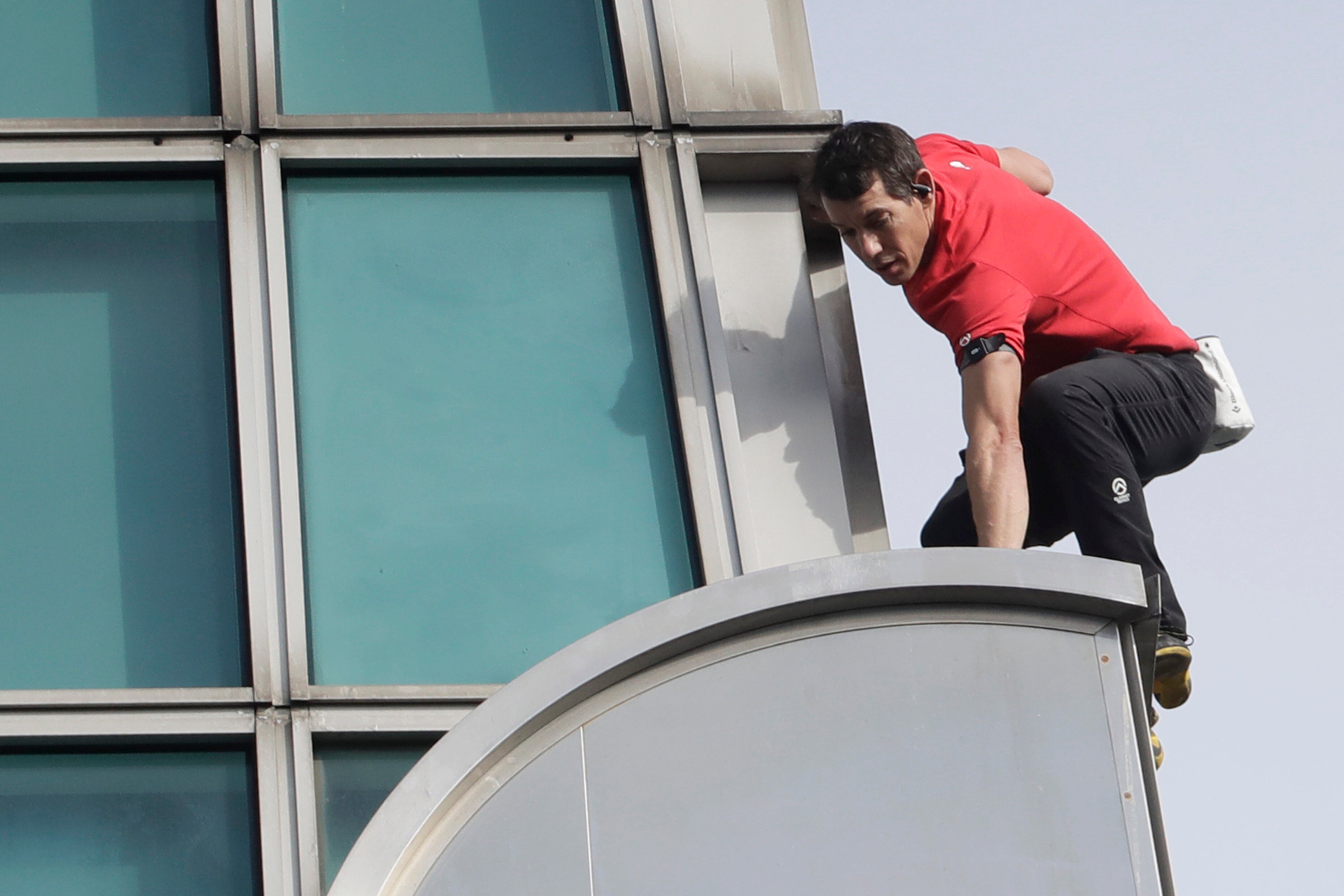
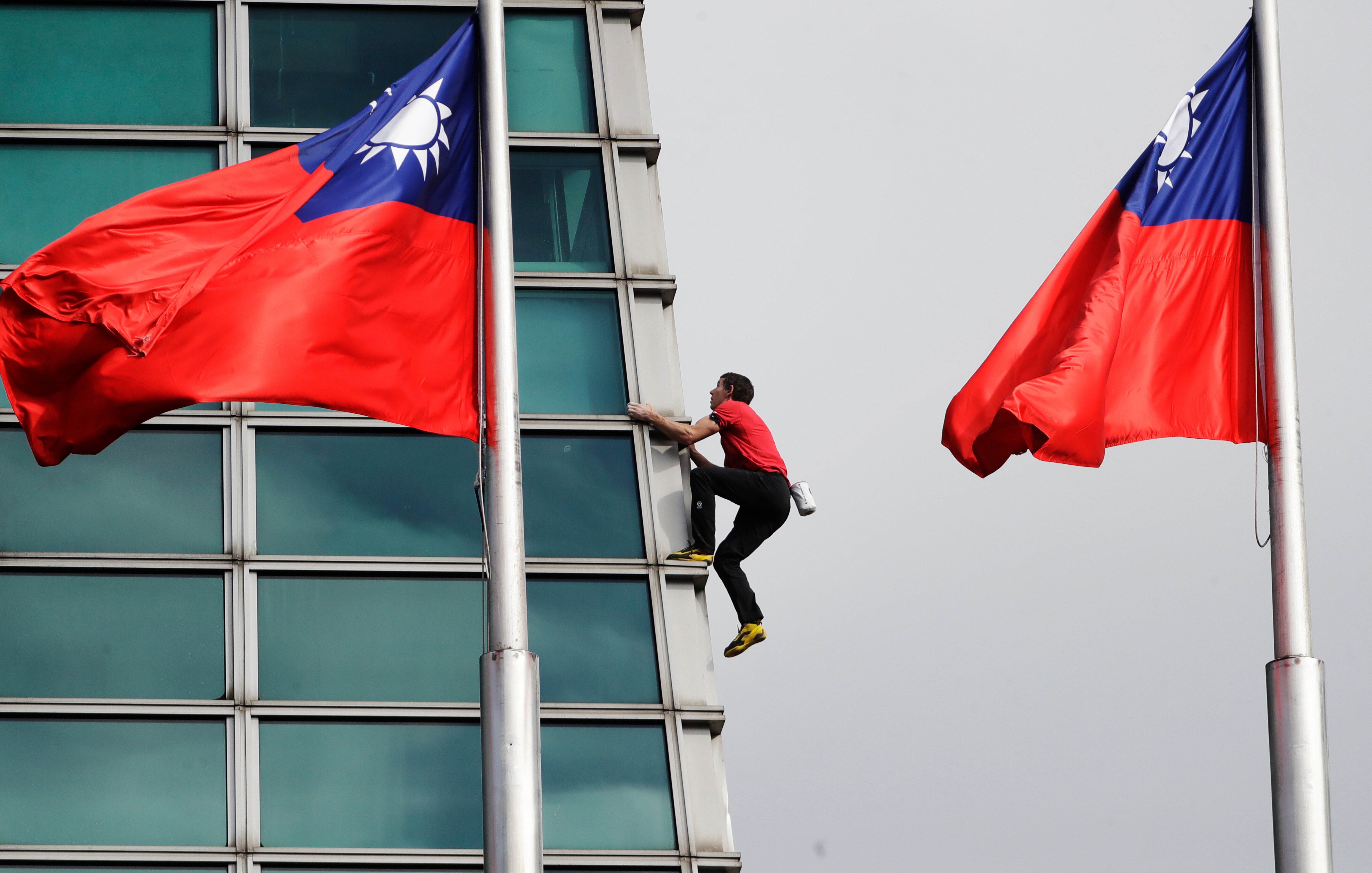
Honnold completed the free solo ascent – a form of climbing done without protective equipment – in 91 minutes, reaching the spire of the 508-metre tower as thousands watched from the streets below. “Sick,” he said on reaching the top, later adding: “What a beautiful way to see Taipei.”
The event, which was streamed worldwide as Skyscraper Live after being postponed by a day because of rain, went ahead after receiving permission from Taipei 101’s owner and the city government. Executive producer James Smith said it was unusual for a building to allow such access, calling the tower “a real icon of this country”.
Taipei 101, once the world’s tallest building from 2004 to 2010, dominates the skyline and is a symbol of Taiwan’s modernity. Its distinctive “bamboo box” design features stacked sections with balconies every eight floors, creating regular ledges that climbers say make it unusually suitable for ascents of this kind.
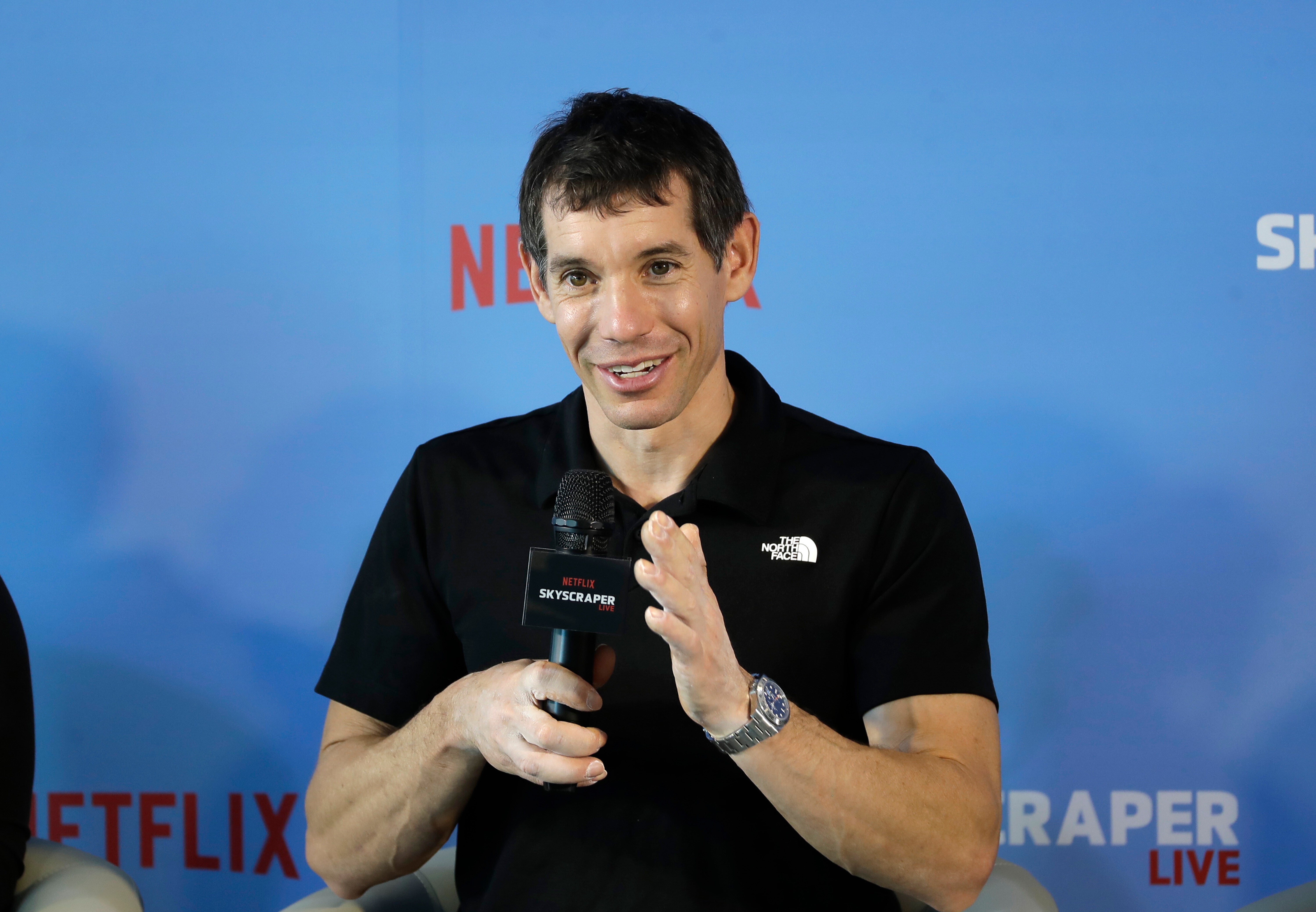
Mr Lai said the event showcased more than the skyscraper itself. “Through Netflix’s live broadcast cameras, the world didn’t just see Taipei 101 – it also saw the warmth and passion of the Taiwanese people, and the beautiful hills and scenery of this land,” he wrote. Former president Tsai Ing-wen also congratulated Honnold.
The climb attracted extensive international coverage, offering Taiwan rare exposure for reasons other than its dominant semiconductor industry or ever-simmering tensions with China. Beijing claims the self-governed island as part of its territory, a position rejected by Taiwan’s democratically elected government.
Crowds followed Honnold’s progress in person and online, some waving flags and banners.
Travellers at Taiwan Taoyuan International Airport later stopped the climber for photographs as he prepared to leave with his wife, Sanni Honnold. According to Taiwan News, when reporters asked if he would return, he replied: “Yeah.”
Alongside the acclaim, the spectacle prompted criticism from climbers and commentators who questioned whether the risks were justified.
Netflix ran the live stream on a reported 10-second delay, allowing the feed to be cut in an emergency, and issued viewer warnings. Any mistake during a free solo ascent would likely have been fatal.
The controversy was sharpened by recent history. In October last year, a 23-year-old American climber named Balin Miller died after falling from Yosemite’s El Capitan during a TikTok livestream, an incident that shocked viewers and reignited debate over broadcasting high-risk physical feats.
In an article for the Singapore-based Straits Times, Taiwan correspondent Yip Wae Yee questioned whether “the risks were justified”.
“Any mistake would have likely been fatal, and traumatic not just for his wife – who said afterwards that she was ‘basically having a panic attack the entire time’ while watching him climb – but for everyone else watching so intently,” she wrote.
The event has divided the climbing community. Speaking to the Guardian at a Taipei climbing gym, teacher and enthusiastic amateur Yang Tse-hsiao, 41, criticised the way the attempt was being live-streamed by Netflix.
“I don’t understand why it has to be done this way, other than for commercial reasons,” he said. “If he falls, the price is huge.”
Supporters have countered that Honnold is among the world’s most experienced climbers, famed for his ropeless ascent of El Capitan documented in the Oscar-winning film Free Solo. Experts have said the Taipei 101 climb, while dangerous, was technically less complex than some of his previous routes. Honnold himself has said skyscrapers test endurance more than difficult moves.
The building has been climbed before. In 2004, French climber Alain Robert, known as “Spiderman”, ascended Taipei 101 with a safety rope as part of a promotional event.
Join our commenting forum
Join thought-provoking conversations, follow other Independent readers and see their replies
Comments
Bookmark popover
Removed from bookmarks