Finding Harmony: A King’s Vision review: Glossy documentary casts Charles as a misunderstood prophet
The King’s lifelong green crusade is given the big-budget treatment – with narration by Kate Winslet – tracing him from tabloid mockery to committed action at home and abroad
In a week the royals would like to forget, with Andrew moving out of Royal Lodge under cover of darkness following fresh Epstein revelations, comes a new documentary about King Charles’s environmental philosophy. Finding Harmony: A King’s Vision drops on Amazon, which also funded 2024’s A Very Royal Scandal, dramatising that car-crash Newsnight interview. It’s Charles’s honest attempt to show that his five decades of indefatigable green crusading weren’t just royal eccentricity but a roadmap for survival.
This is his first major film since becoming King, though royal documentaries have become oddly ubiquitous. Once a rare event – the BBC and ITV’s fly-on-the-palace-wall Royal Family in 1969 was watched by more than half of Britain – they now arrive in a steady stream. Take your pick from Harry and Meghan’s Netflix output, Channel 5’s Saturday night specials, Prince William revealing his plans for the monarchy on Apple TV.
Charles’s offering, lavishly shot by Human Planet director Nicolas Brown, is a languorous 90 minutes, with narration from Oscar-winning actor Kate Winslet. “What is the opposite of harmony?” she asks at the start. “We could argue it’s a disconnection… like being cut off from each other and from nature.”
The film positions Charles as a misunderstood prophet vindicated by history. At 21, he warned about pollution’s “cancerous forms” when few public figures discussed such things. By the 1980s, when he went organic at Highgrove, the mockery was fierce. The Sun called him “A-loon with his worms”; The Times dismissed organic farming as “some kind of drop-out for hippies”; even The Archers piled on in 1985, with the farmers of Ambridge scoffing at his methods – “What do you mean organic? You mean with no chemicals, just lots and lots of manure?”
The moment that truly “haunted” him, as Winslet puts it, came in a 1986 ITV interview when Charles admitted he liked to “talk to the plants. Very important to talk to them. They respond.” The Irish Independent declared he was “going completely off his trolley”. The film mines these clips for maximum effect: see, he was right all along, the narrative is at pains to say. As Charles explains his philosophy: “It all boils down to the fact that we are actually nature ourselves: we are a part of it, not apart from it, which is really how things have been presented for so long.”
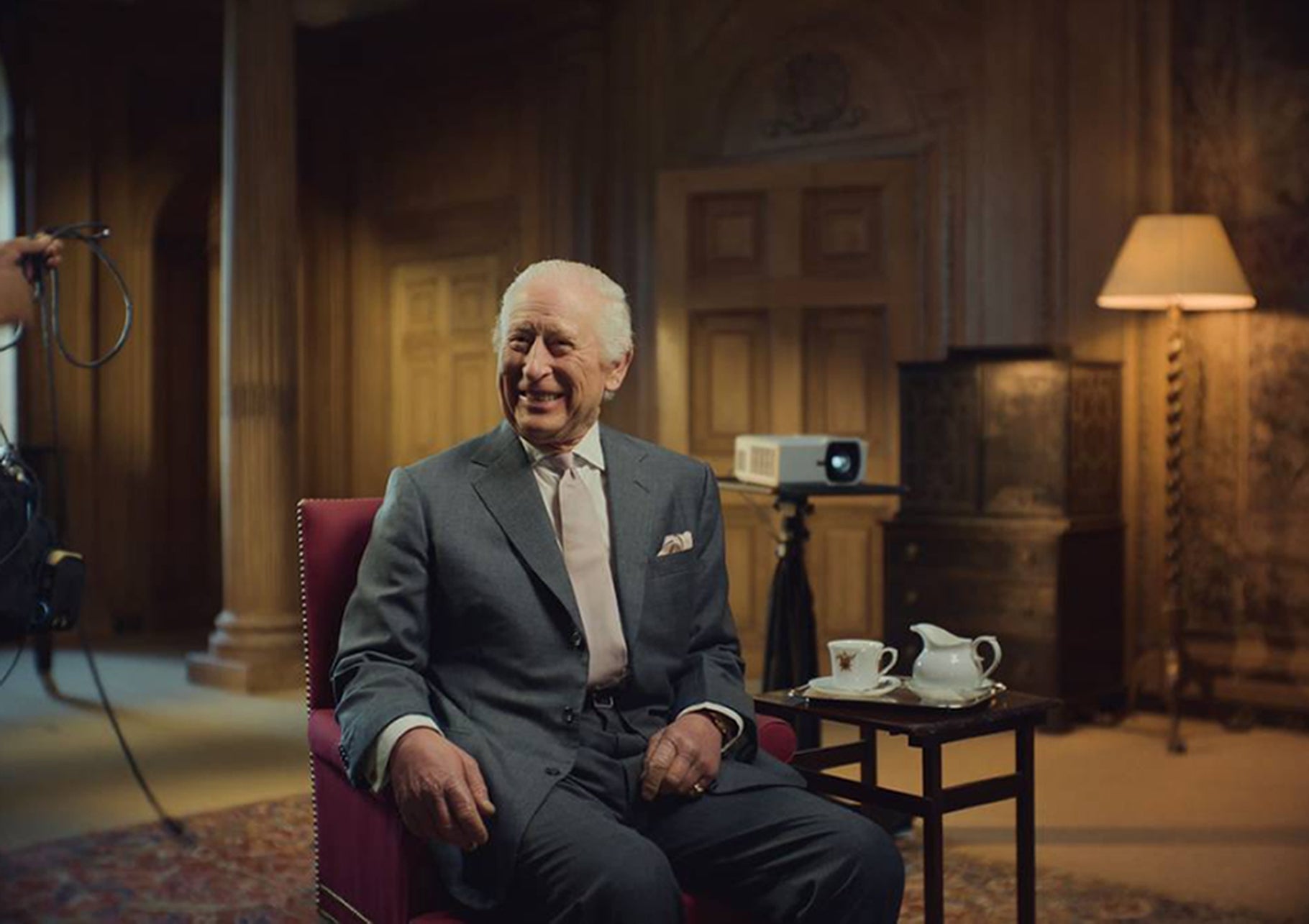
Where the documentary works best is in its quieter moments. Charles at Highgrove, noting the cuckoos that have vanished over 45 years: “You never hear them now, and there used to be grasshoppers and the place used to hum with that wonderful sound.” When asked if he’s worried about the state of the world, he replies with pained resignation: “Of course. It’s been my main motivation for a long, long time.” Later on, he says: “I can only do what I can do, which isn’t very much.” There’s something affecting about watching him tend his chickens at “Cluckingham Palace”, collecting eggs while they strut around him. The bees get their moment too, at HMP Bristol, where prisoners learn beekeeping because “the natural world will teach them about relationships, how to think as an ecosystem”. It’s all very earnest.
Maybe by the time I shuffle off this mortal coil, there might be a little more awareness
Less endearing is the relentless evangelism for “harmony”. The word gets such a thorough workout that it begins to feel less like a philosophy than a device designed to hypnotise you. The film’s central thesis is that there’s an innate harmony and interconnectedness binding all things together, supported by what Winslet calls “sacred geometry or the grammar of harmony”. Patterns from “microscopic organisms to the human body up to the eight-year-long shapes made by Venus” are “united by natural mathematics” with “a profound effect on our emotions and our wellbeing". This conflation of science with mystical beliefs was the sort of thing for which Charles’s 2010 book Harmony was criticised.
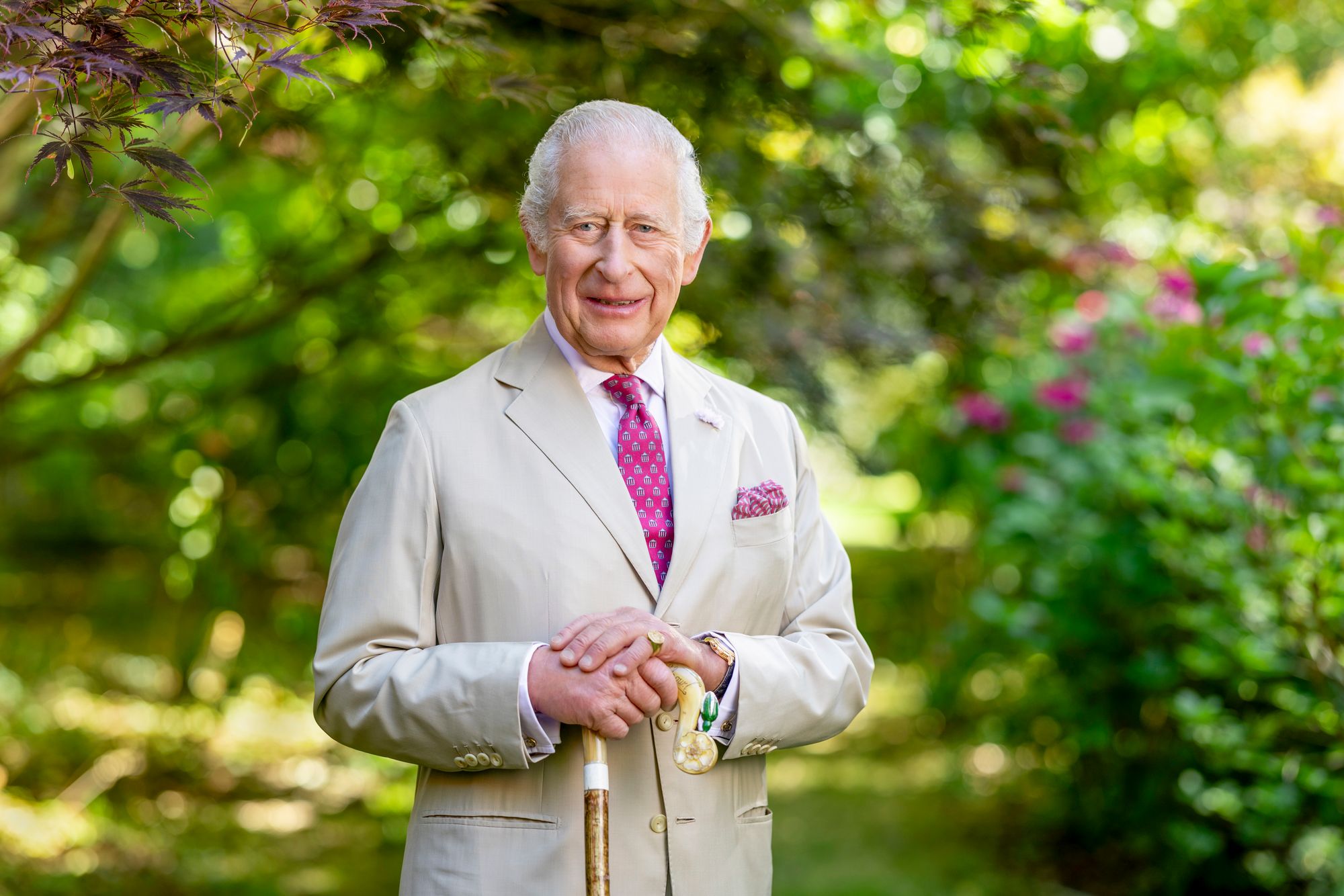
From here, the film takes us on a world tour of harmony in action. At Dumfries House – the Palladian mansion in southwest Scotland that Charles helped save in 2007 – the King’s Foundation now trains 10,000 people a year in traditional skills and sustainable living, revitalising what had been an economically struggling area. In Afghanistan, the Turquoise Mountain Foundation has been clearing rubble as well as providing water, electricity and healthcare since 2006, and remarkably continues operating despite the Taliban’s return in 2021.
Then there’s Poundbury, Charles’s housing development on Duchy of Cornwall land outside Dorchester, built according to his architectural principles with mixed housing, traditional design and green spaces within walking distance. “I tried to demonstrate how harmony in practice could be made to work rather than just talk about all these things,” he says. “To see: is there something here to learn from?”
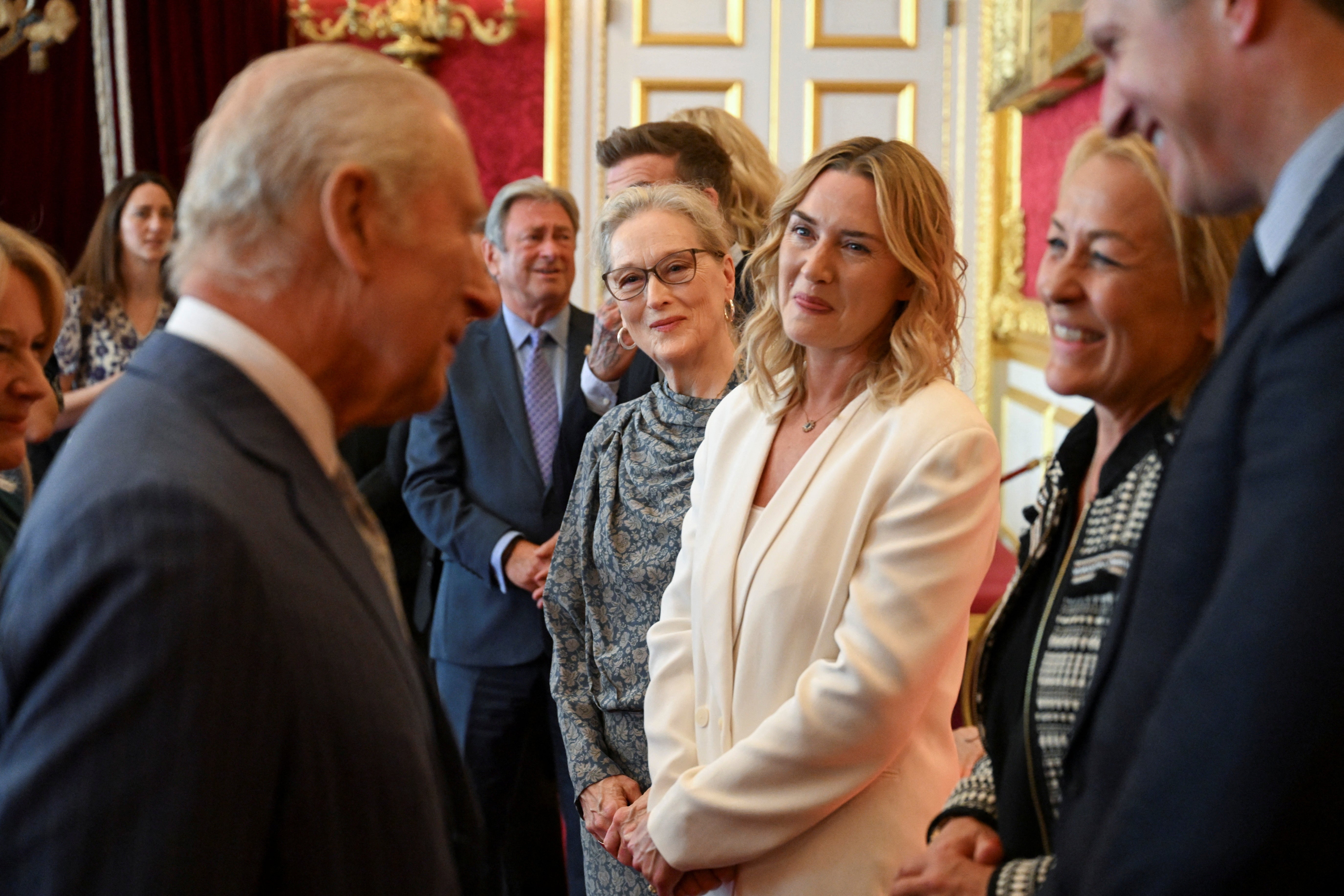
The important message at the heart of this film is just about enough to keep the hagiographic tendencies if not at bay, at least subdued. This is despite plenty of backslapping and cheerleading from talking heads such as Patrick Holden (Sustainable Food Trust founder) and Tony Juniper (an ecologist and author). Though Finding Harmony: A King’s Vision feels overlong, in desperate need of a pruning here and there, it is a powerful call to action, and the pull of the King will guarantee it gets heard.
Of course the timing of all this matters. Donald Trump pushes the lie that climate change is a “con job”, so there’s value in Charles stating basic truths: “People just don’t understand that it’s not just climate change but it’s also biodiversity loss. We’re actually destroying our means of survival all the time,” he says, before hoping plaintively. “Maybe by the time I shuffle off this mortal coil, there might be a little more awareness.” Given the state we’re all in, that flicker of possibility feels worth holding onto.
Join our commenting forum
Join thought-provoking conversations, follow other Independent readers and see their replies
Comments
Bookmark popover
Removed from bookmarks