How King Charles helped criminals to ‘feel’ again through bee-keeping
New documentary about monarch’s passion for environmentalism follows him as he reflects on the importance of harmony between humanity, nature and environment
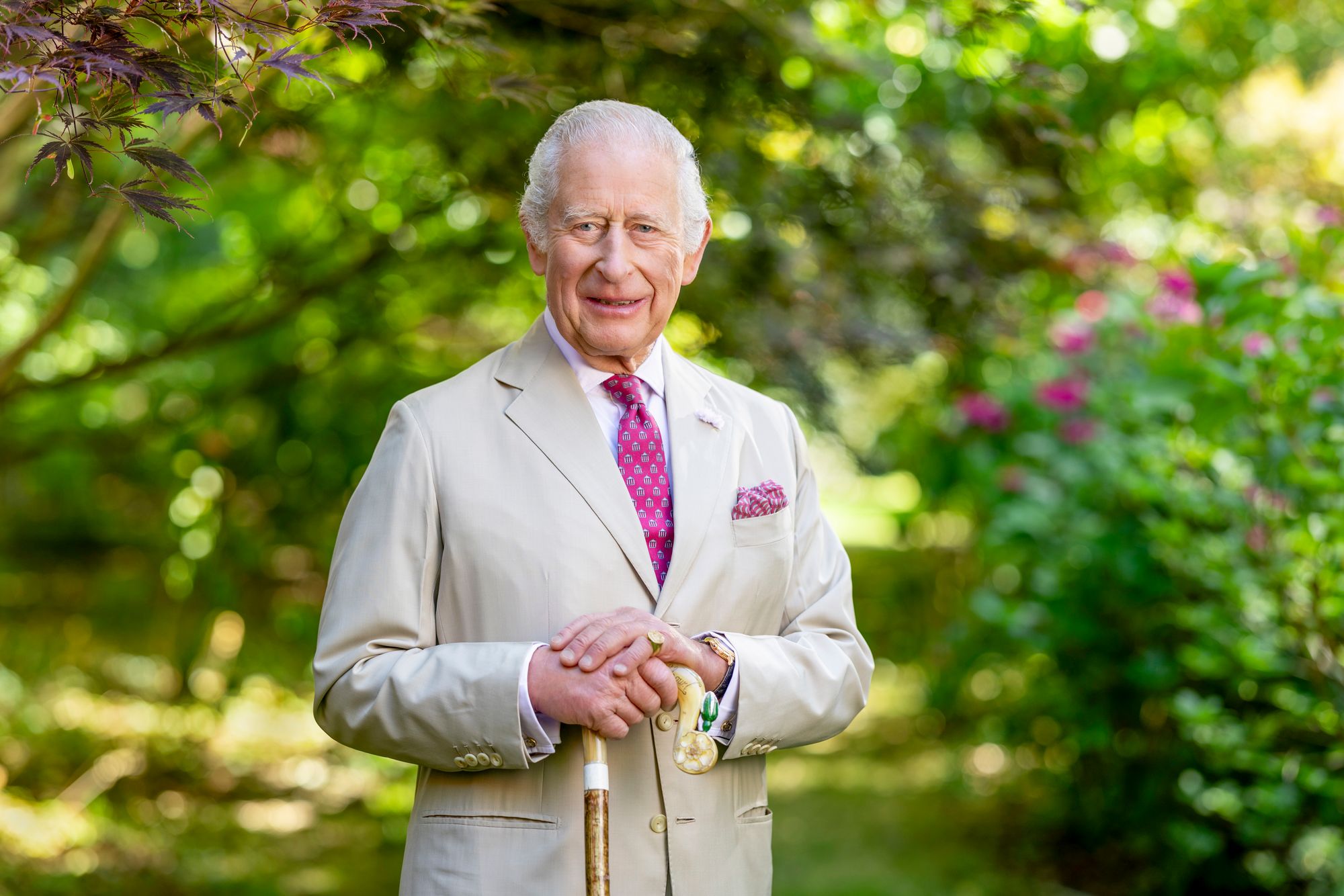
King Charles has inspired a bee-keeping project in prison that is teaching criminals about relationships and the importance of living in “harmony” within a community.
The King’s new documentary about environmentalism, Finding Harmony: A King’s Vision, follows the monarch as he reflects on the importance of harmony between humanity, nature and the environment.
The 77-year-old said he “wasn’t going to be diverted” from his environmental campaigning, despite the criticism he has faced over the decades, which he said had led to his activism being derided as “completely bonkers”.
The 90-minute Prime Video film focuses on Charles’ harmony theory, which encourages audiences to see ourselves as part of nature rather than apart from nature.
The project, which began decades ago at the monarch’s private country residence, Highgrove House, in Gloucestershire, in the early 1980s, has now spread as far as HMP Bristol, where prisoners run a bee-keeping academy.
Muhammed Foulds, head of chaplaincy at the category B high-security prison, explains to viewers: “We are seeing these individuals coming here because society’s broken, the family’s broken, so of course you’re going to get broken individuals.
“All these bees work in harmony, hence the harmony project here.”
He adds: “99.99 per cent of prisoners are here because they have no understanding of a relationship – husband, wife, boyfriend, girlfriend, family breakdown. The natural world is going to teach them about relationships, how to think as an ecosystem.”
The audience see prisoners in protective bee suits, tending to their hives, which have produced honey.
Inmate Andrew says: “When you see them all working as one, it is quite a fascinating thing. I feel quite relaxed, even though they could attack you. They just go along with their daily thing.”
Mr Foulds adds: “The whole life of a hive is a system, is a city within a city. And they make that connection – you’re not just an individual, but you live within a community. Then we make that link with wider society, and we keep emphasising the umbrella of every step is harmony.”
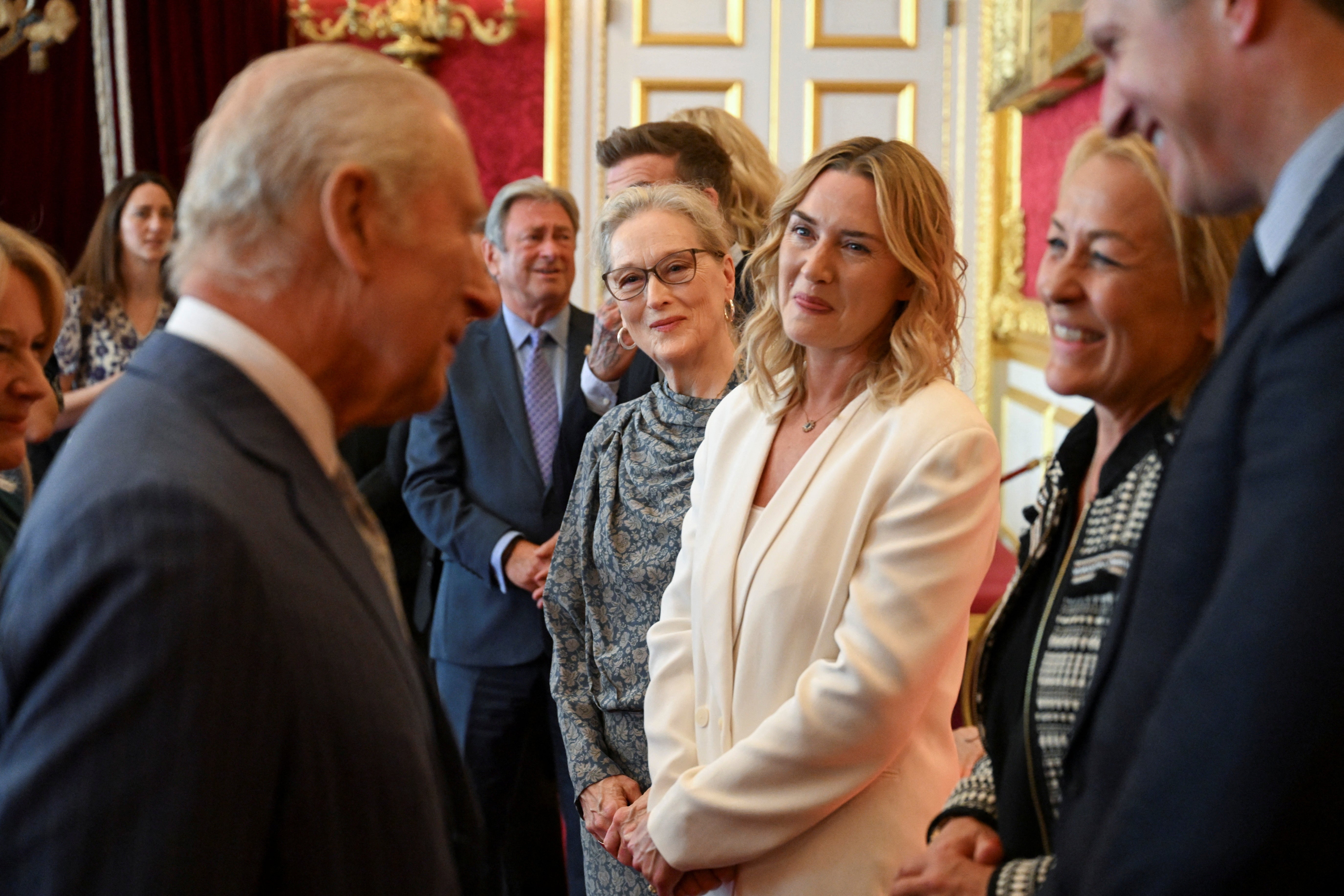
The documentary, made in collaboration with the monarch’s charity, The King’s Foundation, for Amazon MGM Studios, became the first film to premiere in a royal residence when a cast of stars joined the King for a screening at Windsor Castle last week.
Actors including Benedict Cumberbatch, Sir Kenneth Branagh, Dame Judi Dench and Stanley Tucci were among more than guests, alongside musicians Sir Rod Stewart and Jools Holland, plus Oscar-winner Kate Winslet, who narrates the documentary.
The film, the King’s first documentary with a streaming platform, describes how Charles, as Prince of Wales, emerged as a key figure on the environment, making regular keynote speeches. In new footage, he says: “I just felt this was the approach that I was going to stick to – a course I set, and I wasn’t going to be diverted from.”
This commitment to the cause came despite “cries from some that he should take a back seat”, Winslet says.
Archive footage shows Charles describing how he talks to plants, which Winslet describes as having “haunted him ever since”.
Reflecting on previous depictions and perceptions of him, the King says: “All these things were considered completely bonkers to say the least.”
But now, the King’s warnings about the planet are accepted facts among the mainstream.
When asked if he is concerned about the state of the world, Charles replies: “Of course – that has been my main motivation for a long time. And you can see what’s happened. The principles underlying what I call l harmony, I think we need to follow if we’re to ensure that this poor old planet can support so many.”
After an academic comment that the world is not on the “trajectory” needed to limit the worst effects of climate change, Charles issues a call to action. He exclaims: “It’s rapidly going backwards, I’ve said that for the last 40 years, but anyway, there we are… I can only do what I can do, which is not very much – anyway.
“People don’t seem to understand it’s not just climate that’s the problem, it’s also biodiversity loss, so we’re actually destroying our means of survival, all the time.
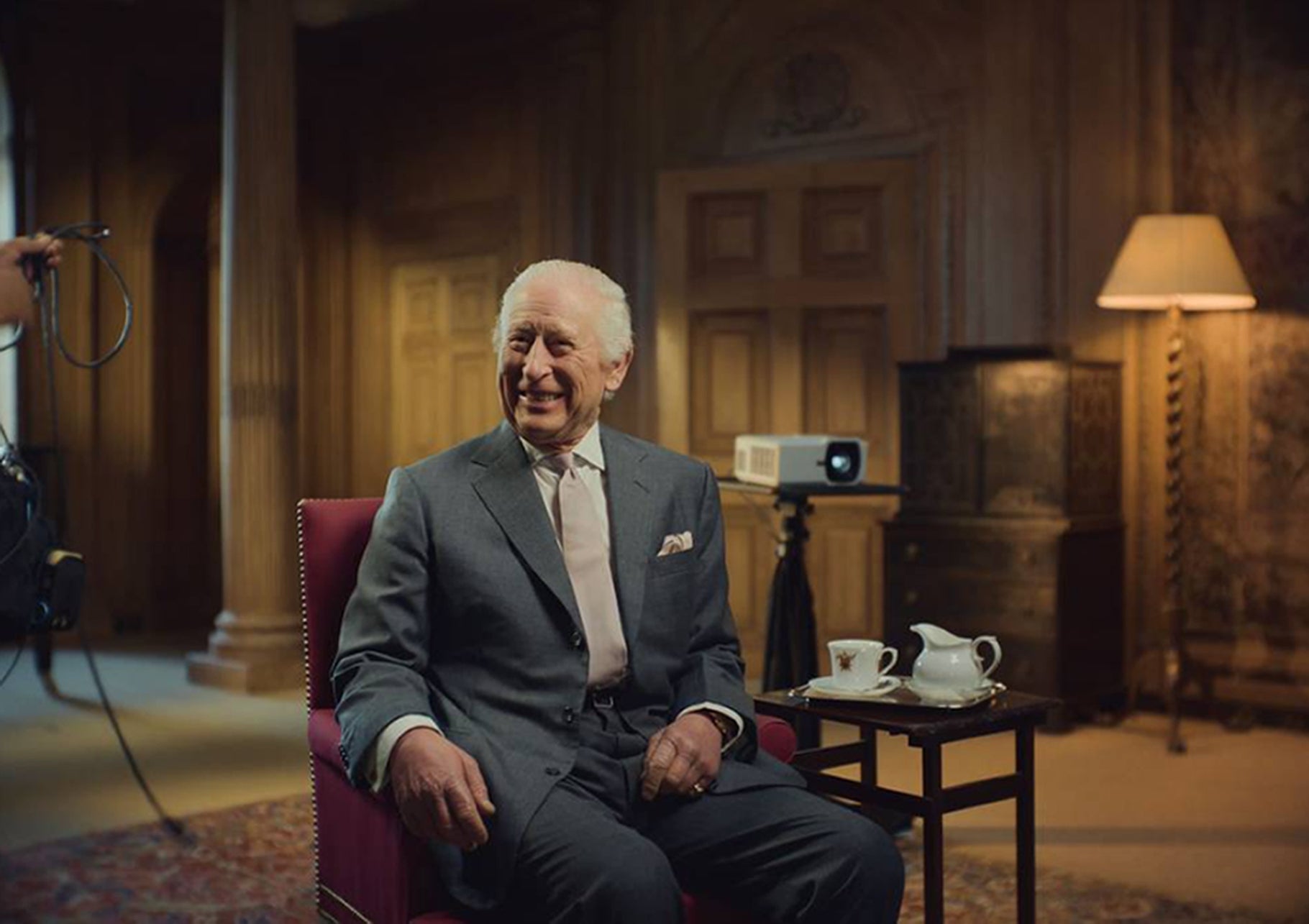
“To put that back together again is possible, but we should have been doing it long ago. We’ve got to do it as fast as we can now.”
Afghanistan is among the other places the Harmony project has impacted. Charity Turquoise Mountain was established in 2006 in the capital, Kabul. After the Taliban takeover in 2021, women and girls’ fundamental rights have been systematically stripped, but due to the charity’s contribution to healthcare and Afghan heritage, it has enabled tens of thousands of Afghan women to access jobs and healthcare, according to the documentary.
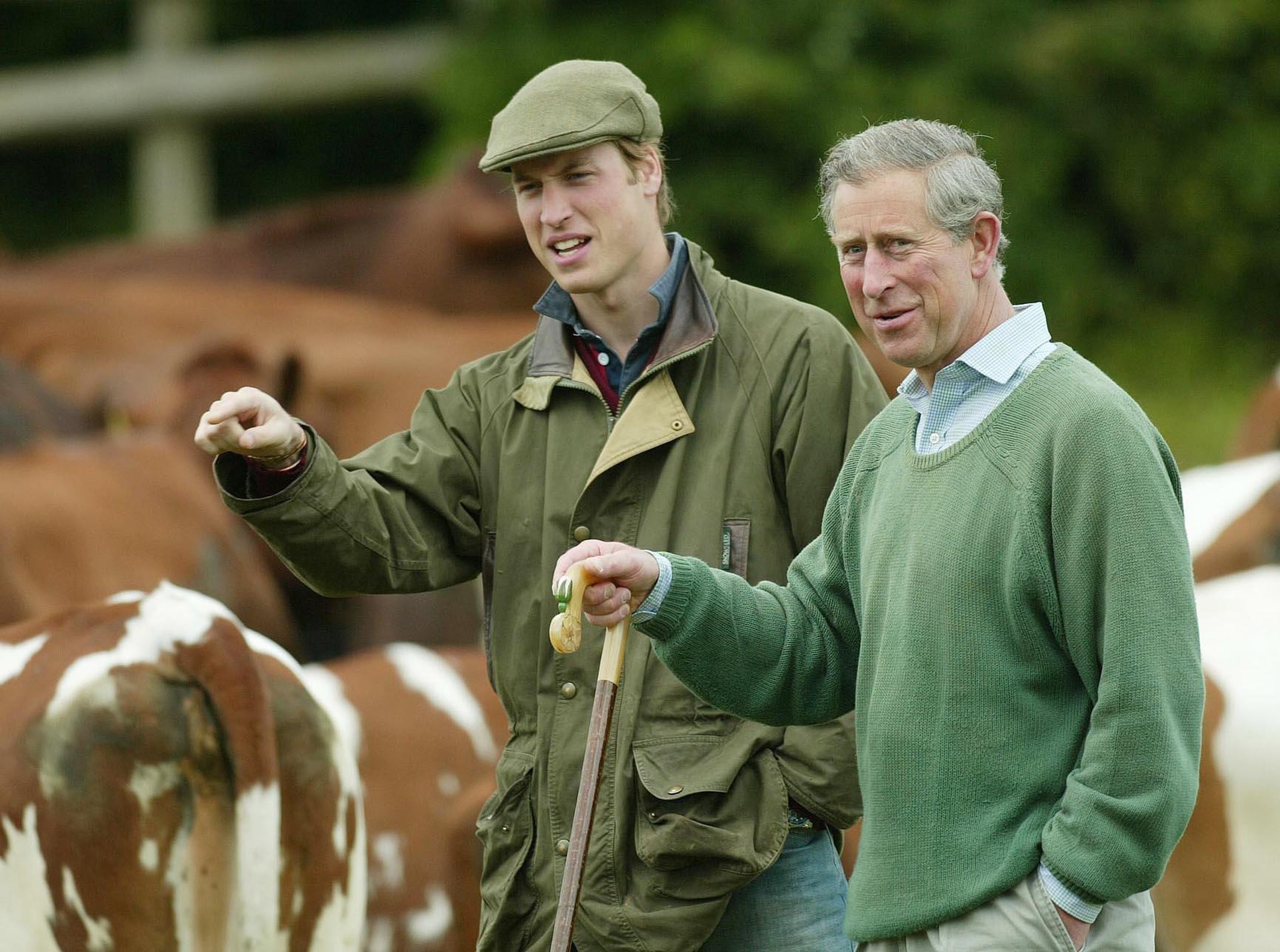
The audience also gets a glimpse into the monarch’s more private world, with shots of Charles collecting eggs from his chickens, who are housed in a coop called “Cluckingham Palace” on his Highgrove estate. He goes on to reveal his love of a crispy baked potato, declaring that “red Duke of Yorks” are the best variety for this.
The King ends his documentary with an expression of hope that “by the time I shuffle off this mortal coil”, there might be more awareness of the “need to bring things back together again”.
Finding Harmony: A King’s Vision is released on Friday on Prime Video in more than 240 countries and territories worldwide.
Join our commenting forum
Join thought-provoking conversations, follow other Independent readers and see their replies
Comments
Bookmark popover
Removed from bookmarks