Enter Shikari's Rou Reynolds on new album 'The Spark', anxiety, and why there's no room for apathy in 2017
'What I was trying to do with this album in marrying the personal and the political is to ensure that human vulnerability is laid bare, and to not be afraid to speak about emotions'
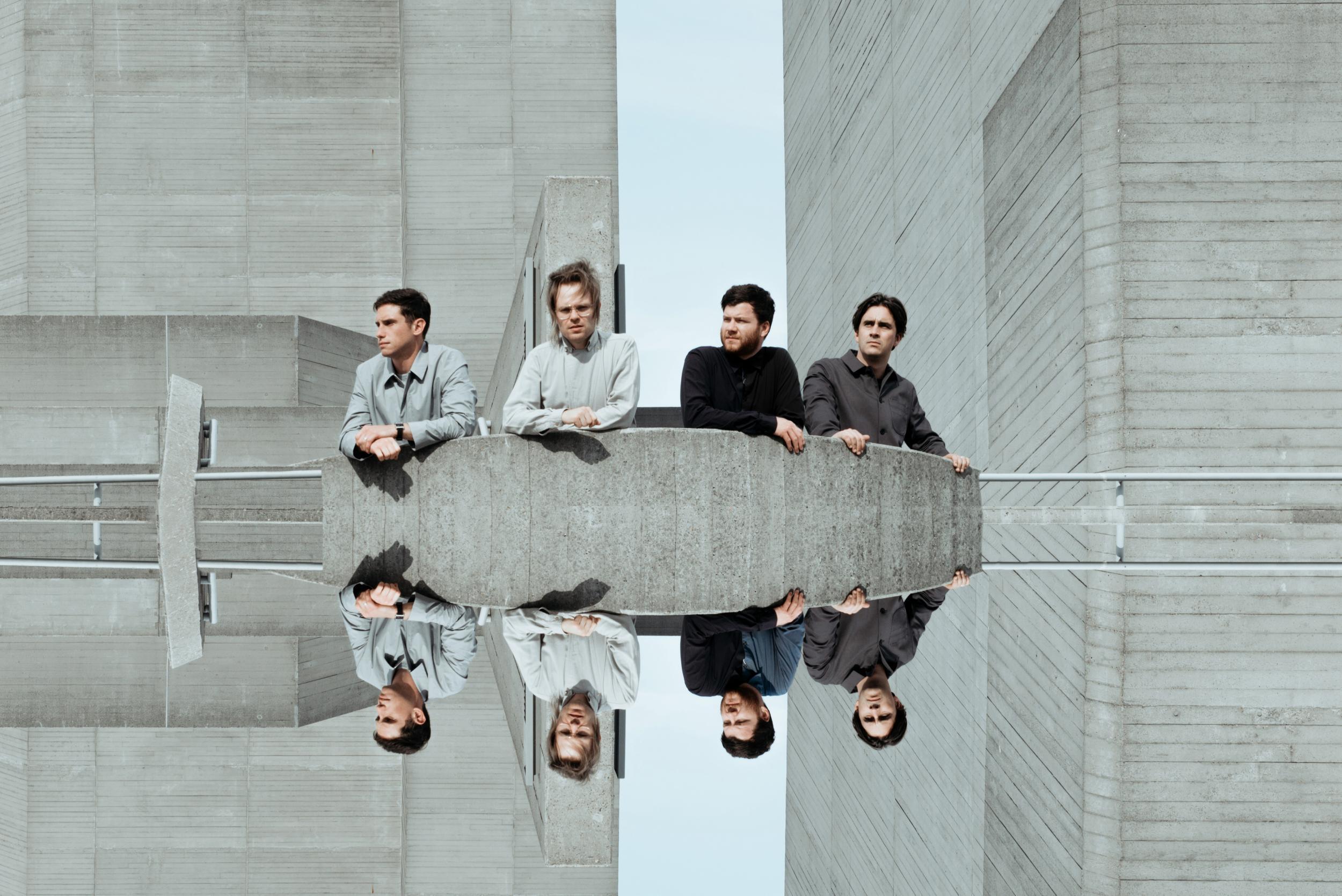
When it came to making Enter Shikari’s fifth album The Spark, frontman Rou Reynolds had a clear idea of how he wanted the record to be.
“It had never really happened like that before,” he explains over coffee at a hotel with a superb view of the London skyline.
“Co-producing it with David Kosten [Everything Everything, Bat For Lashes] brought a different vibe to the studio. He’s really fun to work with and will happily – almost too happily – just gallivant down any path you want to go down.
“Sometimes we had to rein him in,” he adds, laughing, “which was awesome. We wanted to push ourselves a bit and I was a bit nervous about going with a named producer, but David had so many good ideas, and an amazing vintage synth collection...”
That synth collection came in handy for the clear Depeche Mode influences on the record. The Spark is easily Enter Shikari’s most ambitious album, that sees Reynold’s bare his soul in the lyrics in a way that fans won’t have been privy to before.
“I don’t think I could have done it before this record,” he says. “So much happened over those two years, globally and in my personal life, so before. I was kind of comfortable. I have a very finely attuned cringe muscle, I don’t like writing about things that have been written about a thousand times.
“Some of it is maybe even a self-confidence thing, feeling as though I don’t have much to offer in terms of art that helps other people. But seeing as 2015 was the year of hell for me, it wasn’t just that I wanted to write a more personal record, I had to. There was no way of not doing it.”
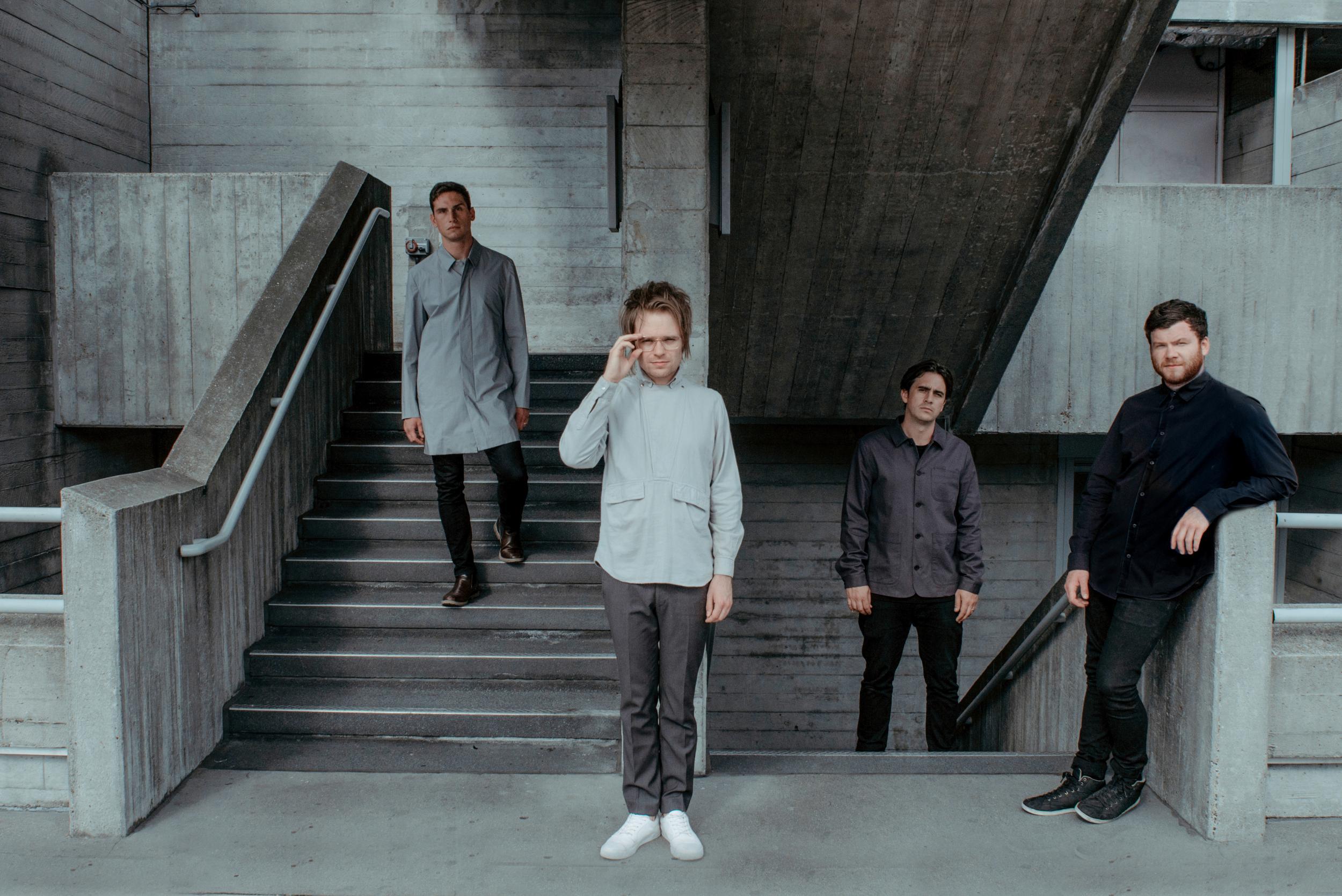
Reynolds, who suffers from anxiety, notes the slight irony in how he actually feels an overwhelming desire to connect with people when that feeling reaches its peak: “Which is weird because you’d think that’d clash, but I guess part of it is wanting to know that I’m not the only one feeling like this,” he says.
He became more open with his fans on social media in 2015, and is still slightly at odds with the idea that this was something considered “commendable” in any way – for him to speak about those issues felt like a selfish act. Hearing people come forward and tell him they had gone through the same thing made him feel better.
Yet he concedes that if this was the case, the act of coming forward about those issues with the kind of platform he’s found himself on can have a huge benefit to others.
“A lot of this album is led by self-pity but it comes from things that I think other people have gone through,” he nods. “In mainstream culture when a lot of pop is just moaning about what comes with being a pop star.
“Pop music has such an ability to create connection,” he continues. “Steven Pinker [How The Mind Works, Words and Rules, The Language Instinct] talks a lot about how literature creates human connection, as literacy goes up violence goes down…
“I think pop music can almost be an extension of that. Even more so, maybe, because in three minutes you’re in someone else’s head, and that’s something pop music can easily achieve. But in the last five years, narcissism in pop music has become very acceptable.”
Delving back to the records he loved growing up – pop music with a little more integrity, perhaps – Reynolds found enough inspiration to make The Spark Enter Shikari’s most diverse record to date.
“A lot of the stuff I was listening to was that lineage of big British pop music: The Beatles, The Damned, Joy Division and New Order,” he says. “In terms of songwriting I wanted to make a record that concentrated on lucidity, music that instead of being five songs in one – which is what a lot of our older stuff was – concentrated more on melody.
“I wanted to prove myself as a songwriter, and I’ve learned a lot in the last few years. The death of David Bowie had a huge impact – I did a lot of ‘Bowie-oke’ after his death and learned so much about my voice, about my range. Usually I only ever sing my own music unless I’m pissed at a festival”.
Reynolds also draws on grime for tracks like “Rabble Rouser”, which recalls the drama of Kano’s “P’s and Q’s” as he spits out distorted bars over a heady beat with a cool yet quietly threatening delivery. It’s just one example of those wide-ranging influences and experimentation by a band who have always done things their own way.
Enter Shikari as a band have always been about inclusivity, and of encouraging a community within their fanbase. From their first gigs at their local youth club, where the council would try to shut them down for fear of “drugs and fighting”, Reynolds feels – or at least hopes – that they managed to steer a few troubled souls down a better path.
“It’s a rally against the types of music where the artist, I guess, ‘embraces the pedestal’,” he says, wincing slightly. “I don’t like that. I don’t think it’s a natural position for a human to be in on the stage. In terms of the artistry and performance, then sure, but anywhere else it should be human to human.”
Reynolds is something of a reluctant frontman, and admits that he’s been conflicted over the years as to the stereotype of the rock frontman – the one he idolised growing up – and the one that suffers from anxiety.
“Growing up watching Liam Gallagher meant there was a bit of me who wanted to be that character, and on the other hand wanting to be so far away from any of that rockstar bullshit,” he says. “I’ve always tried to find a balance. But with social anxiety often it’s difficult in those situations.
“I never had any aspirations to be a frontman – that was because I was a songwriter, and generally you end up singing your own songs. And I’ve never seen anyone doing it as well as Liam.”
Regardless of whether Reynolds emulates a stereotypical rock star, Enter Shikari fans will know they’re not being short-changed. As well as the deeply personal songs on The Spark, the band stay true to their core values and unleash a ferocious energy on the events of the past few years.
On “Take My Country Back” Reynolds tries to process the term on a global scale, and addresses the danger of the echo chamber that is social media: “You’re constantly being barraged with stuff that’s already in your circle, and your views are emboldened because you only see other people agreeing with you.”
Since Brexit and the election of Donald Trump as US President, many bands came forward with their own take – their own anger – to unleash on the state of the western world. Reynolds, the frontman of a band politicised to the point of mockery by some music critics, jokes that it’s often felt quite lonely singing about politics, so he’s happy to see others joining in.
“You still get that ‘apathy is cool’ thing with some bands, but I don’t think you can take that position any more, in 2017,” he says.
“The world is so tumultuous. But I wouldn’t be able to put so much passion into writing if I wasn’t also experiencing protests outside of music. Maybe that’s a sort of litmus test for whether the music is real or not. The reactionary, ‘oh quick let’s write a political song’ twinges the old cringe muscle for me.
“What I was trying to do with this album in marrying the personal and the political is to ensure that human vulnerability is laid bare, and to not be afraid to speak about emotions. I think that not doing that is one of the big reasons you get people like Donald Trump.
“This is a man who’s been told that he cannot look vulnerable at any point, he cannot express himself. Went to military school, has constantly been told to “man up”, and that repressed emotion has to come out somewhere, so it comes out in anger…”
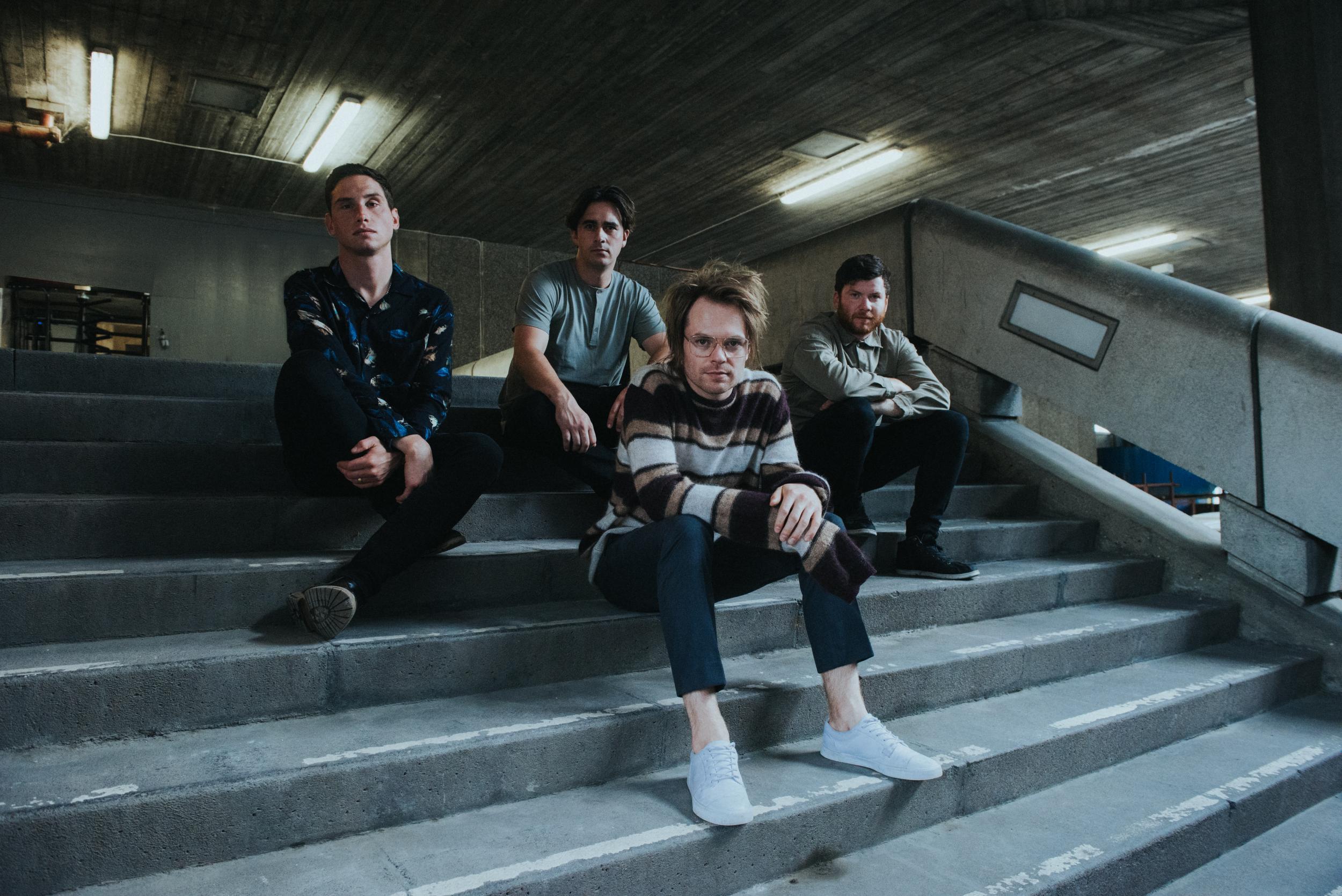
Despite being told otherwise, 2017 felt like a year where artists learned, or relearned, that their work can have an impact.
During the general election artists such as Jme, Stormzy, Akala, AJ Tracey, Loyle Carner and Nothing But Thieves came forward to urge young people to get involved and vote, prompting a surge in voter registration and assisting in a result that saw Jeremy Corbyn – a 200-1 outsider for the Labour leadership just two years earlier – closer than ever to becoming Prime Minister.
It was an apparent death of a so-called apathetic youth and a hopeful sign that young people were beginning to realise they could affect change.
“That’s a very easy, lazy thing to say,” Reynolds says in reference to the tabloid press’ dismissal of Jme’s discussion with Corbyn as “cringe”.
“It wasn’t like Corbyn was muscling his way in to this scene, it was more the other way round – like he was pressured by the youth to engage. He didn’t try to get momentum in a cynical way, it was natural, and incredibly inspiring.”
The Spark, the new album by Enter Shikari, is out now
Join our commenting forum
Join thought-provoking conversations, follow other Independent readers and see their replies
Comments
Bookmark popover
Removed from bookmarks