The Independent's journalism is supported by our readers. When you purchase through links on our site, we may earn commission.
Robert Duvall: The Hollywood great whose machismo held hidden depths
The Oscar-winning actor, who has died at 95, was a master at portraying men whose stern authority masked layers of doubt and vulnerability. Kevin E G Perry looks back at a storied Hollywood career that included unforgettable performances in ‘The Godfather’, ‘Apocalypse Now’ and ‘Tender Mercies’
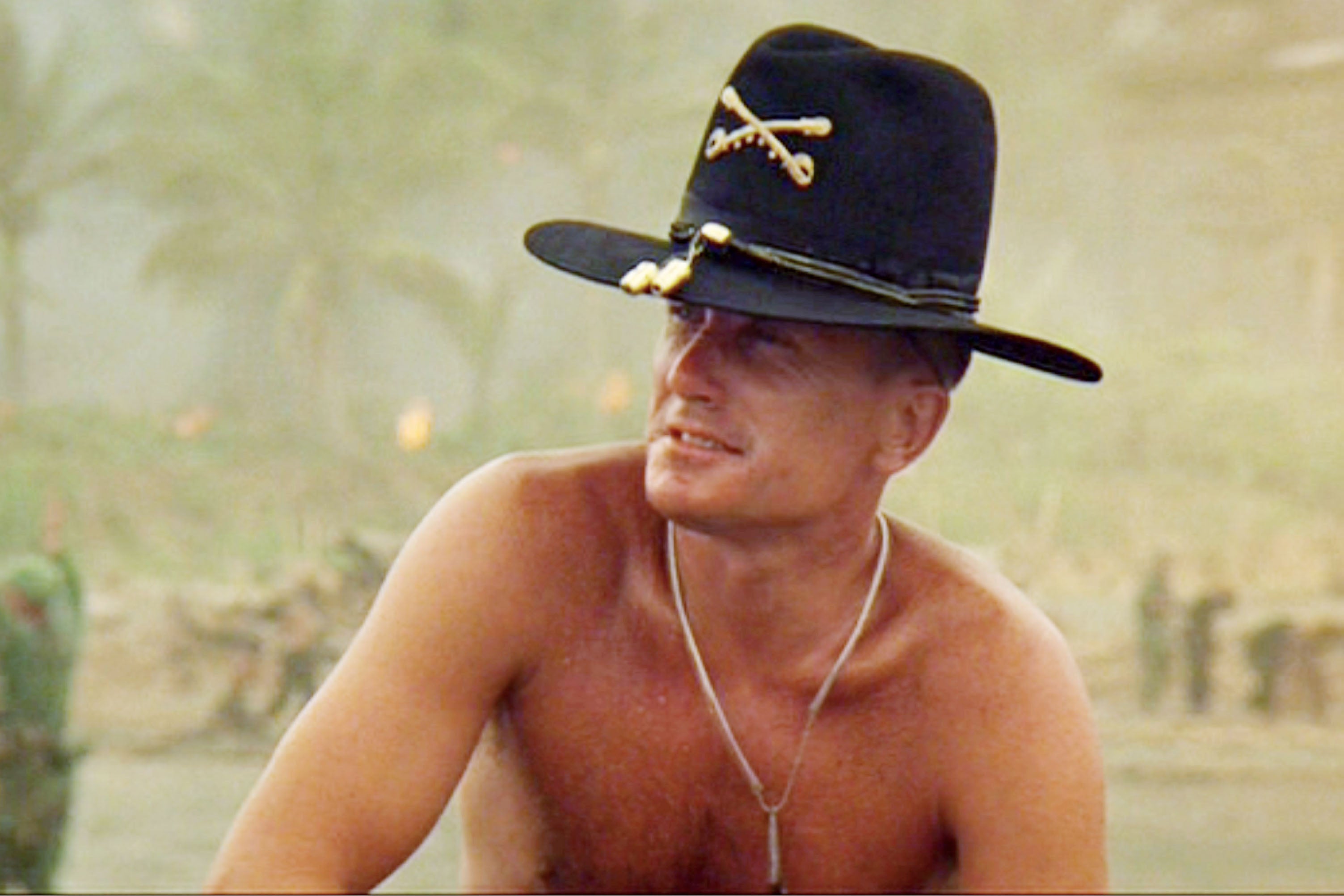
That line, as memorable and shocking as it is, is only the set-up. As Coppola’s camera slowly moves in on Kilgore’s face, the soldier’s eyes partly obscured by his oversized U.S. Cavalry hat, he reminisces fondly about the nightmarish death and destruction wrought by a previous napalm attack he had instigated. “The smell, you know that gasoline smell? The whole hill. Smelled like... victory,” he says, with terrible pride. Then, with something like grief: “Someday this war’s gonna end.”
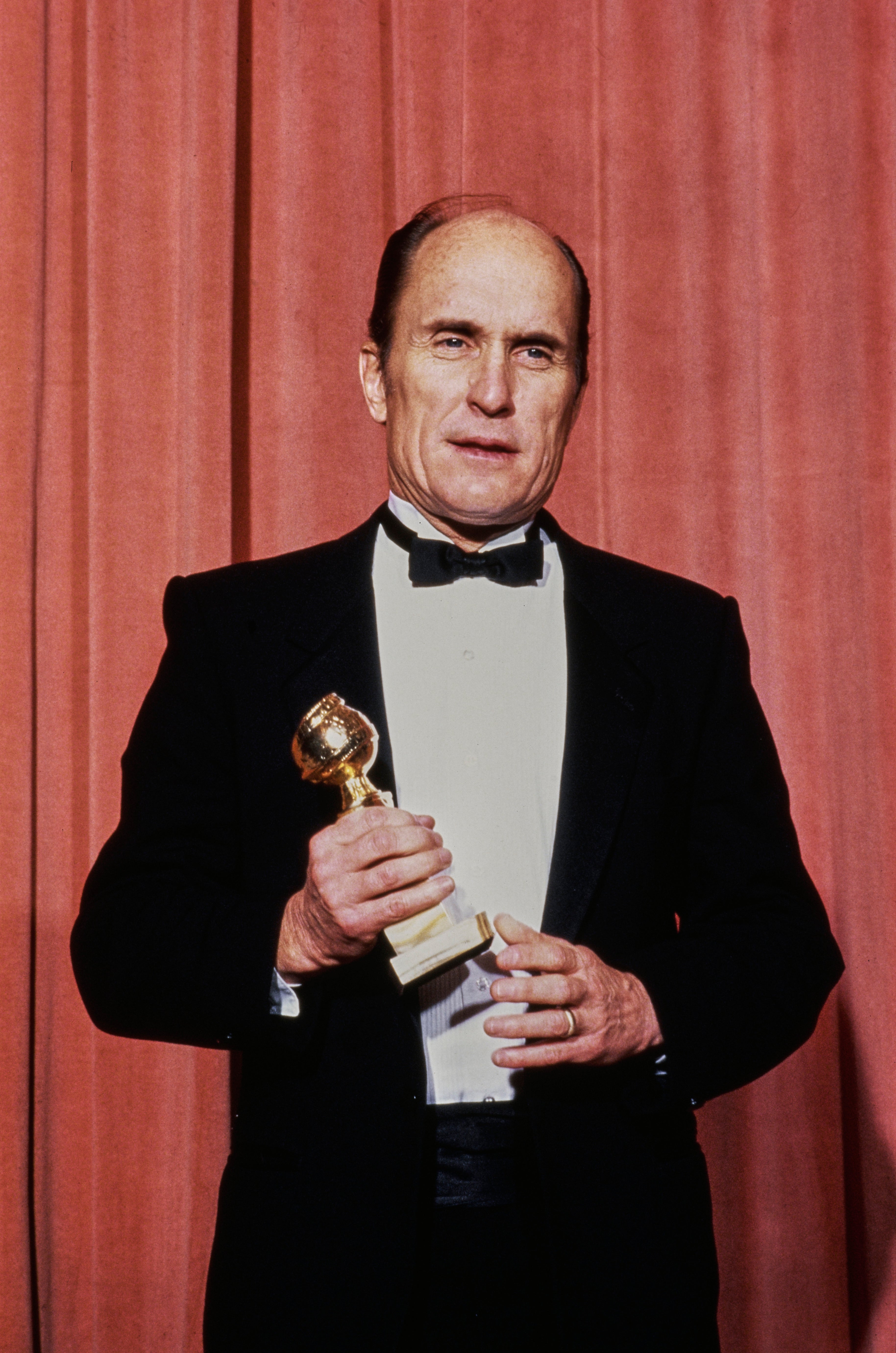
It is one of the great moments in cinematic history, a glimpse at a man who has given himself totally to the war machine. It is hard to imagine anyone but Robert Duvall, who has died at the age of 95, at the dark heart of it. He was one of the most gifted American actors ever to grace the screen, blessed with a rare ability to bring stoic, tightly-wound man to vivid life. An undercurrent of raw vulnerability offset his own virile machismo. He won an Oscar for playing a country music star in 1983’s Tender Mercies, and was nominated six more times, including for his brief appearance in Apocalypse Now and for arguably his best known performance, as the trusted consigliere Tom Hagen in The Godfather.
Duvall was born in San Diego on January 5, 1931, and may have inherited some of his natural authority from his parents. His father William was a rear admiral in the U.S. Navy, while his mother was a relative of the Confederate general Robert E. Lee. Duvall would go on to play Lee in 2003’s Gods and Generals.
As a student he avoided following his father into Naval Academy by showing no aptitude for anything except acting. He did serve in the U.S. Army for a year, before being discharged in 1954 and moving to New York City. While a student of the influential acting coach Sanford Meisner, he worked various menial jobs and lived with fellow aspiring stars Dustin Hoffman and Gene Hackman.
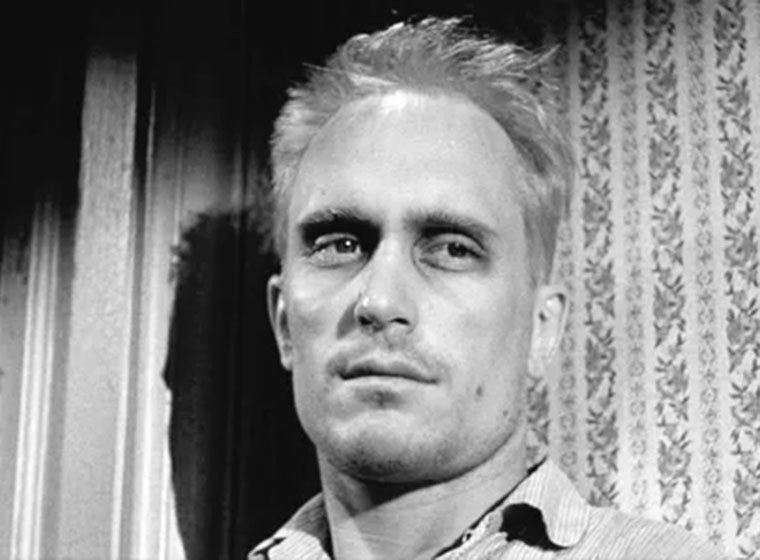
After cutting his teeth on stage with leading performances in Arthur Miller’s A View from the Bridge and Tennessee Williams’s A Streetcar Named Desire, Duvall made his film debut in 1962’s To Kill a Mockingbird. Duvall won the part of reclusive neighbor Boo Radley after impressing the film’s screenwriter Horton Foote. Foote, who would also go on to write Tender Mercies, later called Duvall “our number one actor.” That talent is visible even from his first moments onscreen as Boo Radley. Although the character never speaks in the film, Duvall is able to convey his humanity with just his soulful eyes and a slight, heartwarming smile.
As his career progressed, Duvall found his grizzled countenance lent itself especially well to Westerns. In 1969’s True Grit he was the criminal who finds himself in a climactic horseback shoot-out with John Wayne. A couple of years later, he was another outlaw hunted down by Burt Lancaster in Lawman.
While some critics likened Duvall to the great Shakespearean Laurence Olivier - with a writer for The Times calling him “the American Olivier” in 1980 - Duvall shrugged off the comparison. His own favorite role was playing a Texas Ranger named Augustus McCrae in an acclaimed 1989 CBS miniseries based on Larry McMurtry’s novel Lonesome Dove. “Let the English play Hamlet and King Lear,” the New York Times quotes Duvall as saying, “and I will play Augustus McCrae, a great character in literature.”
While McCrae may have been his favorite role, it’s as Tom Hagen that Duvall will likely be best remembered. In both The Godfather and The Godfather Part 2 he is the apparently mild-mannered lawyer who is eventually eased out of the inner Corleone circle in favor of a “wartime consigliere” - but who is also responsible for delivering the severed horse’s head that so intimidates the Hollywood producer Jack Woltz.
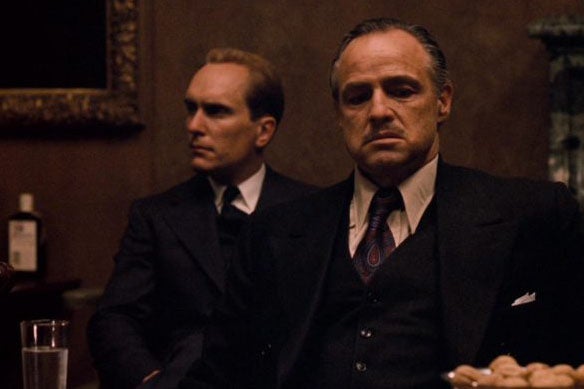
Duvall saw something of himself in Hagen, telling the AV Club in 2022: “As an actor and a character both, you can’t step over the line. He’s an adopted son, so he is a member of the family, kind of; maybe not a thousand percent, but he’s very important to the family. And as an actor, you can’t step over that line either. You have to kind of keep yourself in the background a little bit and then be called upon when needed.”
That sense of modesty ran through Duvall’s career. Although he had the talent and compelling screen presence to rival any leading man, Duvall was always happy to play whatever part served the story, no matter how subtle the role or abbreviated the screen time. “I've always tried to be a character actor,” he told Reuters in 2013. “And I think in my career that I've done that.”
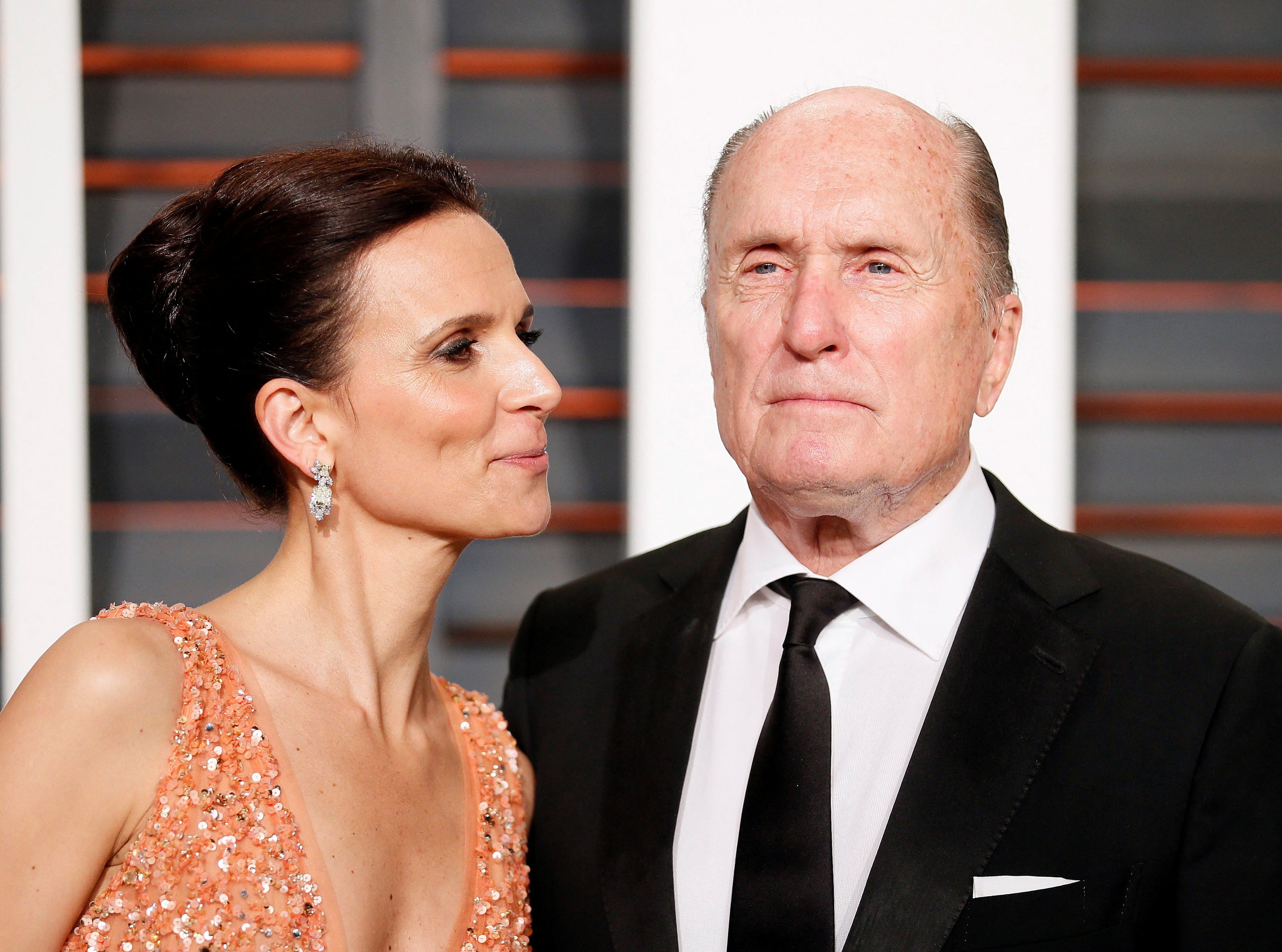
Off screen, he was married four times: to dancer Barbara Benjamin from 1964 to 1975, to Gail Youngs from 1982 to 1986, and to another dancer, Sharon Brophy, from 1991 to 1995. In 2005 he married Luciana Pedraza, who was 41 years his junior, and they remained together until his death. He never had any children. “I guess I’m shooting blanks,” he surmised to Details magazine in 2007. “[I’ve tried] with a lot of different women, in and out of marriage. I thought of adoption, but we haven’t yet.”
He will be remembered as one of Hollywood’s greats, but Duvall once said he was not overly concerned with being remembered at all. Asked for an epitaph by GQ in 2014, he replied simply: “Ashes.”
“I don’t need a gravestone,” he added. “Cremation’s fine with me.”
Join our commenting forum
Join thought-provoking conversations, follow other Independent readers and see their replies
Comments
Bookmark popover
Removed from bookmarks