The Prizewinner’s Tale: My meeting with ‘scary’ Margaret Atwood
When they first met, Robert McCrum found out the hard way how easily the world-famous author could be riled and left their rendezvous wondering who this ‘weird mix of frivolity and ferocity’ really was. Fifteen years later, he has finally found out

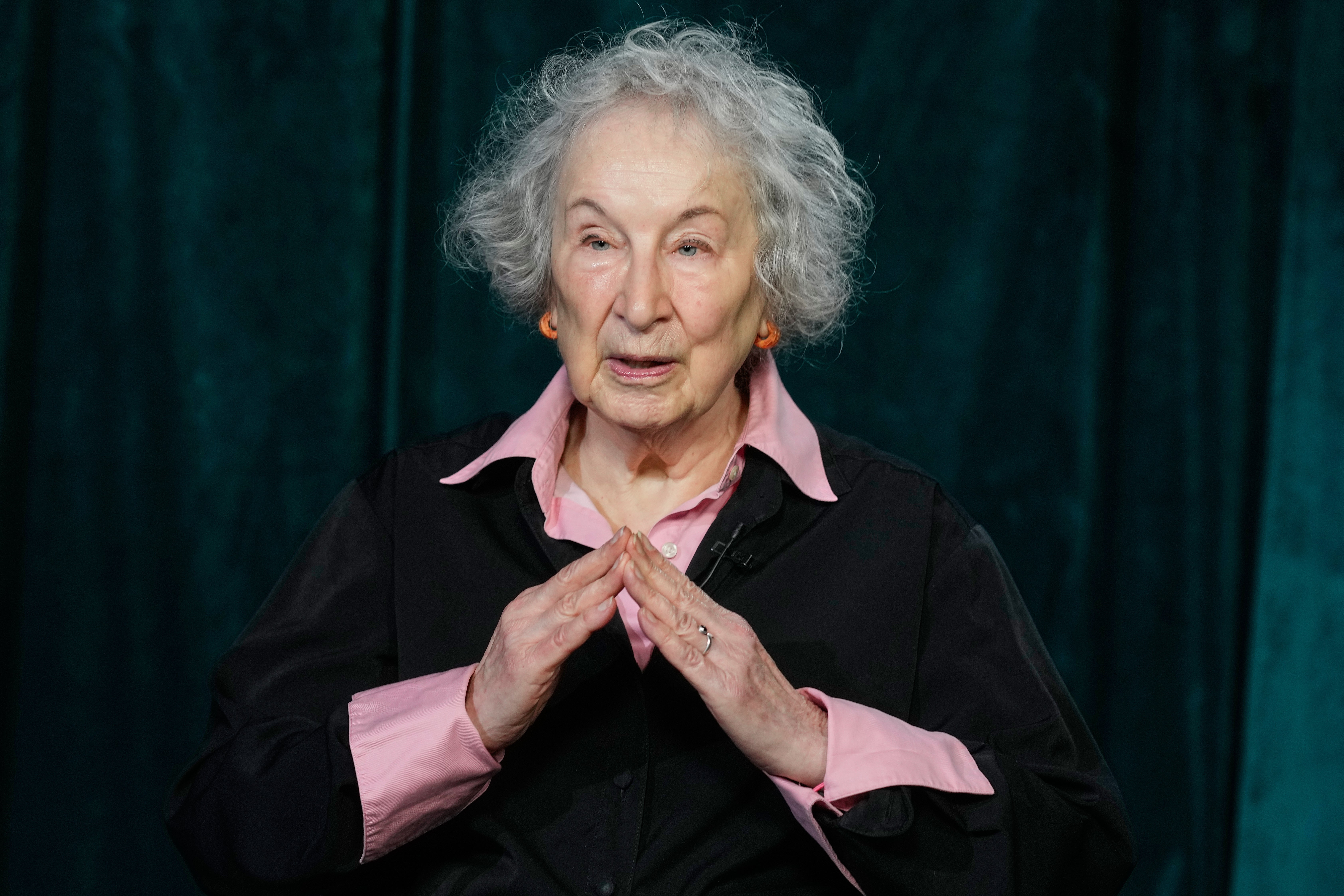
I met Margaret – “Peggy” – Atwood for the first, and only, time in the autumn of 2010. She was 71, celebrating the 25th anniversary of her Handmaid’s Tale, a contemporary masterpiece. In advance of this rendezvous, I’d taken a few soundings of what to expect. The consensus was: scary, remote, and well read. An international literary diva who took no prisoners.
So I started our conversation – and why not? – with the suggestion that she might be en route to becoming an icon of Canadian literature. “What does that mean?” This dry, prairie challenge, somewhere between a drone and a drawl, did not bode well. “I don’t like being an icon.” A thin, ironic smile hinted that we might get over this. “It invites iconoclasm,” she went on. “Canada is a balloon-puncturing country. You are not really allowed to be an icon unless you make an idiot of yourself.”
Atwood was, it turned out, game for a laugh. I came away from our encounter both puzzled and charmed by her weird mix of frivolity and ferocity. But who, precisely, was Margaret Atwood?
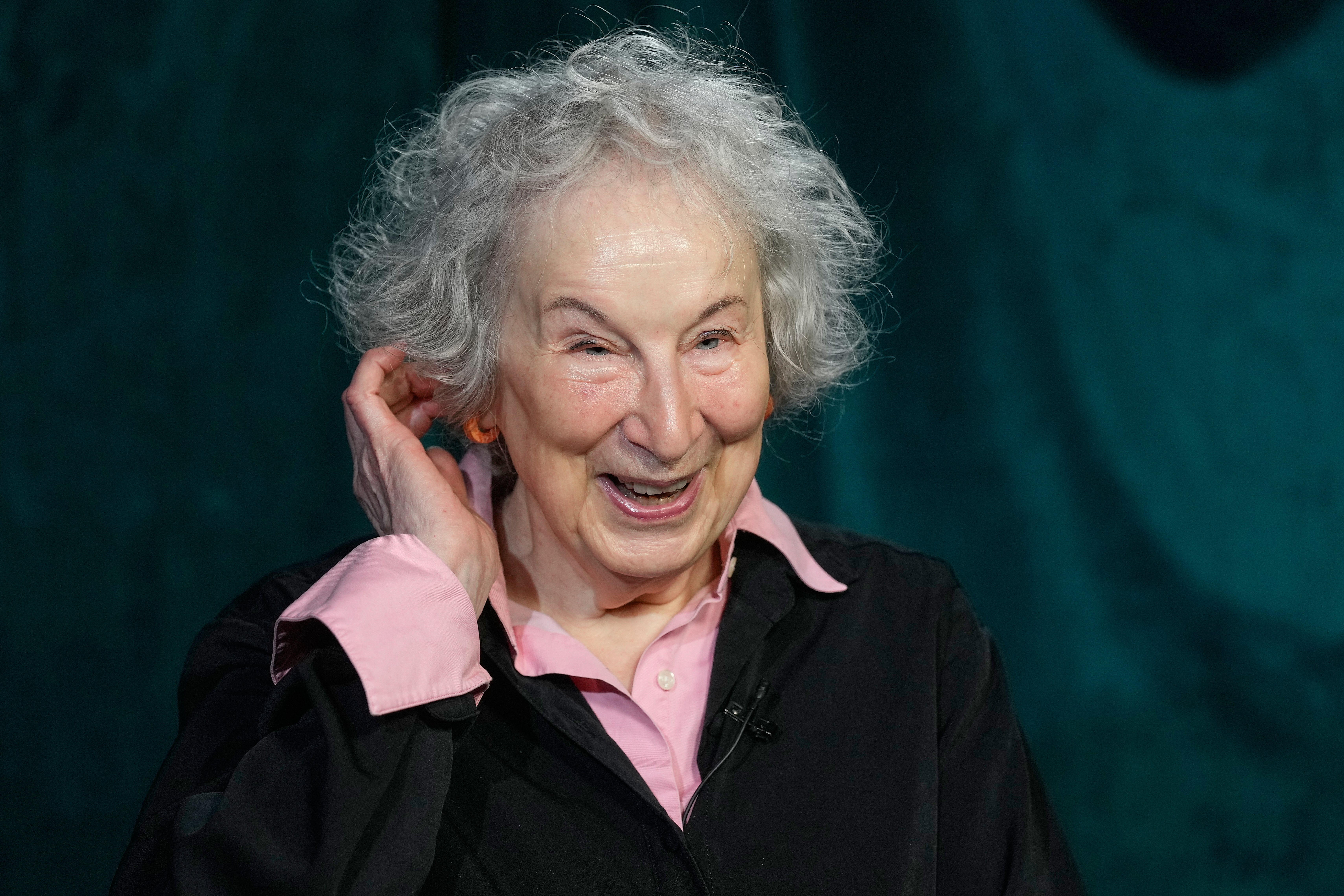
More than a decade later, there’s a quirky kind of answer in her Book of Lives: a Memoir of Sorts. Now 86, Atwood is more “Peggy” than before, but now widowed, and in a recessional mood. She’s still the mistress of backing into the limelight. At first blush, she seems to disdain the whole project. “Someone in publishing” is to blame. Or is it her “sinister alter ego” that’s at fault?
Atwood revels in her many conflicting lives. A novelist, she disclaims, is not to be trusted, “a blend of detective and con artist”. Worse, the memoir genre is a stranger to art. What else can it do but “reward my friends, trash my enemies, and settle old scores?” Actually, she is notably discreet, especially about herself. Faced with the question “Who am I?”, she prefers to promote her multiplicity and salute her doubles – the good and bad twins who divide the responsibility for Life and Work. But then her character begins to announce itself. Within a very few pages, this overlong volume – some 600 pages – reveals itself, unsurprisingly, to be The Prizewinner’s Tale.
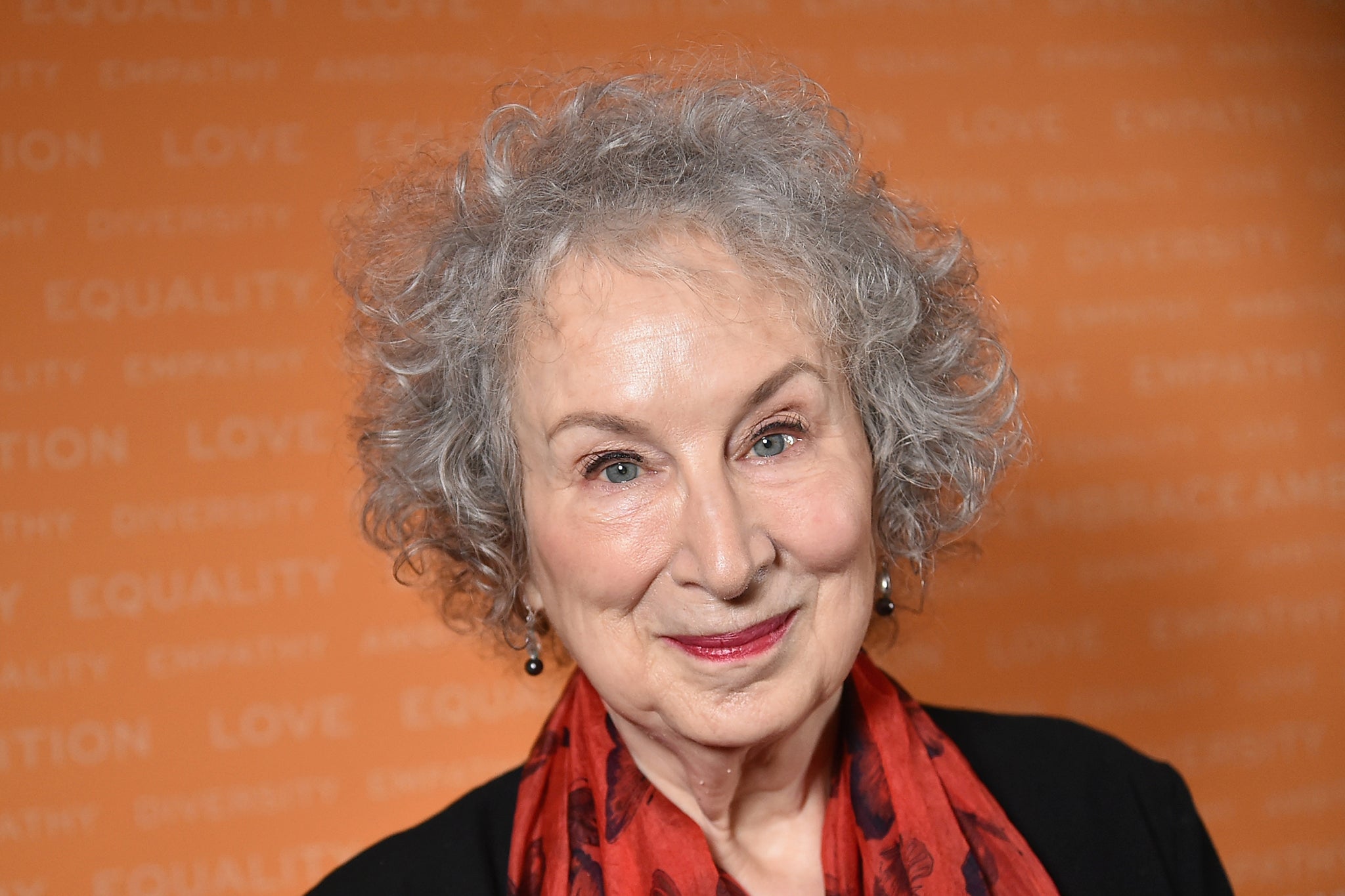
For many writers, childhood is the bank where they can cash cheques deep into adulthood. Atwood’s archetypal Canadian upbringing (both her parents came from Nova Scotia) was another kind of blessing. She describes a blissful childhood on the north shore of Lake Superior, divided between summers with her brothers in the woods and icy winters in Ottawa.
Her father, Carl, was a distinguished entomologist, her mother an independent-minded, resourceful, plain-spoken mum. ”Peggy” inherited her dauntless and self-reliant candour, and from her father a cool, analytical mind. Perhaps the only shadow on her young life was the storm in which her brother Harold was nearly killed by lightning. Otherwise, Peggy was a “smart” young teen, in horn-rimmed glasses, combining awkward show-off with confident know-all. If she nurtured secret thoughts about herself and her future, she’s not telling. When she looks back: “sixty, fifty, forty years ago. I can recognize the person who wrote [poetry], not as myself exactly, but as a younger relative who resembles me in many respects…. How did the earlier me turn out so many words, and so quickly?”

Young Miss Atwood comes across as the kind of girl who, having discovered she has a brain, decides to press it into service on behalf of her ambition. The first turning point in her young life occurs at the age of 16 when, “thinking of nothing in particular”, while crossing a football field on her way home from school, she decides to become an out-and-out Canadian poet at a time when the national literature was in the doldrums – a bold move of considerable originality.
In the late 1950s, the joke went that “Canadian writer” was an oxymoron. The Toronto literary scene was insecure and deeply colonial. New York, London and Paris were the only destinations. “Canadians,” she writes, “didn’t respect writing and especially not Canadian writing.” For several frustrating years, Atwood ploughed a lonely furrow as a poet, revelling in the landscape as “Peggy Nature”, one of many disguises. Inwardly, she nurtured “a not-so-secret ambition to write THE Canadian novel”. Even here, there were conflicts.
The nerdy part of her intelligence is actually quite dismissive of fiction. “One of my theories about novel writers”, she observes, “is that they don’t know more about human nature than other people: they know less, and their novels are attempts to figure it out. ‘How could I have been so dumb?’ could be a subtitle of many novels. Or at least many of my novels.”
It would take several false starts (The Edible Woman, Surfacing, Life before Man, and Bodily Harm) before she found her voice and her subject in 1984 with The Handmaid’s Tale. To many, this is her masterpiece, a monument to her powers of narrative argument, a book she found, in its gestation, as “too weird, even for me.” The Handmaid’s Tale, a speculative fiction, also asked a question she’d been wrestling with: “Who am I? Who indeed?”
One answer was “a prizewinner”, with many international trophies. Actually, it did not win the 1985 Booker, whose judges inexplicably preferred The Old Devils by Kingsley Amis. Still, it launched her and the work that followed (Cat’s Eye, Alias Grace, The Blind Assassin and The Testaments), into an empyrean of literary celebrity, which she both loves and loathes, relishing and mistrusting her fame with sensible misgivings: “Famous to whom, famous compared to whom, famous for what?” she scolds. “Not everyone reads books, and not all readers of books read literary fiction….. I was by now kinda famous outside literary circles – but Elvis Presley I wasn’t.”
Atwood’s mind is unequivocally a gift to her devoted readers, but what of her heart? A tricky question. Book of Lives presents her fans with a protagonist of many loyalties and affiliations. In her core, she has Graham Greene’s “splinter of ice”. How merrily she describes the “cackle” with which she twists her plots. Many other gleeful asides betray her witchy heart. When Graeme Gibson, her beloved partner, dies, she and her daughter advise the hospital desk that he won’t be needing any soup. “Because he’s dead.” Whereupon mother and daughter depart “cackling”.


Who, then, is Margaret Atwood? Here’s a stab at a charcoal caricature. True to her backwoods childhood and mixed Nova Scotia antecedents, she’s a passionate Canadian pioneer, with quite a dash of no-nonsense Scots about her. Part “country mouse and city mouse”, she also has the Celtic imagination that fires her poetry, and much of her prose in many genres – fiction, long and short; poetry; graphic novels; kids’ books; essays and journalism.
Like many famous literary figures in the English-speaking world down the ages, she is not immune to the seductions of vanity. Her editors will know this, and probably dread to interfere in her complicated colloquy with fame. However, as this well-stuffed volume demonstrates, “Peggy” will always work hard to earn her readers’ affections. A proud professional who likes to have her say. She just did, in spades.
‘A Book of Lives: A Memoir of Sorts’ by Margaret Atwood (Chatto & Windus, £30)
Join our commenting forum
Join thought-provoking conversations, follow other Independent readers and see their replies
Comments
Bookmark popover
Removed from bookmarks