Sorry, but women-only carriages will only make things worse
The key to making public transport safer is for all of us to make sure men know what is beyond the pale, says Olivia Petter

Like many women I know, I’ve been groped, catcalled, and yelled at by men on the Tube. Just a few weeks ago, I was riding the Northern line home on a Saturday night at around 2am and a very drunk man standing next to me took his penis out of his trousers. Thankfully, another nearby man told him to put it away – “You’re embarrassing yourself, mate.” He listened.
This kind of thing happens a lot. In December, reported sexual offences on the London Underground reached a five-year high. There had been 595 sexual offences across all Tube lines in 2024-25, the highest number since 2019-20, when there were 776 reports. Ask any woman living in London if she has ever felt unsafe on a Tube as a result of a man, and I’ll guarantee you that she has, at least to some degree.
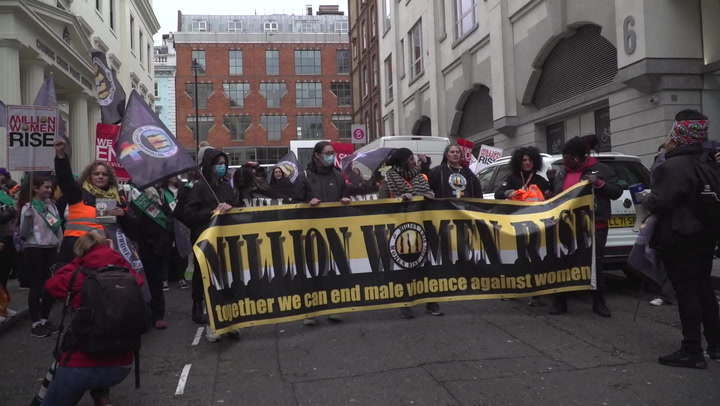
With this in mind, I can understand why some people are calling for women-only carriages. Last year, a petition was launched urging Sadiq Khan to introduce them as a matter of urgency to combat the rising numbers of acts of violence against women. It currently has 14,000 signatories. Among them is the model Amber Dowling-Doyle, who this week explained why she is backing the campaign after having been sexually assaulted on the Elizabeth line.
The 24-year-old claimed that other passengers saw the assault taking place and intervened. The perpetrator was sentenced at Thames Magistrates’ Court on 11 December after pleading guilty to the charge of sexual assault. As a result, she believes that women-only carriages may be “the only way” to keep women safe from sexual predators on public transport.
What happened to Dowling-Doyle was horrific. But I fear that women-only carriages will not prevent more cases like this from happening in the future. In fact, I worry it would make things worse. Firstly, segregating carriages by gender would be incredibly difficult to enforce; Transport for London is already famously understaffed (my local Tube station is constantly closing because of staff shortages), so I can’t envisage how anyone would police a women-only carriage.
Then there’s the troubling ideology that the concept is built around: men will most likely try to assault or harass women, so we must keep them apart to prevent this from happening. It sounds glib, but isn’t that essentially what the policy is invoking? Not only is it insulting to put men into one predatory bracket, but it’s also almost certainly going to lead to a major backlash that risks putting women at greater harm. If a certain type of man is told he can’t be near a woman because he might assault her, I can imagine that man could get rather angry; in some cases, this might galvanise more predators than it immobilises.
Then there’s the bleak inevitability of it all; isn’t creating women-only carriages just another way of accepting sexual harassment rather than tackling the culture that enables it in the first place? Wouldn’t we be better off putting measures in place to educate men about sexual harassment rather than simply accepting it’s likely to happen anyway, so we’re better off putting women in separate spaces designed just for them? Also, if there are staff shortages, what’s to stop a man from breaking into a women-only carriage? Surely that poses a greater threat?
Personally, I think one of the best ways to combat sexual violence on public transport is to speak to the predators themselves and impose greater security on the London Underground: TfL has already done a fairly good job at this, putting posters up around London that explain what sexual harassment looks like.
More of that wouldn’t go amiss. Likewise, as my recent experience illustrated, bystander intervention is everything.
The best thing about the Tubes is that they tend to be busy. In other words, they’re full of people who can help. All of us are capable of putting a stop to violence against women on the London Underground if we’re willing to interject, whether it’s something simple like asking someone for the time, checking if someone is OK – or politely asking a man to put his penis away.
Join our commenting forum
Join thought-provoking conversations, follow other Independent readers and see their replies
Comments
Bookmark popover
Removed from bookmarks