When surrender is sold as strategy: Why Europe must reject Trump’s Moscow-approved Ukraine peace plan
The US 28-point plan, echoing Munich 1938, may offer short-term calm by rewarding Russia – but it weakens Ukraine and risks long-term disaster, says former defence and foreign minister Tobias Ellwood. Europe cannot afford to wait


In the long sweep of modern diplomacy, it is hard to recall a more naive, unbalanced or strategically reckless proposal than the 28-point “peace plan” now circulating around Washington. Its terms echo the Austrian ultimatum to Serbia in 1914 – a list so extreme it was designed to be rejected and trigger the First World War.
And yet, astonishingly, this time the pressure is on Kyiv to accept something equally untenable.
Strip away the 28 bullet points, and three core demands emerge. First, Ukraine’s security would be deliberately downgraded: its armed forces cut by almost half; long-range missiles banned; foreign troops barred; Nato membership ruled out.
Second, Ukraine would be expected to write off not only all territory currently occupied by Russia, but also areas Russia has claimed without even holding.
Third – and this line is as chilling as it is revealing – “it is expected that Russia will not invade neighbouring countries, and Nato will not expand further.” Expected – not required.
Russia is obliged to pause its assault, for now, but faces no constraint on resuming aggression later. In return, it would be welcomed back into the G8 as if its invasion hadn’t happened. It is, in essence, a settlement drafted by Moscow for Moscow – but with America’s blessing.
When a sovereign nation is coerced into concessions that weaken its long-term security, reward an aggressor and trade its future for the promise of short-term calm, that is not diplomacy. It is capitulation. Even to the untrained eye, the echoes of Munich in 1938 are unmistakable: a democracy pushed to cede ground to a bully, in the hope – the fantasy – that appeasement averts a wider war.
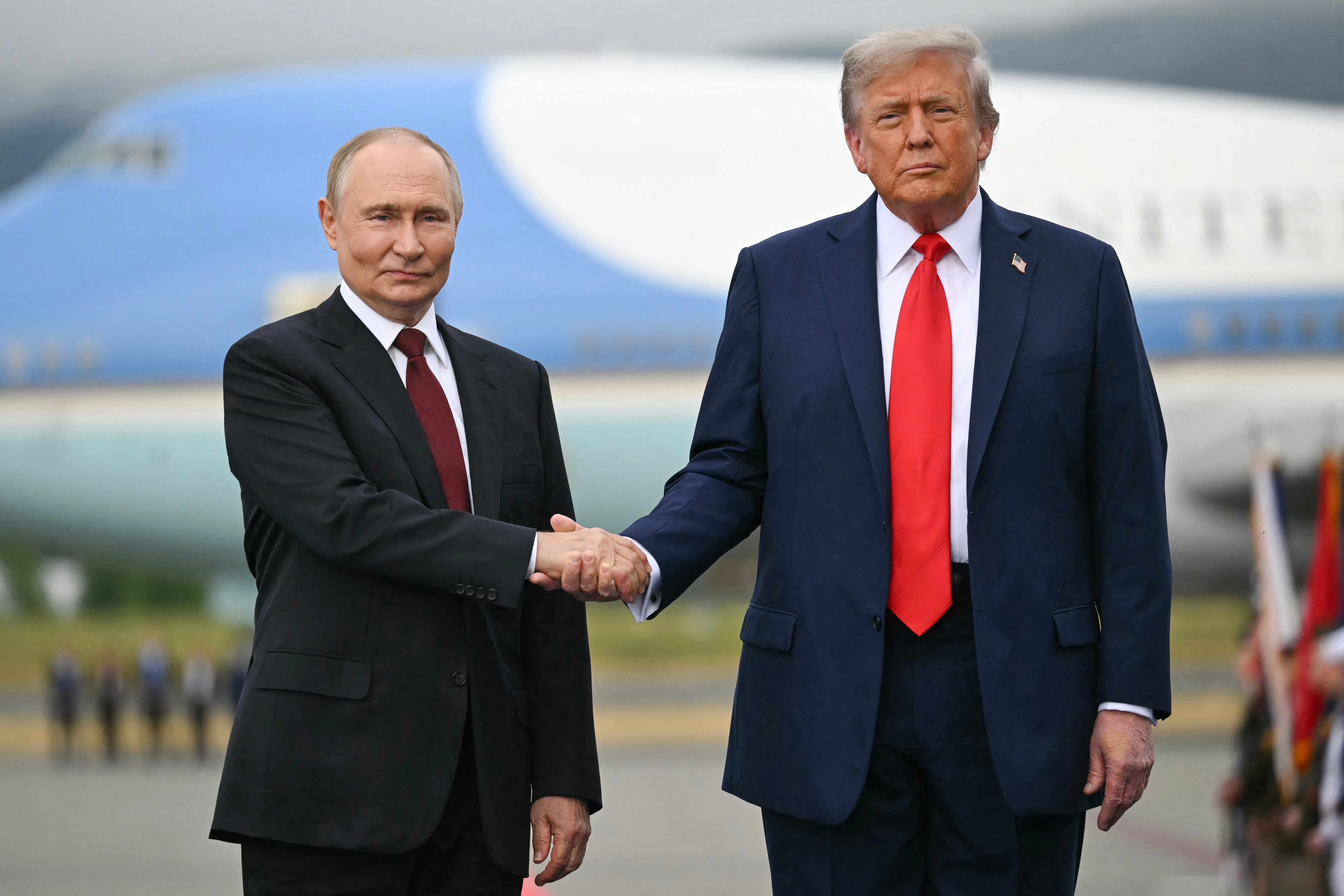
Meanwhile, Europe is waking up. France’s military chief has openly warned that Europe may soon be fighting Russia. Poland and Germany are debating the return of national service. Almost every Western nation is increasing defence spending as global security deteriorates.
So why would Trump not only endorse such a pro-Russian deal, but threaten Ukraine with an ultimatum to accept it within days?
Zelensky has described this as “one of the most difficult moments in our history, a choice between losing our dignity or losing a key partner”. He knows the stakes: failure to comply risks losing access to American intelligence and advanced weapons. Earlier this year, a brief suspension of intelligence-sharing had devastating consequences on the battlefield. Now, the “coalition of the willing” – a group of over 30 nations committed to policing any peace deal – will reconvene on Tuesday to guarantee Kyiv’s security if a deal is struck with Putin’s Russia to end the invasion.
The world is safer when there is a geopolitical anchor – a nation prepared to lead, restrain aggressors, uphold international law, and rally allies. Since 1945, that mantle has belonged to the United States. But Washington’s willingness to side with Russia over Ukraine, trust Moscow’s promises and undermine Ukrainian sovereignty signals something profound: America is stepping back from its global responsibilities. It is creating a dangerous vacuum, and adversaries will fill it.
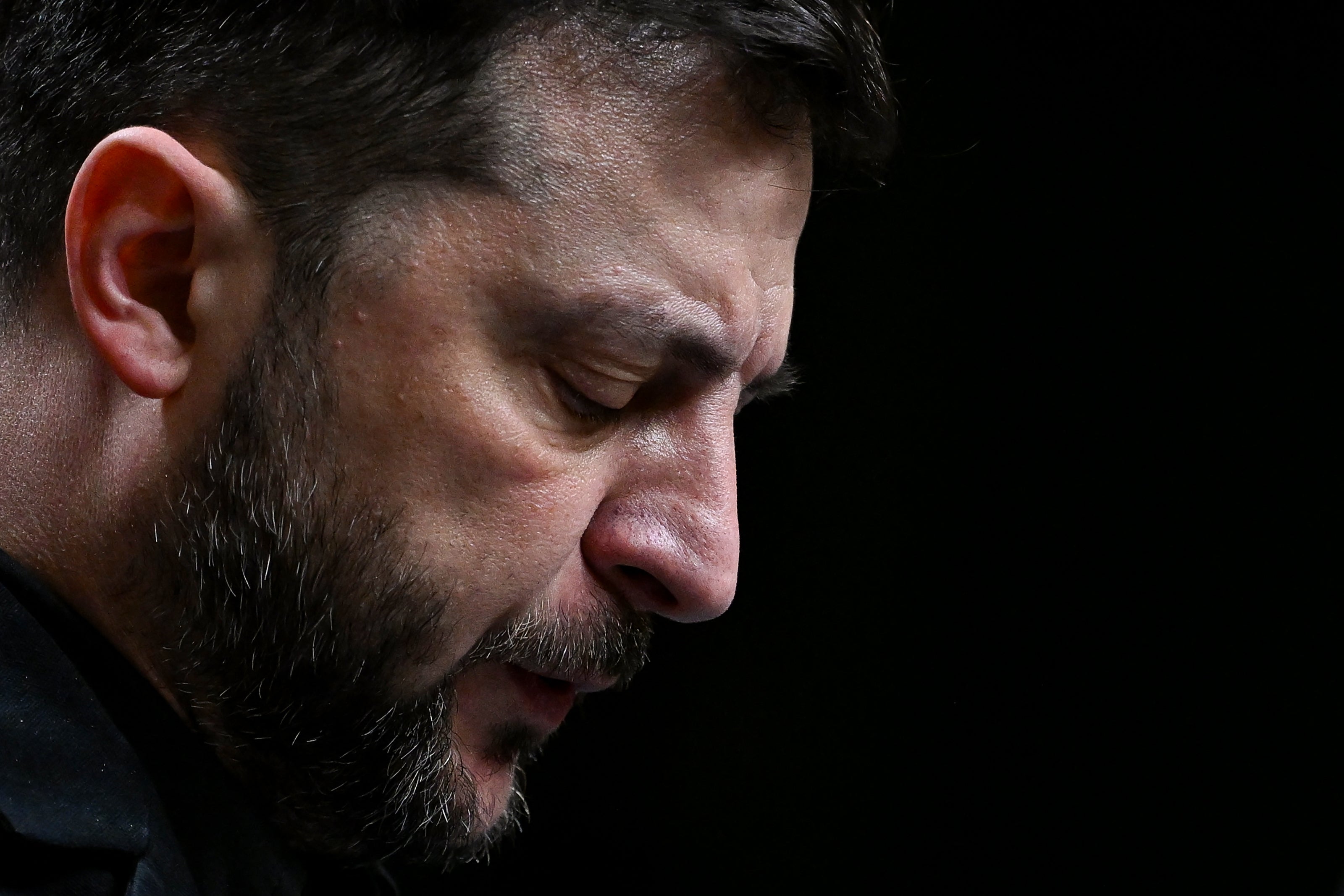
To understand Trump’s position, we need to understand the worldview behind it. Call it Trumpism. It combines populism, nationalism and grievance politics, channelled through combative rhetoric. It rejects global institutions, dismisses alliances as burdens, and views the world as an arena of great powers carving up spheres of influence. In this worldview, America controls everything from Panama to Canada, even Greenland. Russia is left to dominate Ukraine. And China, by implication, gets its way over Taiwan.
Trumpism abandons the idea of a rules-based order. It embraces a jungle world of alpha leaders dividing the planet into fiefdoms. Under this logic, “America First” means questioning Nato, retreating from Europe, launching tariff wars, slashing aid, ignoring climate threats and dismissing institutions such as the UN and World Trade Organisation. Foreign policy becomes transactional: if Russia offers better rare-earth deals than Ukraine, then loyalty shifts.
Europe should not be fooled. The longer we cling to the belief that Trump will ultimately stand up to Putin, the more time we gift the Kremlin to rearm and regroup – just as Nazi Germany did after Munich. This plan, far from ending the war, simply pauses it while Russia rebuilds its strength.
Trump’s tenure is not permanent. America will, in time, rediscover its global purpose. But until it does, Europe – and Britain especially – must show strategic steel.
That starts with rejecting this dangerous plan, standing unequivocally with Ukraine, and recognising that peace built on coercion is not peace at all – it is surrender masquerading as diplomacy.
Join our commenting forum
Join thought-provoking conversations, follow other Independent readers and see their replies
Comments
Bookmark popover
Removed from bookmarks