Is the stock market about to crash?
As a pair of corporate failures spark fears about the quality of US banks’ lending, it could get very messy, very quickly, says James Moore

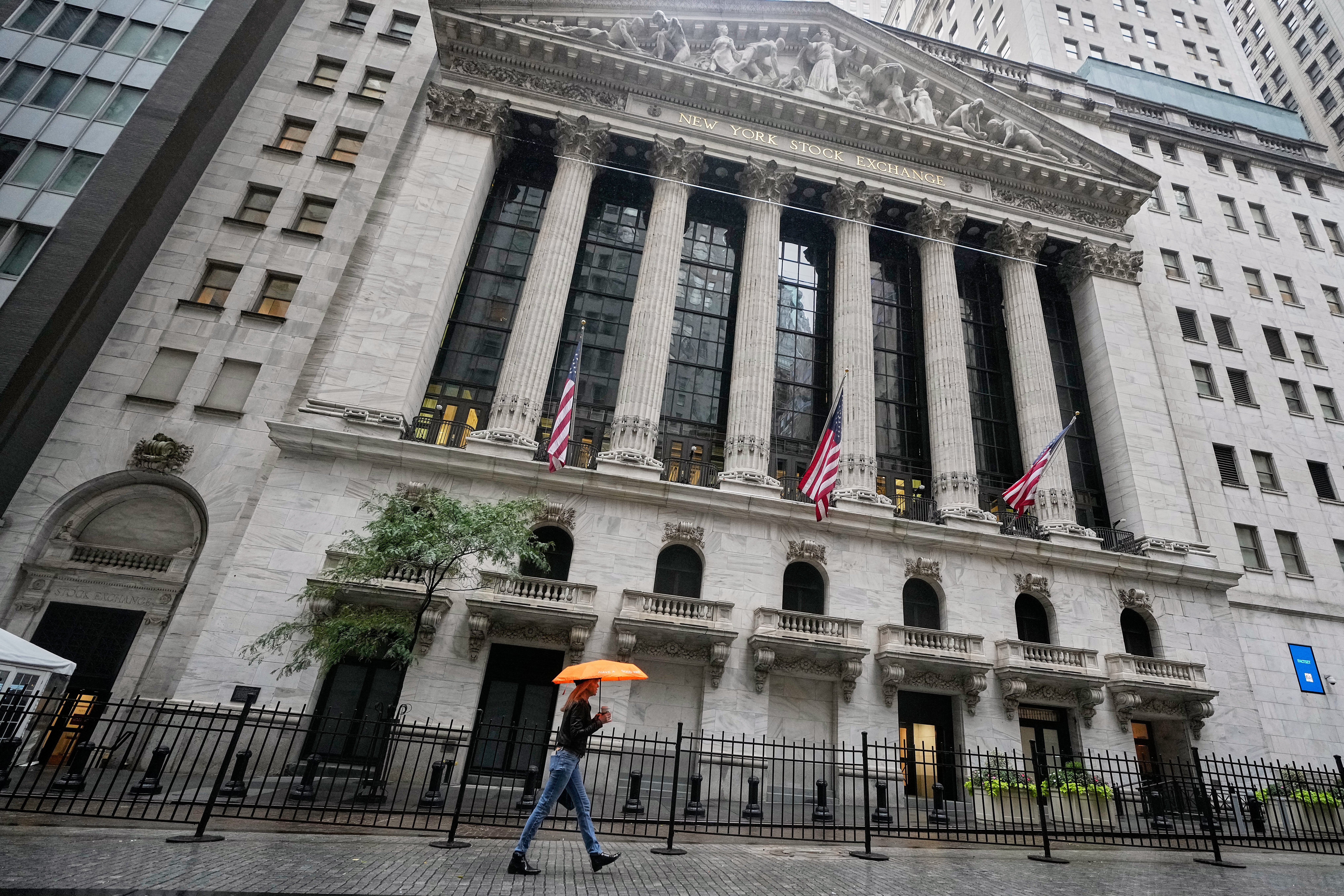
The resilience of the UK’s FTSE 100 in the face of multiple provocations – namely Donald Trump, a shaky global economy, a shakier UK economy, tax rises, domestic political instability, global instability, debt, trade wars, and, again, Donald Trump – has been remarkable.
For all its status as a moribund market, with some of its best companies tempted by the allure of Wall Street, Britain’s investors have had a fine ride. This year to date, the blue-chip index is up by roughly 13 per cent, not including dividends. If you have money invested, you should be well satisfied.
But the week ended on a decidedly sour note. The prophets of doom have been abroad of late, but until now much of their attention has been focused on America’s giant tech sector and the vast piles of money it is throwing into AI, with little enough to show for it.
They’ve likened the situation to the dotcom bubble that built up in the late Nineties, when companies reported page impressions rather than revenues, raised pots of cash from investors, spent it on fancy offices, fancy salaries and fancy other stuff, before falling headlong into a deep, dark hole.
However, an entirely different sort of business is at the centre of the latest problems. Investors have warned that the abrupt collapse of First Brands Group is an early sign of trouble for a market where hasty deals and hurried due diligence have become commonplace. First Brands makes car parts – spark plugs, wiper blades and other vehicle-related gubbins. It has filed for chapter 11 bankruptcy with eye-popping liabilities of more than £7.5bn, far in excess of its assets.
How could such an apparently sensible, meat-and-potatoes business like that get into such a state? Well, when your controls are lax, your debt is held in off-balance sheet vehicles and your lenders drop the ball, it could happen to anyone. We’ve been here before.
The failure of Tricolor, a car dealership, has similarly sounded the alarm bells that are now ringing loudly across America’s financial centre.
When businesses like these collapse in this manner, and the whiff of scandal is in the air, attention quickly turns to their lenders, especially the smaller ones that are least able to stomach big loan losses. With a couple of them wobbling, the sell-off is on.
“When you see one cockroach, there are probably more, and so everyone should be forewarned of this one,” JPMorgan CEO Jamie Dimon warned on a call with analysts on Tuesday.
Dimon has always been Wall Street’s most quotable bank boss, chiefly because he says what he thinks and has the ability to shoot straight when he’s minded to.
JP Morgan is big and ugly enough to weather any storm. It is far too big to fail, but it is also far too big to be troubled by a cockroach of a car parts maker.
However, that isn’t true of all America’s lenders. Wider worries about US credit quality, of loans being called in sparking more corporate failures and trashing the US economy, could easily turn into the financial equivalent of Covid. They never learn, do they?
So, yes, it could get very messy, very quickly. By the way, remember when I warned about the fire Rachel Reeves was playing with by proposing to deregulate the City? This is why. And it’s not just Reeves. The rollback of the rules imposed after the financial crisis has been happening all over the place.
Does this mean it’s time to pull your money out of markets, and out of the bank in favour of hiding it under the bed?
Not yet. So far, it’s a wobble. A squall. Not a crash. The UK market could actually serve as a nice, defensive backstop if Wall Street does succumb to something a little more serious, given that it is full of a lot of big boring companies perfectly capable of riding it out.
So, I would cross your fingers and maintain a watching brief for now. This does, however, serve as a timely and very necessary warning, both for those in the money lending business and especially for those charged with regulating them. They need to start doing their jobs.
Join our commenting forum
Join thought-provoking conversations, follow other Independent readers and see their replies
Comments