Why Starmer thinks he’s got Rayner and the left on the run
However it is presented, the ditching of ‘day one’ workers’ rights is a manifesto breach – but it is also a Machiavellian move by a newly emboldened PM, says Chris Blackhurst


On Wednesday, they were cheering Rachel Reeves and Keir Starmer to the rafters. Today, Labour backbenchers are not so happy.
It’s astonishing how quickly the mood can change, but with this government and the hoops they seem to go through to get anything done, it has become normal. What’s altered is that having remained faithful, in their eyes at least, and stuck to a manifesto pledge not to raise taxes on working people, so no income tax, VAT or national insurance hikes in the Budget, Starmer has turned traitor on another. Scrapped is the pledge to introduce “day one” job protection.
This wasn’t any other voter pleaser, either, but one dear to the hearts of the left. Labour said it would pass a law enshrining the right to claim unfair dismissal after the first day in a job. That’s now gone, in favour of cutting the qualifying period to claim unfair dismissal from two years to six months.
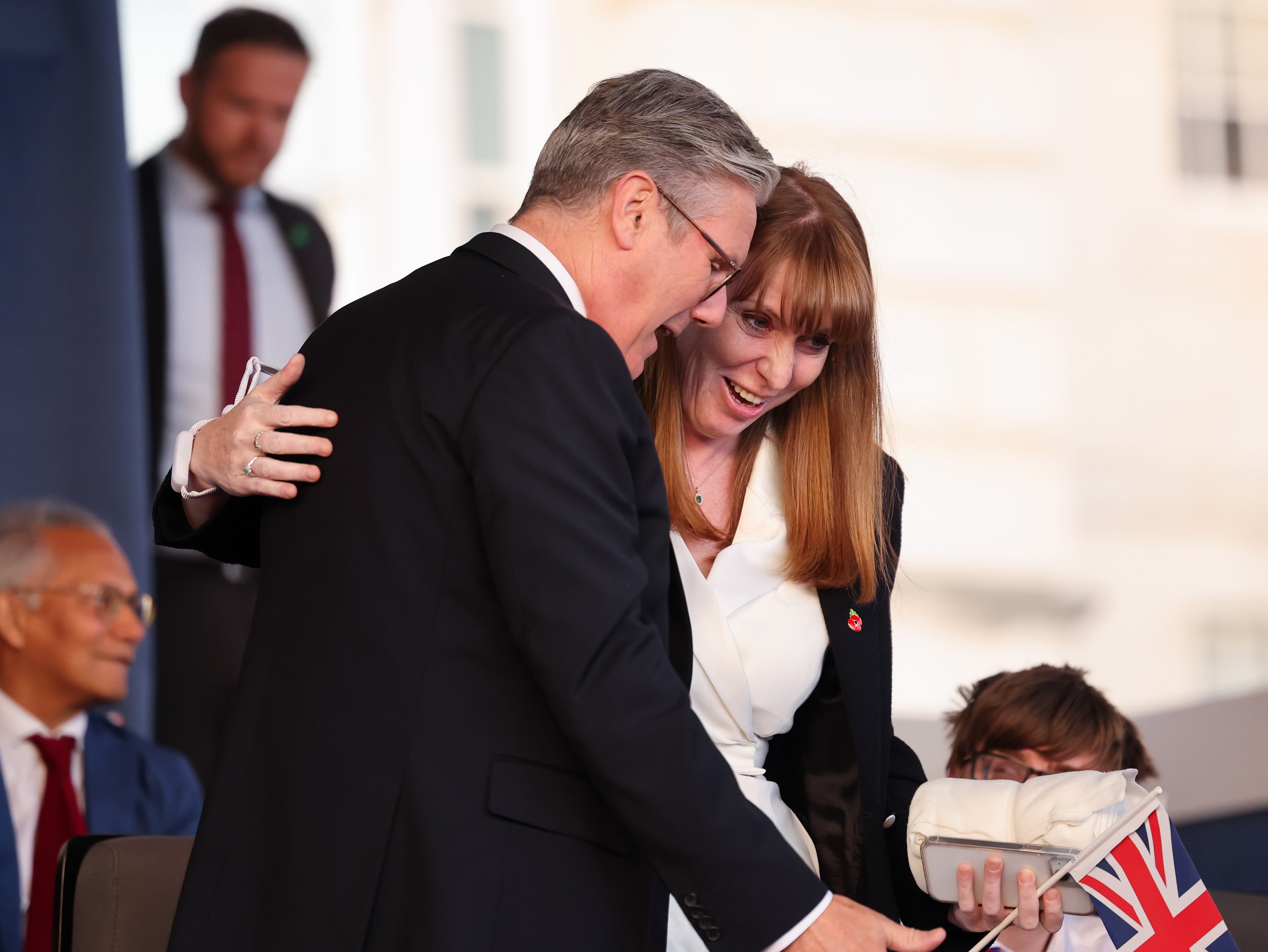
It’s a reduction, but six months is nowhere near one day. The climbdown has been driven by Peter Kyle, the new business secretary. He succeeded Jonathan Reynolds, who, together with Angela Rayner, was the architect of the new Employment Rights Bill.
That legislation will move ahead, but with the key clause watered down. Officially, the reason for settling on six months rather than one day is that the entire bill faced months of protracted delay, with further rewriting and compromise, as Tory and Lib Dem peers promised to hamper its progress.
Away from the Commons and Lords, in Kyle’s offices, a deal between the leaders of six of the country’s largest business groups and trade union bosses was being struck. Other day one protections, for holiday, sick and parental leave, remain – to the chagrin of many employers. Similarly, exploitative “zero hours” contracts and “fire and rehire” will be outlawed. Nevertheless, the central plank, which was symbolic and mattered hugely and provoked apoplexy in boardrooms, has gone.
Business lobbied hard, arguing “day one” would discourage them from taking a risk on hiring young people. In return for smoothing the rest of the bill’s path and ensuring it reaches the statute book sooner and in undiluted form, the unions have let go.
Not all unions, though. Unite for one is voicing its anger. Crucially, as ministers hail the U-turn as pragmatic – culture secretary Lisa Nandy describes it as “the right thing to do”, enabling a “significant step forward” for working people – an ex-minister has yet to opine. Those close to Rayner say she will respond once she has talked to other MPs.
A combination of Unite and other disaffected unions, and Rayner and her supporters, would spell trouble for Starmer. That’s why the timing is so telling. The day after the Budget, which wasn’t as bad for business after all – discouraging but not punitive – but still won plaudits from the left, the reversal was announced.
Starmer clearly feels emboldened that, having delighted his MPs with a “Labour Budget”, he can capitalise on their approval. Rayner and her acolytes are neutered, the shift, from one day to six months, is a concession, but represents a significant step from the present two years. That is his calculation.
However it is presented, the ditching of “day one” is a manifesto breach. It comes as the opposition and some commentators insist that Reeves’s freezing of the income tax thresholds does represent the raising of taxes on working people, which Labour said it would not do. It reinforces the charge that Starmer has sacrificed his election promises, which may stick and fuel Kemi Badenoch and Nigel Farage.
Only a month ago, in a strong show of backing for Rayner, Labour MPs (not Starmer) filed into the chamber to hear the former deputy prime minister deliver her resignation speech. She urged the prime minister to be “bold” in power and highlight the forthcoming workers’ protection bill as “a game changer for millions stuck in insecure and low-paid work”. Rayner said her commitment to the cause was as firm as ever: “From where I sit on these benches, I will fight with everything I have.”
That does not sound like someone who will be easily silenced. It may explain, too, why Starmer was so fulsome in his praise for Rayner last weekend. He would “absolutely” back a cabinet comeback – despite her having to quit so recently and delivering an embarrassing, heavy blow to his government, after she was revealed to have failed to pay the right amount of stamp duty on a property in Hove. “I’ve always said I want Angela back. I’m friends with Angie and I like Angie a lot and we talk a lot. We still do.”
Does she return as the price of not working up a head of steam over the loss of “day one”? Machiavelli would be proud of Downing Street’s machinations. Although given Starmer’s enduring unpopularity – perhaps not.
Join our commenting forum
Join thought-provoking conversations, follow other Independent readers and see their replies
Comments
Bookmark popover
Removed from bookmarks