The Myanmar trial is a test case for the credibility of international justice
It has taken six years to get the Rohingya people heard in court, writes Christopher Gunness. If Myanmar is not duly punished, the International Court of Justice will have condemned itself to irrelevance


For the Rohingya people’s long journey to freedom and dignity, this week’s hearings at the International Court of Justice in The Hague are of profound significance. Denied access to justice for decades, they will stare their tormentors in the eye and speak their truths. They will face down the representatives of a dictatorship that arrogantly believed they would never be in the dock. In so doing, victims and survivors of alleged genocide will advocate for their communities on the world stage. For many, it will feel like a moment of arrival. I salute them. So should we all.
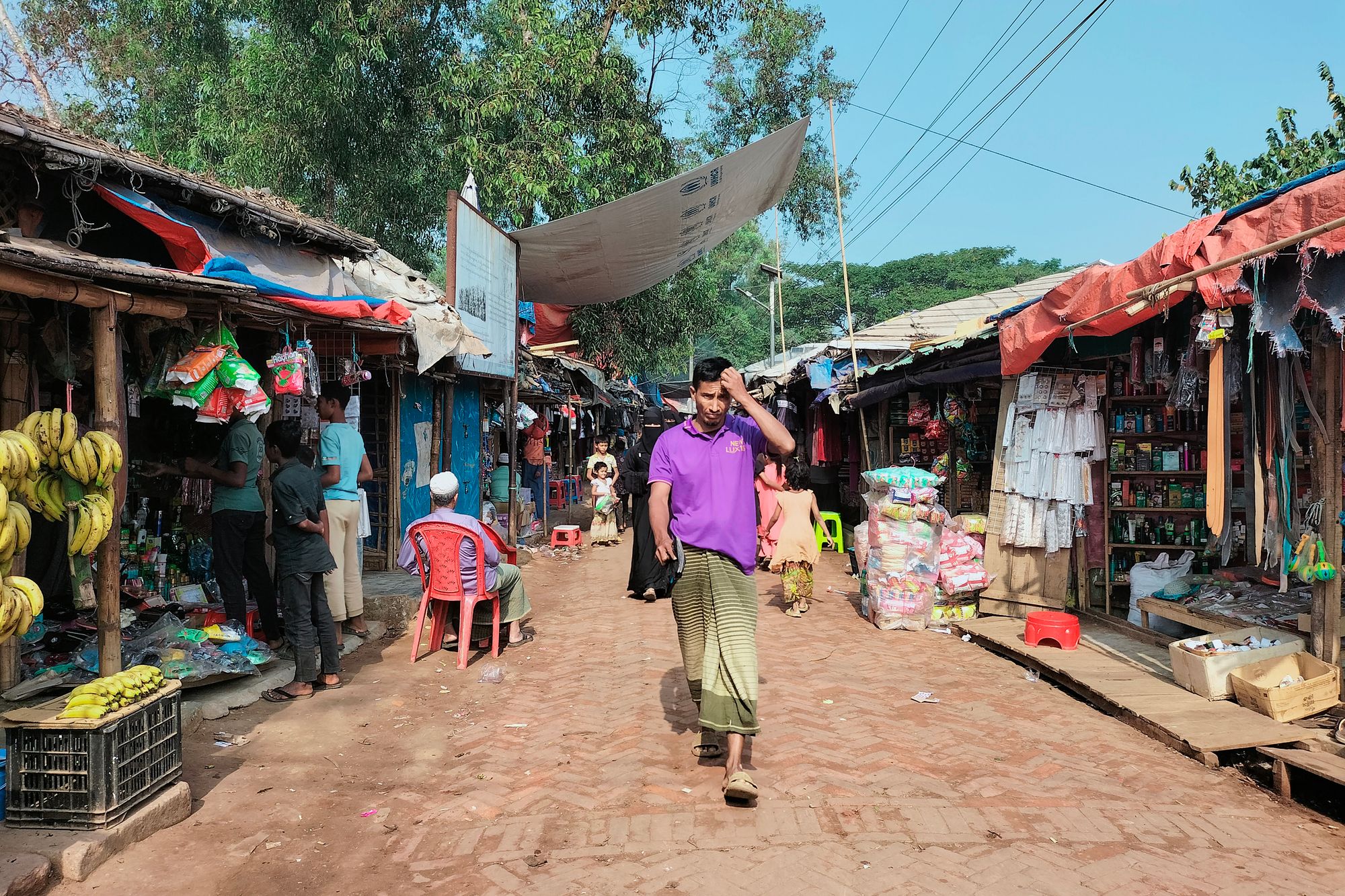
But this is not to say that the violence has ended. It has not. While the ICJ hears evidence, hundreds of thousands of Rohingya in Myanmar’s Rakhine State are confined to reservations where malnutrition is rife, there is no healthcare, no right to work and the population is deprived of the basics of life. Meanwhile, over a million Rohingya languish in refugee camps in Bangladesh, robbed of their dignity as international aid dwindles, many without hope, waiting to die.
The ICJ hearings will slam the Rohingya’s experiences into the narrative of international justice, an important opportunity to acknowledge the industrial-scale indignities to which they have been subjected for decades, and which reached a climax in the so-called “clearance operations” in 2017 and 2018. Girls and women were gang raped. People were forced to witness their families locked in their homes and burned to death. Babies were hurled into the flames; others were thrown into rivers. Civilians were beheaded in public. Whole villages were torched as government forces – turbocharged by an online torrent of anti-Rohingya racism mainly on Facebook – drove over 700,000 people into Bangladesh, under the guise of counter-terror operations.
For the imprisoned democracy leader, Aung San Suu Kyi, the current ICJ hearing is likely to be a bittersweet moment. She was the widely acknowledged leader of the government that carried out these atrocities and went to The Hague in 2019 to defend the generals against accusations they had violated the 1949 Convention on the Prevention and Punishment of the Crime of Genocide. Her son, Kim Aris, has led an international campaign to clear her name, though many, particularly among Myanmar’s ethnic nationalities, continue to resent her role.
She, nonetheless, remains a popular symbol of hope as the fifth anniversary of the coup looms, and as the junta stages sham elections from which Su Kyi’s party and many others have been banned, non-junta candidates have been imprisoned and tortured, and where even mild criticism of the poll can lead to years in prison. Far from bringing stability, the elections will lead to further violence, criminality by junta forces, increased human suffering and economic decline.
Once the so-called “merits” of the case are heard, sources close to the ICJ say they hope a final ruling could come within six months. This will be a defining moment for the Court. The bar for genocide is high, particularly in proving intent, and the terms of the final judgement will lay further ground rules for how the court approaches this thorny issue in other cases, for example, that brought by South Africa against Israel.
With Trump withdrawing funds from UN bodies en masse, the future functioning of the Court is far from secure. Beyond that, the ICJ itself is being judged in the court of public opinion. Already, its credibility is stretched to the limits, not least because it has taken over six years of procedural wrangling to arrive at the point where the substance of the Myanmar case is being heard.
In that time, the Rohingya attacks have raged. While ICJ officials have deliberated in the Peace Palace, the subjects of their deliberations have been murdered, forcibly displaced, and deprived of humanitarian assistance. Similarly, in Gaza, Israel has largely ignored the demands of the court to cease its practices and allow humanitarian aid into the Strip.
The Myanmar trial is a test case for the ICJ’s credibility. If Myanmar – and Israel also – fail to prevent and punish genocide as the convention demands, then other state parties to the convention are obliged to bring pressure, such as economic sanctions, to ensure compliance. Some states are showing a willingness to do this. Many are not. Hence, there’s a genuine risk that even if the ICJ were to find both Myanmar and Israel guilty, their practices would continue.
At that point, UN member states will have condemned the ICJ to irrelevance, particularly on the question of genocide, the crime of crimes.
Christopher Gunness is the director of the Myanmar Accountability Project
Join our commenting forum
Join thought-provoking conversations, follow other Independent readers and see their replies
Comments
Bookmark popover
Removed from bookmarks