Why a Primark ‘Pr-exit’ would be great news for its customers
The discount clothes retailer’s old-school approach has served it well – until now, says James Moore. With Shein and Temu rewriting the fashion rulebook, perhaps it’s time for the Weston family to let go

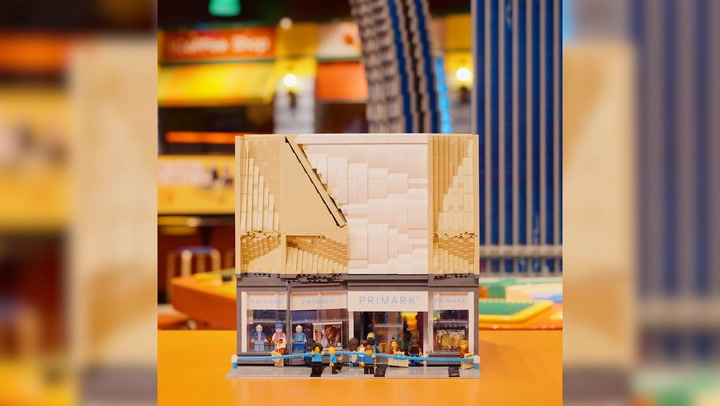
Is Britain’s favourite discount clothes retailer about to Pr-exit?
Associated British Foods — the FTSE 100 conglomerate that counts Primark among its clutch of beloved consumer brands – is considering separating the clothing chain from its food business, which owns brands including Twinings, Kingsmill, Jordans and Ovaltine.
Primark’s status as a unit of ABF has long been the subject of debate. There isn’t much overlap between an agribusiness and food producer and the high street’s top destination for cheap clobber.
However, the Weston clan, which controls ABF, has repeatedly swatted aside speculation about a demerger, arguing that the business’s oddball structure, and the family’s control, help to insulate it from downturns, while allowing them to keep their eyes focused on long-term success.
As a result, many analysts expressed shock at the announcement of a review of its corporate structure, potentially ending up with a Pr-exit. But, really, this shouldn’t surprise them.
Primark is a primarily bricks-and-mortar operation that boasts “core tenant” status for anyone operating a retail park. And it has successfully gone global. Former CEO Paul Marchant was responsible for that.
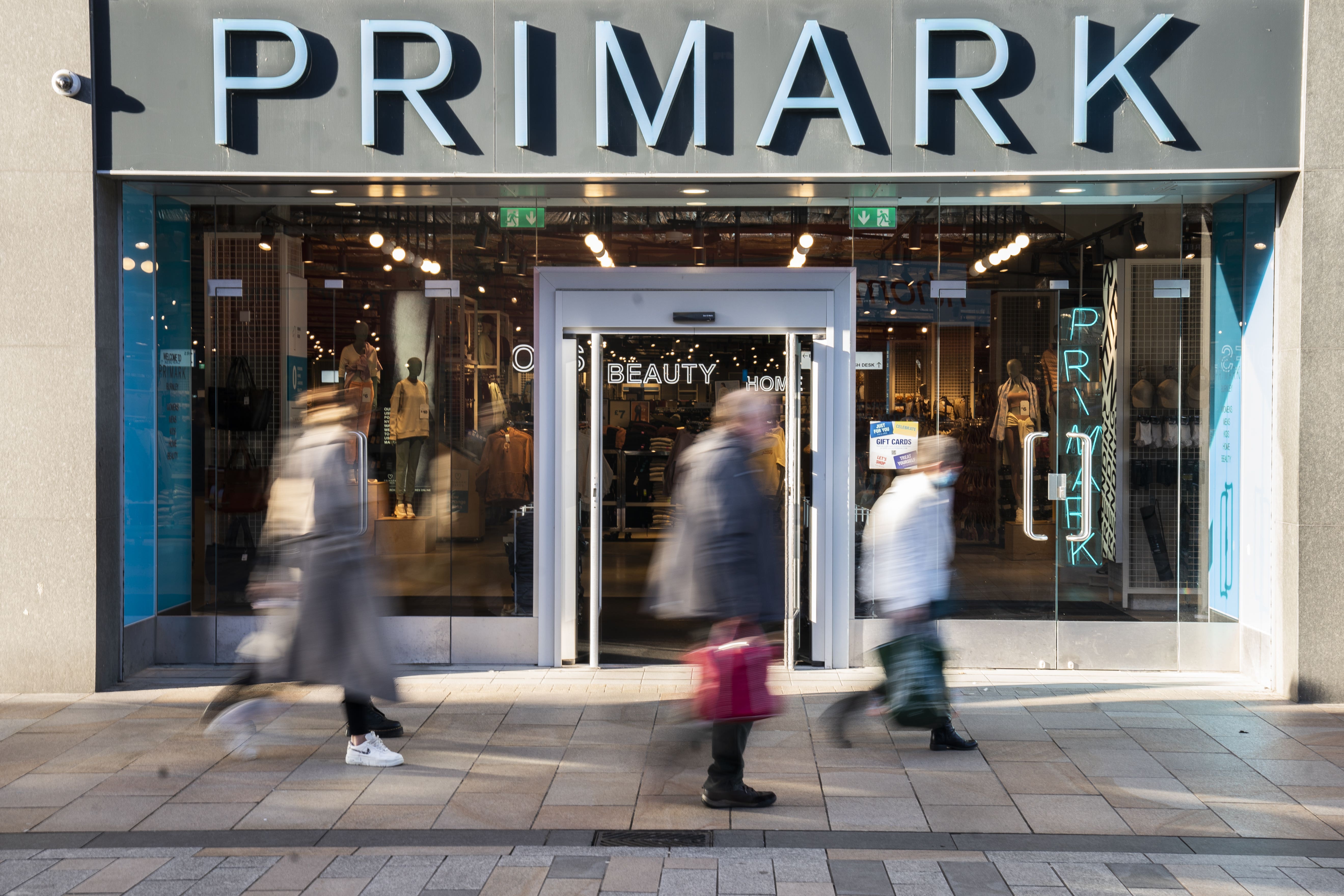
But businesses can’t afford to rest upon their laurels, and now Primark finds itself in a tough spot. Business has lately been slow. Primark’s full-year revenues rose by a pedestrian one per cent to £9.5bn, with “adjusted” operating profits up just 1.6 per cent to £1.12bn.
The hard fact is, consumers haven’t been biting in the midst of a tough economy. The company described the trading environment as “subdued” and warned that margins would be squeezed as it “invests” in the business. Part of that will involve keeping its prices competitive because of the fierce competition from rivals, which are all about online. The likes of Shein and Temu have come in, undercutting even Primark’s prices, while growing like knotweed.
Primark’s response has been slow. It only added a click-and-collect service in 2022 after taking a kicking during the pandemic. This was billed as offering “some of our much-loved items – often only seen in larger stores – to a wider range of customers and making shopping with us more convenient and accessible”.
However, it’s still no more than an add-on. When it launched, ABF boss George Weston told the BBC: “What you will never see is the entire Primark range available for click-and-collect, nor any of it available for home delivery.” While the offer has expanded, that is still the case.
Why restrict your customers like this? It doesn’t make a lot of sense.
The retailer also needs a new permanent CEO after Marchant walked in March in the wake of an investigation into some embarrassing misconduct allegations. Since then, it has been run by finance chief Eoin Tonge on an interim basis. An independent Primark would likely make the job of CEO much more attractive, with a wider pool of candidates to choose from.
Neither Marchant nor his predecessor Arthur Ryan, who founded the business, sought a high public profile. Interviews were only rarely given. That’s not necessarily a bad thing. One only needs to look at the experience of M&S. It was fond of hiring high-profile CEOs who were apt to make it all about them, to the detriment of the business and its consumers, many of whom walked.
On the other hand, a powerful front man or woman, with a freer hand to innovate and push the business forward, could improve the consumer offer, and the returns, while addressing the very obvious strategic challenge Primark faces – that decidedly limited online offer.
They could do worse than put the full range online as a first step. Consumers would thank them.
The rise of Shein and Temu can’t have escaped Weston’s attention. They follow Primark’s formula of ultra-low-cost fast fashion, but online. And they have boomed.
Fast fashion is controversial in some quarters – justifiably so. But the negative publicity that has dogged Shein in particular – the allegations about its labour practices and its links to the Chinese government – hasn’t overly worried its consumers. It gives them what they want.
An incoming CEO seeking to go head-to-head with these rivals by more fully embracing an online channel would still have to convince Mr Weston and the wider Weston family.
Primark is the jewel in their crown, and they have made quite clear that they intend to retain control of it, even if they do decide to press ahead with a Primark Pr-exit from ABF.
But Primark’s customers can be counted on to embrace such a move, so long as the price is still right – that goes without saying.
Going head-to-head with the likes of Shein and Temu would represent a considerable risk. But it may be a necessity.
Businesses have to follow their consumers. If they don’t, they die. Those consumers have repeatedly said that they like buying clothes online. They’ll happily embrace Pr-exit if that’s the end result.
Join our commenting forum
Join thought-provoking conversations, follow other Independent readers and see their replies
Comments
Bookmark popover
Removed from bookmarks