To all the angry men online, putting face-scan checks on porn really isn’t about you
From today, websites that carry explicit content are required by law to ask for photo ID or bank account details in order to verify a user’s age, so that children can be protected – where’s the harm in that, asks Claire Cohen
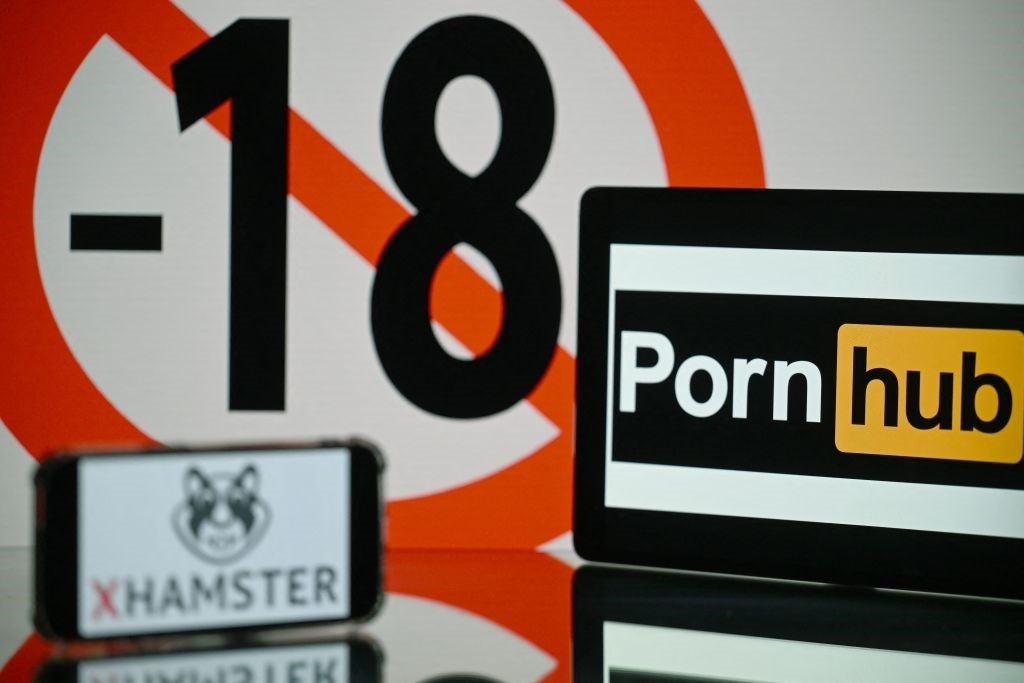
Around 14 million people in the UK are probably having a bad day. That’s how many of us watch online pornography, according to Ofcom. From today, they will have to pass age verification checks to access all UK porn sites. The legislation is part of the Online Safety Act, designed to protect children from seeing harmful material online.
May I be the first to say: boo hoo? Can’t watch that gang bang without putting in your credit card details, uploading photo ID, supplying your bank account number, mobile phone operator, or using email-based age verification? Diddums.
The average age at which children are thought to first view pornography in this country is 13. Thirteen! The charity Barnardos estimates that children could access porn more than 50 million times in the next three years, and says it’s “supporting children as young as seven who have accessed pornography sites. This includes rape, incest, domestic abuse and child sexual abuse.”
So forgive me if the idea of adults having to go through age checks to protect the youngest and most vulnerable in society doesn’t exactly inspire pity. I mean, we already ask for ID to buy alcohol, watch 18-rated films and gamble in casinos. Juul requires its customers to undergo ID verification before they can buy vaping products. Surely this is the next logical step?
Except, already, online forums are full of frustrated and furious men – 73 per cent of UK porn users are male – sharing tips on how to beat the system. Debate is raging over whether you can use a generic image of someone else’s driving license scraped from the internet or an AI-generated face. There’s endless advice on which VPN – a Virtual Private Network that encrypts your IP address and makes it look as though you’ve connected to the internet from a country where the laws don’t apply – is best.
“Just take the f****** phones off the kids if you’re concerned. Don’t punish the rest of us for bad parenting,” wrote one irate commenter on Reddit, which has already introduced age checks on its NSFW content. “Why do we all have to suffer because of their stupid kids?” asked another.
Look, I’m not naive. I realise that this isn’t a panacea. The communications regulator Ofcom, which is responsible for implementing this, might be calling it a “big moment”, but it’s merely a first step, and not a foolproof one. Tech-savvy teens will find ways to access porn anyway – we all had fake IDs to buy alcopops, right? – and there are concerns that it will lead to children sharing more images of themselves. Not to mention the potential for data breaches. Remember the hack of the extramarital affairs website Ashley Madison in 2015, in which the details of its 37 million members were exposed?
On the other hand, as a parent, I’m desperate for something to change before my son starts school. It’s horrifying to think that he might have unrestricted access to the sort of material we know damages children's mental health and normalises violent sexual activity. No, age verification isn’t a whole solution, but it’s progress: as long as Ofcom actually enforces it and has the power to hold companies accountable, that is. And it’s still up to parents and schools to do their bit, too.
So, sorry to the porn-starved men of the internet, this really isn’t about making things harder for you – although, given that a 2023 Ofcom study found that a lot of porn is watched during work hours, maybe it’s no bad thing for them either. It’s about social change; telling our children that explicit pornography isn’t suitable for their age group. We may struggle to row back with those teens who are already hooked, but the message might filter down to younger generations yet to fall down the rabbit hole. It’s about what we tell them is normal in relationships and how their experience of using the internet should look.
From where I’m sitting, that’s worth a load of angry blokes on the internet any day.
Join our commenting forum
Join thought-provoking conversations, follow other Independent readers and see their replies
Comments
Bookmark popover
Removed from bookmarks