Trust me, we’ll miss police and crime commissioners when they’re gone
The government intends to save £100m by abandoning this elected ‘non-police-y police’ role – but, says former Bedfordshire PCC Festus Akinbusoye, if anyone thinks the savings will be reinvested into frontline policing, they had best believe I am in training to become the first non-Catholic pope…


Being in uniform as a special constable opened my eyes to the sharp end of policing. But it was while serving as a police and crime commissioner (PCC) that I was exposed to its hidden machinery, and the competing pressures from all corners that dictate why and how we are kept safe.
Which is why I believe the home secretary’s plans to scrap the PCC model, calling it a “failed experiment”, are wrong – and naive.
In 2021, I was elected by the people of Bedfordshire to be their police and crime commissioner. Introduced under a system brought in by the Conservatives in 2012, the role was intended to make policing more accountable to the public. The job came with the power to set police budgets, to create five-year plans to reduce crime, and to appoint and dismiss chief constables. Because policing is far too important to be left to the police alone.
Now, Shabana Mahmood’s rush to scrap PCCs, as part of her wider policing overhaul, instead of reforming them, looks less like a quest for efficiency and more like a masterclass in political manoeuvring. It is the classic Westminster “consultancy special”: identify a system that is 70 per cent functional, declare it a failure, and replace it with something remarkably similar to the thing that was just declared a failure.
The Home Office’s pitch is that by centralising power and handing the reins to regional mayors, we will save £100m over the course of the parliament. If anyone genuinely believes those savings will be reinvested directly into frontline policing, then they had best believe I am in training to become the first non-Catholic pope.
The reality is that PCCs, whatever you thought of them, had one job: policing. They were the only non-police-y people in the room whose sole metric of success was the safety of their county.
Under the new model, however, policing will become yet another plate for a mayor to spin alongside housing, transport and some perennially over-budget project. When it’s a choice between funding a new bus lane or a burglary team, history suggests the already “thin blue line” will start to look like it’s been on Ozempic.
I will be the first to admit that the PCC experiment had its wobbles; there were some right duds, just like we also have in parliament. The first generation in 2012 was, to put it politely, a mixed bag. Some police chiefs and PCCs treated their relationship like co-parents after a bad divorce, resulting in operational interference and legal disputes that kept half the barristers in London in fine wine. But by the third cohort in 2021, the role had matured. Boundaries were clear, legislation was tighter, and – dare I say it – the system was working better with stronger convening powers within the wider criminal justice system.
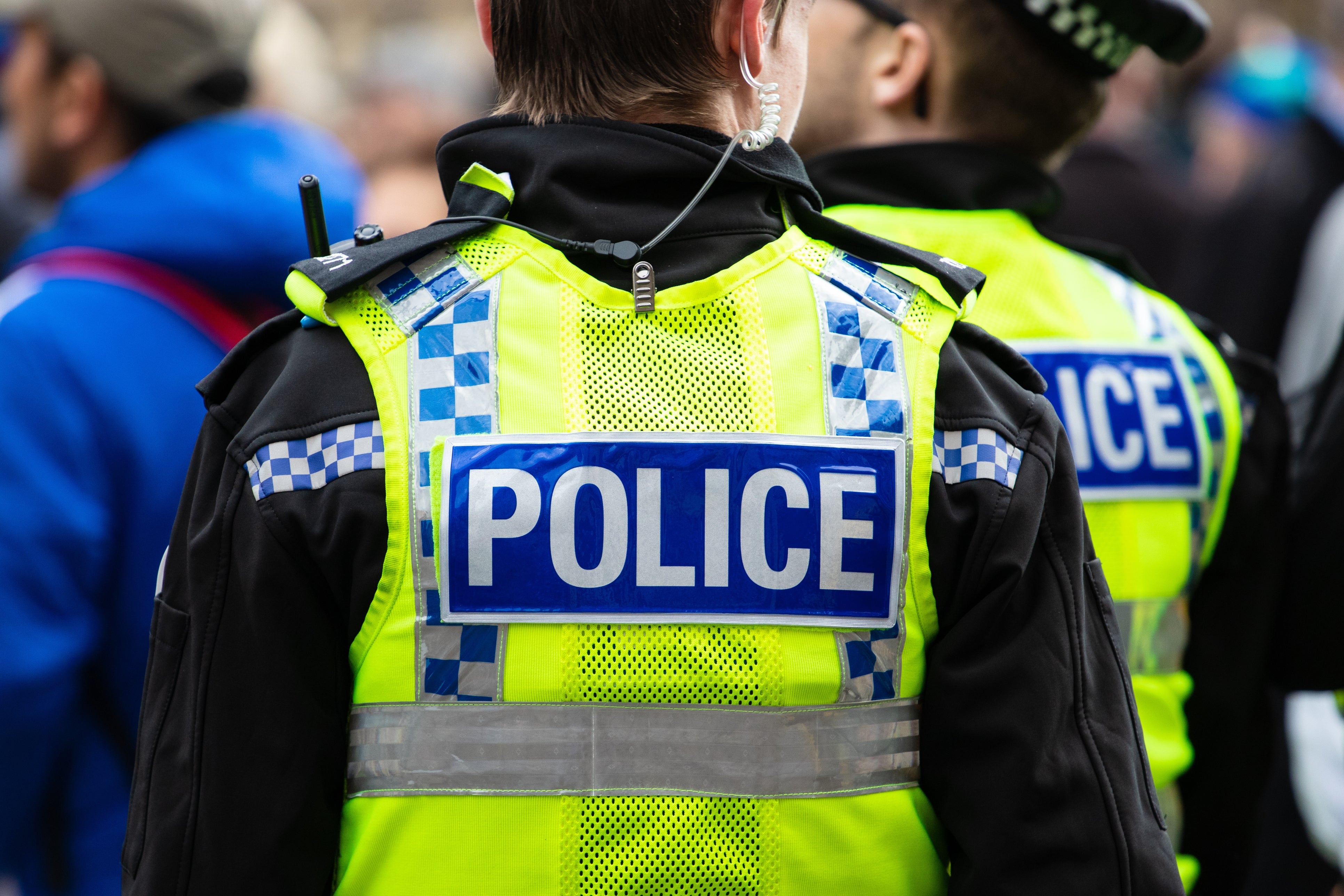
Instead of building on this maturity, Mahmood’s white paper harks back to the “golden era” of police authorities; yes, those 15-person committees of councillors prone to endless debate and chronic indecision. I know of one former chair who held four meetings a year, collected a tidy allowance, and presided over a system where the political make-up of the committee made getting a decision passed like pulling teeth from a mule.
In each of my three years as a PCC, I spent significant time lobbying for – and getting – additional special grants funding. Without it, I would have been forced to approve cuts to specialist units tackling organised criminal gangs, remove all police and community support officers (PCSOs), and drain our financial reserves. Would a mayor have the capacity to do this? Unlikely. Everything cannot be a priority at the same time. For a PCC, policing was the only priority.
A more sobering aspect of this purge is the centralisation of power. By removing local PCCs, the government is effectively handing the home secretary a remote control for every force in the country. We are trading local accountability for a politician who can direct priorities from a desk in Whitehall. The “experts” behind this have failed the basic test of political foresight: the powers you seize for your own political party today will eventually be inherited by your rivals. That should be a chilling thought.
We see the cautionary tales already. For the unaware, it takes a lot for a police force to go into special measures. Every single mayoral policing area has been placed into special measures at some point over the last 10 years.
Reforming the role of PCCs, by cutting their office costs, something I did during my tenure, streamlining decision-making, and making them subject to His Majesty’s Inspectorate (HMICFRS) evaluations, among others, would have been better for the public and the scrutiny of policing. Instead, we are embarking on another cycle of a major, messy and costly restructuring – something that nobody voted for.
Festus Akinbusoye was the police and crime commissioner for Bedfordshire between 2021 and 2024, and is a former board member of the College of Policing
Join our commenting forum
Join thought-provoking conversations, follow other Independent readers and see their replies
Comments
Bookmark popover
Removed from bookmarks