Poets are dreamers and idealists: It’s what makes them so dangerous
It’s not yet clear why Renee Nicole Good was shot by ICE agents in Minneapolis, but her death is a reminder that throughout history, poets have been targeted by authoritarian regimes, writes David Lister


In his novel Dr Zhivago, Boris Pasternak said: “A poet is always drawn to suffering because suffering gives depth to experience.”
I was reminded of that quote this week when it was revealed that Renee Good, the woman shot dead by an ICE agent in Minneapolis, was a poet. We don’t know exactly why she was at the scene, but many poets would feel it was their place to be at a focal point of trauma, fear and, yes, suffering.
There is a converse to how poets feel about suffering caused by authoritarian regimes. It is how those regimes feel about poets. They harbour a strange fear of them – a fear of the ability to turn political argument into something deeper, exposing the pain and sacrifice that authoritarianism inflicts on ordinary people.
When poets are revered by the population – admittedly something that happened more in the past than now – and provoke political questioning, that fear intensifies. There is then even more reason for the regime to lash out.
That is why poets have so often been killed for their verse. They may not have the reach of musicians, novelists or filmmakers, but they can sear their way into people’s souls in a manner other artists cannot. That is what makes them dangerous.
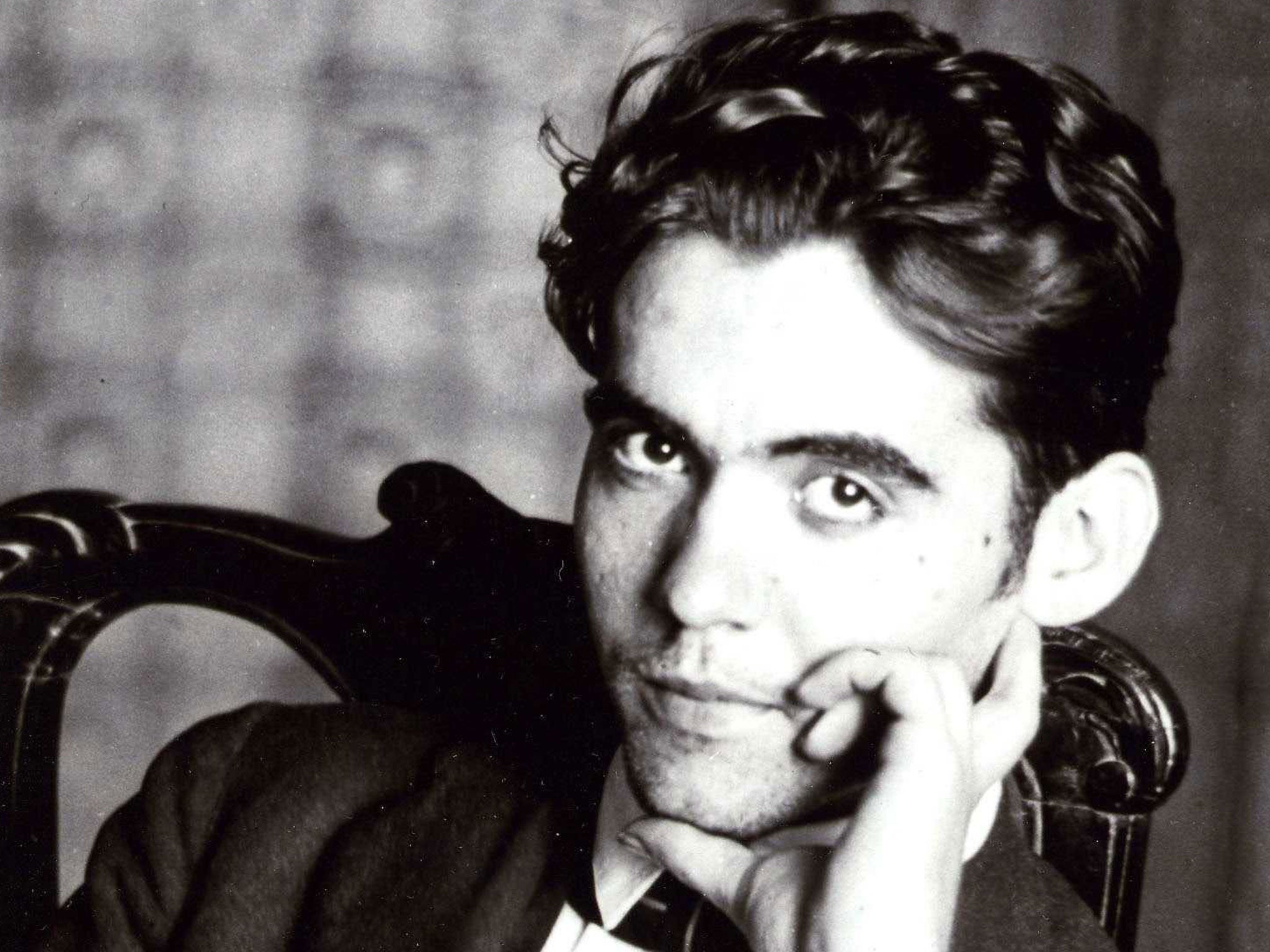
Throughout history, poets have therefore been targets of the authorities. In ancient Rome, Cicero – a poet as well as a philosopher and orator – was beheaded for defending the Republic and opposing Mark Antony. Fast forward to the 20th century, and poetry became an especially perilous vocation. Federico García Lorca, one of the most important literary figures of 20th-century Spain, whose work confronted social injustice, was an early victim of Franco. He was shot without trial by the Nationalist forces at the outset of the Spanish Civil War.

Pablo Neruda, one of the century’s most influential and politically engaged poets and a Nobel prize winner, was killed at the start of Pinochet’s dictatorship in Chile. The official cause of death was prostate cancer, but his family and historians have long suspected poisoning by the military.
Stalin, too, understood poetry’s power. He instigated what became known as the Night of the Murdered Poets. In August 1952, 13 prominent figures in Soviet Yiddish culture were executed by the secret police. Antisemitism combined with hostility to culture proved a lethal mix.
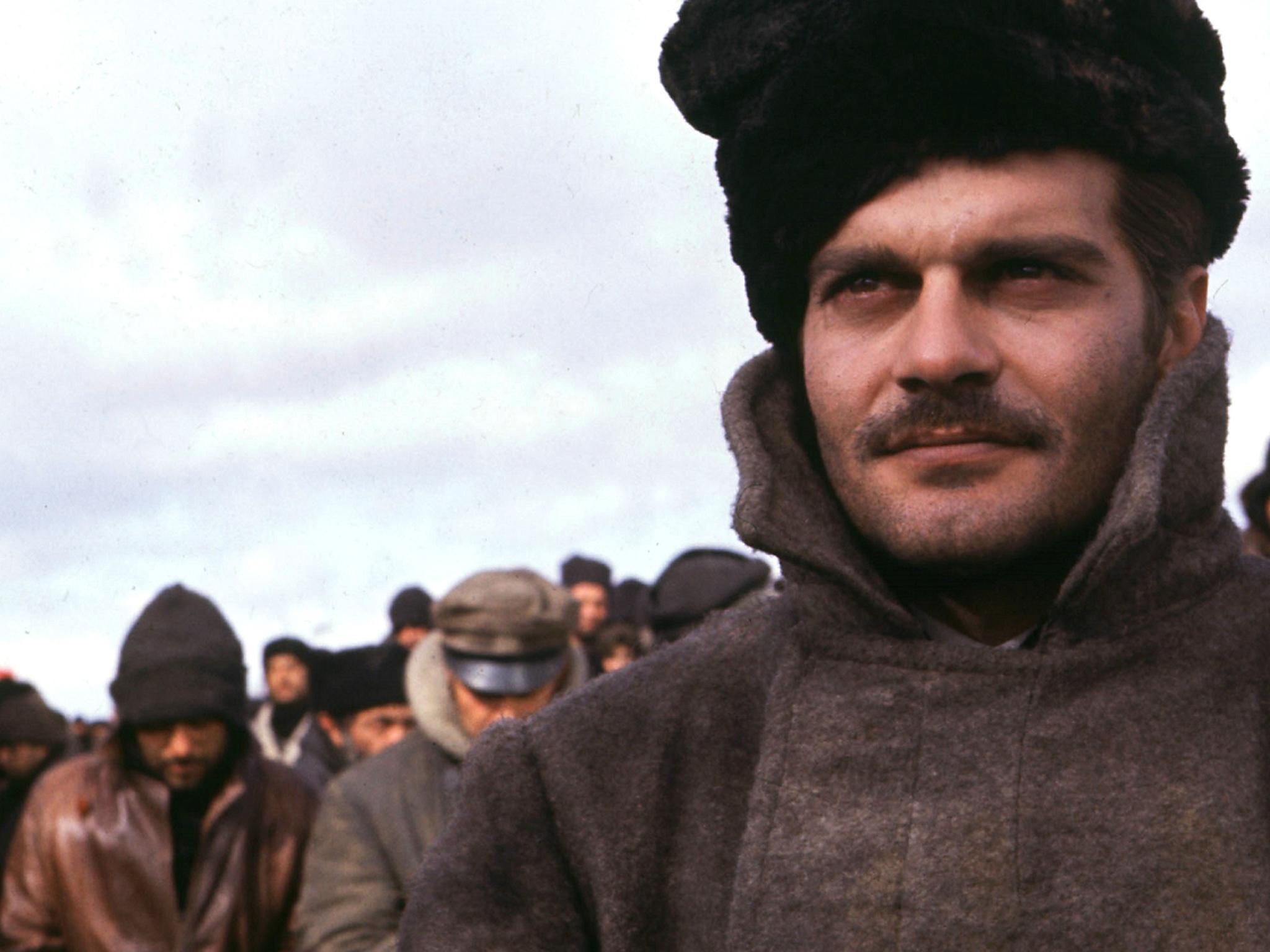
He knew how potent poets could be in his country – perhaps more so than anywhere else. Again, in Dr Zhivago – this time the 1965 film adaptation – the mass crowds attending Zhivago’s funeral are explained by his brother as the result of one simple fact: Zhivago was a poet, and in Russia, poetry belongs to everyone. It was, and arguably still is, a shared emotional language.
The irony was that Pasternak’s own funeral in 1960 was a small, private affair. By then, he had been publicly condemned by the Soviet state after Dr Zhivago was published abroad. Earlier, in 1938, the poet Osip Mandelstam had been tortured and died in custody after writing a poem criticising Stalin.
Other repressive regimes have displayed the same fear and loathing. In Iraq, Saddam Hussein imprisoned and, in some cases, executed poets who opposed him. In Iran, too, poets have faced state repression, albeit without confirmed executions. In Bangladesh, the feminist poet and human rights activist Taslima Nasrin was forced into exile. It is also believed that poets in Saudi Arabia, China and North Korea have endured imprisonment and torture.
It was no accident that Shakespeare, in a nightmarish scene from Julius Caesar, made the innocent victim of the mob Cinna the Poet. “Tear him for his bad verses,” the crowd bayed as they butchered him.
Poets are dreamers. Poets are idealists. Poets expand their readers’ horizons. Shakespeare understood that they would always be among the first up against the wall.
Join our commenting forum
Join thought-provoking conversations, follow other Independent readers and see their replies
Comments
Bookmark popover
Removed from bookmarks