If the government wants to reach northern cities, it should move parliament out of London
Send your letters to letters@independent.co.uk
Chris Blackhurst’s article on bringing “real jobs” to the North (The northern powerhouse is about much more than rail lines and tarmac) is following a theme of the long-recognised need to replace the lost industrial bases of the UK, not just England.
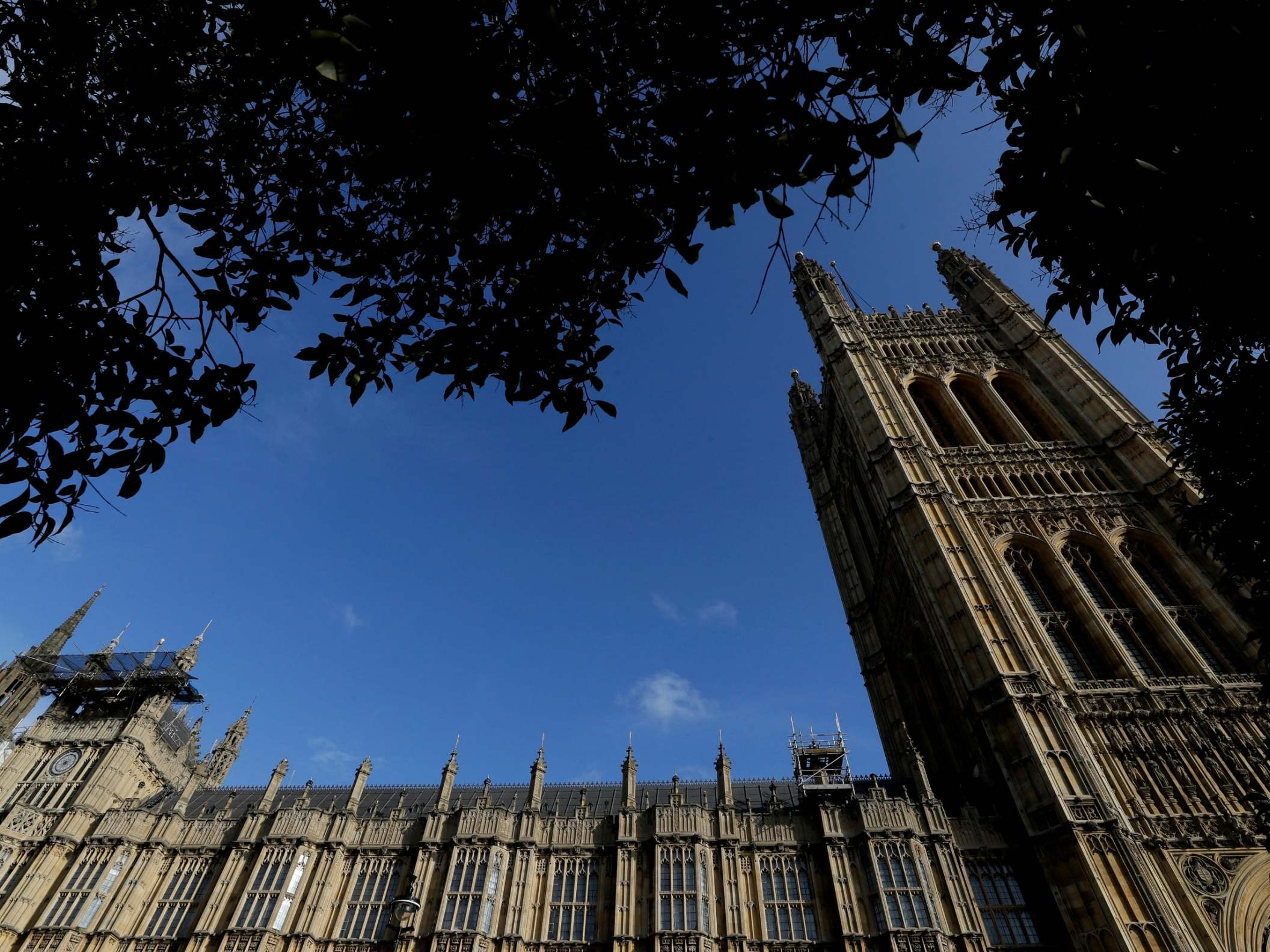
The government is still intending to spend billions on refurbishing its Westminster home, so I’ll raise again the need for it to work all over the UK. We need a government that is truly in touch with the communities affected by its policies.
The existing parliament buildings are unfit for purpose, not just decrepit, and should be turned into a living museum space, commercial, or residential use for education and tourism.
We could instead, for example, move parliament to Birmingham to coincide with the opening of HS2.
We should also move ministries and other departments and services to Manchester, Leeds, Sheffield, Newcastle, Chester, Nottingham etc. If Swansea works well enough for the DVLA, why not other “far-flung” places?
By doing this, other businesses and services will be attracted to those locations and remove pressure on London. The capital’s transport will perhaps then not need further upgrading after Crossrail 2 and property pressure will reduce too.
Many civil servants could work from home, possibly in rural areas, and be more in touch with the true employers. It would also encourage better regional and rural infrastructure of all types to support a more democratic distribution of facilities and jobs.
London would continue to do well while the rest of the UK could benefit too. Parliament could be preserved at much lower cost when it is emptied – it could also be a paradigm for fairness and democracy if everything else is modernised at the same time too.
Michael Mann
Shrewsbury
I agree with Andrew Grice (A shake-up of government departments might make headlines – but voters need changes that will affect their lives) that Johnson will politically live or die by the North because a prime minister who promises so much to disaffected Labour voters, must realise that they do not take prisoners.
He may be humbled that they lent their votes to his party, but I would imagine they collectively held their noses and perhaps did not change their inherent loyalty base. The Labour Party needs to wise up and get the leadership campaign sorted with the least soul searching and acrimony, because they must be ready to step in and pick up the pieces.
If Johnson's vainglorious promises are not fulfilled in entirety for these men, women and children let down by the political system, it’ll be clear the government has failed to speak their language.
Judith A Daniels
Great Yarmouth
A defence against hypersonic missiles?
We are constantly being told that nuclear weapons are essential for the UK’s security, and politicians saying anything to the contrary are putting the country at risk.
Could someone advise us how our exorbitantly expensive nuclear submarines are going to protect us from hypersonic missiles travelling at 27 times the speed of sound? God forbid we now embark on a programme of our own to compete or even buy in from the US’s similar but as yet unready systems.
G Forward
Stirling
Food banks aren’t entirely to blame
With regards to food bank clients, Berenice Langdon (As a GP, I know malnutrition is on the rise – and food banks could be contributing to the crisis) needs to read the recent report from the Trussell Trust entitled “State of Hunger”.
This highlights the reasons why so many people in the UK are reliant on food banks and every one of the vouchers mentioned carries data as to why a client is referred for a food parcel.
As a fellow doctor, I agree that the contents of our parcels may not be as nutritious as desired, but the Trussell Trust does support a “More than Food” programme, including “Eat Well, Spend Less” courses and my own local food bank runs courses with a public health nutritionist on how to make the best use of the food parcel.
Clients are also signposted to other support agencies as appropriate including budgetary and debt advice.
Dr C Edmondson
Wrexham
A new people’s charter?
In the 1830s and 40s, British people campaigned for much-needed reform via the well known “People’s Charter”.
Notwithstanding – or perhaps because of – the recent election result, a modern version is clearly needed. It should include demands for: proportional representation; thoroughgoing federalism to replace our hybrid devolution arrangements; zero carbon by 2030; a new Companies Act to emphasise the social obligations of business.
The ideal people to work towards this would be the progressive alliance of Greens, Lib Dems and Welsh nationalists who worked well together in the run-up to 12 December. On this – and indeed much else – they could still make a real contribution to British politics.
The Rev Andrew McLuskey
Ashford
Join our commenting forum
Join thought-provoking conversations, follow other Independent readers and see their replies
Comments
Bookmark popover
Removed from bookmarks