Keir Starmer’s attack on aspiration is draining the life from Britain
The PM has turned a strong hand into a busted flush in his drive for growth, says Chris Blackhurst. It is clear that he lacks the vision and reformist zeal that leaders need to deliver true change


There are, believe it or not, some parallels between the political careers of Sirs Keir Starmer and Tony Blair.
Starmer, like his mentor, presides over a thumping majority. In theory, Starmer can also, like Blair, do pretty much as he pleases policy-wise – he should not be in any danger of being driven out of office, he’s sitting on enough support to carry him through and beyond the next general election. Except he can’t. Unlike Blair, he finds himself hamstrung at every turn, with the result that instead of riding high, he is dragged ever downwards.
Starmer spends an inordinate amount of time telling business chiefs why they matter and how much he respects them and wants them, then introduces measures that display total disregard for them and their needs. Similarly, he insists to his backbenchers and activists that he is red to his core but also makes it plain he isn’t happy with some of their wishes, that he also sides with the bosses.
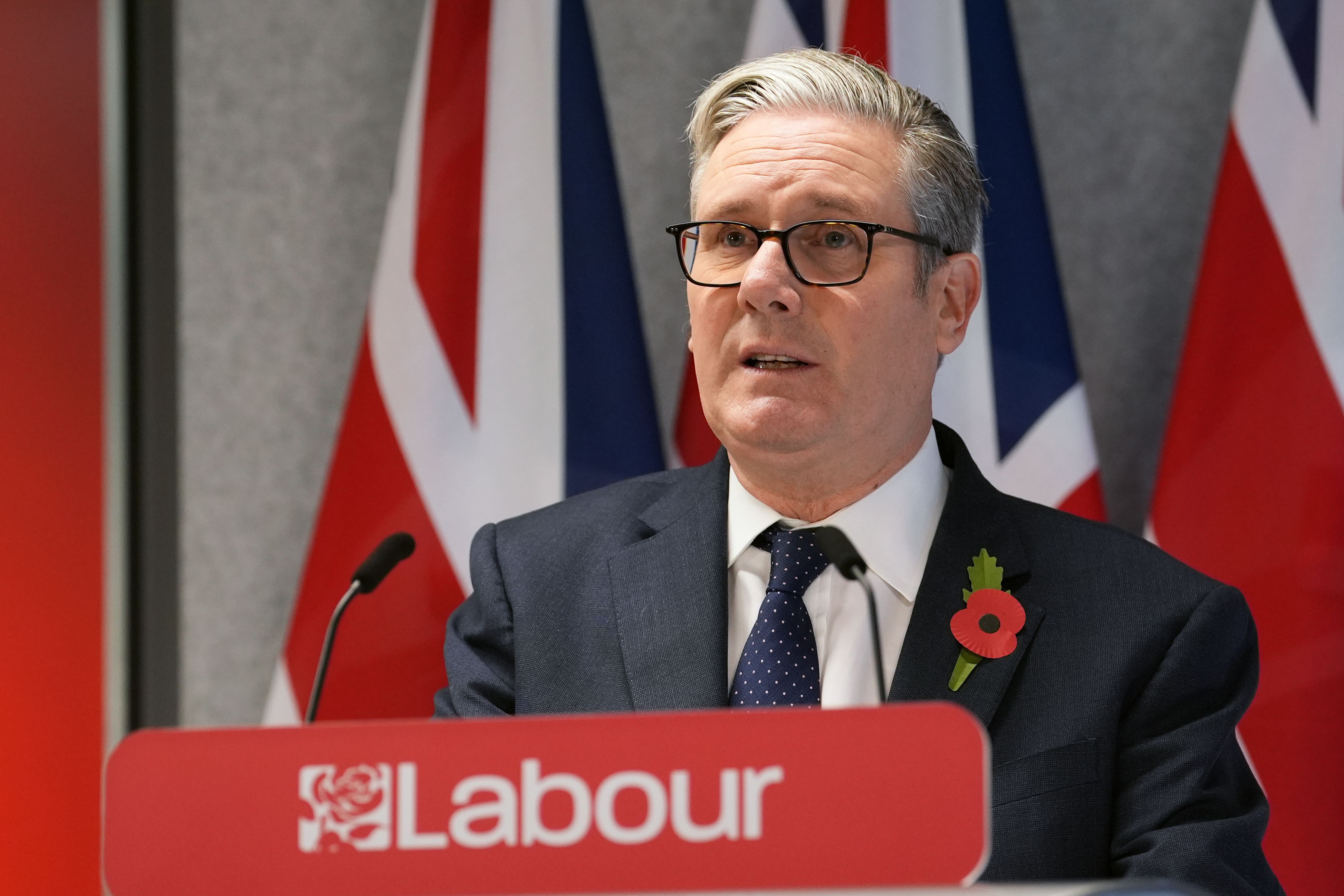
The outcome is a premier who is damned if he does, damned if he doesn’t, inert, stuck, blinking into the headlights. Rachel Reeves is said to be planning a “mansion tax” in her forthcoming Budget. Even Reeves’s old boss at the Bank of England, the mild-mannered Lord Mervyn King, concluded today that this strategy is not “coherent”, adding that problems within the system cannot be solved by “just adding another wealth tax to it”.
Doubtless, given what has also been mooted, there will be additional similar steps, designed to tax the better-off, to make them shoulder, as she has said, their fair share of the burden.
Obviously, the wealthy are screaming and some are heading for countries where they feel more welcome, to the likes of Dubai, Italy and elsewhere. Meanwhile, the UK economy continues to lag in terms of productivity, unable to expand.
Yet, here’s the thing. Starmer and Reeves have been assuring anyone prepared to listen that their objective is to achieve “further and faster” economic growth. At the same time, they are alienating those very same folks who can help them in securing that goal. They are signalling how Britain stands for aspiration – all while killing aspiration. It does not make sense.
Not only that, but those tax-raising reforms won’t make a blind bit of difference in plugging the yawning gap in the public finances. By and large they are gimmicks, small hits that together do not add up to very much and certainly not enough to fill that massive hole.
They sound good, though. Or rather, they do, if you’re from the left. This is where Starmer and Reeves find themselves – assuaging captains of industry, declaring Britain is “open for business”, charging across the globe on trade missions, saying they will do everything in their grasp to smooth the path for greater investment but then not actually doing what the people who make those investment decisions desire, what will persuade them to choose the UK over another nation. Worse, they implement policies that send an opposite message.
It is bizarre and shaming. Starmer is leader, but he is not leading. He is hamstrung, lacking the charisma and strength of character to do anything meaningful, without a strong ideological and support base to carry him.
That is what Blair had. Sadly, I am old enough to remember the day when Alastair Campbell came backstage at the 1994 Labour Party conference to the press briefing room and explain what the new leader, Tony Blair, meant by the reference in his speech to reforming Clause IV, the section of the party’s constitution that committed it to common ownership of the means of production, distribution, and exchange. He wasn’t going to just recast the long-held commitment to common ownership, Campbell told us; he was intending to scrap it, signalling a shift away from nationalisation and towards a more centrist, market-friendly platform.
At a stroke, Blair was abolishing a socialist tenet of old Labour. This would be a different party. New Labour.
There were gasps of astonishment when the reality sank in. It was bold and revolutionary. But Blair did it, bringing with him the left, winning over business and much of the right as well, and headed towards a galvanising electoral landslide, paving the way for numerous polices, many of them anchored in the centre and with an eye on pleasing the country’s commercial managers and wealth creators. Remember when Labour declared its love for the “filthy rich”? That was with Blair in charge.
Britain was crying out for change, and he was able to capitalise, as the right person at the right time. The same desire for change is with us again. Starmer is unable to deliver, and by not delivering only foments that dissatisfaction and desire for change. He is trapped in a slumping spiral of his own making.
Every day that goes by, his personal ratings sink lower. The voices against him become ever louder and with them, the votes ever less in his favour. His shout for growth has become a whisper. How long can this continue? There is a new sound and incredibly, it is one of knives being drawn.
Join our commenting forum
Join thought-provoking conversations, follow other Independent readers and see their replies
Comments
Bookmark popover
Removed from bookmarks