Theresa May’s honeymoon may be over but she’s not our first self-serving politician
David Cameron described Boris Johnson as really a ‘confused Inner’. No wonder some Conservative MPs are so pleased it was Ms May who became Prime Minister
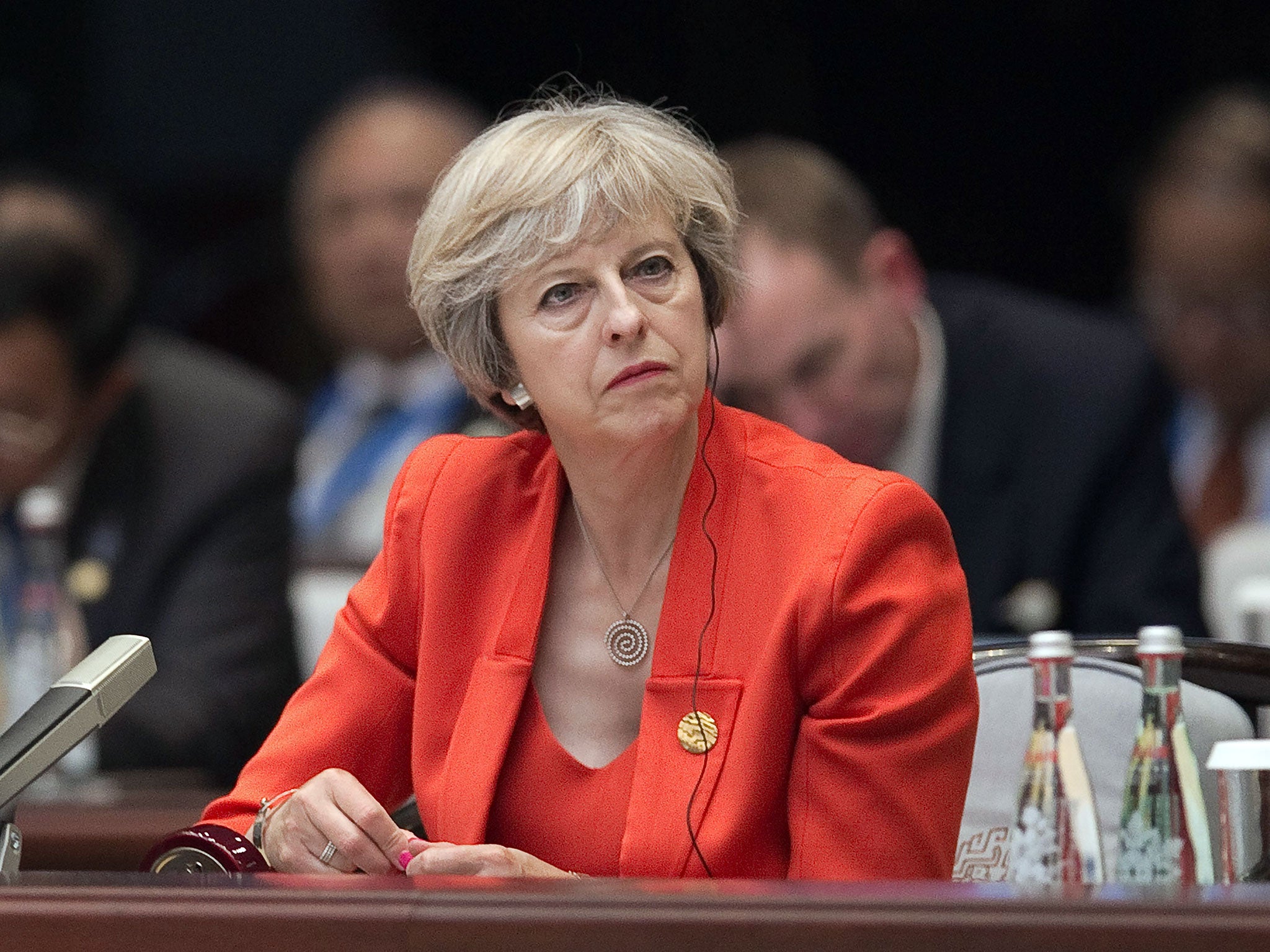
Theresa May has had an assured start as Prime Minister, and deserves praise for bringing some calm to the storm caused by the vote for Brexit. Yet there was always going to come a time when her past caught up with her and her honeymoon came to an end. Both moments may have arrived via two books telling the inside story of the referendum campaign.
Sir Craig Oliver, who was David Cameron’s director of communications, claims that Ms May was seen as “an enemy agent” by Cameron allies because she rejected, on 13 occasions, his pleas to “come off the fence” and back Remain. The then-Home Secretary was dubbed “submarine May” by Downing Street because she always disappeared when it needed her.
In another account, the journalist Tim Shipman says that Mr Cameron described Ms May as “lily-livered” after she advised him not to press for tough curbs on immigration that might have enabled him to win the referendum.
In a strange twist of fate, Ms May may soon find herself pressing for very similar measures, such as an “emergency brake” on the number of EU migrants coming to Britain, during her Brexit negotiations. In her defence, it should be noted that she argued against Mr Cameron making demands that Angela Merkel, the German Chancellor and most powerful figure in the EU, was bound to reject.
Sir Craig’s book also casts an unflattering light on Boris Johnson, the leading Vote Leave campaigner. Worryingly, it claims the man who is now Foreign Secretary “flip-flopped” over whether to back Leave or Remain in text messages to Mr Cameron as he struggled to make up his mind.
Revealingly, Mr Cameron described Mr Johnson as really a “confused Inner.” No wonder some Conservative MPs say “thank heavens” that Ms May, rather than Mr Johnson or Michael Gove, became Prime Minister.
Inevitably, there is an element of score-settling in these instant histories of the momentous events this summer. After his political career was brutally cut short, Mr Cameron can be forgiven for wanting to defend his record and try to influence his legacy, which will be easier to do now that he has quickly departed the Commons. It is also natural for his allies to ask the many “what if?” questions after such a dramatic period.
It is probably true that Ms May had her own career prospects in her mind when she maintained what Mr Cameron called her “Sphinx-like” approach to the EU issue. She believed, on balance, that it was better to remain but did not want to shout that from the rooftops and alienate Tory MPs whose votes she might seek in a future leadership contest.

But Ms May would hardly have been the first politician to put their personal interest first. And if she had really acted only out of self-interest, she might well have reached the same conclusion as Mr Johnson, who appears to have judged that backing Leave, even in the event of the Remain decision he expected, would best enhance his chances of becoming Prime Minister.
The revelations will doubtless provoke fears among hardline Tory Eurosceptics that Ms May’s stance during Mr Cameron’s negotiations means she will be a soft touch who will seek a “soft Brexit” during her own EU horse-trading.
But there is no justification for the distrust they show towards her, and they should take her at her word when she argues that “we are all Brexiteers now”. Ms May was Home Secretary then, not Prime Minister, and it was open to Mr Cameron to argue for an “emergency brake” without her support – as some allies now wish he had done.
To suggest that Ms May was responsible for the Brexit vote is wide of the mark. We should all judge her on the Brexit terms she secures. And we should hope she wins a better deal than the threadbare one Mr Cameron settled for ahead of an unnecessary referendum that, despite the best efforts of his allies, will define his legacy.
Join our commenting forum
Join thought-provoking conversations, follow other Independent readers and see their replies
Comments
Bookmark popover
Removed from bookmarks