It is scarcely believable that so many in Britain are in detention indefinitely
Editorial: At the current pace, it will take at least a decade for the 2,400 prisoners on IPP sentences to be freed, despite some having already served up to 22 times their original minimum tariff. The government must do more to speed up their release – and remedy the injustice
John Thomas, the former lord chief justice, said in parliament on Wednesday: “We cannot shirk the responsibility for rectifying an injustice. And what an injustice this is.” He is right.
It seems hard to believe that in Britain today there are thousands of people in our prisons who are serving unlimited sentences. Many of them were originally jailed for relatively minor offences, but because they were considered a danger to the public, they were given a specific type of sentence known as imprisonment for public protection (IPP).
This meant that they would stay behind bars until the Parole Board judged that it was safe to release them. It also meant that, if they were released, they could be recalled for any breach of the conditions of their release – again, often relatively minor – and their indefinite sentence would resume.
These sentences were meant for a small number of serious offenders whose condition did not justify detention under the Mental Health Act, but who were nevertheless considered dangerous.
However, many more IPP sentences were handed down than David Blunkett, the home secretary who introduced them, expected. He now regards them as one of the biggest mistakes of his career. The result of these sentences is that some offenders have been trapped in a Kafkaesque nightmare of trying to prove a negative to a risk-averse Parole Board, and have ended up serving, in effect, life sentences for crimes that would normally have attracted a prison term of a couple of years.
What is worse – and even harder to believe – is that IPP sentences were abolished by the coalition government in 2012, because it was decided that they were inhumane, and yet there are still, 13 years later, 2,400 prisoners serving them.
When the sentences were abolished, the repeal did not apply to prisoners serving existing sentences. This not only prolonged the injustice but intensified it, because if any of those IPP prisoners were convicted and sentenced today, they would be given a fixed-term sentence, subject to the normal rules of early release for good behaviour.
In response to pressure from The Independent and others, some changes to the IPP regime have been made. Prisoners should have their cases reviewed, and should have access to the support they need to demonstrate that they should be released. The current government has introduced an “action plan” to try to give further help to prisoners in making progress towards their release. But the fundamental injustice remains.
In a debate on the Sentencing Bill in the House of Lords this week, Lord Thomas described the action plan as a “flawed idea”. He said: “It will not deliver justice in time, and we must do something different.” At the current rate, it will take at least a decade for the remaining IPP prisoners to be freed, despite some having already served up to 22 times their original minimum tariff.
“The sentence is accepted to be wrong in principle by absolutely everyone,” Lord Thomas said. “How can we, as a nation, continue to punish people under a sentence that is wrong in principle and rests on the fallacy of thinking you could predict human behaviour?”
In response, the best that James Timpson, the prisons minister of whom The Independent had high hopes, could say was: “We cannot take any steps that would put victims or the public at risk.” He insisted that the government would not consider any measures that would free prisoners who have failed to pass the Parole Board’s release test. But that test is unfair, and does not apply to other prisoners who have been convicted of similar offences to those committed by IPP prisoners.
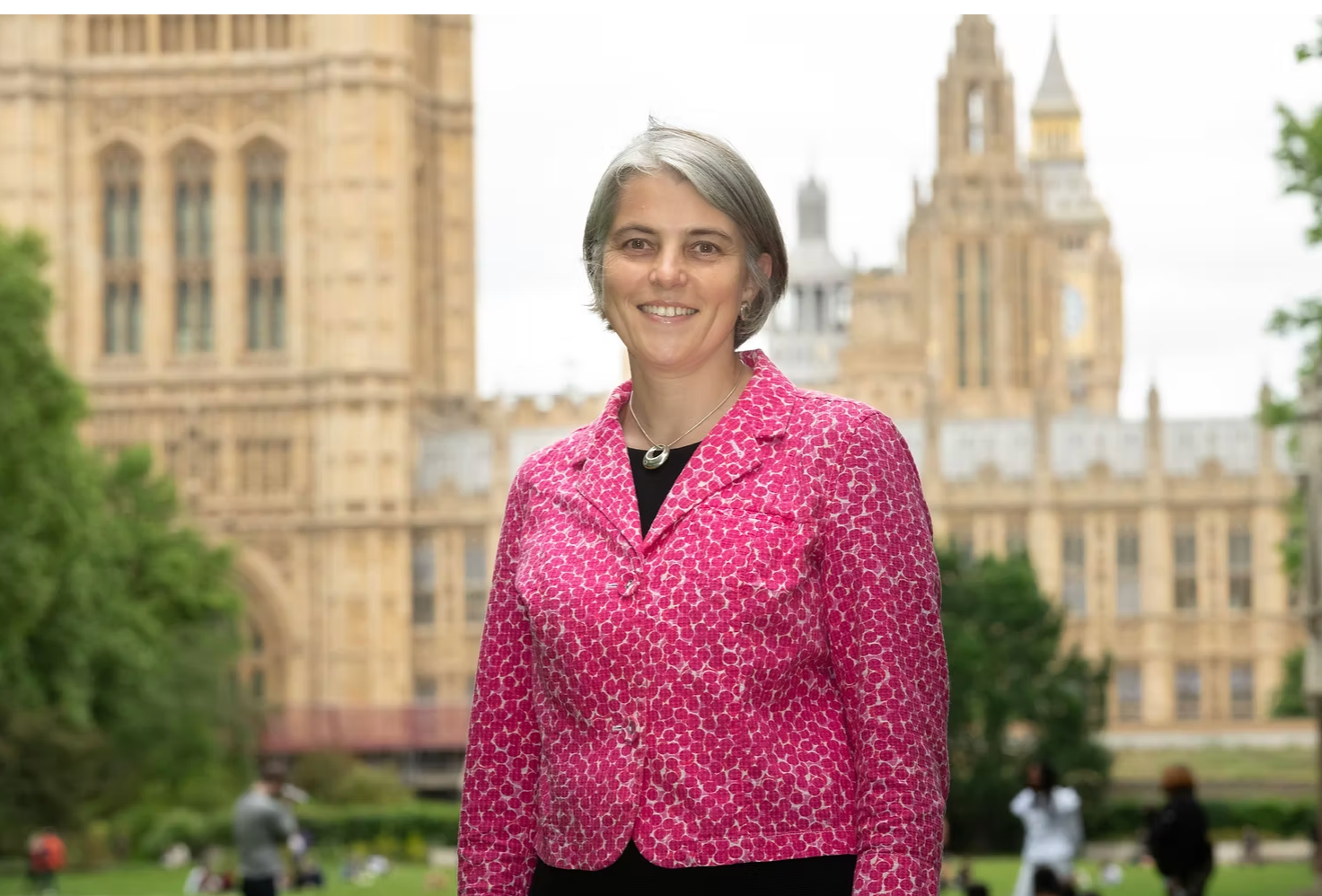
Sir Keir Starmer himself was asked about an IPP case at Prime Minister’s Questions on Wednesday. Anna Dixon, the Labour MP for Shipley, asked about Jimmy, the autistic son of two of her constituents, who was imprisoned as a young man with a minimum sentence of two and a half years. He is now in his forties, having been in prison for nearly 20 years. “His doctors say that he is safe and well for discharge, and a supported living flat is waiting for him in Shipley,” Ms Dixon said.
The prime minister gave a bland answer: “The justice secretary will look into this case and meet her to discuss her concerns to see what more can be done.”
Let us hope that the facts of the case jolt him, the justice secretary and the prisons minister into finally acting to end the scandal of indefinite detention – and giving all the 2,400 prisoners in this appalling limbo a definite release date.
Join our commenting forum
Join thought-provoking conversations, follow other Independent readers and see their replies
Comments
Bookmark popover
Removed from bookmarks