The BBC’s reputation for integrity has been critically compromised
Editorial: The BBC was wrong to cover up Martin Bashir’s deception when it was first raised internally, apparently shortly after the original broadcast of his interview with Diana, Princess of Wales
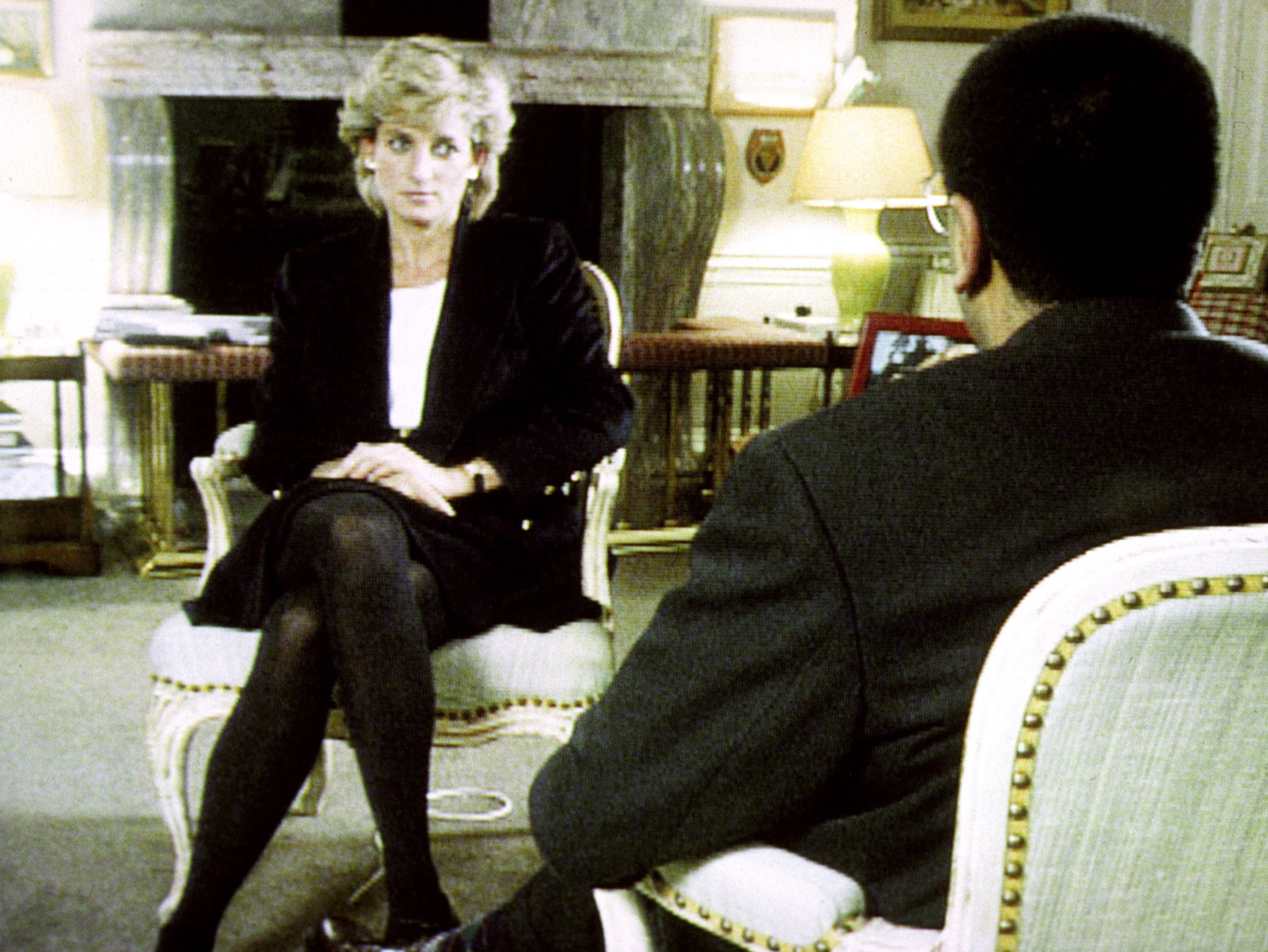
For obvious reasons, we will never know why Diana, Princess of Wales, decided to be interviewed by the then little-known TV journalist Martin Bashir.
As was apparent even at the time, through unattributed briefings that made their way into books and the press, the Prince and Princess of Wales were each anxious to place the blame for the breakdown of their marriage onto the other party, with the general public acting as alternately mesmerised and appalled jurors.
It could be that the princess decided to tell her side of the story of the three people in her marriage to the BBC’s Panorama because of the programme’s prestige, and because her former husband had already had his say on ITV. She certainly wasn’t shy about telling all, as can be seen from the personal details revealed: the impact it had at the time is still reverberating now.
It is at least possible, though, that the fake bank statements commissioned by Mr Bashir from his colleagues did wind her up a little more – and Lord Dyson’s report has concluded that the BBC “fell short of high standards of integrity and transparency which are its hallmark”.
These fake bank statements supposedly “proved” that Charles and the court had been spying on her, something she would have been exceptionally sensitive about given the level of public interest in her private life. We cannot know, either, whether this fed any paranoia on her part, or had any bearing on her decision to discard official protection, a decision that could have contributed to her early death in a car accident.
Mr Bashir, these days in poor health, has not only devalued his own scoop but damaged the BBC’s reputation, just when it is being assailed as never before. To concoct bank statements is bad enough for a common criminal. But Mr Bashir was a journalist, the sort of person who is supposed to uncover such acts of deception.
So members of the Spencer family and the royal family have their apology from the BBC for what happened so many years ago, a revelation that can only have added to their anguish.
The BBC itself was wrong to cover up the deception when it was first raised internally, apparently shortly after the original broadcast. The BBC followed the usual routine any institution does when it finds itself compromised by scandal – it goes into a state of official denial and compounds the original deception with further lies.
It has happened many times before – with political parties, Hollywood, banks, big companies, churches; indeed with the press itself, during the phone-hacking scandals. In a different way, the BBC fell into a similar trap with the Jimmy Savile affair.
A lesson should be learned from the Bashir affair about how an organisation such as the BBC – which is still a rightly respected source of news and information – deals with things when they go wrong. But long experience suggests that it won’t be, either in the BBC or elsewhere.
Join our commenting forum
Join thought-provoking conversations, follow other Independent readers and see their replies
Comments
Bookmark popover
Removed from bookmarks