What Susie Wiles was really trying to say about Trump in her tell-all interview
As Trump’s chief of staff, Susie Wiles is one of the few people the president really trusts, writes Jon Sopel. So why did this savvy political operator go on-the-record with Vanity Fair to paint such a damning picture of the White House?


Everyone loves a good political whodunnit. But in Washington this week they’re playing a slight variant of that game; it’s a why-she-dunnit. The who is Susie Wiles, Donald Trump’s fearsome, efficient, no-nonsense chief of staff. The why is why did she sit down for a whole series of on-the-record interviews with Vanity Fair to give her unvarnished views on the characters of the administration and the way policies were being implemented?
It’s a mystery.
One of the reasons why this second Trump administration has been so successful – compared to the first – is largely down to her. She is the dealmaker extraordinaire behind the scenes. The president has even called her Susie Trump – and what bigger compliment could she be paid than that? This from the man who loves his surname so much it attaches to hotels, golf courses, and soon to the iconic arts centre in DC, the Kennedy Centre – which is apparently set to become the Trump Kennedy Centre.
It’s not just that she keeps the competing egos around Trump in check. She’s even able to tell Trump to rein it in. This week the president gave a televised address to the nation about America’s struggles with the cost of living. Sure, bits of it sounded like one of his rally speeches. But he stuck to the autocue script. He didn’t ad lib. He didn’t veer from the message. She had told him firmly he had to stick to the words in front of him, and he couldn’t go over 20 minutes. He stuck to time; he did exactly as he was told.
For all the noise and clatter there still is, this is a much more disciplined operation that the first term. And Susie Wiles is rightly being accredited with delivering that. But the one law of political survival in the Trump jungle is the unquestioning acceptance that he is king, and if there is one person upon whom all the sunlight and media attention must shine, it is him. Never, ever start generating your own headlines, but that is exactly what Susie Wiles has done.


So let’s go back to our question: why? The person interviewing her from Vanity Fair was Chris Whipple. He is not some rookie reporter. He is an author and has long been a chronicler of the role of the chief of staff, that near impossible 24/7 job. And he has spoken to plenty of former chiefs in his time. There’s nothing unusual in that. What is extraordinary is to give those interviews – 11 of them! – while you are still in post, and not on “deep background” but on the record.
In her telling, Trump (who is teetotal) “has an alcoholic’s personality” with a taste for vengeance; JD Vance has been a conspiracy theorist for a decade; Russell Vought, a key figure in the administration and who was behind the blueprint of the second term with Project 2025, is a “right-wing absolute zealot”.
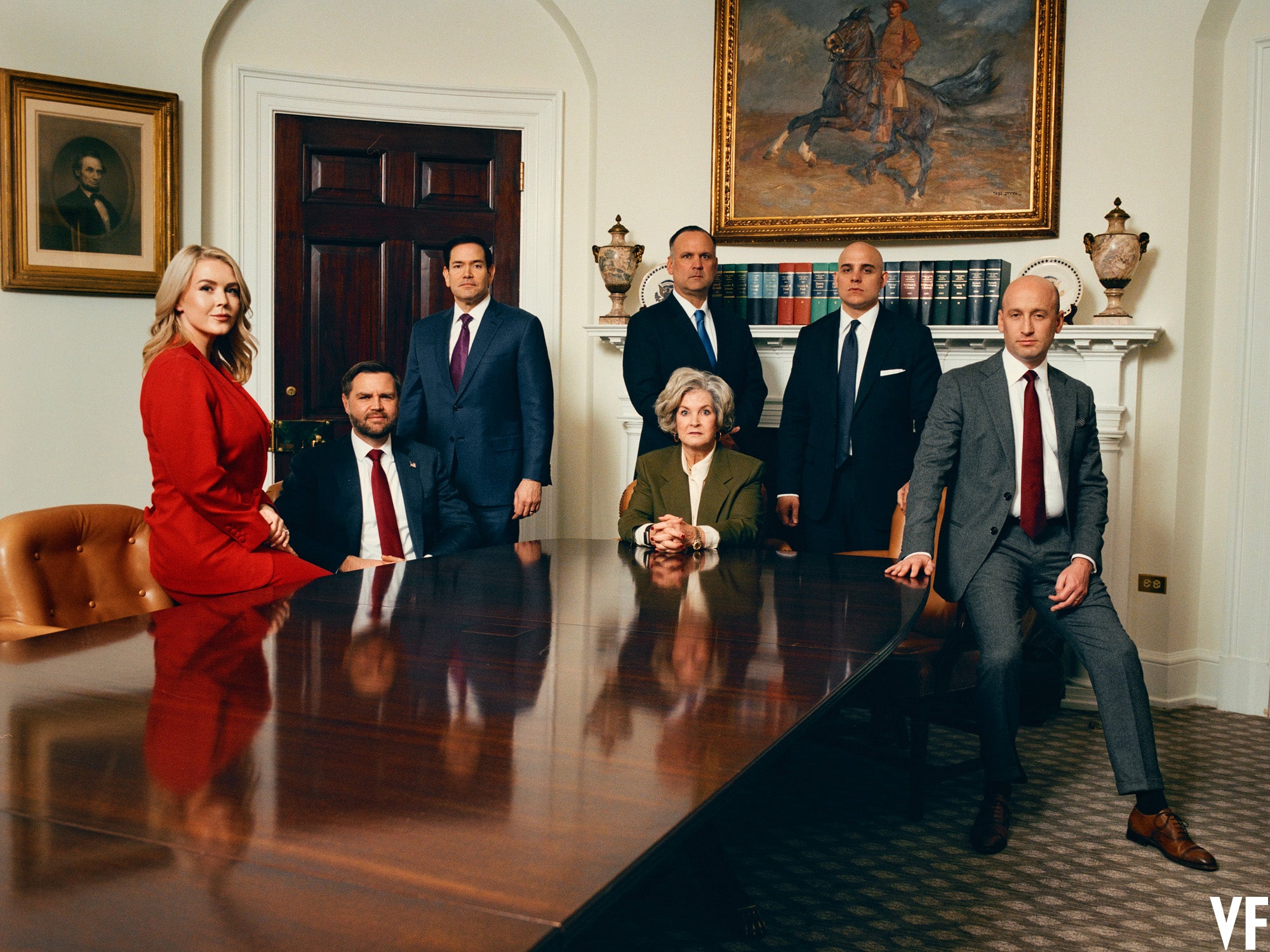
On policy, she makes clear that she counselled Trump against pardoning the most violent rioters from January 6; he ignored her. She disagreed with Elon Musk’s chainsawing of USAID – and she has some choice observations about him and his drug habit. She reckons Pam Bondi, the attorney general, has screwed up the handing of the Epstein files. And that Trump’s imposition of tariffs had been more painful than she had anticipated.
This is not what you expect from a serving chief of staff. What she’s said out loud is what you normally whisper quietly in the president’s ear. JD Vance gave a somewhat ambiguous response to the interview. He said he’d never seen Wiles ever be disloyal to the president. But was that a sentence that ended there or is it left hanging, with the words “until now” missing? I suspect he wanted it to be double-edged.
For the moment there is no talk of Trump disposing of her. She is too valuable to him. But there will be some knives out for her now, and the air of infallibility around her will have gone.
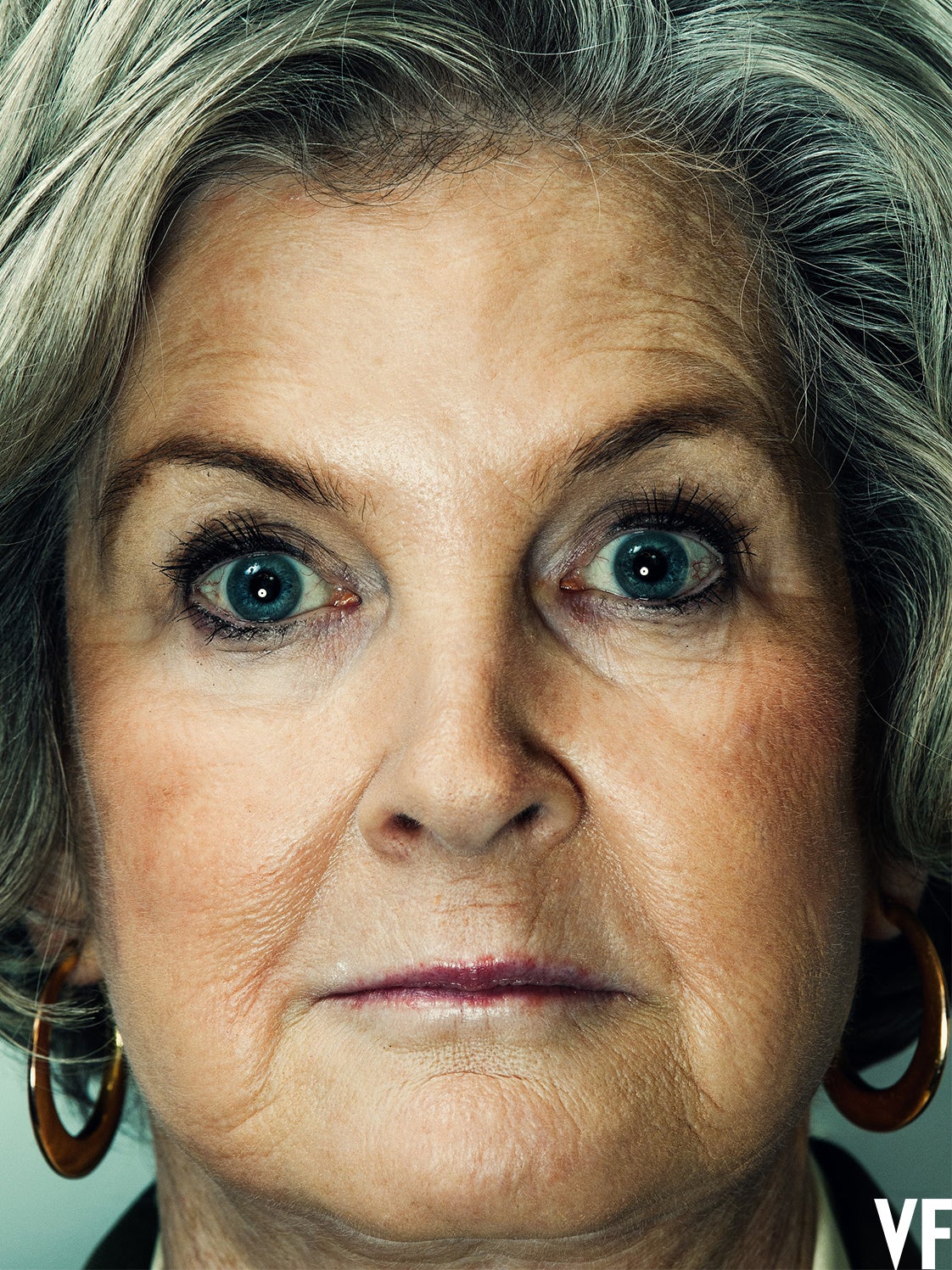
Maybe Wiles, like so many frontline politicians, is worried about her legacy, about how she will be written about in the years to come. She wanted her version of events to be out there before someone else had the opportunity to trample on her record. Maybe she thought – naively – that it would all come out fine. Maybe there was vanity in talking to Vanity Fair, with its glossy mix of glamour, celebrity and politics.
On the subject of which, she is photographed for this edition with JD Vance, Marco Rubio, Karoline Leavitt, Stephen Miller, etc – and there are also a series of ultra close-up photos of each of them where you sense the camera lens must have been mere millimetres away from their nostrils. These pictures have caused almost as much of a storm as the words that Whipple extracted from Wiles in the interview. On the Leavitt picture, social media sleuths say they can see the injection marks on her lips where the Botox needle has gone in. And in MAGAland they’re crying “foul”.
I suppose my first reaction when I looked at these pictures was why on earth did they agree to be photographed like that? How could you be so naive? But then maybe this is the explanation for everything. This is an administration which thinks it can do what it likes and control everything – so nothing will turn out badly. When, in reality, it is nothing like as savvy or clever as it would like people to think.
In her response to the interview, Susie Wiles has railed that her words were taken out of context, it was a “disingenuously framed hit piece”. Karoline Leavitt has amplified that. There have been complaints that the photographs were unkind. Is that it? Is that all they’ve got? When politicians start whining about context and framing, you know as a reporter and interviewer you’ve done your job.
Join our commenting forum
Join thought-provoking conversations, follow other Independent readers and see their replies
Comments
Bookmark popover
Removed from bookmarks