Britain is going backwards on Black rights
We have made progress in the UK and we have Black leaders in government, says Diane Abbott, the MP for Hackney North and Stoke Newington – yet ordinary Black Britons are still fighting for fairness in schools, jobs and justice


Black History Month is a good time to think about what progress we have made on race and migration issues here in Britain.
In 1968, Martin Luther King, in his final speech, told the vast crowd in front of him, “I have been to the mountaintop,” and continued, “I have seen the Promised Land. I may not get there with you. But I want you to know tonight that we, as a people, will get to the Promised Land.”
But sadly, in Britain, more than 50 years later, we are still far from the Promised Land in terms of race and migration. On the contrary, on some issues, we have stood still – or even gone backwards.
On the one hand, progress on representation has been spectacular. We have a Black female leader of the Conservative Party, a Pakistani-heritage home secretary, a Black Caribbean-heritage Lord Chancellor, and at least 90 Black and minority Members of Parliament.

But the reality of life for ordinary Black, Asian and minority ethnic (BAME) people in the community does not reflect the advances at the very top of society.
Education is one area where things have not progressed as they should. Overall, the results for BAME young people remain poor. Black pupils are more likely to be excluded, often at three times the rate of their white peers. Black pupils are more likely to go on to higher education, but they are far less likely to get higher grades, less likely to get into “prestigious” universities, or secure a highly skilled job.
Years ago, I set up a project called London Schools and the Black Child, working on Black educational underachievement. We held annual conferences attended by thousands of parents and teachers and had the support of the then junior education minister, Andrew Adonis.
But 30 years later, the Children’s Wellbeing and Schools Bill, currently going through Parliament, makes no mention at all of race. This year’s Children’s Wellbeing and Safeguarding Practice Review says there is “a significant silence in talking about race and racism in child safeguarding.”
Strikingly, the current secretary of state for education only ever talks about white working-class boys. It is as if she is signalling to Black parents that their children do not matter.
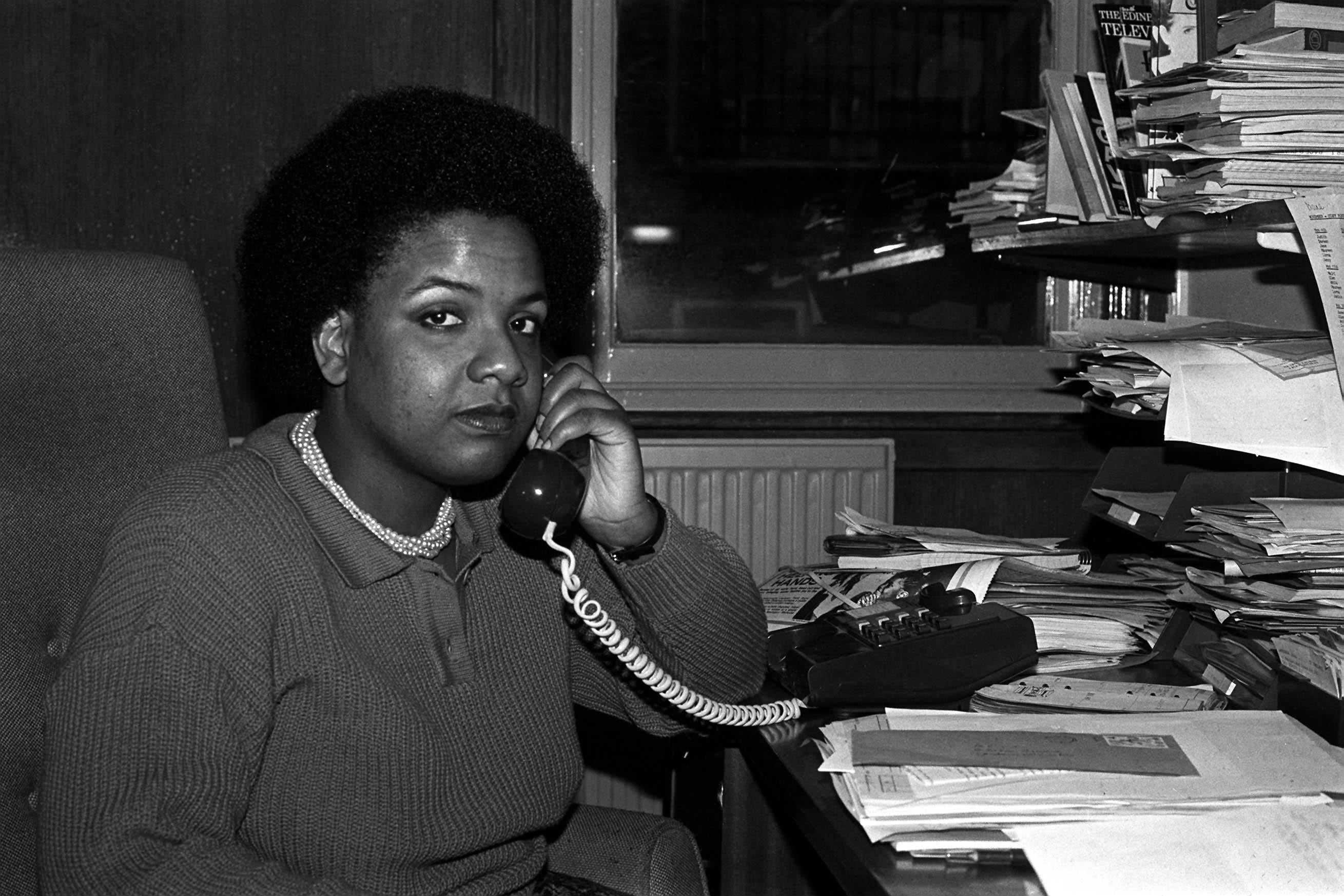
In the criminal justice system, there seems to be as much institutional racism as there ever was. The first race riots in the UK were the ones in Brixton in 1981, when over 300 people were injured and there was £7.5m worth of damage. These riots were triggered by the Metropolitan Police’s disproportionate use of stop and search. Over 40 years later, Black people are still being stopped and searched at four times the rate of white people.
Black people continue to face higher conviction rates, receive harsher sentences, and are more likely to be sent to prison, too. We may have a Black lord chancellor, but Black people are still under-represented in the Metropolitan Police force. Black people make up 13.3 per cent of London’s population, but they are just 3.5 per cent of Met police officers, and in the judiciary, Black judges make up only 1 per cent of the total. The combination of institutional racism in both education and the criminal justice system means that for many young Black people, their life chances are over before they begin.
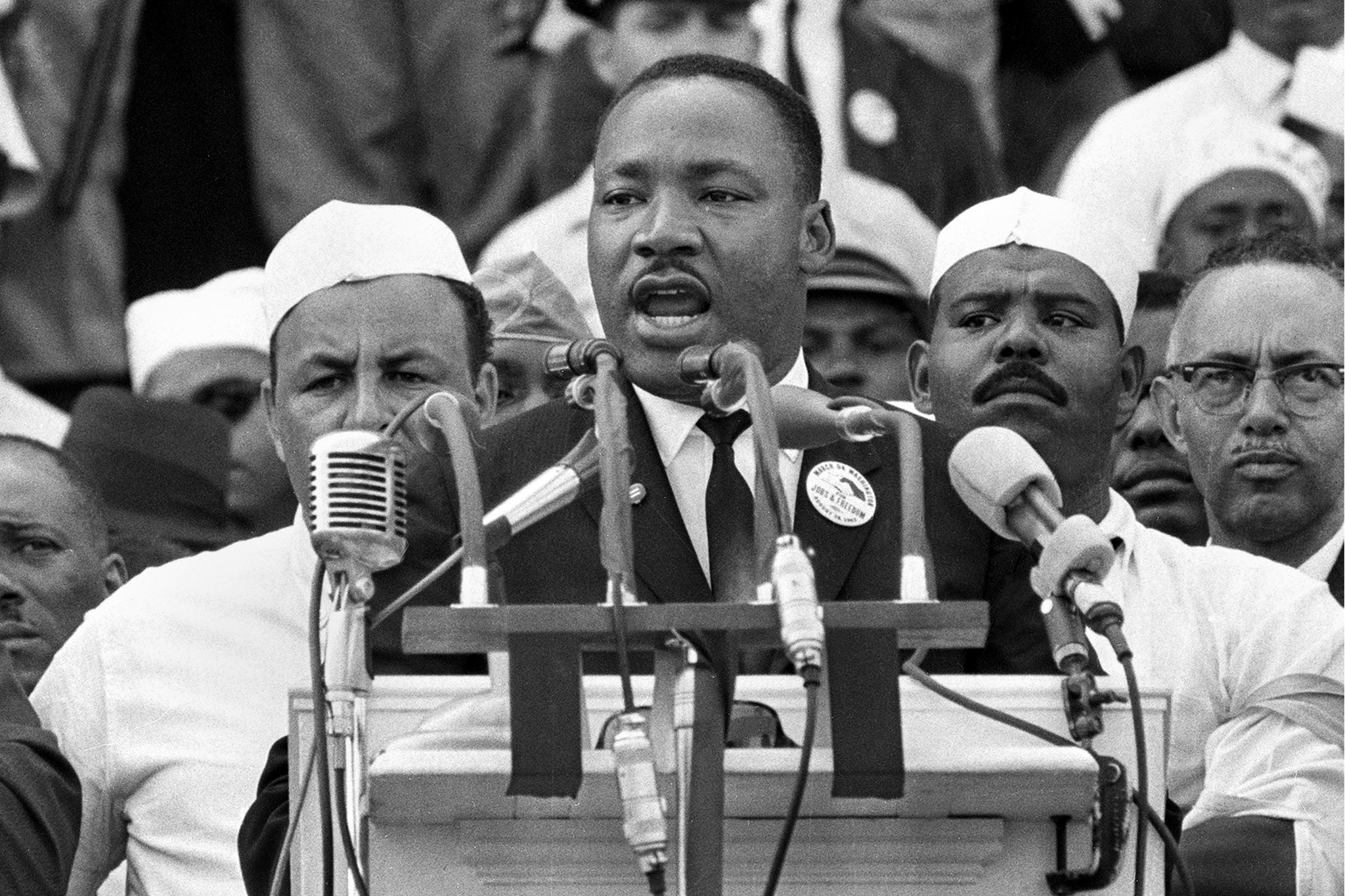
Martin Luther King’s most famous speech was “I Have a Dream”. He delivered it at a time of savage discrimination and all-enveloping racism. He went on to be assassinated. But the most important thing about that speech, and all his speeches, was not just the wonderful way he delivered them, but that he was always positive and always looked forward. So, although we should be realistic about the lack of progress Black people in the UK have made in some areas, we should also remain positive and continue to move forward.
Diane Abbott is the MP for Hackney North and Stoke Newington
Join our commenting forum
Join thought-provoking conversations, follow other Independent readers and see their replies
Comments
Bookmark popover
Removed from bookmarks