Is the UK countryside racist? In parts of it... yes
It’s no outrage that the state is trying to make the British countryside ‘less white’, says Mary-Ann Ochota... the only outrage is that it’s taken this long

Strap in, folks, and listen out for the dog whistle. Apparently, it’s an outrage that the government is working to make our most treasured national landscapes more welcoming, safe and accessible to everyone – or, as a new report commissioned by the environment department, Defra, put it, less of a “white environment” principally enjoyed by the “white middle class”. Shock horror.
Defra is helping the teams that manage national parks, national trails and national landscapes to make all visitors feel welcome, and support local communities to be thriving, diverse and sustainable places to live, work and visit. Erm, I’m still waiting for the bit I’m supposed to be outraged about.
My mum is Indian, my dad is Polish, I was raised in northwest England and I have family all over the world. So I feel confident saying that the truth is, making these landscapes welcoming to all is part of their legal duty and why these national parks, trails and landscapes were established in the first place. They were set up in the 1940s and 1950s at the same time as the NHS – one body was the National Health Service, and these wide, beautiful landscapes were the “natural” health service. Even back then, the government understood that access and connection to nature, to beauty, to history were essential for healthy bodies and minds in a nation recovering from war.
Then, as now, there was pushback. There were fears of an invasion of the “wrong sort” of people coming into the countryside. These dangerous types wouldn’t know what to do, how to behave; they would spoil the peace and quiet. Sound familiar? There were even fears that so many visitors would urinate in the Peak District that it might contaminate the reservoirs. Then, as now, the dog whistles drew out the racists, and everyone else scratched their heads in bafflement.
But the government cracked on with absolute conviction that it was the right thing for the nation. And they were right. In a recent poll by More in Common, commissioned by the Campaign to Protect Rural England, 91 per cent of people surveyed said they thought the British countryside was special. The countryside makes them feel happier, calmer, uplifted. Protected landscapes and national trails encompass more than 25 per cent of England’s land and a staggering 4,900 miles of trails and verges. And Everyone. Is. Welcome.
“Is the countryside racist?” some ask. Just like our towns and cities that have seen racist riots, violent protests and flag campaigns, the answer is yes, in parts.
The demographic profile of Britain shows that people from visible ethnic minorities are statistically less likely to live in rural areas. So whether a resident or a visitor, you’re more likely to be – and feel – in the minority in rural Somerset compared with central Bristol. White and white-passing people have the luxury of being anonymous. If you’re the only hijabi in the car park, you’ll probably draw attention. Sometimes that’s curiosity, sometimes outright hostility. But either way, being noticed as “other” is a burden.
No, the countryside itself – the rabbits, the trees, the mosses – don’t care what colour you are, whether you use a wheelchair, what pronouns you use, whether you do or don’t cover your hair and why. But the people in the car park might, and for many underserved communities, that’s a risk they’re not willing to take.
That’s why this government-backed work is important. Because the clue is in the title – national parks, landscapes and trails are landscapes for the nation. The management teams in these places have always been doing this inclusion work and raising awareness of the solutions; it’s just that there’s a renewed understanding of how much there is still to do, and thankfully, support from central government to do more.
Many countryside communities are already committed to making their places welcoming to all. They’ve lobbied for funding to install accessible toilets, set up places where visitors can get non-alcoholic refreshments, and posted advice and key information in languages other than English.
Many of these national, local and grassroots groups and movements are part of All the Elements, a joyful, supportive network of like-minded people working to make change happen and grow a countryside for all. What’s not to like?
More people are spending money in rural businesses, understanding and caring for nature, restoring their mental health and wellbeing. More places that are weaving threads of community, rather than sitting back and saying it’s all hopeless, things have gone to the dogs, the country is “broken”. If there’s one thing that nature teaches you, it’s that if you nurture something, it will grow.
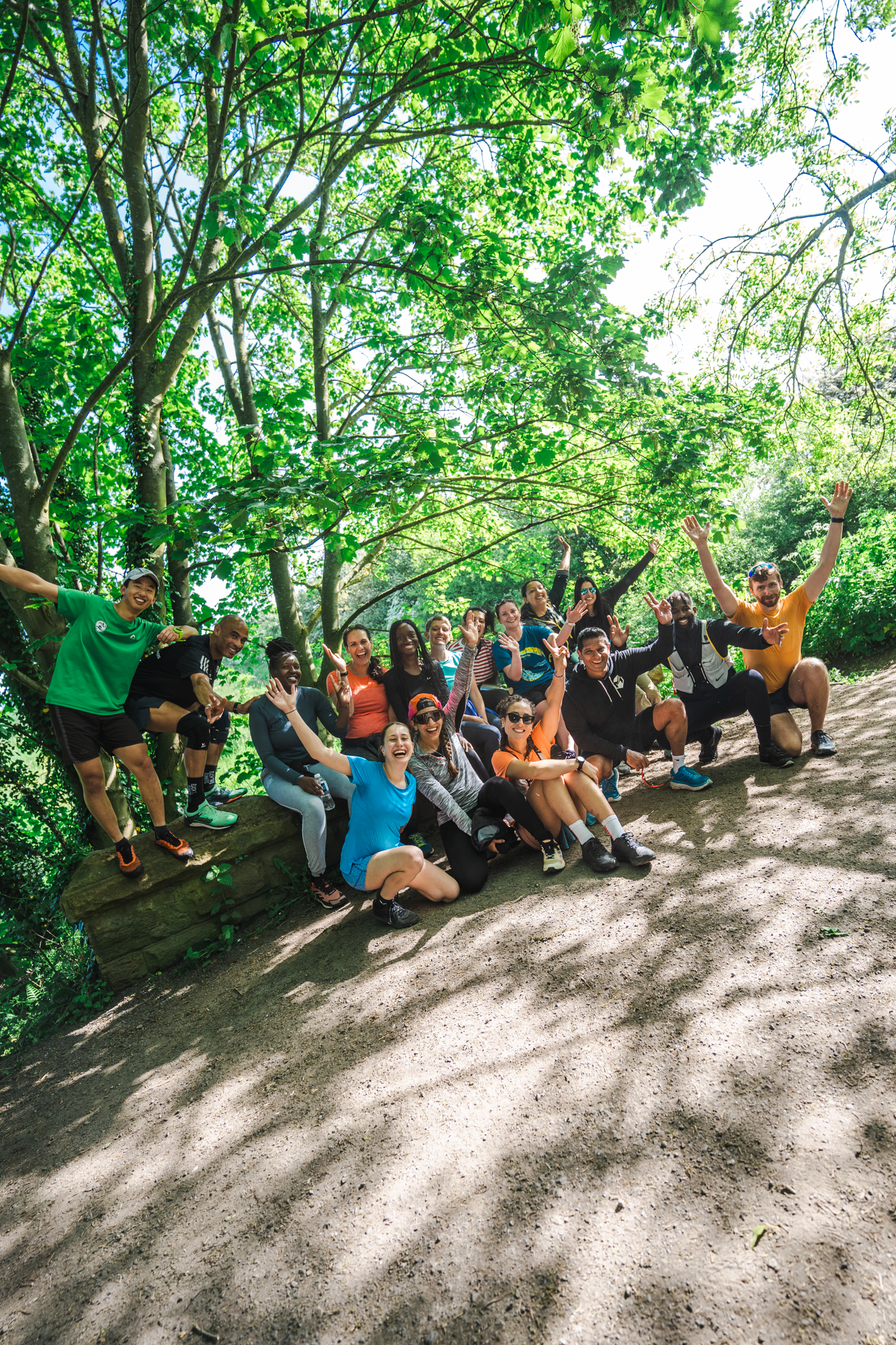
And if you’re a visitor or a would-be visitor, know that just like anywhere, you might have a bad experience. But many people will step up and step in. And affinity groups are waiting to support you to access the countryside – from hiking to forest bathing to climbing and biking.
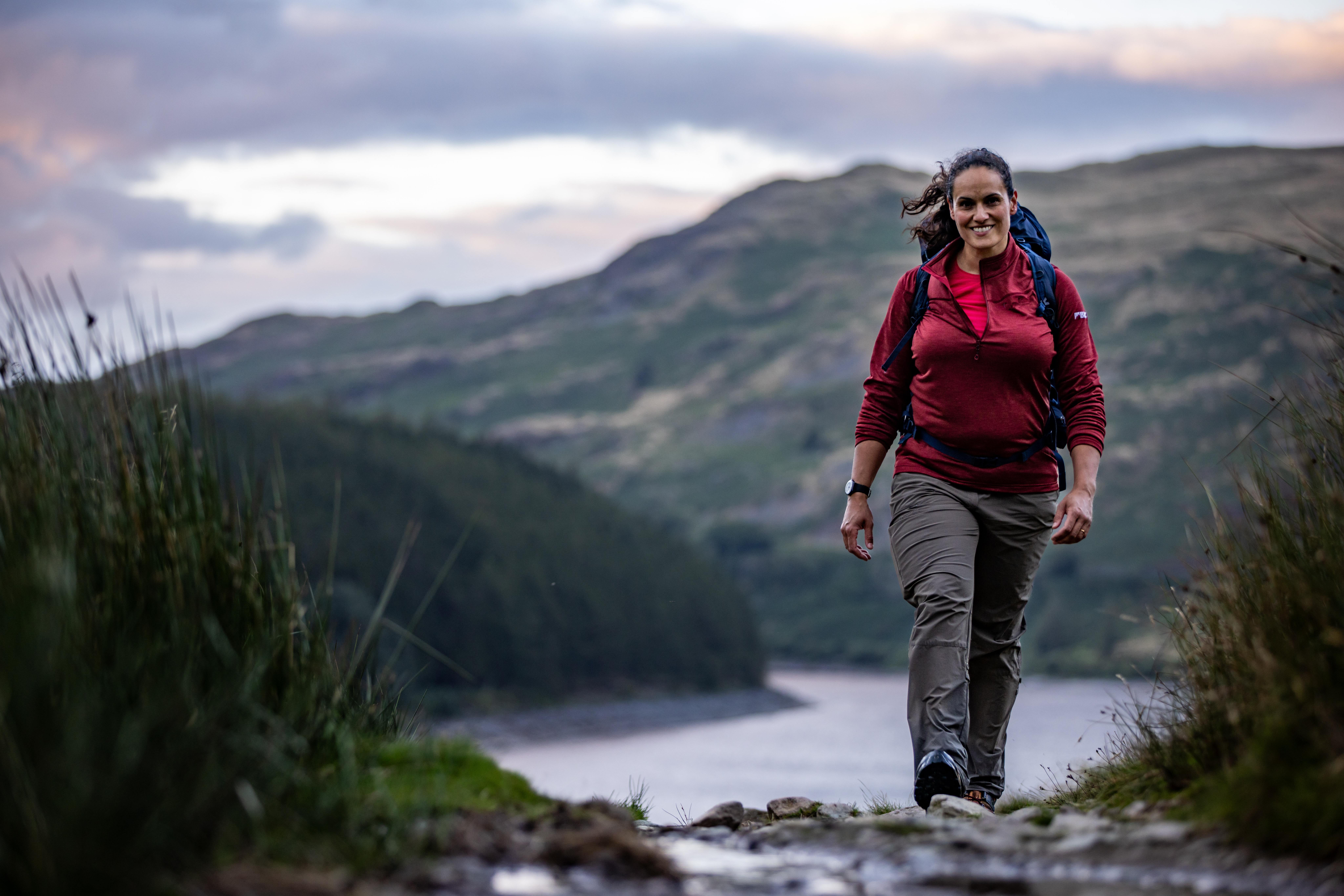
They’ll help you get started, and meeting in a group means you aren’t going to feel isolated. And you’ll probably make new friends who like the things you do. People of colour police each other too – so if you’ve got a bunch of friends asking why you’re doing all those “white” activities, push back, call it out as racist, and go find your people. They’re probably in a car park, waiting for you to get your boots on.
Mary-Ann Ochota is president of the Campaign to Protect Rural England, the chair of the Protected Landscapes Partnership, a patron of the British Mountaineering Council and a proud member of All the Elements, a network supporting communities and leaders working to diversify the outdoors, alltheelements.co
Join our commenting forum
Join thought-provoking conversations, follow other Independent readers and see their replies
Comments
Bookmark popover
Removed from bookmarks