Why Gozo is Malta’s most soulful island escape
Gozo is Malta at its most relaxed, with ancient temples, cliff-top walks, village festas and breathtaking nature offering a quieter Mediterranean escape

.jpg)
Gozo is Malta’s quieter, greener sibling. Just a 40-minute ferry from Valletta for foot passengers, or 25 minutes for passengers with vehicles from Ċirkewwa, it’s close enough to be reached with minimal effort, yet far enough to feel like a world away. For those who like their holidays calm yet bubbling with culture and chock-full of nature, Gozo fits the bill perfectly.
Life on this island moves at a languorous pace, shaped by tradition, landscape and a deep-rooted sense of community. Come expecting sunshine and sea (there’s plenty of both), but what stays with you is the magic of this dinky little island, and the laid-back rhythm that sets it apart from its bustling neighbour.
Gozo’s way of life
On Gozo, mornings are for time spent sipping coffee in village cafés, where locals gather to gossip in sunny squares. Shopkeepers will chit-chat with you while church bells mark each hour, and nobody seems to be in much of a rush.
Each village has a parish church at its heart, and community is very much a part of the way of life here. In summer, weekends are often spent at festas – lively celebrations honouring patron saints – enjoyed to the clang of brass bands with lots of street stalls and fireworks. But even outside festival season, there’s a sense of togetherness here that’s pretty hard to find elsewhere.
Layers of history in a small landscape
Gozo may be small, but it punches well above its weight when it comes to history and old sites, with the star attraction being the Ġgantija Temples, a Unesco World Heritage Site and among the oldest free-standing structures on Earth.
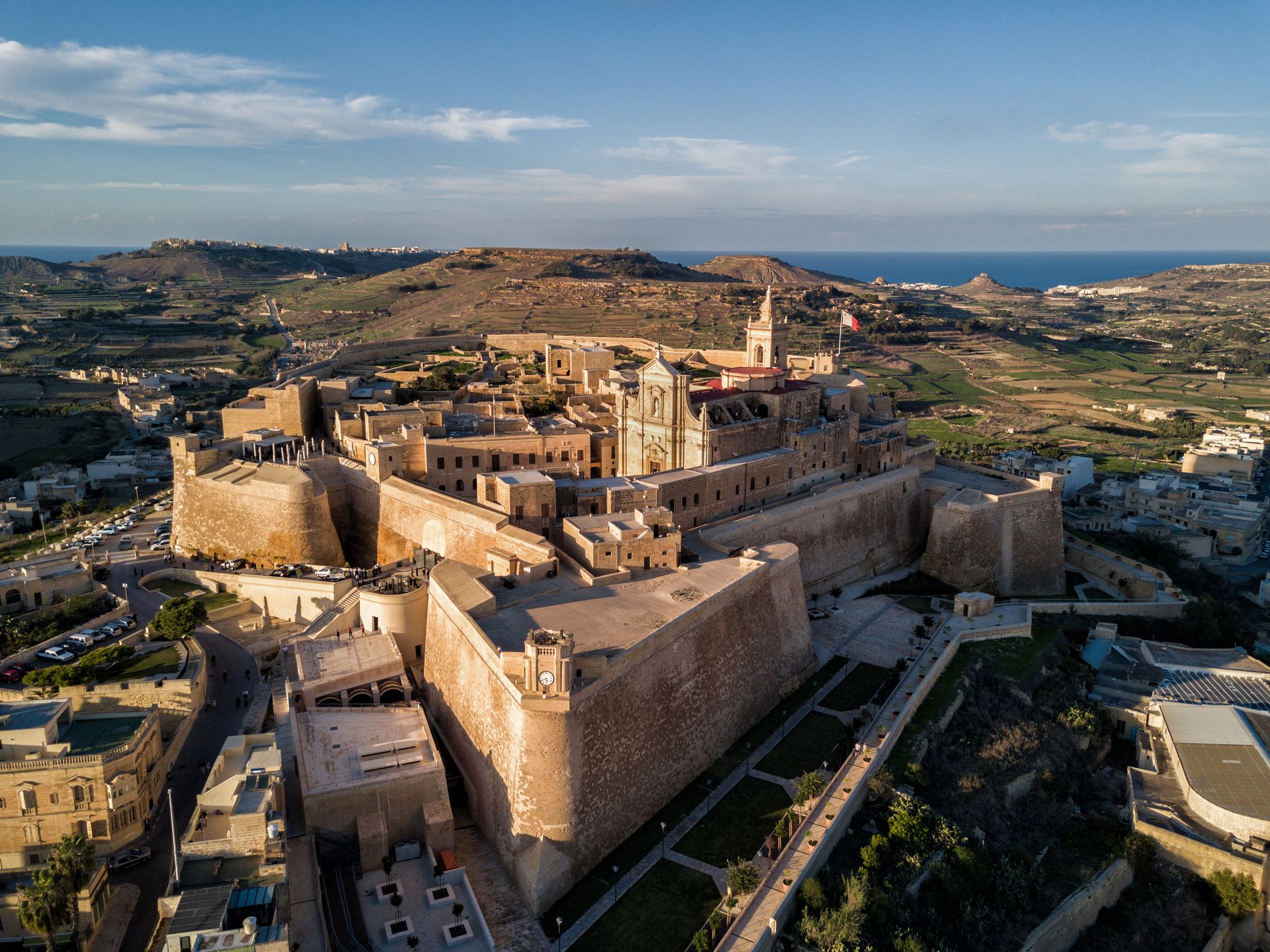
In Gozo’s capital, Victoria, the Cittadella soars above the town, its fortified walls housing museums and a maze of narrow streets, boasting panoramic views across the island. Much of what you see there today was shaped by the Knights of St John in the 17th century, when the Cittadella also served as a nightly refuge from passing raiders.
Baroque churches pop up all over the island, such as St George’s Basilica, the Rotunda of Xewkija, and the sanctuary of Ta’ Pinu, each a pretty reminder of how faith and tradition continue to shape everyday life there.
Nature, coastlines and open space
Gozo is a dream for hikers, with more trails than you can count on two hands, threading through countryside and between carob trees, before spilling out onto dramatic cliff edges. Ta’ Ċenċ and Sanap deliver some of the island’s most impressive views, while routes like the Xagħra Trail and the Saltpan’s Walk add a slice of history and local myth to the walk.
If you’re solo or just want a little extra direction, the Experience Gozo app is free to download from your preferred app store, and presents a handful of curated self-guided walks that take visitors through some of the most beautiful places on the island.
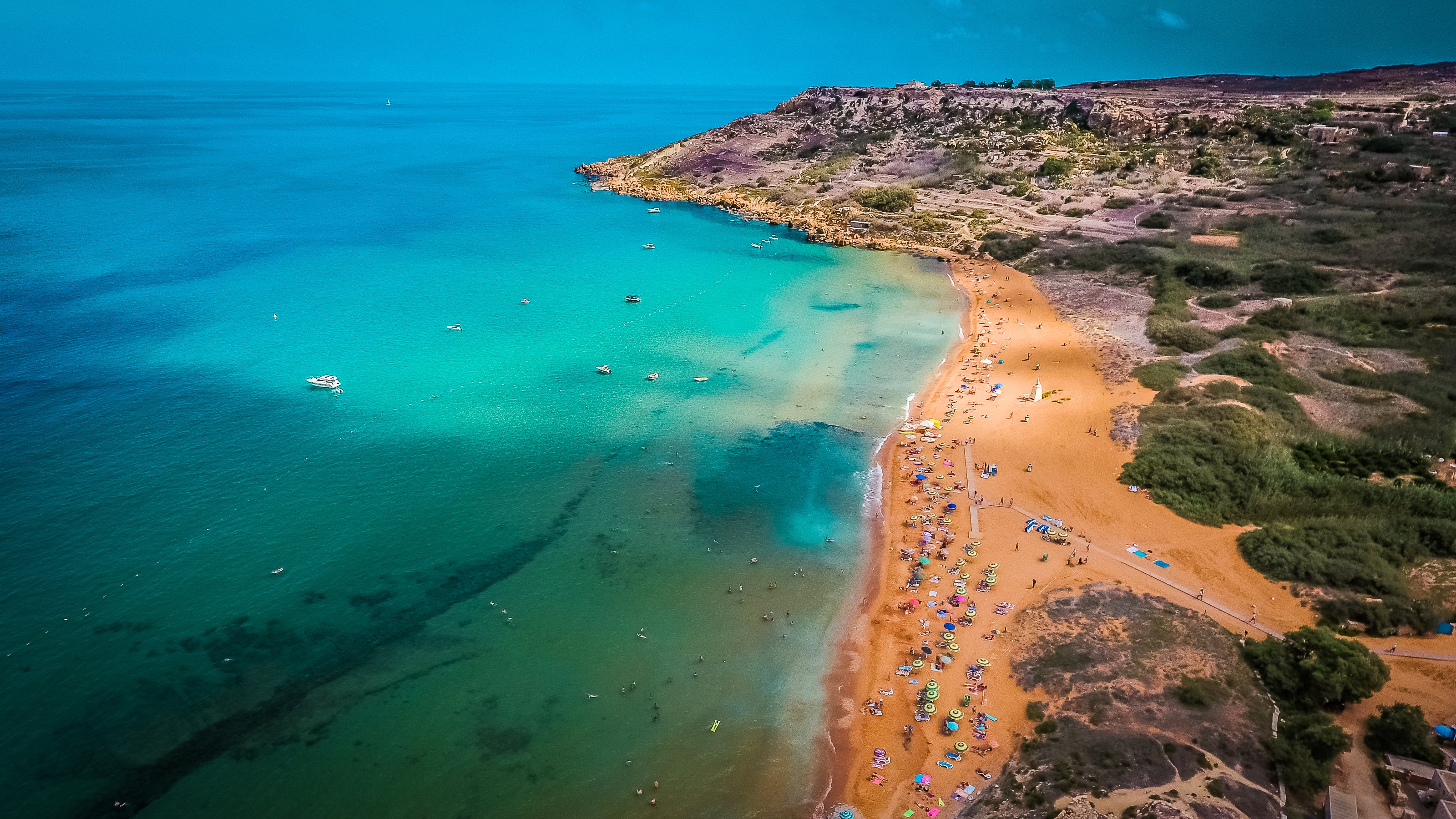
Ramla Bay on the coast boasts burnt-orange sand that feels desert-like, ideal for soaking up the sun and taking a dip in the turquoise waters.Xlendi and Marsalforn are slightly more sheltered and equally perfect for swimming and snorkelling. There’s also Dwejra Bay’s striking rock formations, as well as Wied il-Għasri’s narrow inlet, tucked between steep cliffs and reached by a short clamber down.
Snorkelling and diving around Gozo is a major draw for many, with clear visibility and incredible underwater landscapes teeming with all kinds of marine life. Keep your eyes peeled for octopus, moray eels, colourful wrasse and passing schools of fish everywhere here.
If you prefer to stay dry, boat trips are one of the best ways to see the coastline, and Comino, with its famous Blue Lagoon, is an easy day trip. It’s one of those must-see spots, despite being slightly more popular and busier (for good reason).
Eating, drinking and local flavours

You don’t get much more seasonal than the food found in Gozo, where menus evolve with the harvest, and a lot of the ingredients come from just down the road. The cuisine here is shaped by Italian, North African, and Middle Eastern influences, and by a landscape that produces excellent fruit, vegetables, and wine under near-constant sunshine.
Gozitan cheeselets, ġbejniet (small, fresh sheep’s cheese), appear everywhere, and pillowy ftira is constantly baking in village ovens. Pastizzi are a staple at any time of day, signature flaky pastries filled with ricotta or peas, while ħobż biż-żejt, crusty bread with tomato, olive oil and fillings, tastes even better eaten right by the sea.
When village festas are taking place, trays of imqaret and qubbajt are everywhere (the island’s date pastries and nougat), and when the evenings cool down a little, bowls of hearty, golden minestra soup and garlicky aljotta warm you from the inside out, as well as just-caught grilled fish dressed with tomatoes and local capers.
Gozo beyond summer
One of Gozo’s triumphs is that it never really slips into hibernation. Thanks to its mild Mediterranean climate, the island remains comfortably walkable and sunlit long after much of Europe has wrapped up for winter, making autumn, winter and early spring especially appealing times to visit.
The crowds thin, the countryside turns green, and the cultural calendar keeps ticking: Christmas brings illuminated villages, nativity trails and festive concerts; Carnival fills the streets with colour; Easter is marked with moving processions and pageantry; and spring ushers in food festivals, village events and the island’s celebrated Opera Season.
For more information and to start planning your trip to Gozo, including the best experiences and places to stay, go to visitgozo.com/explore
Bookmark popover
Removed from bookmarks