Everything travellers need to know about Zika virus 10 years after epidemic
The NHS warns pregnant women to ‘consider avoiding travelling to a country with a risk of Zika virus’
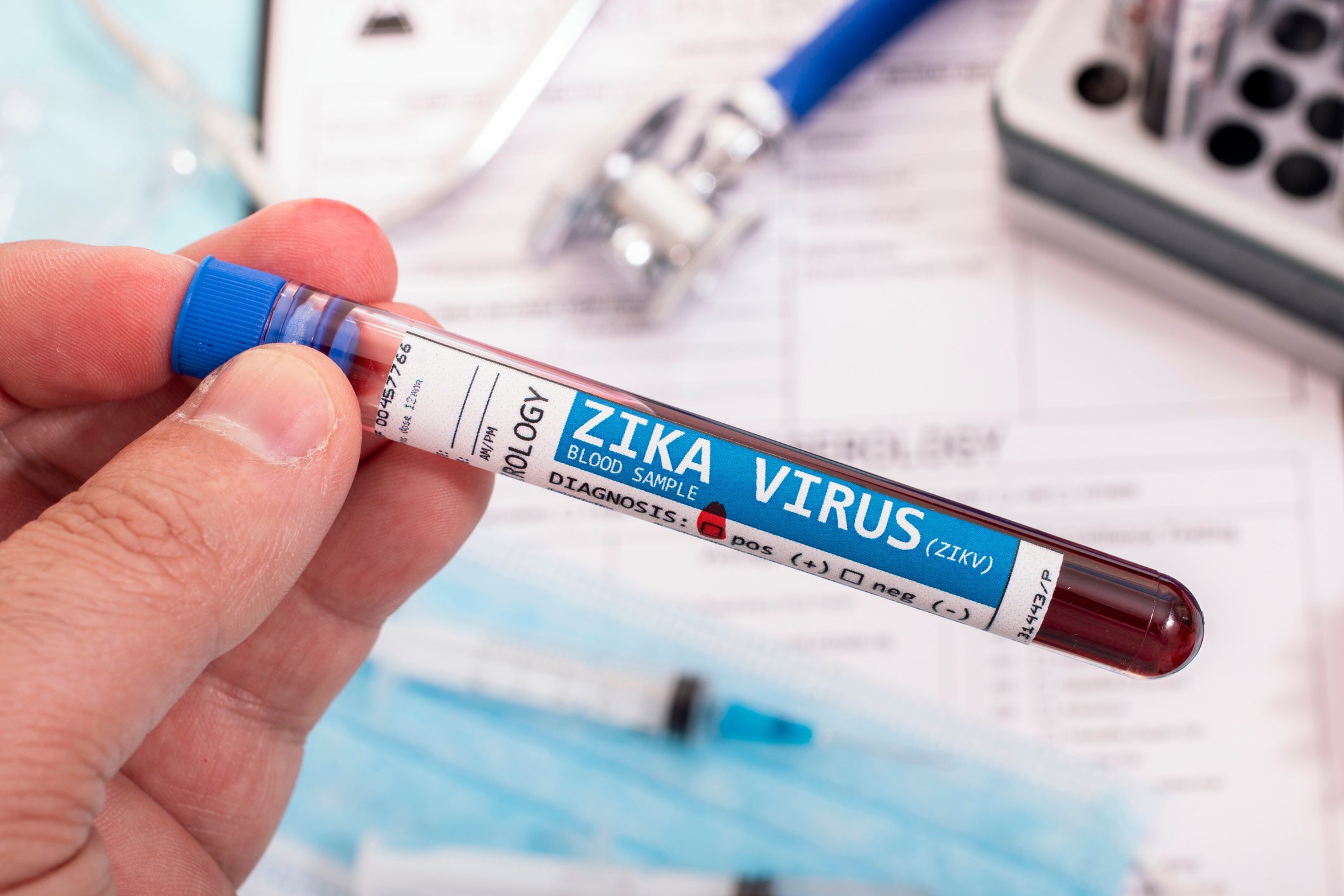
On 1 February 2016, the World Health Organisation (WHO) declared a Public Health Emergency of International Concern (PHEIC) due to a serious outbreak of the Zika virus in Brazil.
Zika virus, a mosquito-borne infection that can cause serious pregnancy complications, usually shows up in travellers with only mild symptoms.
The epidemic of Zika fever began in Brazil with an estimated 1.5 million cases of infection that spread into 75 countries worldwide by the end of 2016.
Although the virus is not currently experiencing a global outbreak, risks still remain.
Here’s everything travellers need to know to stay safe from the threat of Zika 10 years after the outbreak.
Read more: Nipah: What travellers need to know about the deadly virus outbreak
What is Zika virus and how is it spread?
Zika virus is a mosquito-borne infection that usually causes mild, short-lived symptoms.
The virus was first isolated from a monkey in Uganda’s Zika forest in 1947 and is mainly spread to humans by mosquito bites.
What are the symptoms of Zika virus?
Most people experience few or no symptoms if they become infected. If you do have symptoms, they are usually mild and last around two days to a week.
According to the NHS, the most common symptoms of Zika virus include a high temperature, a headache, sore and red eyes, swollen joints and muscle pain, and an itchy rash all over the body.
What is government travel advice?
The UK Health Security Agency (UKHSA) says that the Zika virus is thought to be endemic in the Americas and Caribbean following the 2015 to 2016 outbreak.
UKHSA adds that the public health risk of travellers returning to the UK is “negligible” as the mosquito that transmits the virus is not found in the UK.
Where is Zika virus most common?
Zika virus is most commonly found in parts of South and Central America, the Caribbean, the Pacific islands, Africa and Asia.
Specific outbreaks been recorded in Brazil, Mexico, Colombia and Puerto Rico.
According to the WHO, a total of 86 countries and territories have reported evidence of mosquito-transmitted Zika infection.
The mosquitoes that carry the virus have not been found in the UK.
What are the risks for pregnant women?
Problems during and after pregnancy can occur in travellers exposed to Zika.
Serious problems, including microcephaly, a rare neurological birth defect where an infant's head is significantly smaller, a premature birth, stillbirth and problems with the baby’s brain, hearing and eyesight are all complications of the virus.
The NHS warns travellers to “consider avoiding travelling to a country with a risk of Zika virus” if you're pregnant or planning a pregnancy in the near future, as Zika can “seriously harm your baby”.
Can I get a Zika virus vaccine?
No, there is currently no vaccine or medication available to prevent or treat the Zika virus infection.
Symptoms are usually treated with rest, fluids and pain relief, including paracetamol, said the NHS.
How can travellers protect themselves against the effects of Zika virus?
Couples are advised to use condoms when having sex in areas where the Zika virus is found.
For males, the NHS says to continue to use condoms for three months if both you and your partner have returned from a country with a Zika virus risk, or if you have travelled alone.
Women are told to continue condom use for two months if they have returned from a country with a Zika virus risk after travelling alone.
Read more: What travellers need to know about Shigella
Join our commenting forum
Join thought-provoking conversations, follow other Independent readers and see their replies
Comments
Bookmark popover
Removed from bookmarks