F1 tech deployed to speed up wifi on GWR trains
Exclusive: ‘If you can't improve the journey time, it's about improving the time on the journey,’ says Peninsula Transport lead officer
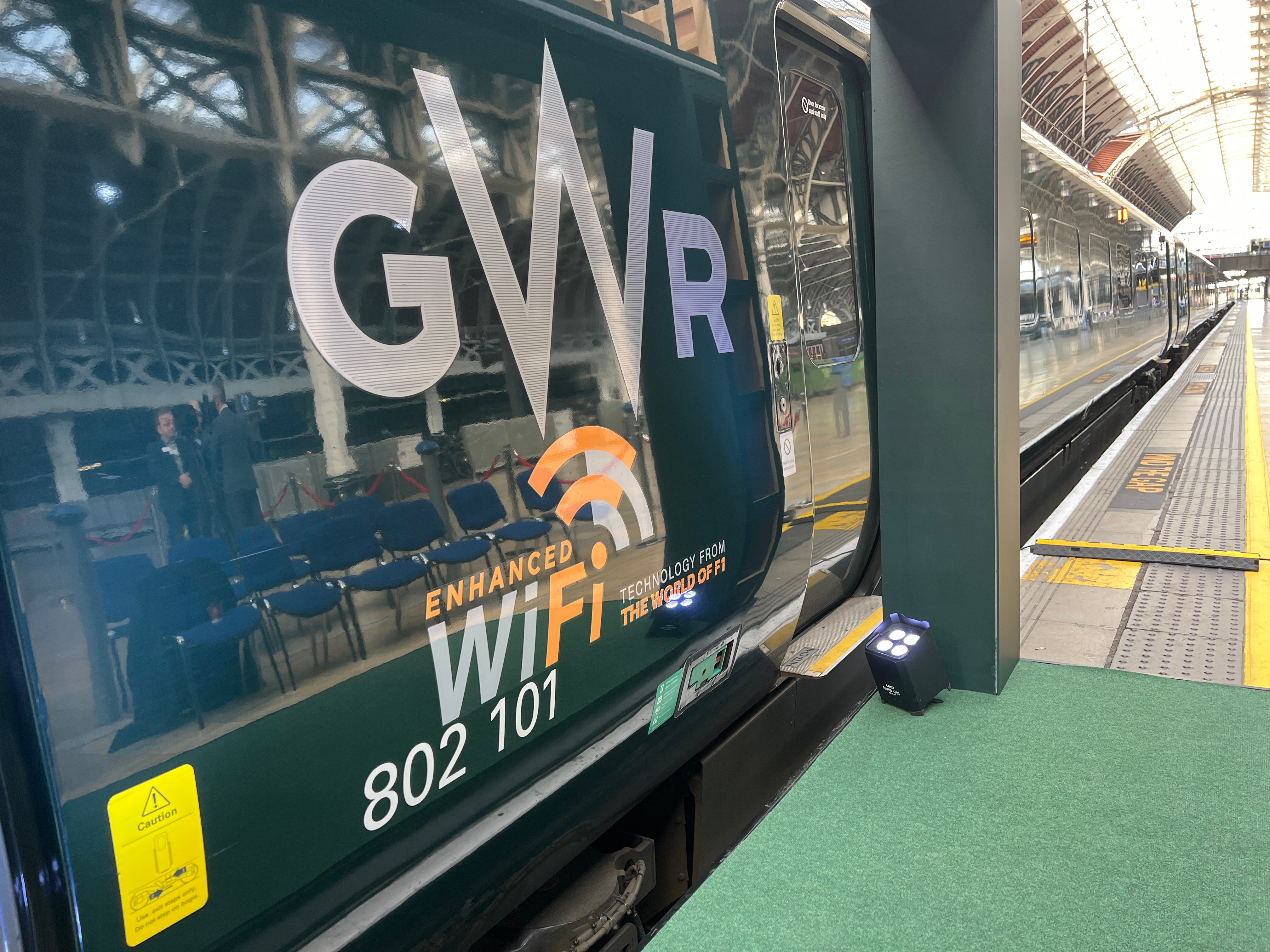
Could Britain’s rail passengers finally be able to access reliable high-speed wifi as they travel? That is the hope of Great Western Railway (GWR), which is harnessing “the transfer of technology from the world of Formula 1 to rail.”
GWR has kitted out a 125mph Intercity Express Train with “next generation” wifi technology from motorsport – where teams depend on robust links with drivers.
The train operator says the pilot “will set a new national benchmark for the rail network.”
While most train operators offer onboard wifi, it is often so slow and unreliable as to be unusable. Many passengers who want to work or stream video instead try to hotspot from their phones, only to find their journey is full of “notspots” with no connectivity.
Research by The Independent found the rail wifi performance currently is best on Greater Anglia and LNER. In contrast, connectivity on GWR is generally poor, particularly on the main lines connecting London with Devon and Cornwall, Bristol and South Wales.
The pilot aims to transform the onboard digital experience for rail passengers. A hybrid system will combine signals from ground-based cellular masts and low earth orbit satellites.
The aim is to provide high quality wifi without having to investing costly trackside infrastructure.
The system is provided by Motion Applied – which has been working on motorsport communications links since 1989, when it kitted out Michael Schumacher's pre-F1 car, a Mercedes Benz C9.
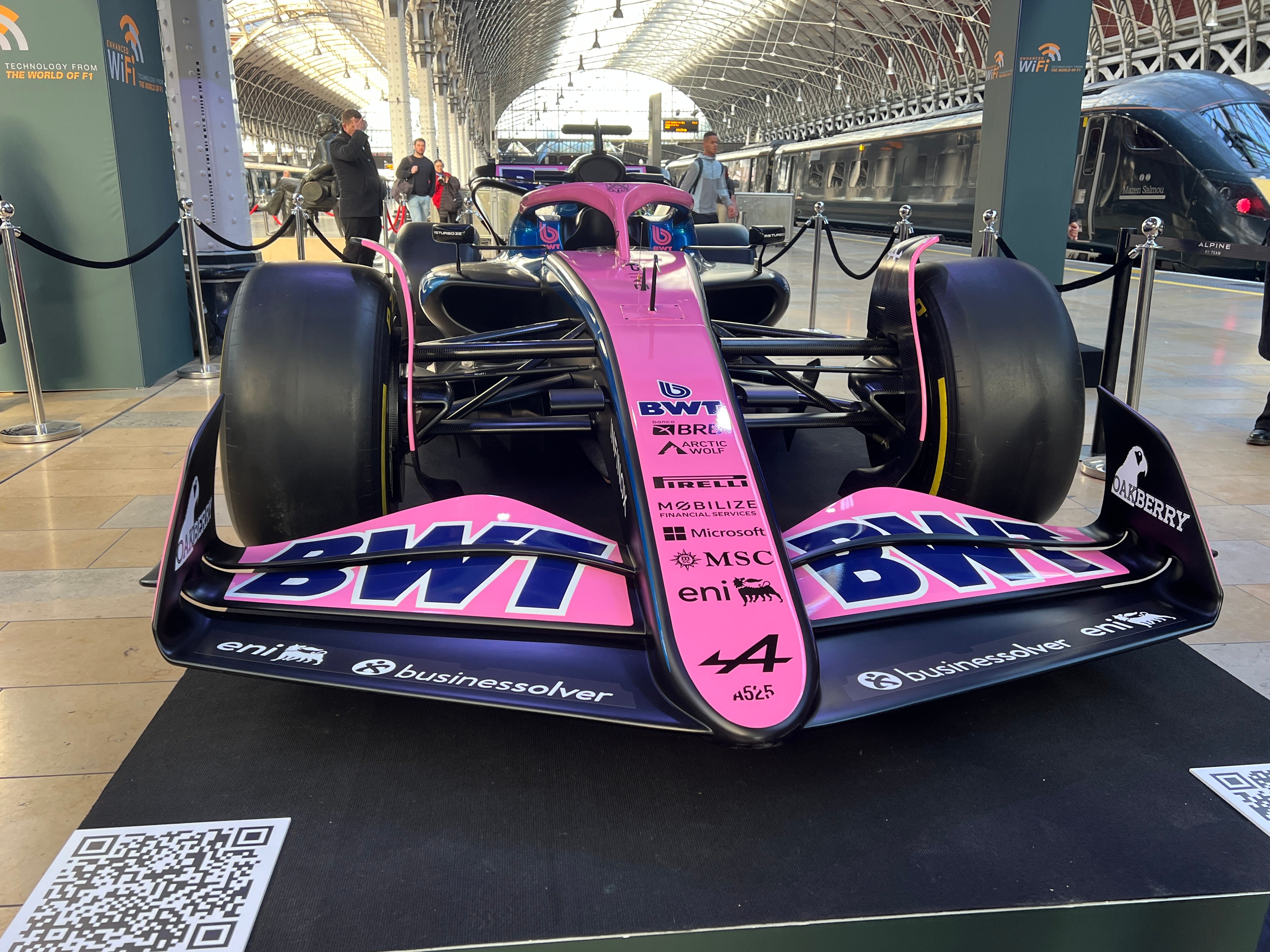
Speaking at London Paddington, rail minister Lord Peter Hendy said: “Great British Railways must aspire to high-quality wifi across the network.”
The chairman of the company, Nick Fry, said: “The challenges faced in transmitting data to and from a fast moving train have many parallels with motorsport and the application of our industry-leading data link aggregation systems specifically tailored to the unique demands of rail will provide an improved customer experience using racing technology.”
The train operator, GWR, is working with Network Rail and the Peninsula Transport partnership – representing local authorities in Cornwall, Devon and Somerset.
Nigel Blackler, lead officer for Peninsula Transport, told The Independent: “Journey times between Paddington and stations in the southwest take four to five hours, with little prospect of those times improving significantly in the future.
“If you can't improve the journey time, it's all about improving the time on the journey. And for our passengers, that's about better wifi connectivity both for business users and for leisure travellers.”
In September, LNER completed a programme to install new mobile phone masts between Newcastle and Berwick-upon-Tweed to improve wifi on the East Coast Main Line in the far north of England.
Read more: Seven of the best places you can get to on the Eurostar from London
Join our commenting forum
Join thought-provoking conversations, follow other Independent readers and see their replies
Comments
Bookmark popover
Removed from bookmarks