Nepal proposes stricter rules for Mount Everest climbers
The legislation aims to reduce the number of medical emergencies on the world’s highest peak
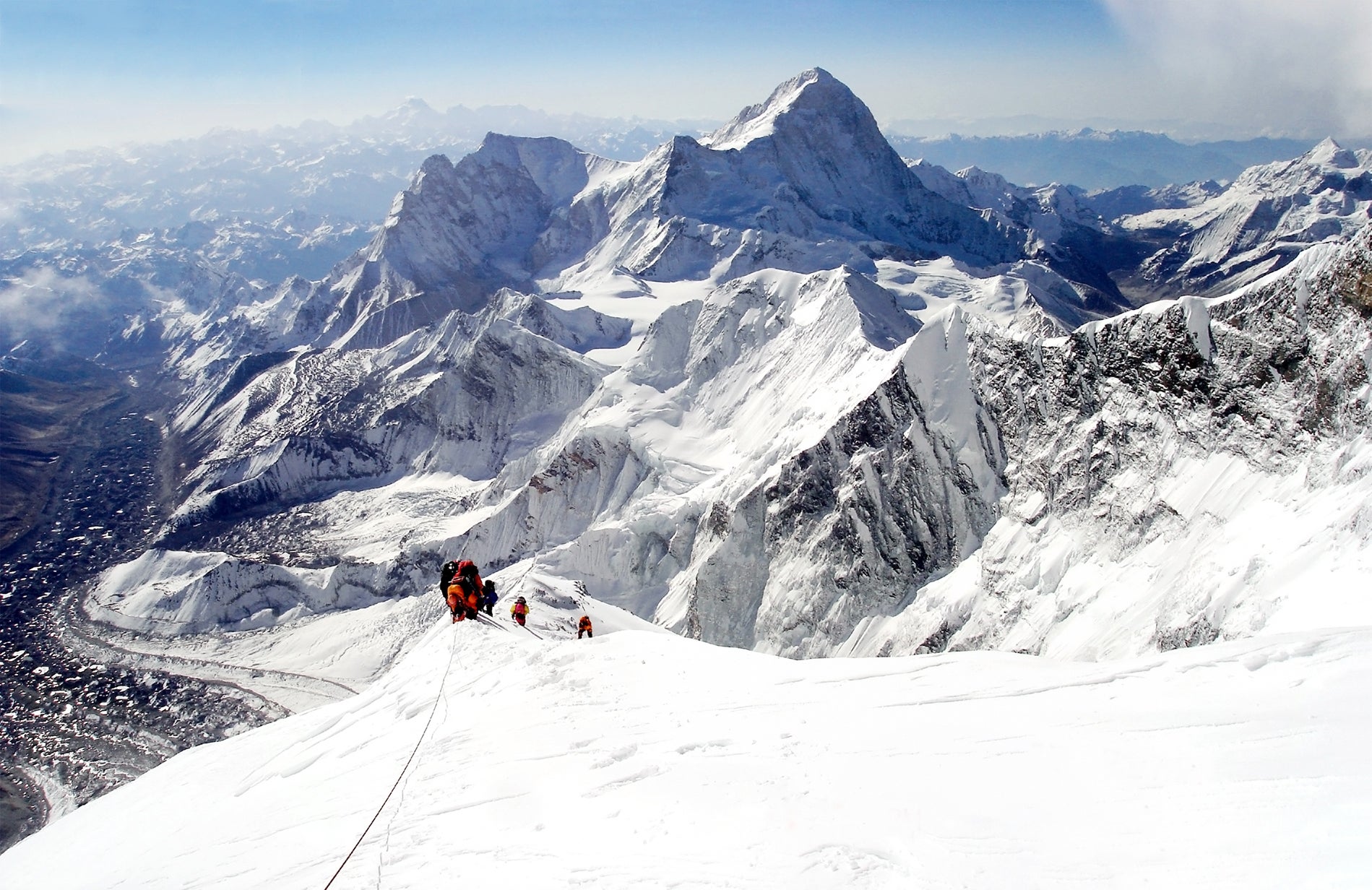
Mountaineers hoping to conquer the highest peak on Earth could now need to prove they have prior experience before they are permitted to join an expedition.
Mount Everest, standing at over 8,800m above sea level, is the one summit that every serious climber hopes to complete in their lifetime.
However, the climb from Base Camp is notoriously difficult. It typically takes around 70 days and involves freezing temperatures, low oxygen and the risk of avalanches.
The upper house of Nepal’s National Assembly unanimously endorsed a new tourism bill to introduce tighter rules, The Kathmandu Post reported.
It will now move to the House of Representatives (the lower house) after it convenes in March, when a general election is scheduled to take place.
If the law is confirmed, a permit to climb Everest will only be granted to applicants who have previously summited at least one other Nepalese mountain higher than 7,000 metres.
Climbers would also be required to provide a recent health certificate to reduce medical emergencies at high altitude.
Applications would be submitted to the Department of Tourism before an expedition, including a detailed mountaineering plan, relevant fees and supporting documents.
The legislation allows the department to decline permissions to those who might be at risk when climbing.
The bill also includes the establishment of an Environment Protection, to reduce the amount of litter and human waste left on the mountain. A Mountaineers’ Welfare Fund to finance support staff has also been proposed.
Since 2014, Nepal has required every climber ascending above Everest’s base camp to bring back at least eight kilograms of solid waste or forfeit a $4,000 (£2,961) deposit.
If the bill becomes law, authorities hope to convert the deposit into a non-refundable fee, dedicated to conservation and cleanup activities, the local publication wrote.
The environmental action comes after increasing criticism of the frozen litter left along the trail up to the summit.
The law also consolidates who is liable for emergencies on the mountains, as well as the length of time someone has to be missing until they are declared dead, which is one year.
The bill is expected to be one of the most comprehensive revisions of Nepal’s mountaineering rules, but it could take at least three months for it become law once the lower house is again in session.
It is estimated that more than 300 people have died on Mount Everest, including five in 2025 and eight the year previously, according to Outside Magazine.
The Independent has contacted Nepal’s Tourism Office for comment.
Read more: Mount Everest's highest camp is littered with frozen garbage, and cleanup is likely to take years
Join our commenting forum
Join thought-provoking conversations, follow other Independent readers and see their replies
Comments
Bookmark popover
Removed from bookmarks