Japan welcomes record 40 million tourists in 2025 – but Chinese visitor numbers crash
Chinese arrivals dropped sharply amid diplomatic tensions sparked by Japanese prime minister’s remarks over Taiwan
Japan welcomed a record number of foreign tourists last year, with arrivals surpassing the 40-million threshold for the first time.
In all, the East Asian country received 42.7 million visitors. Announcing the milestone on Tuesday, tourism minister Yasushi Kaneko said the surge meant Japan was on track to achieve the target of 60 million visitors annually by 2030.
The jump marks the second consecutive year of record-breaking tourist numbers. The country received 36.87 million foreign visitors in 2024 and the momentum carried into 2025 as travellers from overseas injected 9.5 trillion yen into the economy, up from 8.1 trillion the previous year.
However, visitor trends varied significantly by country. Travel from China, traditionally the largest source market for tourists to Japan, dropped sharply late in the year.

In December alone, Chinese arrivals fell by 45 per cent after Beijing limited outbound tourism to Japan amid escalating diplomatic tensions.
The tensions were sparked by Japan’s prime minister Sanae Takaichi remarking that Tokyo could be drawn into the conflict if China were to make a move against Taiwan.
China maintains that it reserves the right to use force to “reunify” the self-governing island, which it considers a part of its territory, with the mainland.
Ms Takaichi said instability in the Taiwan Strait could prompt the mobilisation of the military if it was deemed an “existential threat” to Japan, prompting a sharp backlash from Beijing.
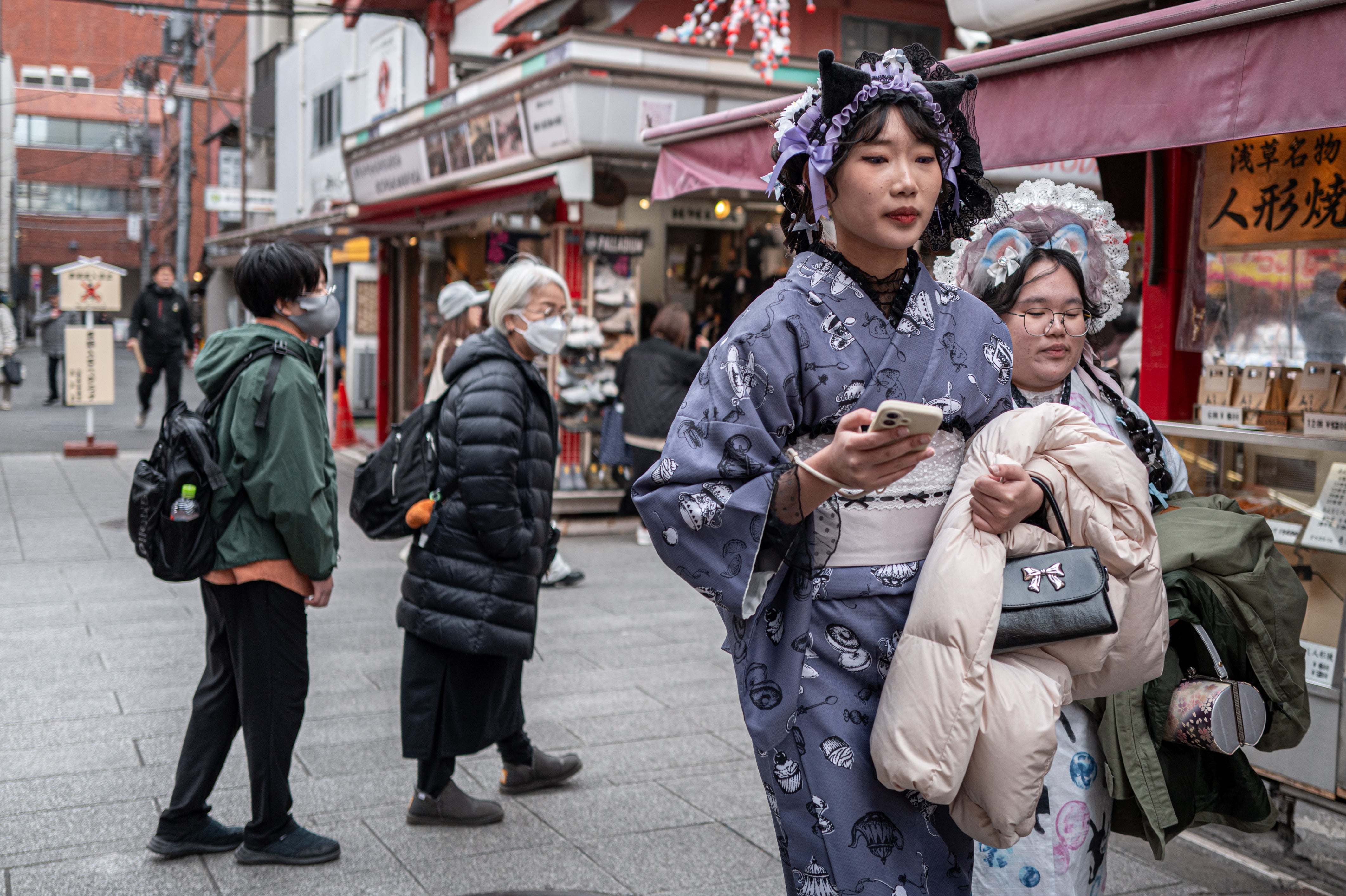
In spite of the negative trend later in the year, the total number of Chinese visitors in 2025 still rose by about 30 per cent compared with the year before, The Japan Times reported.
Given that bilateral relations are yet to improve, Japanese officials expect arrivals from the neighbouring country to decline during the Chinese New Year period in February.
Mr Kaneko sought to play down the drop in Chinese numbers, pointing instead to the overall annual tally and describing it as a “significant achievement”.
“While the number of Chinese tourists in December decreased, we attracted a sufficient number of people from many other countries and regions to offset that,” he said. “We also hope and want to make sure that Chinese visitors will return to us as soon as possible.”
Government data showed that Asian countries collectively accounted for the largest share of inbound travellers in 2025 and that combined visitor numbers from Europe, the US and Australia rose 22 per cent year on year.
.jpeg)
Japan’s enthusiasm for welcoming more tourists has not been without challenges, not least concerns about over-tourism. In some cases, inappropriate behaviour by visitors or cultural misunderstandings have caused friction within local communities.
Popular destinations like Kyoto have faced particularly intense pressure. Residents have pointed to worsening traffic congestion, longer queues, and disruption to daily life.
Authorities have since begun encouraging travellers to explore lesser-known regions, aiming to ease congestion in major cities while directing revenue towards rural areas that are struggling economically.
The government last year also formed a body to address the problem of over-tourism and unruly foreign visitors.
Join our commenting forum
Join thought-provoking conversations, follow other Independent readers and see their replies
Comments
Bookmark popover
Removed from bookmarks